
きのうに続き、佐賀城の「構造」についての現地説明の補足。
いわゆる「在来工法」といえば、室内空気と構造材からの「除湿」を最優先するその通風重視の思想に対して、北海道においては積雪寒冷条件に適合させるため「高断熱高気密化」の方向へと大きく技術進化させてきた歴史。いわばこれが北方圏の常識だけれど、ここ佐賀で出会ったのは明治までの木造技術の一断面として、日本の風土の基本的な難題である「軟弱地盤」対応に特化した、性能技術的な進化内容だった。
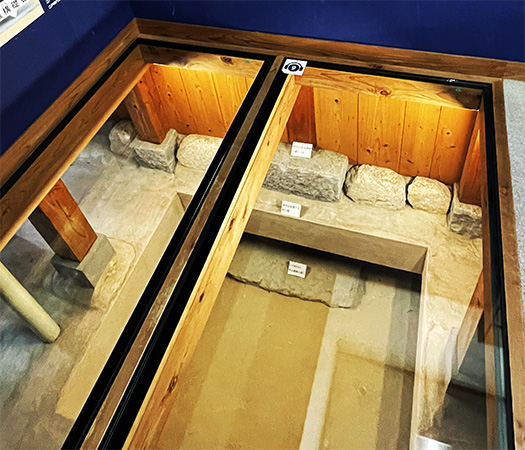
1枚目の写真のように礎石を保護して建設された床下の上で、垂直方向の柱と水平方向の足固(あしがため)をガッチリと固定する独特の木組み技術。
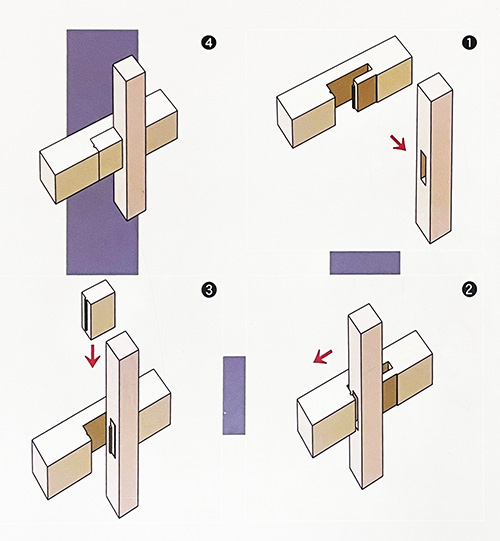
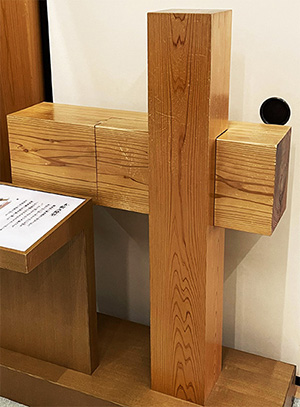
2枚目のイラストと3枚目の模型が見せてくれる精緻な仕口(しぐち)は、建物のゆがみを極限まで抑え込み、泥深い佐賀平野の土壌を克服するための「佐賀独特」の工夫なのだということ。
伝統工法の職人さんたちもまた、この佐賀藩という開明的で進歩的な風土の中で、果敢なチャレンジを行っていた。地元の建築関係者による地域特有の条件への飽くなき対応努力の痕跡に、専門外ながら非常に知的好奇心を揺さぶられてしまった。実に興味深い。
そして、こうした「課題解決型」の開明的な風土が、維新期に驚くほど多くの社会変革人材を輩出したという事実に、不勉強ながらガツンと頭を叩き込まれたような衝撃を受けた。館内では藩主・鍋島直正、島義勇のほかに、佐賀が誇る「五人の英傑」たちが鮮やかに紹介されていた。
●佐野常民:藩精煉方の主任として先端科学を極め、のちに海軍創建や日本赤十字社の創設を成し遂げた男。
●副島種臣:外務卿として高い国際外交評価を得、のちに民撰議院設立建白書を提出した硬骨漢。
●大木喬任:東京府知事や初代文部卿を歴任し、近代日本の法体制と近代教育(学制)の基礎を確立した立役者。
●江藤新平:初代司法卿として司法権の独立と人権擁護の法制化に情熱を注ぎ、最期は島義勇と共に佐賀の乱で散った先駆者。
●大隈重信:早稲田大学の創立者であり、日本初の政党内閣を組織して内閣総理大臣に上り詰めた巨人。
科学技術による軍事や建築のイノベーション(自己改革)を徹底的にやり抜いた佐賀藩だからこそ、その延長線上で、明治ニッポンの「法・教育・外交・医療」の骨格をデザインする天才たちが同時に育ったということか。
明治維新という大転換が武家社会による壮大な「自己革命」の結果として達成された事実が、この佐賀城で非常にわかりやすいカタチで脳裏に焼き付けられた。この年齢にして、実に「基礎」学習をさせてもらった気分。
●お知らせ
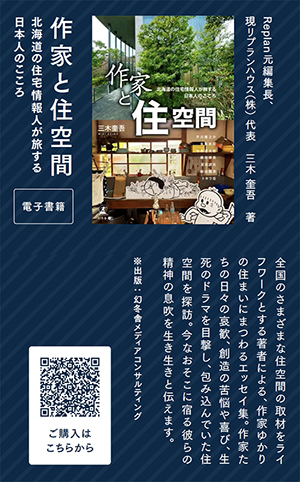
拙書「作家と住空間」幻冬舎から電子書籍で発刊
お求めはAmazonで。
https://amzn.asia/d/eUiv9yO
English version⬇
[“Timber-Frame” Construction for Soft Soil and the Heroes of Saga During the Restoration Era]
Efforts to advance traditional construction techniques in the progressive Saga Domain. And it was this region’s innovative spirit that nurtured the key figures of Meiji-era Japan’s reforms. …
Following up on yesterday’s post, here are some additional notes on the on-site explanation regarding the “structure” of Saga Castle.
While the so-called “traditional construction methods” prioritize ventilation—with the primary goal of “dehumidifying” indoor air and structural materials—Hokkaido has a history of significantly advancing its technology toward “high insulation and airtightness” to adapt to snowy and cold conditions. While this is, so to speak, standard practice in northern regions, what I encountered here in Saga was a specific aspect of wooden construction techniques dating back to the Meiji era—a performance-oriented technological evolution specifically tailored to address “soft ground,” a fundamental challenge of Japan’s climate and terrain.
As shown in the first photo, this unique timber-framing technique firmly secures vertical posts and horizontal bracing to a raised floor constructed to protect the foundation stones.
The intricate joints shown in the second illustration and the third model represent a “Saga-specific” innovation designed to minimize building distortion to the utmost extent and overcome the muddy soil of the Saga Plain.
Craftsmen practicing traditional construction methods also took on bold challenges within the enlightened and progressive culture of the Saga Domain. Although I am not an expert in the field, I found my intellectual curiosity deeply piqued by the traces of the relentless efforts made by local architects to adapt to the region’s unique conditions. It is truly fascinating.
Furthermore, I was struck—as if I’d been hit over the head—by the fact that this “problem-solving” and enlightened culture produced an astonishing number of leaders of social reform during the Meiji Restoration era, despite my own lack of knowledge on the subject. Inside the museum, alongside the feudal lord Naomasa Nabeshima and Yoshiyuki Shima, the “Five Heroes” of whom Saga is so proud were vividly introduced.
● Tsunehito Sano: A man who mastered cutting-edge science as the head of the domain’s refining department and later achieved the establishment of the Imperial Japanese Navy and the founding of the Japanese Red Cross Society.
● Taneomi Soejima: A man of unyielding character who earned high international acclaim as Minister for Foreign Affairs and later submitted a petition calling for the establishment of a popularly elected parliament.
● Takatoshi Ōki: A key figure who served as Governor of Tokyo Prefecture and the first Minister of Education, laying the foundations for modern Japan’s legal system and modern education (the School System).
● Shinpei Eto: A pioneer who, as the first Minister of Justice, devoted himself passionately to the independence of the judiciary and the legal protection of human rights, and who ultimately fell alongside Yoshitake Shima in the Saga Rebellion.
● Shigenobu Ōkuma: A giant of a figure who founded Waseda University and rose to become Prime Minister after organizing Japan’s first party-based cabinet.
Perhaps it was precisely because the Saga Domain thoroughly pursued innovation (self-reform) in military affairs and architecture through science and technology that, as a natural extension of that spirit, geniuses capable of designing the framework of “law, education, diplomacy, and medicine” for Meiji Japan emerged simultaneously.
The fact that the Meiji Restoration—a massive transformation—was achieved as the result of a grand “self-revolution” by samurai society was etched into my mind in a very clear and tangible way right here at Saga Castle. At my age, I feel as though I’ve truly been given a lesson in the “fundamentals.”
● Announcement
My book, *Writers and Living Spaces*, has been published as an e-book by Gentosha.
Available on Amazon.
共有:

Posted on 7月 6th, 2026 by 三木 奎吾
Filed under: 未分類





コメントを投稿
「※誹謗中傷や、悪意のある書き込み、営利目的などのコメントを防ぐために、投稿された全てのコメントは一時的に保留されますのでご了承ください。」
You must be logged in to post a comment.