
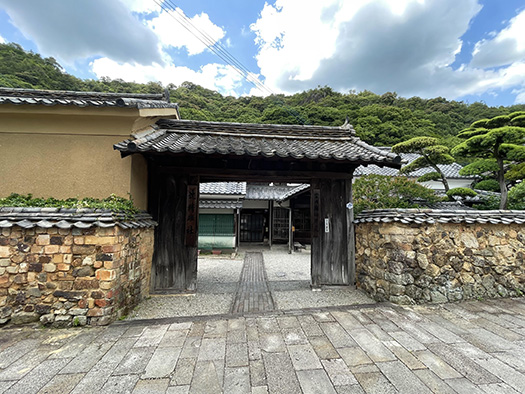
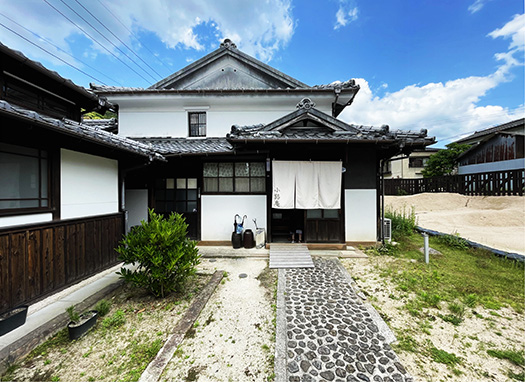
有田の伝統的街並みのなかに佇む公開されている住宅「小路庵」〜しゅうじあん〜(江副孫右衛門旧家)を探訪した。<現在は喫茶店として営業>この建物はTOTO第5代社長にして公選初代町長だった江副孫右衛門(1885~1964)年)の生家という旧家。大正14(1925)年に建設。有田では町なかの狭い通りを小路と呼び、この家の前の道は「柿の木小路」と呼ばれ、そこから「小路庵」と名付けられたという。
幼友達から「マゴエンシャン」と呼ばれていたかれの生家は祖父から続く窯焼きの家。父八蔵の理解のもと、明治33(1900)年に佐賀県立工業学校有田分校に入学後、東京高等工業学校の窯業科へ進学。
しかし八蔵は石炭窯の導入に失敗し継ぐべき窯を失ったマゴエンシャンは創立早々の「日本陶器合名会社」に就職。そこでディナーセットの開発に成功し、高圧碍子や点火碍子、耐酸磁器の創製にも成功し、戦時中「日本碍子」や「日本特殊陶業」の社長を歴任した。
しかし、軍部とのあつれきが原因で社長を辞任し、窯業界の第一線からは退いたが、とはいえ各窯業企業のご意見番として多忙を極め、その上「月の半分くらいしか有田にはいられないが」という事情をわかってもらった上で昭和22(1947)年、有田町長に就任したのだという。・・・
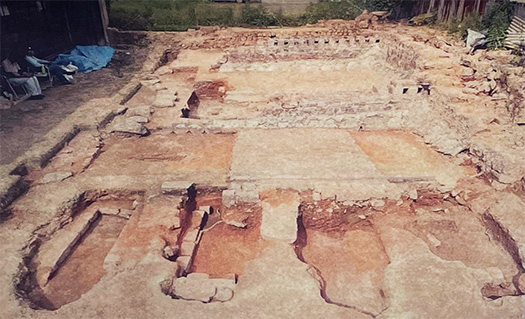
上の写真は昨日紹介した有田の街のランドマーク「トンバイ塀」に囲まれ、窯場を抱え込んだような配置で建てられている住宅の様子。いまはうっすらと痕跡が残っているだけだが、窯場の写真は展示資料からその様子を転載してみた。焼き物から片時も目を離さないぞという窯業家の魂魄が伝わってくる。
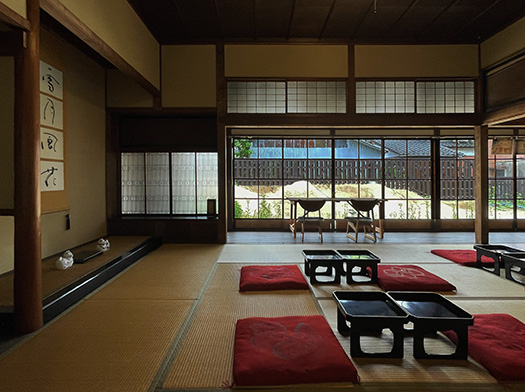
南面した窯場を朝夕、丹念に観察し日々の生産を思う暮らしぶりだったのだろう。
そして、この有田の窯場産業は、佐賀藩の反射炉完成のための技術的要素を供給していたことは先日のブログでも触れたとおりだけれど、その幕末期からかれが生きた戦前・戦中期には当然、軍部との関係性も強まったことと想像できる。そのあたりは詳細にまで立ち入りたくはないが、あつれきとはそういったことの絡みなのだろう。
有田という、日本の製造業・日本人全般にとっても重要な地域での「生産者の息づかい」が具体的に感受できる家だと思われた。
●お知らせ
拙書「作家と住空間」幻冬舎から電子書籍で発刊
お求めはAmazonで。
https://amzn.asia/d/eUiv9yO
English version⬇
[The Birthplace of TOTO’s Fifth President in Arita: “Embracing the Kiln”]
A home in Arita where you can feel the “breath of a potter” still lingering. The way of life and mindset of someone who fired pottery as part of daily life come to life here. …
I visited “Shuji-an” (the former home of Magobei Ezoe), a private residence open to the public nestled within Arita’s traditional townscape.
His childhood friends called him “Magoenshan,” and his family home was a pottery-firing business passed down from his grandfather. With the support of his father, Hachizō, he enrolled in the Arita Branch of the Saga Prefectural Industrial School in Meiji 33 (1900) and later advanced to the Ceramics Department at the Tokyo Higher Technical School.
However, after Hachizō failed to introduce coal-fired kilns and Magōenshan lost the kiln he was supposed to inherit, he joined the “Nippon Toki Gomei Kaisha” shortly after its founding. There, he successfully developed a dinner set and pioneered the creation of high-voltage insulators, ignition insulators, and acid-resistant porcelain; during the war, he served as president of both “Nippon Insulators” and “Nippon Special Ceramics.”
However, due to friction with the military, he resigned as president and stepped back from the forefront of the pottery industry. Nevertheless, he remained extremely busy as a trusted advisor to various ceramics companies. Furthermore, after ensuring that people understood his situation—namely, that “I can only stay in Arita for about half the month”—he reportedly assumed the position of mayor of Arita Town in Showa 22 (1947). …
The photo above shows a residence built in a layout that seems to envelop the kiln, surrounded by the “Tonbai Wall”—a landmark of Arita that I introduced yesterday. Although only faint traces remain today, I’ve reproduced a photo of the kiln from the exhibition materials to illustrate its appearance. You can sense the spirit of a family dedicated to the pottery trade—one that never takes its eyes off the ceramics for even a moment.
His daily life must have revolved around carefully observing the ruins of the south-facing kiln site every morning and evening, while reflecting on the day’s production.
As I mentioned in a recent blog post, the Arita kiln industry supplied the technical expertise needed for the completion of the Saga Domain’s reverberatory furnace; naturally, one can imagine that his ties to the military grew stronger from the late Edo period through the pre-war and mid-war years in which he lived. I don’t wish to delve into the details of that, but the tensions likely stemmed from such entanglements.
It struck me as a house where one can tangibly sense the “breath of the producers” in Arita—a region of great importance to both Japanese manufacturing and the Japanese people as a whole.
共有:

Posted on 7月 9th, 2026 by 三木 奎吾
Filed under: 未分類




コメントを投稿
「※誹謗中傷や、悪意のある書き込み、営利目的などのコメントを防ぐために、投稿された全てのコメントは一時的に保留されますのでご了承ください。」
You must be logged in to post a comment.