
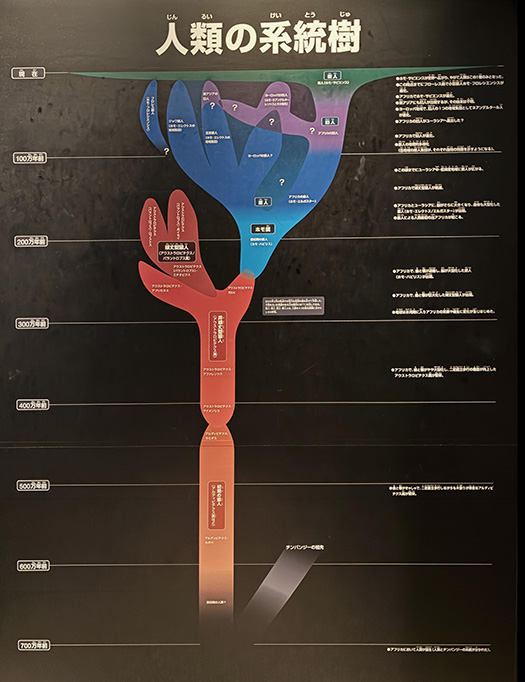
今回の東京行きで主目的は別にすれば、強く惹かれていたのは国立科学博物館の展示。「ネアンデルタール人と現生人類は価値観を共有していた」を学習すること。
歴史学習はわたしの数寄の基本。って言うか、人間の生きてきたことに興味を持たない人間などはいないと思いますね。それぞれが「学び続けて」いるのだと思います。で、今回訪問先を整理していて東京上野で「新情報」を確認したいと強く希望していた。断片的には各種メディア情報で「トルコ南部・ウチャーズリⅡ洞窟で、ネアンデルタール人と現生人類(サピエンス)が数万年間、共住していた」という新発見を日本の科学博メンバーが行った事実は報道されていた。
報道もされていたので科学博では大々的に展示されていると思いきや、実際の展示スペースと情報量は、パネル展示で6枚ほど。しかし、その情報のバックグラウンドとして「人類のはるかな全地球上拡散の旅路」の科学博が取り組んできた記録展示があるので、深みは圧倒的でありました。
こういう科学博物館なので国民の「知る権利」を最大限尊重しすべて公開が原則とされていて、わたしのような一般人でも、撮影記録はまったくフリー。
可能な限り科学博の最新知見を採集させていただけた次第。現代に生きているシアワセ。
〜本研究は、トルコ、フランス、日本(京都大学、当館、福岡大学)による国際共同研究。本成果は2026年7月7日(日本時間)に米国の科学誌「米国科学アカデミー紀要)」に掲載されました。〜 という公開情報。
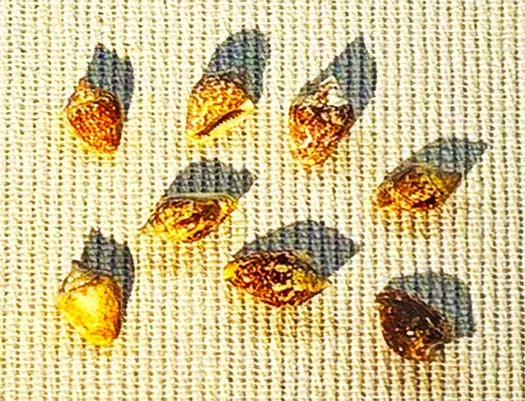
2枚目の写真はこの研究の京都大学担当者・森本直記氏がとくに言及されていた非食用の貝「アフリカタモト」の標本展示。「ネアンデルタール人も現生人類も同じょうに収集して洞窟に持ち帰り、ネアンデルタール人により装飾品に加工されていた貝の現生同種の標本。従来、この貝の利用はサピエンスに限られると考えられてきた」との解説本文。
そしてさらに肉感的に「刺さってきた」のは次の感想。「数万年前の洞窟時代、食糧入手は切実で文字通り死活問題だったはず。その環境でも食べられもしない貝殻に価値を感じていたことは、ヒトという生物にとって芸術や好奇心が根源的な欲求であることを意味していると私は考えています。」
・・・この深遠さに、目がクラクラしてしまった次第です。う〜む。
●お知らせ
拙書「作家と住空間」幻冬舎から電子書籍で発刊
お求めはAmazonで。
https://amzn.asia/d/eUiv9yO
English version⬇
[Learning from the Science Exhibition “Records of Coexistence Between Neanderthals and Modern Humans”]
The latest findings on human history, published on July 7, 2026, in the U.S. scientific journal *Proceedings of the National Academy of Sciences*. Hearing the discoverer’s own words left me feeling dizzy. …
Aside from the main purpose of this trip to Tokyo, what really drew me in was an exhibition at the National Museum of Nature and Science: learning about the idea that “Neanderthals and modern humans shared common values.”
Studying history is fundamental to my passion. Or rather, I don’t think there’s a single person who isn’t interested in how humans have lived throughout history. I believe we’re all “continuing to learn.” So, while organizing my itinerary for this trip, I had a strong desire to verify some “new information” in Ueno, Tokyo. I had seen fragmented reports in various media outlets about a new discovery made by members of the National Museum of Nature and Science: “Neanderthals and modern humans (Homo sapiens) coexisted for tens of thousands of years in the Uçahirli II Cave in southern Turkey.”
Since it had been reported in the news, I expected it to be featured prominently at the museum, but the actual exhibition space and amount of information consisted of only about six display panels. However, because the Science Museum has long been dedicated to documenting “Humanity’s Long Journey of Global Dispersal” as the backdrop to this information, the depth of the exhibition was truly overwhelming.
As this is the kind of science museum that upholds the principle of maximum transparency and full disclosure to respect the public’s “right to know,” even ordinary people like me are completely free to take photographs.
I was able to gather as much of the Science Museum’s latest findings as possible. What a blessing it is to be alive in this day and age.
~This research is an international collaborative study involving Turkey, France, and Japan (Kyoto University, this museum, and Fukuoka University). These findings were published on July 7, 2026 (Japan Standard Time) in the U.S. scientific journal *Proceedings of the National Academy of Sciences*.~ — according to the publicly available information.
The second photo shows a specimen of the non-edible shellfish “Africatamoto,” which Naoki Morimoto, the Kyoto University researcher in charge of this study, specifically mentioned. The accompanying text explains: “This is a modern specimen of the same species of shellfish that both Neanderthals and modern humans collected and brought back to their caves, and which Neanderthals processed into ornaments. Previously, it was thought that the use of this shellfish was limited to Homo sapiens.”
What really “struck a chord” with me, however, was the following reflection: “During the cave era tens of thousands of years ago, securing food must have been a desperate, literally life-or-death struggle. The fact that even in that environment, people found value in shells they couldn’t even eat suggests to me that art and curiosity are fundamental desires for the human species.”
…I must admit, the profundity of this left me feeling a bit dizzy. Hmm.
● Announcement
My book, *Writers and Living Spaces*, has been published as an e-book by Gentosha.
Available on Amazon.
共有:

Posted on 7月 20th, 2026 by 三木 奎吾
Filed under: 未分類





コメントを投稿
「※誹謗中傷や、悪意のある書き込み、営利目的などのコメントを防ぐために、投稿された全てのコメントは一時的に保留されますのでご了承ください。」
You must be logged in to post a comment.