
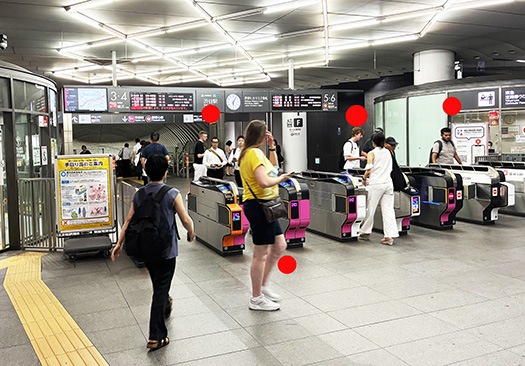
さてほぼ半年ぶりの東京ですが、あちこち歩きまわっていると外人の姿が圧倒的に多い。円安ということで日本への渡航、長期間滞在などのコストがたぶん相当下がって来て、いまやジャパンセールスみたいな状況なのでしょうね。しかしちょっとした飲食店などでも海外の人材が目立っているので、東京の「現在人口」割合では、非常に多国籍化してきているのでしょう。
写真はたまたま通りかかって、どこにも発見できなかった「渋谷・東急東横線」出入り口をようやく探し当てられたので写真に収めたものですが、私の印象では、海外からの旅行者や海外にルーツを持つように見受けられる人が以前よりずっと多く感じられた。外見だけの判断なので参考までですが、まぁ常態的にこれくらいの割合になっているようです。
日本社会の少子高齢化、それと市場経済規模の維持拡大という「資本の論理」との合間で、このような状況が日本社会で露わになってきているのでしょうね。そのことが「底流」となっての政治経済社会の全状況が、現代ニッポンなのでしょう。ただし人口構成の変化そのものを善悪で語るのではなく、それを前提に社会制度や地域のあり方をどう設計していくかが、これからの課題なのでしょう。
昨日渋谷区広尾の広域開発現場写真をアップしたら「それに引き換え、札幌すら含めた他の北海道などの地域の過疎地化ぶりは・・・」という意見が友人から寄せられていた。わたしとしては、札幌市民としてそこまでの感覚はなかったのですが、とくに北海道内の人口減少ぶりは先端的に進んでいることは事実。
高齢化してきて自分自身のいのちとの対話がメインにはなってきますが、やはり孫子のことも合わせて考えれば、冷静に見て行かなければなりませんね。日本人の割合は日本社会全体では5-6割程度にまで下がっていく未来は、さてどのようなことが想定できるのか、沈思させられる。ほかの要因は変動するけれど、人口の要因はほぼ確実に未来に現出する事態。
日本史では弥生期から仏教伝来期など大量の移住が繰り返されてきた。京都に残る太秦など、地名にもその痕跡が残っているけれど、その時代以上の「民族的ブレンディング」が起こっていく可能性が高い。そのことが底流要因になっていろいろな社会変容も起こっていったのでしょう。
歴史に学びながら、行く末をデザインしていく必要があるのでしょうね。
●お知らせ
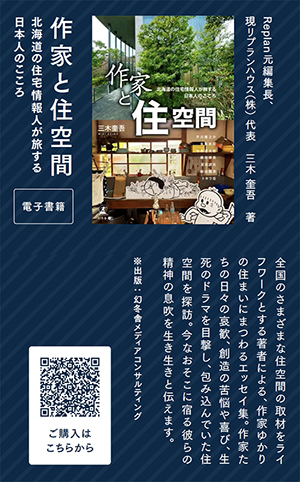
拙書「作家と住空間」幻冬舎から電子書籍で発刊
お求めはAmazonで。
https://amzn.asia/d/eUiv9yO
English version⬇
[Photo of the Shibuya “Tokyu Toyoko Line” entrance—are 4 out of 10 people foreigners?]
The conflict between Japan’s declining population and the need to maintain and develop its economy = the trend toward a multi-ethnic society. However, Japanese history also offers lessons from past experiences. We must learn from them. …
Well, it’s been almost half a year since I was last in Tokyo, and as I’ve been walking around, I’ve noticed an overwhelming number of foreigners. With the weak yen, the cost of traveling to Japan and staying for extended periods has likely dropped significantly, so it’s probably like a “Japan Sale” right now. However, foreign workers are noticeable even in small restaurants and the like, so in terms of Tokyo’s “current population,” it’s likely becoming increasingly multicultural.
The photo shows the “Shibuya Tokyu Toyoko Line” entrance that I finally managed to find after walking by several times without spotting it—I took the picture just because I happened to come across it. My impression is that there seem to be far more travelers from overseas and people who appear to have foreign roots than before. This is just based on appearances, so take it with a grain of salt, but it seems this proportion has become the norm.
This situation is likely becoming increasingly apparent in Japanese society as it navigates the tension between its declining birthrate and aging population, on one hand, and the “logic of capital”—which demands maintaining and expanding the scale of the market economy—on the other. Modern Japan is defined by the overall political, economic, and social landscape shaped by this underlying current. However, rather than judging the demographic shift itself as good or bad, the challenge moving forward is how to design social systems and regional structures based on this new reality.
Yesterday, when I posted photos of a large-scale development site in Hiroo, Shibuya Ward, a friend commented, “In contrast, look at the depopulation in other regions of Hokkaido, including even Sapporo…” As a resident of Sapporo, I hadn’t really felt that strongly about it, but it is true that population decline is progressing particularly rapidly within Hokkaido.
As I grow older, my focus naturally shifts to reflecting on my own life, but when I also consider my grandchildren, I realize I must continue to observe these developments with a clear head. It gives me pause to contemplate what the future might hold as the proportion of Japanese people in Japanese society as a whole drops to around 50–60 percent. While other factors may fluctuate, the demographic shift is a reality that will almost certainly manifest in the future.
Throughout Japanese history, from the Yayoi period to the introduction of Buddhism, large-scale migrations have occurred repeatedly. Traces of this can still be found in place names, such as Uzumasa in Kyoto, but it is highly likely that an even greater degree of “ethnic blending” than in those eras will occur. This likely served as an underlying factor that drove various social transformations.
We must design our future while learning from history.
● Announcement
My book, *Writers and Living Spaces*, has been published as an e-book by Gentosha.
Available on Amazon.
共有:

Posted on 7月 18th, 2026 by 三木 奎吾
Filed under: 未分類





コメントを投稿
「※誹謗中傷や、悪意のある書き込み、営利目的などのコメントを防ぐために、投稿された全てのコメントは一時的に保留されますのでご了承ください。」
You must be logged in to post a comment.