
さて、先般のブログ記事で書いたとおり、今回の旅路はこれまでの人生であんまり訪問していない九州の「未踏破」県をじっくり回ってみたい、というのがホンネ。先日の佐賀県でカタチ的には達成なんですが、大分県も断片的にしか来ていないことから、最終地認識を持った次第。
そして一昨日から大分市・別府市を中心に東九州自動車道に沿って行脚しておりました。そのなかでも「心残り」の最たるものだったのが「国宝・宇佐神宮」。
日本史の中でこの神域は、武家の「八幡」信仰の祖神地として知られてきた。
また、弓削道鏡が天皇家を乗っ取ろうとした刹那の瞬間に和気清麻呂が、道鏡の即位を食い止めた事件でも、この宇佐の神の「神意」が決定的な要因になったとされている。
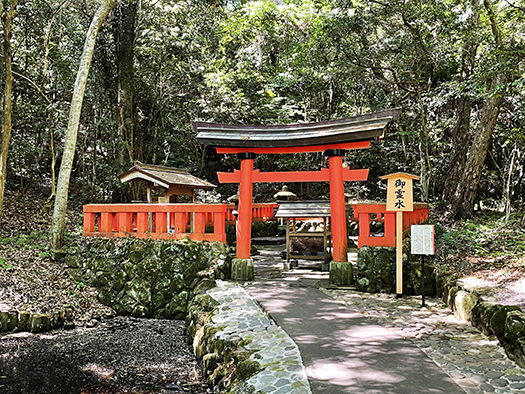
写真は、八幡神の故地とされる「八幡大神ご顕現の聖地 御霊水」の様子。宇佐神宮本殿の裏地で、奥の院的な場所ですが、訪れる人も少なめで、こころ穏やかに参拝できた。由緒書きは以下。
〜亀山の麓、菱形池のほとり、三つの霊泉からなるこの御霊水は、上宮御本殿の真裏(北側)に位置し、往古来今、常に清水が湧き出で絶えることのない霊泉として知られる。
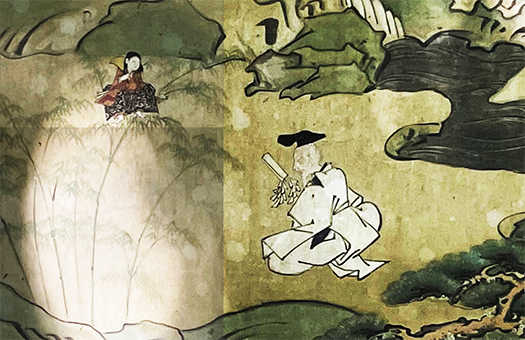
欽明天皇三十二年(571年)辛卵、八幡大明神、筑紫に顕れたまふ。豊前国宇佐郡厩峯菱形池の間に鍛治の翁有り。首甚だ奇異なり。これに因って大神比義、穀を絶つこと三年、籠居精進して、即ち幣帛を捧げて祈って言く。「若し汝神ならば、我が前に顕るべし」と。即ち三歳の少児と顕れ、竹葉に立ちて宣く。「我は是れ日本の人皇第十六代誉田天皇なり。我が名は、護国霊験威力神通大自在王菩薩なり。国々所々に、跡を神道に垂れ初て顕るのみ。」と記され、八幡大神がこの御霊水の辺りに初めてご顕現になったと伝えている。
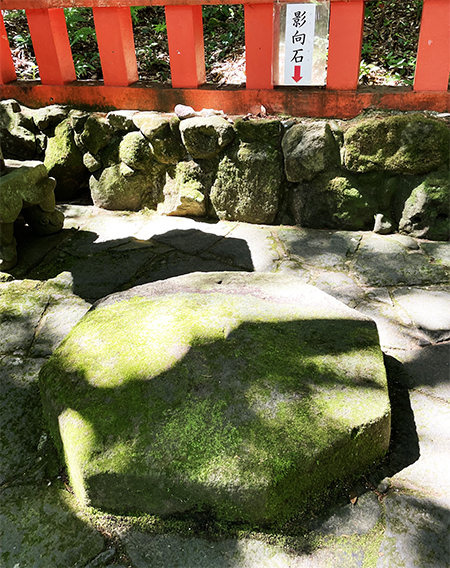
霊泉が湧き出る八幡大神ご顕現のこの聖地は、長い歴史のなかで霊水、鍛冶場、下井の霊水と呼ばれてきた。尚、御霊水の最奥にある八角形の影商石には、八幡大神が神馬に召され天翔けられた時の馬蹄の跡が残されている。〜 以上、現地の解説案内板より。
・・・日本史を彩ってきた神々の中で出雲や伊勢は何度か訪れているけれど、今回ようやく宇佐の大神に触れることができた気分。ちなみにこの社での参拝の仕方は,二礼四拍手一礼、という出雲の古社と同じ拝礼方法。この拝礼が日本社会の古格なのではとも思わせられる。
ということで、八幡神はじまりの地がわたしの最後の訪問県になった次第。
で、一件落着と思いきや、別行動で買い物に行っていたカミさんから火急の知らせ。おお、と右往左往の大立ち回りで振り回される。詳細は秘して語らず。終わりは次のはじまり(笑)。・・・
●お知らせ
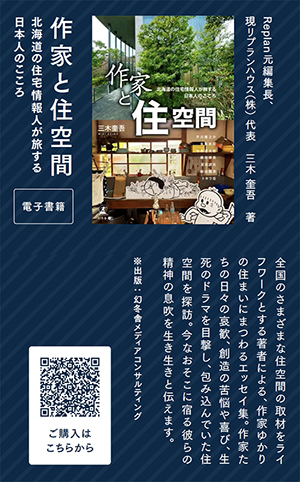
拙書「作家と住空間」幻冬舎から電子書籍で発刊
お求めはAmazonで。
https://amzn.asia/d/eUiv9yO
English version⬇
[Having Traveled Every Prefecture in the Japanese Archipelago, I Conclude My Journey in Ōita with a Visit to the National Treasure, Usa Jingu]
Hachiman is the ancestor of the Japanese martial arts. Usa is the cradle of Japanese history. A pilgrimage to the sacred spring where it all began. And from there, the beginning of a whirlwind of change (lol)…
Well, as I mentioned in my previous blog post, the real reason for this trip is that I wanted to take my time exploring the “unexplored” prefectures of Kyushu—places I haven’t visited much in my life so far. While I technically achieved that goal in Saga Prefecture the other day, I’ve only been to Oita Prefecture in bits and pieces, so I decided to make it my final destination.
So, starting the day before yesterday, I’ve been traveling along the East Kyushu Expressway, focusing on Oita City and Beppu City. Among the places I visited, the one I most regretted missing was the “National Treasure: Usa Jingu.”
In Japanese history, this sacred precinct has long been known as the ancestral site of the samurai class’s “Hachiman” faith.
Furthermore, it is said that the “divine will” of the deity of Usa played a decisive role in the incident where Waki no Kiyomaro thwarted Yuge no Dōkyō’s attempt to seize the Imperial throne at the very moment of his coup.
The photo shows the “Sacred Water of the Manifestation of the Great Hachiman Deity,” a site believed to be the ancestral home of the Hachiman deity. Located behind the main hall of Usa Jingu, it is a secluded, inner sanctuary-like place; with few visitors, I was able to pay my respects in peace. The description of its history is as follows.
~Located at the foot of Mount Kameyama, on the banks of Hishigata Pond, this sacred water consists of three springs. Situated directly behind (to the north of) the Main Hall of the Upper Shrine, it has been known since ancient times as a sacred spring from which clear water constantly flows without ceasing.
In the 32nd year of Emperor Kinmei’s reign (571), in the year of the Rooster, the Great Hachiman Deity manifested in Tsukushi. In the area between Umine and Hishigata Pond in Usa District, Buzen Province, there lived an old blacksmith. His head was most peculiar. Because of this, the great priest Hiyoshi abstained from grain for three years, secluded himself in ascetic practice, and then offered sacred offerings and prayed, saying, “If you are a god, you must manifest yourself before me.” Immediately, he appeared as a three-year-old child, standing on a bamboo leaf, and proclaimed: “I am Emperor Hondan, the sixteenth Emperor of Japan. My name is Gokoku Reigen Iryoku Shintsu Daijizai-ō Bosatsu. I have only now first manifested myself, leaving traces of the Shinto way in various places throughout the land.” It is recorded that Hachiman Ōkami first manifested himself near this sacred spring.
This sacred site, where the Hachiman Great Deity manifested and the sacred spring gushes forth, has been known throughout its long history as the Sacred Water, the Blacksmith’s Forge, and the Sacred Water of Shimoi. Furthermore, on the octagonal Kage-shō-ishi stone at the very back of the sacred spring, the hoofprints remain from when the Hachiman Great Deity was summoned by a divine horse and soared into the heavens. ~ From the on-site explanatory signboard.
…Among the deities that have colored Japanese history, I’ve visited Izumo and Ise several times, but this time I finally feel as though I’ve been able to connect with the Great Deity of Usa. Incidentally, the way to worship at this shrine is “two bows, four claps, one bow”—the same ritual used at the ancient shrines of Izumo. It makes me wonder if this form of worship isn’t the ancient standard of Japanese society.
And so, the birthplace of the Hachiman deity became the last prefecture I visited.
Just when I thought everything was settled, I received an urgent message from my wife, who had gone shopping separately. “Oh no!” I found myself running around in a frantic scramble. I won’t go into details here. The end is the beginning of the next chapter (lol). …
● Announcement
My book, “Writers and Living Spaces,” has been published as an e-book by Gentosha.
Available on Amazon.
共有:

Posted on 5月 31st, 2026 by 三木 奎吾
Filed under: 未分類



コメントを投稿
「※誹謗中傷や、悪意のある書き込み、営利目的などのコメントを防ぐために、投稿された全てのコメントは一時的に保留されますのでご了承ください。」
You must be logged in to post a comment.