

一昨日薩摩・鹿児島をめぐって、昨日は日本の神話世界の地である高千穂峡〜天岩戸神社などを探訪していました。
宮崎県は以前、住宅関係団体の全国大会で来て、宮崎市周辺を歩いていた。当然、県北部のこれら神話の地ははじめて訪れた次第。わたしの仕事人生は「住宅空間と人間性」領域で過ごしたので、住宅が包み込まれる地域総体の伝統的規範など文化的なものにも思いが至ってくる。
北海道は明治期以降の開拓地で主にその寒冷条件に対して合理主義精神から「人間をあたたかく守る」という素朴な機能性と人間の心情の関係を主要テーマとして追求してきた。住宅メディア人としては、そこからの「拡張」的な興味なのでしょう。
生かされてきた日本語文化圏のありよう、という部分。
人間のいのちには当然限りがあるので、自分が見聞きできる時代相が意識に反映される。
日本人の共有神話世界に対しては「実相」感とはやや距離があるけれど、それを尊重して生きてきたことを共有させていただく一択。
神話的世界観にどういう「思い」が宿っているのか探るという心理でしょうか。

そんな気分で探訪し天岩戸神社に至る道路を走っていて、ふと気付いていたのがその風景景観環境のなつかしさと「日本」感。そして目に飛び込んできたのが「世界農業遺産」という表示柱。ホテルに入ってからWEB検索したら以下の情報を知った次第。
〜宮崎県の世界農業遺産は高千穂町など5町村にまたがる「高千穂郷・椎葉山地域」。林業と農業を巧みに組み合わせた伝統的な複合システムや、縄文時代から続く焼畑農法、そして独自の神楽文化が世界的に高く評価されている。高千穂郷・椎葉山地域は地形が急峻で平地が少ない山間部にありながら、自然の恵みを活かして持続可能な生活を営んできた地域。〜
なるほどと、地域と人間の長く継続してきた「生き様」が腑に落ちてきた次第。
2015年12月に国連食糧農業機関(FAO)により世界農業遺産に認定されたとのこと。●農林業の複合システム●伝統的な焼畑農法●山腹用水路の歴史●豊かな文化と景観の継承、という4つの認定要素からの認定とされていた。
まさに日本人が生き抜いてきた「生き方システム」が抽象されている。そういう地域性のなかに、「日本神話」的な世界観も同居しているのだと。・・・う〜む。
●お知らせ
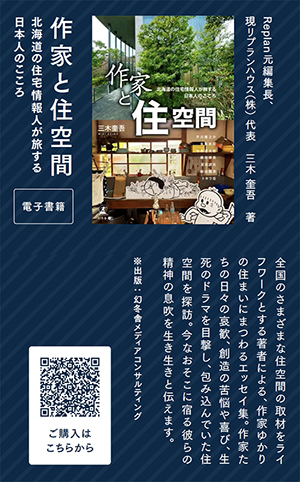
拙書「作家と住空間」幻冬舎から電子書籍で発刊
お求めはAmazonで。
https://amzn.asia/d/eUiv9yO
English version⬇
[Takachiho Gorge: The Amano-Iwato Myth and the Landscape of the Globally Important Agricultural Heritage System]
A way of life that is quintessentially “Japanese” and in harmony with nature—a vision that suddenly awakens us from the world of myth. The practical use of the land and the beauty of the landscape…
The day before yesterday, I toured Satsuma and Kagoshima, and yesterday I visited Takachiho Gorge—a place steeped in Japanese mythology—and the Amano-Iwato Shrine.
I had previously visited Miyazaki Prefecture for a national conference of a housing-related organization and walked around the Miyazaki City area. Naturally, this was my first time visiting these mythical sites in the northern part of the prefecture. Having spent my professional life in the field of “housing spaces and humanity,” my thoughts naturally turn to cultural aspects such as the traditional norms of the broader regional context in which housing is embedded.
Hokkaido, as a frontier region developed since the Meiji period, has primarily pursued the relationship between simple functionality—the idea of “keeping people warm”—and human emotions, driven by a spirit of rationalism in response to its harsh climate. As someone in the housing media, this represents an “expansion” of my interests from that foundation.
Specifically, the nature of the Japanese cultural sphere that has been sustained over time.
Since human life is, of course, finite, the era I can see and hear reflects in my consciousness.
Although it is somewhat removed from a sense of “true reality,” I have no choice but to share that I have lived my life respecting the shared mythical world of the Japanese people.
Perhaps it is a psychological exploration of what “thoughts” dwell within that mythical worldview.
With that mindset, as I drove along the road leading to Ama-Iwato Shrine, I suddenly noticed the nostalgic, quintessentially “Japanese” feel of the scenery and surroundings. Then, a signpost labeled “Globally Important Agricultural Heritage Systems” caught my eye. After checking online once I got back to the hotel, I found the following information.
—Miyazaki Prefecture’s Globally Important Agricultural Heritage Systems site is the “Takachiho-go and Shiiba-yama Region,” spanning five towns and villages including Takachiho Town. Its traditional integrated system that skillfully combines forestry and agriculture, slash-and-burn farming practices dating back to the Jomon period, and unique Kagura culture are highly regarded worldwide. The Takachiho-go and Shiiba-yama region is located in a mountainous area with steep terrain and little flat land, yet it is a region that has sustained a sustainable way of life by making the most of nature’s bounty. ~
It all made sense to me, and I finally understood the long-standing “way of life” shared by the region and its people.
It was designated as a Globally Important Agricultural Heritage System by the Food and Agriculture Organization of the United Nations (FAO) in December 2015. ● The certification was based on four key elements: ● integrated agroforestry systems ● traditional slash-and-burn farming ● the history of mountain-side irrigation channels ● and the preservation of rich culture and landscapes.
It truly encapsulates the “way of life” that the Japanese people have sustained over the centuries. And within that regional character, a worldview reminiscent of “Japanese mythology” also coexists. …Hmm.
●Announcement
My book, “Writers and Living Spaces,” has been published as an e-book by Gentosha.
Available on Amazon.
共有:

Posted on 5月 30th, 2026 by 三木 奎吾
Filed under: 未分類





コメントを投稿
「※誹謗中傷や、悪意のある書き込み、営利目的などのコメントを防ぐために、投稿された全てのコメントは一時的に保留されますのでご了承ください。」
You must be logged in to post a comment.