本文へジャンプ

【科学博「ネアンデルタールと現生人類の共生記録」学習】


 今回の東京行きで主目的は別にすれば、強く惹かれていたのは国立科学博物館の展示。「ネアンデルタール人と現生人類は価値観を共有していた」を学習すること。
 歴史学習はわたしの数寄の基本。って言うか、人間の生きてきたことに興味を持たない人間などはいないと思いますね。それぞれが「学び続けて」いるのだと思います。で、今回訪問先を整理していて東京上野で「新情報」を確認したいと強く希望していた。断片的には各種メディア情報で「トルコ南部・ウチャーズリⅡ洞窟で、ネアンデルタール人と現生人類(サピエンス)が数万年間、共住していた」という新発見を日本の科学博メンバーが行った事実は報道されていた。
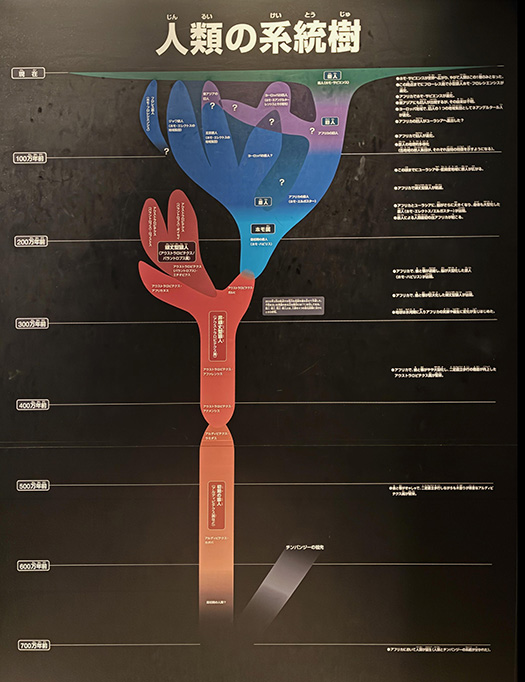
 報道もされていたので科学博では大々的に展示されていると思いきや、実際の展示スペースと情報量は、パネル展示で6枚ほど。しかし、その情報のバックグラウンドとして「人類のはるかな全地球上拡散の旅路」の科学博が取り組んできた記録展示があるので、深みは圧倒的でありました。
 こういう科学博物館なので国民の「知る権利」を最大限尊重しすべて公開が原則とされていて、わたしのような一般人でも、撮影記録はまったくフリー。
 可能な限り科学博の最新知見を採集させていただけた次第。現代に生きているシアワセ。
 〜本研究は、トルコ、フランス、日本(京都大学、当館、福岡大学)による国際共同研究。本成果は2026年7月7日(日本時間)に米国の科学誌「米国科学アカデミー紀要)」に掲載されました。〜 という公開情報。
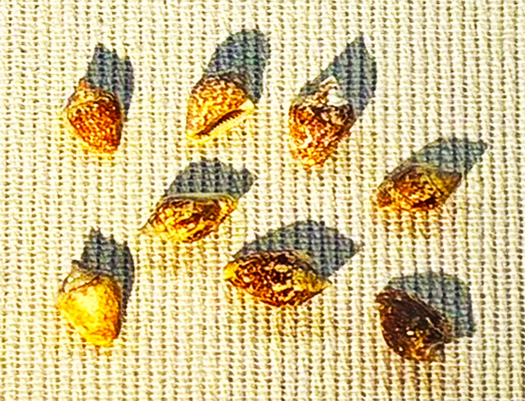
 2枚目の写真はこの研究の京都大学担当者・森本直記氏がとくに言及されていた非食用の貝「アフリカタモト」の標本展示。「ネアンデルタール人も現生人類も同じょうに収集して洞窟に持ち帰り、ネアンデルタール人により装飾品に加工されていた貝の現生同種の標本。従来、この貝の利用はサピエンスに限られると考えられてきた」との解説本文。
 そしてさらに肉感的に「刺さってきた」のは次の感想。「数万年前の洞窟時代、食糧入手は切実で文字通り死活問題だったはず。その環境でも食べられもしない貝殻に価値を感じていたことは、ヒトという生物にとって芸術や好奇心が根源的な欲求であることを意味していると私は考えています。」
 ・・・この深遠さに、目がクラクラしてしまった次第です。う〜む。

●お知らせ
拙書「作家と住空間」幻冬舎から電子書籍で発刊
お求めはAmazonで。
https://amzn.asia/d/eUiv9yO
English version⬇

[Learning from the Science Exhibition “Records of Coexistence Between Neanderthals and Modern Humans”]
The latest findings on human history, published on July 7, 2026, in the U.S. scientific journal *Proceedings of the National Academy of Sciences*. Hearing the discoverer’s own words left me feeling dizzy. …

 Aside from the main purpose of this trip to Tokyo, what really drew me in was an exhibition at the National Museum of Nature and Science: learning about the idea that “Neanderthals and modern humans shared common values.”
 Studying history is fundamental to my passion. Or rather, I don’t think there’s a single person who isn’t interested in how humans have lived throughout history. I believe we’re all “continuing to learn.” So, while organizing my itinerary for this trip, I had a strong desire to verify some “new information” in Ueno, Tokyo. I had seen fragmented reports in various media outlets about a new discovery made by members of the National Museum of Nature and Science: “Neanderthals and modern humans (Homo sapiens) coexisted for tens of thousands of years in the Uçahirli II Cave in southern Turkey.”
 Since it had been reported in the news, I expected it to be featured prominently at the museum, but the actual exhibition space and amount of information consisted of only about six display panels. However, because the Science Museum has long been dedicated to documenting “Humanity’s Long Journey of Global Dispersal” as the backdrop to this information, the depth of the exhibition was truly overwhelming.
 As this is the kind of science museum that upholds the principle of maximum transparency and full disclosure to respect the public’s “right to know,” even ordinary people like me are completely free to take photographs.
 I was able to gather as much of the Science Museum’s latest findings as possible. What a blessing it is to be alive in this day and age.
 ~This research is an international collaborative study involving Turkey, France, and Japan (Kyoto University, this museum, and Fukuoka University). These findings were published on July 7, 2026 (Japan Standard Time) in the U.S. scientific journal *Proceedings of the National Academy of Sciences*.~ — according to the publicly available information.
 The second photo shows a specimen of the non-edible shellfish “Africatamoto,” which Naoki Morimoto, the Kyoto University researcher in charge of this study, specifically mentioned. The accompanying text explains: “This is a modern specimen of the same species of shellfish that both Neanderthals and modern humans collected and brought back to their caves, and which Neanderthals processed into ornaments. Previously, it was thought that the use of this shellfish was limited to Homo sapiens.”
 What really “struck a chord” with me, however, was the following reflection: “During the cave era tens of thousands of years ago, securing food must have been a desperate, literally life-or-death struggle. The fact that even in that environment, people found value in shells they couldn’t even eat suggests to me that art and curiosity are fundamental desires for the human species.”
…I must admit, the profundity of this left me feeling a bit dizzy. Hmm.

● Announcement
My book, *Writers and Living Spaces*, has been published as an e-book by Gentosha.
Available on Amazon.

【東京国立博物館でも館内ショップはほぼ外人さん(笑)】


 さて、昨日は今回の東京移動での主な会合参加が無事終了。
 あらゆる事象についての活発な意見交換会で、アタマのなかもスッキリさせることができました。やはりまだまだ老け込むことは許されない(笑)。
 で、会合参加までの時間で上野の東京国立博物館参観。平成館での「空海展」がメインで参観していましたが、さすがの国立施設なので、その「深み」は圧倒的な迫り方。わたしは迷える真言宗徒なワケですが、あの平安期の時代相の中で、真言密教の果たした日本文化への影響力の巨大さを再認識させられました。
 通常のトーハク参観よりも巨大なインパクトでした。で、こちらの方は仏教寺院関係者、いわばプロのみなさんもたいへん多数参観されていたようでした。わたしとしては、最近取り組んでこさせられている(笑)手書き筆文字・一部くずし字の大量古文書群への「見方」が、それこそ「見よう見まね」で活用出来てきているなぁと意を強くさせられた次第。・・・まぁ「なんちゃって」であることは自明ですが、それでも書き手の古人と少しくは「対話」できるような気がしてきていた。自分的には「長足の進化」ぶりで、これはいよいよ、取り組みを深めたいと思わされました。新体験。
 ・・・というような参観でしたが、この空海展会場ではさすがに西洋系の外人さんチラホラ程度だったのが、その会場を出てトーハクの館内に出ると、ほぼ外人しか目に入らない状況。昨日ブログで書いた状況が、こうした施設ではさらに顕著に表れている。きのう記載の渋谷・東横線どころではなく、外国語が飛び交って海外からの来館者が非常に多い印象を受けた。
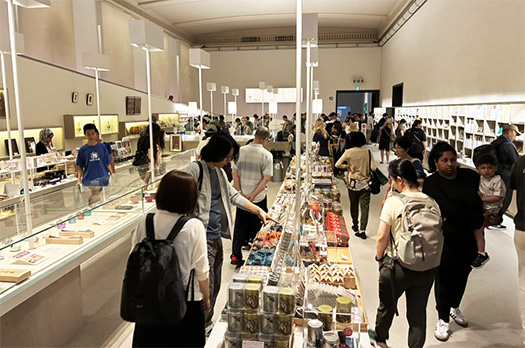
 写真はショップの店内状況ですが、ほぼ8割くらいの印象比率。
 昨日のブログを書いた後、仏教伝来期前後での大陸半島からの大量の「帰化」状況について調べてみたいと思って「帰化人と在地の人との間で、トラブルや逆に融和の様子を伝える伝承などはないだろうか?」とAIと対話してみたら以下のような返答があったので、その一部転記。
 〜京都の太秦における帰化人(秦氏)と在地人との関係についてトラブルと融和の双方を伝える伝承や記録が古典や神社の縁起に残されています。後から来た技術集団である秦氏が、もともとそこにいた人々とどう関わったのか、具体的なエピソードを。・・・〜
 この内容についても今後探究してみたいのですが、また別の稿で。
 本日大雨との札幌に帰還予定。無事に着陸できるのかなぁ・・・。

●お知らせ
拙書「作家と住空間」幻冬舎から電子書籍で発刊
お求めはAmazonで。
https://amzn.asia/d/eUiv9yO

English version⬇

[Even at the Tokyo National Museum, the shop is almost entirely filled with foreigners (lol)]
I’m happy to see foreigners who want to “get to know Japan deeply”—welcome. Japanese history is also a flexible cultural history marked by the acceptance of “naturalized citizens.” …

 Well, yesterday I successfully wrapped up the main meetings I attended during this trip to Tokyo.
It was a lively exchange of views on all sorts of topics, and it really helped clear my head. As expected, I still can’t afford to get old just yet (laughs).
 So, before the meetings started, I visited the Tokyo National Museum in Ueno. My main focus was the “Kukai Exhibition” in the Heisei Hall, and as you’d expect from a national institution, its “depth” was truly overwhelming. I’m a somewhat lost Shingon Buddhist myself, but seeing the Heian-period setting really made me realize once again just how immense the influence of Shingon Esoteric Buddhism was on Japanese culture.
 It had a far greater impact on me than a typical visit to the Tokyo National Museum. It also seemed that a large number of people associated with Buddhist temples—in other words, the “pros”—were visiting as well. For my part, I felt my confidence grow as I realized that the “perspective” I’ve been developing—through my recent efforts (laughs)—on a massive collection of ancient documents written in hand-drawn brush script, some in cursive, is starting to pay off, even if it’s just a matter of “learning by imitation.” …Well, it goes without saying that I’m still just “faking it,” but even so, I’ve started to feel as though I can have a bit of a “dialogue” with the ancient scribes. For me, this feels like a “giant leap forward,” and it has made me want to delve even deeper into this work. A new experience.
 …That was my visit in a nutshell. While there were only a few Western visitors scattered about at the Kukai exhibition hall, once I left that hall and entered the rest of the Tokyo National Museum, almost everyone I saw was a foreigner. The situation I wrote about in yesterday’s blog is even more pronounced at facilities like this. It was nothing like the Shibuya and Toyoko Line areas I mentioned yesterday; foreign languages were flying around, and I got the impression there were a huge number of visitors from overseas.
 The photo shows the scene inside the gift shop, where foreigners made up about 80 percent of the crowd.
After writing yesterday’s blog post, I wanted to look into the mass “naturalization” of people from the Asian continent and the Korean Peninsula around the time Buddhism was introduced to Japan. I asked my AI, “Are there any legends or records describing conflicts or, conversely, harmony between naturalized immigrants and the local population?” and received the following response, so I’ve transcribed a portion of it below.
 ~In Uzumasa, Kyoto, folklore and records preserved in classical texts and the founding legends of shrines describe both conflicts and harmony in the relationship between the naturalized immigrants (the Hata clan) and the local population. I’m looking for specific anecdotes about how the Hata clan—a group of technical experts who arrived later—interacted with the people who were already there. …~
 I’d like to explore this topic further in the future, but I’ll save that for another post.
I’m scheduled to return to Sapporo today amid heavy rain. I wonder if I’ll be able to land safely…

● Announcement
My book, *Writers and Living Spaces*, has been published as an e-book by Gentosha.
Available on Amazon.

【渋谷「東急東横線」入口写真、10人中外人が4人か?】


 さてほぼ半年ぶりの東京ですが、あちこち歩きまわっていると外人の姿が圧倒的に多い。円安ということで日本への渡航、長期間滞在などのコストがたぶん相当下がって来て、いまやジャパンセールスみたいな状況なのでしょうね。しかしちょっとした飲食店などでも海外の人材が目立っているので、東京の「現在人口」割合では、非常に多国籍化してきているのでしょう。
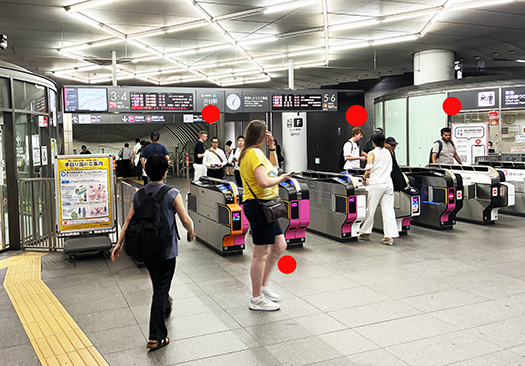
 写真はたまたま通りかかって、どこにも発見できなかった「渋谷・東急東横線」出入り口をようやく探し当てられたので写真に収めたものですが、私の印象では、海外からの旅行者や海外にルーツを持つように見受けられる人が以前よりずっと多く感じられた。外見だけの判断なので参考までですが、まぁ常態的にこれくらいの割合になっているようです。
 日本社会の少子高齢化、それと市場経済規模の維持拡大という「資本の論理」との合間で、このような状況が日本社会で露わになってきているのでしょうね。そのことが「底流」となっての政治経済社会の全状況が、現代ニッポンなのでしょう。ただし人口構成の変化そのものを善悪で語るのではなく、それを前提に社会制度や地域のあり方をどう設計していくかが、これからの課題なのでしょう。
 昨日渋谷区広尾の広域開発現場写真をアップしたら「それに引き換え、札幌すら含めた他の北海道などの地域の過疎地化ぶりは・・・」という意見が友人から寄せられていた。わたしとしては、札幌市民としてそこまでの感覚はなかったのですが、とくに北海道内の人口減少ぶりは先端的に進んでいることは事実。
 高齢化してきて自分自身のいのちとの対話がメインにはなってきますが、やはり孫子のことも合わせて考えれば、冷静に見て行かなければなりませんね。日本人の割合は日本社会全体では5-6割程度にまで下がっていく未来は、さてどのようなことが想定できるのか、沈思させられる。ほかの要因は変動するけれど、人口の要因はほぼ確実に未来に現出する事態。
 日本史では弥生期から仏教伝来期など大量の移住が繰り返されてきた。京都に残る太秦など、地名にもその痕跡が残っているけれど、その時代以上の「民族的ブレンディング」が起こっていく可能性が高い。そのことが底流要因になっていろいろな社会変容も起こっていったのでしょう。
 歴史に学びながら、行く末をデザインしていく必要があるのでしょうね。

●お知らせ
拙書「作家と住空間」幻冬舎から電子書籍で発刊
お求めはAmazonで。
https://amzn.asia/d/eUiv9yO

English version⬇

[Photo of the Shibuya “Tokyu Toyoko Line” entrance—are 4 out of 10 people foreigners?]
The conflict between Japan’s declining population and the need to maintain and develop its economy = the trend toward a multi-ethnic society. However, Japanese history also offers lessons from past experiences. We must learn from them. …

 Well, it’s been almost half a year since I was last in Tokyo, and as I’ve been walking around, I’ve noticed an overwhelming number of foreigners. With the weak yen, the cost of traveling to Japan and staying for extended periods has likely dropped significantly, so it’s probably like a “Japan Sale” right now. However, foreign workers are noticeable even in small restaurants and the like, so in terms of Tokyo’s “current population,” it’s likely becoming increasingly multicultural.
 The photo shows the “Shibuya Tokyu Toyoko Line” entrance that I finally managed to find after walking by several times without spotting it—I took the picture just because I happened to come across it. My impression is that there seem to be far more travelers from overseas and people who appear to have foreign roots than before. This is just based on appearances, so take it with a grain of salt, but it seems this proportion has become the norm.
 This situation is likely becoming increasingly apparent in Japanese society as it navigates the tension between its declining birthrate and aging population, on one hand, and the “logic of capital”—which demands maintaining and expanding the scale of the market economy—on the other. Modern Japan is defined by the overall political, economic, and social landscape shaped by this underlying current. However, rather than judging the demographic shift itself as good or bad, the challenge moving forward is how to design social systems and regional structures based on this new reality.
 Yesterday, when I posted photos of a large-scale development site in Hiroo, Shibuya Ward, a friend commented, “In contrast, look at the depopulation in other regions of Hokkaido, including even Sapporo…” As a resident of Sapporo, I hadn’t really felt that strongly about it, but it is true that population decline is progressing particularly rapidly within Hokkaido.
 As I grow older, my focus naturally shifts to reflecting on my own life, but when I also consider my grandchildren, I realize I must continue to observe these developments with a clear head. It gives me pause to contemplate what the future might hold as the proportion of Japanese people in Japanese society as a whole drops to around 50–60 percent. While other factors may fluctuate, the demographic shift is a reality that will almost certainly manifest in the future.
 Throughout Japanese history, from the Yayoi period to the introduction of Buddhism, large-scale migrations have occurred repeatedly. Traces of this can still be found in place names, such as Uzumasa in Kyoto, but it is highly likely that an even greater degree of “ethnic blending” than in those eras will occur. This likely served as an underlying factor that drove various social transformations.
We must design our future while learning from history.

● Announcement
My book, *Writers and Living Spaces*, has been published as an e-book by Gentosha.
Available on Amazon.
 

【AI利用の家系史探究&東京渋谷で広域開発現場発見】


 さて昨日、所用があって東京へ移動。東京の「広尾」地区を訪れる用件を終了後、歩いていたら目前に「広尾中学校複合施設(仮称)」という工事現場を通りかかっていた。
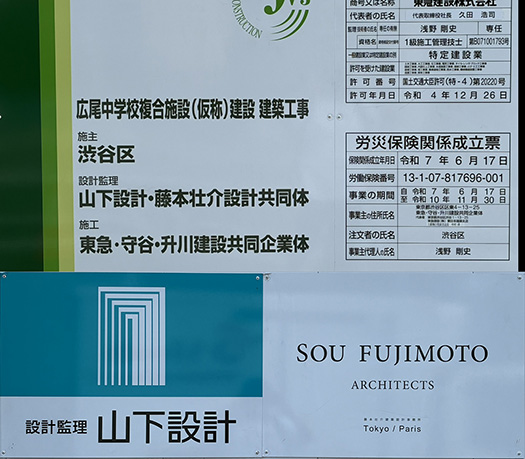
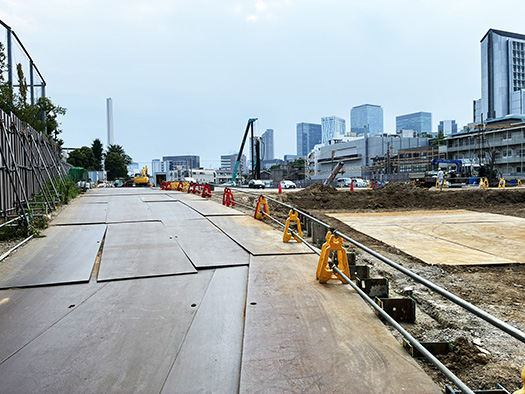
 建設会社は東急建設で、設計者名には「山下設計・藤本壮介設計共同体」ということ。工事の状況は2枚目の写真の通りですが、そこそこの広さがあるので、大型の建築が想定されるところ。広尾中学校という公共施設の建て替えだけでこういった有名設計事務所が関わることはないでしょうから、その公共用地と施設を核にしながら、ひとつの「タウン機能」を満たすような建築が想定されていると推察。
 まぁ、わたしは住宅オンリーのフィールドで生きてきた人間なので、大型のタウン造成工事などについての情報は門外漢ですが、ちょっとした「地縁」でもあるので、興味を持たされた。というか、こりゃぁ広尾が大きく再開発されて、渋谷地域の変貌がさらに巨大化するのでしょうね。
 この広尾から最寄りの恵比寿駅ではなく渋谷駅方向に下りて行ったのですが、そこから都心の宿泊地まで移動する地下鉄渋谷駅まで、学生時代からサラリーマン時代までの8年間ほど親しんでいた「渋谷」とはまったく思えないほどの地域変貌ぶり。とくにここ数年の変容ぶりにはほとんど迷子状態(笑)。どうも地域再開発のグランドデザインがまったく見られない。混沌がそのまま表出の大都会ぶり。
 ・・・というところですが、そういう道すがらでも昨日お伝えした、従兄弟同士での「家系史研究」対談をデータ化して、それを使ってまとめていくためのAIとのやり取りは同時並行。
 やはりこの時期の東京の温熱感はスゴいのでホテルに入ったら即爆睡後、やおら起き出してのやり取り。やはり「プロンプト」の書き方が決定的に重要ですね。簡単に「ハルシネーション」に落ち込ませずに、働かせるには「情報管理力」みたいなものが決定的なのだなぁと痛感させられる。
 しかしわたしなどの世代は、そもそもIT化の最先端変容の第1世代という経験知を経た存在である上に、いまはAI変容をも第1世代として受け止める存在。そういうなかでの「高齢化」なので、世代としての共通興味ゾーン「この世あの世」を強く意識する世代として、家系の情報の「デジタル的変化」にも取り組んでいかなければならない宿命。ふ〜む、これもこの時代を生きる者の因果応報なのかなぁ?

●お知らせ
拙書「作家と住空間」幻冬舎から電子書籍で発刊
お求めはAmazonで。
https://amzn.asia/d/eUiv9yO

English version⬇

[Exploring Family History with AI & Discovering a Large-Scale Development Site in Shibuya, Tokyo]
Walking through a rapidly changing metropolis while using AI to organize our family history. A construction site in Hiroo and a late-night conversation about family history at a hotel. Reimagining both the city and our memories…

 Well, yesterday I traveled to Tokyo on some business. After wrapping up my business in Tokyo’s “Hiroo” district, I was walking around when I happened to pass by a construction site labeled “Hiroo Junior High School Complex (tentative name).”
 The construction company is Tokyu Construction, and the design firm is listed as the “Yamashita Sekkei and Sou Fujimoto Design Consortium.” As shown in the second photo, the site is quite spacious, so it’s likely intended for a large-scale building. It’s unlikely that such renowned architectural firms would be involved just for the reconstruction of a public facility like Hiroo Junior High School, so I surmise that the plan is for a building that serves as a “town hub,” with the public land and facility at its core.
Well, since I’ve spent my entire career in the residential sector, I’m a complete outsider when it comes to large-scale urban development projects, but because I have a slight “local connection” to the area, it piqued my interest. Or rather, this probably means Hiroo is undergoing major redevelopment, which will further accelerate the transformation of the Shibuya area.
 From Hiroo, I headed down toward Shibuya Station rather than the nearest Ebisu Station, and the area’s transformation was so drastic that it was completely unrecognizable as the “Shibuya” I’d been familiar with for about eight years—from my student days through my time as a salaryman—all the way to Shibuya Subway Station, where I’d transfer to reach my downtown lodging. The changes over the past few years in particular have left me practically lost (laughs). It really feels like there’s no overarching master plan for the area’s redevelopment at all. It’s just a big city where chaos is on full display.
 …Anyway, even while walking along those streets, I was simultaneously working on digitizing the “family history research” conversation between my cousins that I mentioned yesterday, and using that data to compile my notes through interactions with AI.
 As expected, the heat in Tokyo at this time of year is intense, so as soon as I got to the hotel, I fell into a deep sleep, then woke up slowly to continue the work. It really drives home how critically important the way you write “prompts” is. I’m keenly aware that “information management skills”—or something like that—are essential for keeping the AI working effectively without letting it slip into “hallucinations” too easily.
 However, people of my generation have not only experienced the first wave of cutting-edge IT transformation firsthand but are now also the first generation to embrace the transformation brought by AI. Given that we’re “aging” in this context—as a generation strongly conscious of our shared interest in “this world and the next”—we’re destined to tackle the “digital transformation” of our family history. Hmm, I wonder if this is just karma for those of us living in this era?

● Announcement
My book, *Writers and Living Spaces*, has been published as an e-book by Gentosha.
Available on Amazon.

【最新i-OSとMacで4時間超の家系史対談を文書まとめへ】


 昨日は家系の従兄弟と次兄との3人で「わが家系史」探索の対談をしておりました。
 従兄弟は父の兄の子で、わたしと次兄は父の子。家系史を探るのにも、こういう「立場」の違いによる認識の相違が発生してくる。そしてそれぞれ独自に家系探査してきているので、こうした情報交換によって、格差・相違を埋め合わせたいと思ったのです。
 事実、わたしよりも12歳年長の従兄弟はその「母系」が醸成する地域社会からの情報が非常に大きい興味領域を占めていることが話していて伝わってきた。わたしたち兄弟はそういう社会とは距離を持って生きた父の生き方に沿って見てきていたので、それは非常に新鮮だった。要するに父を超えて祖父の生き様の実相、異なる見方が伝わってきた次第。父の代の兄弟でもものごとのとらえ方、祖父の事跡への解釈の仕方が「枝分かれ」していることが、実感された次第。
 そういうことなので、興味を持っている地域性・地域社会の擦り合わせがアタマのなかで高速で「仕分け・理解」しながらの対談内容。正直、従兄弟の発する地名・人名の名詞自体に対しての仕分けがまったく追いつかないのですね。
 また同時に当方からの探究の疑問点は、従兄弟も「初めて聞いた」みたいな反応が大きかったりした。・・・そういうことでなかなかに「スリリング」な展開(笑)。
 で、親戚らしく従兄弟の家に着いたらすぐに対談が始まったので、iPhoneの「ボイスメモ」を起動させたのも開始から30分程度経過後。そこから4時間超の対談記録を録音。
 さすがに昨日は疲れたので帰宅後バタンキュー。本日早朝に「整理整頓」作業に取り組んで、ボイスメモからの「文字起こし」を行った。iOSの進化ぶりはAI活用を受けて隔世の感。4時間超の対談記録があっという間に65,000字程度にテキスト化できた。
 そこからの対談内容の整理整頓(だれがしゃべった内容かの仕分けと地名・人名の「系統付け」など)もAIを活用することで、道筋がハッキリしてきた。
 いまはAIに整理作業させているところですが、AIからはやや「忖度」気味に「地域史・家族史の一次資料として十分」というような返答が帰ってきている。こういう対談についての、AI活用のひとつのテストケースにもと考えています。
 AIによる架空の事実を正しいかのように自信満々に出力してしまう現象〜ハルシネーションに気を付けて進行させたいと思います。さて・・・。

<写真は熊本県の国宝「通潤橋」の放水シーン>

●お知らせ
拙書「作家と住空間」幻冬舎から電子書籍で発刊
お求めはAmazonで。
https://amzn.asia/d/eUiv9yO

English version⬇

[Compiling a 4-Hour-Plus Family History Discussion on the Latest iOS and Mac into a Document]
Even among close cousins, there are differences in perspective regarding family history. Aligning our respective areas of interest. Promoting mutual understanding and integrating our perspectives. …

 Yesterday, the three of us—my cousin on my father’s side, my second oldest brother, and I—had a conversation exploring “our family history.”
My cousin is the son of my father’s older brother, while my second oldest brother and I are my father’s sons. Even when researching family history, differences in perspective arise due to these differing “positions.” Since each of us has been conducting our own family history research, I wanted to bridge the gaps and differences through this exchange of information.
 In fact, as we talked, it became clear that my cousin—who is 12 years older than me—is deeply interested in information derived from the local community shaped by his “maternal lineage.” Since my brother and I had viewed things through the lens of our father’s lifestyle—which kept him at a distance from that kind of community—this perspective was very refreshing. In short, I gained a different perspective on the true nature of my grandfather’s life, one that went beyond my father’s view. I truly came to realize that even among my father’s siblings, their ways of perceiving things and interpreting my grandfather’s deeds had “branched off” in different directions.
 Because of this, our conversation unfolded as I rapidly “sorted and understood” the regional characteristics and local communities I was interested in, all while the discussion was taking place. To be honest, I simply couldn’t keep up with sorting through all the place names and people’s names my cousin was mentioning.
 At the same time, when I asked probing questions, my cousin often reacted as if he were hearing the answers for the first time. …So, it turned out to be quite a “thrilling” exchange (laughs).
 As is typical among relatives, the conversation started the moment we arrived at my cousin’s house, so I didn’t launch the “Voice Memos” app on my iPhone until about 30 minutes into the conversation. From there, I recorded over four hours of our conversation.
 I was understandably exhausted yesterday, so I crashed as soon as I got home. Early this morning, I got to work “organizing” the recording and transcribed the Voice Memos. Thanks to AI, iOS has evolved so much that it feels like a world of difference. The over four-hour conversation was transcribed into about 65,000 characters in the blink of an eye.
 By using AI to organize the content of the conversation—such as sorting who said what and categorizing place names and people’s names—the structure has become much clearer.
I’m currently having the AI handle the organization, and it’s responding with a slightly “overly accommodating” tone, suggesting that the recording is “sufficient as primary source material for local and family history.” I view this as a test case for using AI with this type of conversation.
 I want to proceed while being careful to avoid the phenomenon where AI confidently outputs fictional facts as if they were true—a phenomenon known as “hallucination.” Well then…

● Announcement
My book, “Writers and Living Spaces,” has been published as an e-book by Gentosha.
Available on Amazon.

【1588年滅亡の筑後「草野氏」史を伝承する地域性】


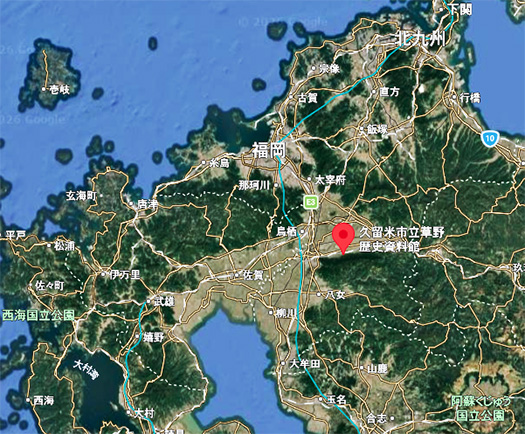
 九州福岡県の久留米の家と縁づいたことで、その地を巡った旅路。歴史・地理の社会科系が大好きな性格ですので、それを機会に仕事の一線から離れたこともあって、九州全県巡りをしました。
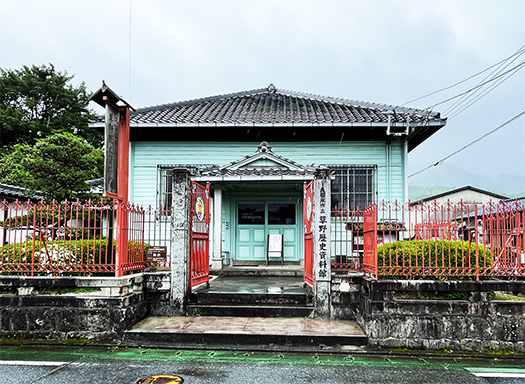
 で、その肝心の久留米をあちこち回って訪れてみたのが、この「草野歴史資料館」。
 住所名に「久留米市草野町」といまもその氏族名が残っているわけですが、学ばせていただいたところ、この氏族は1164年にこの地域に根付いて、豊臣秀吉の九州攻めに際して1588年に敗亡している。この地に深く関係したのが425年間で、滅亡してから438年経過している地域豪族。
 北海道人的な感覚からすると、まことにはるかなる世界。
 そういう歴史的存在に対してこの地域としては「歴史資料館」を建設してその情報を「鎮護」している。そのことがちょっと実感を持てない。やはり九州、その人間活動の歴史蓄積に驚く。
 この中世豪族・草野氏の要約は以下。
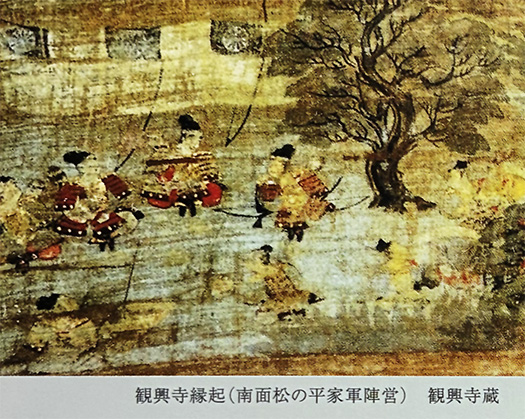
 〜筑後草野氏は、1164(長寛2)年に肥前高木より筑後吉木に入国してから始まる。源平争乱(1180-1190年)に際してはいち早く筑後平野を見晴らす高良山で兵を挙げ「竹野合戦」で平家軍を破ってから各地を転戦し源氏方の勝利に貢献した。その功により1186(文治2)年、源頼朝の推挙により筑後国在国司・押領使職に補任されて以来、当国に確固たる地位を獲得し。
 文永弘安の役(1274~82)に際して、草野永綱・経永父子は、神代良忠や西牟田弥次郎ら筑後の諸士とともに果敢に戦い侵攻した蒙古軍を撃退した。また南北朝期には南朝の征西将軍・宮良親王、菊池武光の下で活躍し、1361(正平16)年九州征西府の掛立に貢献。
 室町~戦国時代にあっては九州の覇権をめぐる豊後の大友、肥前の龍造寺、薩摩の島津らによる争いに翻弄されながら一族の存亡をかけて戦ったが、豊臣秀吉による九州国割後の1585(天正16)年、肥後南関において、肥後一揆鎖圧軍蜂須賀家政によって誘殺され、約425年間の歴史を閉じた。〜
 ・・・阿倍比羅夫の遠征や奥州藤原氏の北方交易などの断片的な歴史事跡しか持っていない北海道人としては、こういう時代の事実関係の資料などが積層していることに、さらにそれも滅亡した氏族の痕跡が残り続けていることに驚嘆。ワクワクさせられる北の旅人。
 日本史の奥行き、民族史の深さに朦朧としながら、鮮烈さに目が覚める思いであります。

●お知らせ
拙書「作家と住空間」幻冬舎から電子書籍で発刊
お求めはAmazonで。
https://amzn.asia/d/eUiv9yO

English version⬇

[Regional Traditions Preserving the History of the Chikugo “Kusano Clan,” Which Fell in 1588]
I was just casually looking around, but I was overwhelmed by the fact that this region still preserves such a wealth of historical records about a medieval powerful clan that fell 438 years ago. …

 A journey through the region of Kurume in Fukuoka Prefecture, Kyushu, sparked by my connection to a family there. Since I’ve always loved social studies—especially history and geography—I took this opportunity to step away from the front lines of my work and tour every prefecture in Kyushu.
So, after exploring various parts of Kurume itself, I visited this “Kusano Historical Museum.”
 The address “Kusano-cho, Kurume City” still bears the name of this clan, and from what I learned, this clan took root in the area in 1164 but was defeated and wiped out in 1588 during Toyotomi Hideyoshi’s campaign to conquer Kyushu. They were a regional clan deeply connected to this land for 425 years, and 438 years have passed since their demise.
 From a Hokkaido resident’s perspective, this feels like a truly distant world.
 In response to such a historical presence, the region has built a “History Museum” to “preserve” this information. I find it a bit hard to truly grasp the significance of that. As expected of Kyushu—I’m amazed by the accumulated history of human activity here.
 Here is a summary of the Kusano clan, a medieval regional clan:
 ~ The history of the Chikugo Kusano clan began in 1164 (Chōkan 2) when they entered Chikugo Yoshiki from Hizen Takagi. During the Genpei War (1180–1190), they were among the first to raise an army on Mount Kōra, which overlooks the Chikugo Plain. After defeating the Taira forces at the Battle of Takeno, they fought in various locations and contributed to the Minamoto clan’s victory. In recognition of these achievements, in 1186 (Bunji 2), upon the recommendation of Minamoto no Yoritomo, he was appointed Governor and Military Commissioner of Chikugo Province, thereby securing a firm position in the province.
 During the Bun’ei–Kōan Campaigns (1274–82), the Kusano father-and-son duo, Nagatsuna and Tsunehisa, fought valiantly alongside Chikugo warriors such as Kamidai Yoshitada and Nishimuta Yajirō to repel the invading Mongol forces. Furthermore, during the Nanboku-chō period, they played an active role under Prince Miyara, the Seishi Shōgun of the Southern Court, and Kikuchi Takemitsu, contributing to the establishment of the Kyushu Seishi-fu in 1361 (Shōhei 16).
During the Muromachi and Sengoku periods, while caught in the turmoil of conflicts over hegemony in Kyushu—including the Ōtomo clan of Bungo, the Ryūzōji clan of Hizen, and the Shimazu of Satsuma over hegemony in Kyushu. He fought for the survival of his clan, but in 1585 (Tenshō 16), following Toyotomi Hideyoshi’s redistribution of Kyushu, he was lured and killed at Nankan in Higo by Hachisuka Iemasa, a commander of the forces suppressing the Higo Uprising, bringing an end to a history spanning approximately 425 years. ~
 …As a Hokkaido native who is familiar only with fragmentary historical events—such as Abe no Hirafu’s expedition and the northern trade of the Oshu Fujiwara clan—I am amazed by the wealth of historical records documenting the facts of this era, and even more so by the enduring traces left behind by this extinct clan. It’s thrilling for a traveler in the North.
While I am somewhat dazed by the depth of Japanese history and the richness of ethnic history, I am also awakened by its vivid intensity.

● Announcement
My book, *Writers and Living Spaces*, has been published as an e-book by Gentosha.
Available on Amazon.
 

【松本清張の住空間の無念から小倉城庭園で癒される】


 わたしは司馬遼太郎という多作な作家の著作群に耽溺していた人間で、ほぼ同時代的な活躍時期だった松本清張さんについては、あまり強い興味を持っていませんでした。しかし「点と線」などの作品のひきこまれるような創作法の素晴らしさについては、強い印象を持っています。
 だからこそ、その住空間との「対話ぶり」を実体感したかったと言えるでしょう。
 これまで多くの作家の息づかいの残る住空間を体験してきて、そこからその人間について、いわば「会ってきた」印象が加わって、自分の中でその作家に対してのイメージが再構築される、そういう心象部分に数寄を感じているのですね。
 今回の機会は九州全周12日間の夫婦の旅路でのこと。スケジュール的な問題もあったので、制約のある参観条件からは、やむなしと納めざるを得なかったということ。いまは、各種資料を見返しながら「追体験」型の参観を継続してきています。図録資料をくくりながら思い返してきている。やはり作家と読者との「対話感」は継続できている。
 松本清張さんの仕事部屋、住空間についての写真は複数点、記念館の図録には紹介されていた。ただし、その図録も引用制限されている。これもまぁやむなし、でありますが・・・。
 ということで、建築的な取材は現地では断念したワケですが、今後書斎とMac環境で可能な限りリベンジして行きたい(笑)と考えております。
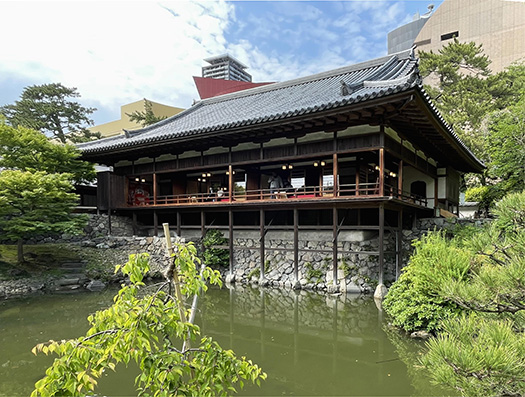
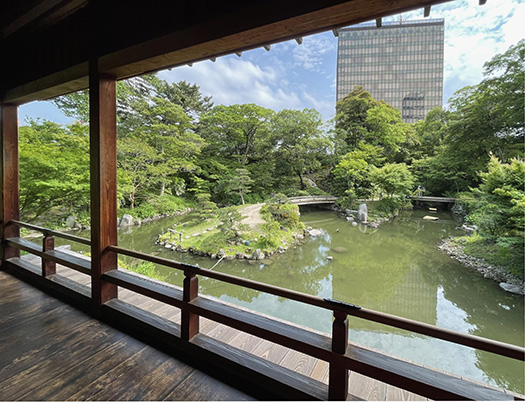
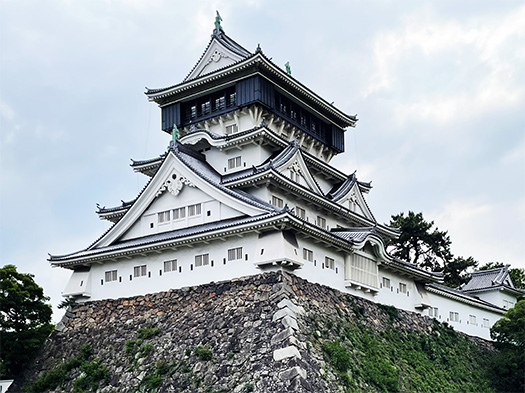
 そういう無念をすこし癒やしてくれたのが、写真の小倉城庭園のみごとな建築。
 日本人の住宅建築の数寄のなかで庭園は大きな意識の領域を占めているのでしょう。とくにながく人の暮らし・人跡が積層している本州以南地域では、人為的に操作された自然環境鑑賞「技法」が、大名庭園というカタチで遺されてきている。対して、ちょっと街を歩いただけでも太古以来の蝦夷地の自然環境が迫ってくる北海道人には、こういう「箱庭」感は同意しにくい。ですが、松本清張さんの住宅参観での残念無念感からは「それは悲しかったね、よかったらこういう大名庭園の良さも感じて」みたいな呼び声を感じた(笑)。
 全国のこういった庭園美には、ふーむ、とエトランゼ感いっぱいで「見るだけ」だったのですが、こういう経緯を経てくると、少しだけ癒やされる部分がありました。言ってみれば人為的な都合に遮られた「見る権利・視覚体験」が慰められた、といったところ。ややこころに平安。

●お知らせ
拙書「作家と住空間」幻冬舎から電子書籍で発刊
お求めはAmazonで。
https://amzn.asia/d/eUiv9yO

English version⬇

[Finding Solace in the Ogura Castle Gardens After Feeling a Sense of Regret About Seicho Matsumoto’s Living Spaces]
A sense of regret regarding the author and his living spaces. The scenery of the daimyo garden right next door seemed to comfort me, as if to say, “Even though it’s just a miniature garden like this, let your heart rest a little.” …

 I was someone who was completely absorbed in the works of the prolific author Ryotaro Shiba, and I didn’t have much interest in Seicho Matsumoto, who was active during roughly the same era. However, I was deeply impressed by the brilliance of his captivating writing style, as seen in works such as *Points and Lines*.
That is precisely why I wanted to experience firsthand the “dialogue” between him and his living space.
 Having experienced the living spaces of many writers where their very breath still lingers, I find a certain “suki” in that emotional aspect—where the impression of having, so to speak, “met” the person adds to my understanding, leading me to reconstruct my image of the writer within myself.
 This opportunity arose during a 12-day trip my wife and I took around Kyushu. Due to scheduling issues, we had to accept the limited viewing conditions as unavoidable. Now, I’m continuing a sort of “re-experience” of the visit by reviewing various materials. I’ve been reflecting on it while going through the exhibition catalog. Indeed, that sense of “dialogue” between the author and the reader continues.
 The museum catalog featured several photographs of Seicho Matsumoto’s study and living spaces. However, even that catalog is subject to citation restrictions. Well, I suppose that’s unavoidable, but…
So, while I had to give up on architectural research on-site, I’m thinking of making up for it as much as possible in the future from my study and on my Mac (laughs).
 What helped soothe that sense of regret, at least a little, was the magnificent architecture of the Kokura Castle Gardens captured in the photos.
 Within the Japanese aesthetic sensibility of residential architecture, gardens likely occupy a significant place in people’s consciousness. Especially in regions south of Honshu, where human life and traces of human activity have accumulated over a long history, “techniques” for appreciating artificially manipulated natural environments have been preserved in the form of daimyo gardens. In contrast, for us Hokkaido residents—who feel the natural environment of Ezo, dating back to ancient times, closing in on us even with just a brief stroll through town—it’s hard to relate to this “miniature garden” aesthetic. However, from the sense of regret and disappointment I felt during my tour of Seicho Matsumoto’s home, I sensed a voice calling out to me, saying, “That must have been sad. If you’d like, why not try to appreciate the beauty of these daimyo gardens too?” (lol).
 When it came to the beauty of such gardens across the country, I used to just “look” at them with a sense of being an outsider, thinking, “Hmm…” But having gone through this experience, I found a small measure of solace. You could say that my “right to see” and “visual experience”—which had been obstructed by human convenience—were finally consoled. I felt a slight sense of peace.

● Announcement
My book, *Writers and Living Spaces*, has been published as an e-book by Gentosha.
Available on Amazon.

【松本清張記念館でかれの住空間と断片的すぎる遭遇】


 作家(創造者)と住空間というテーマ領域はわたしのなかで強い興味分野。
 わたし的には手塚治虫や石ノ森章太郎、赤塚不二夫、藤子不二雄などのマンガ家たちと、埴谷雄高、司馬遼太郎などの文学者たちの世界の、中間からややマンガ家寄りなのかと自分では思っています。で、子どもたちとか孫たちの年代になってくると,マンガからさらにゲームの世界になっているのでしょう。それらと文学を同列に扱うなというような声が聞こえてくるかも知れないけれど、いわゆる「人間の想像力」をベースにした仮想現実呈示を主な領域とする文化ゾーンというとらえ方に従っているつもり。
 AIについても、そのような想像力・仮想現実創造という領域世界でいろいろ活用できるだろうと思っていますが、やはりAIは「まとめる」能力は高いだろうけれど、人間の基本的な「投企」行動意欲がそこに随伴している「創造性」というものは基本的に「無関係」なのではないかと思えています。「秘書・編集者」的な随伴者として利用したいと思っているのですが、相性はあまり、であります。使い方なんでしょうが。
 ・・・おっと、松本清張記念館探訪ブログだった。
 非常に興味深い展示内容で、またかれの東京杉並・高井戸の住宅の一部が再現されていたので、興味ワクワクだったのですが、写真撮影は基本的に禁止だったので、ひたすら脳細胞に叩き込む一択。
 とくに人間の空間記憶というのは、自分自身が興味を強く刺激された住宅部位について、その興味の中身をなんどか追体験しながらその住み手の心情に自分自身を同期させて「湧き上がって」くるものだと思う。
 そういう意味で、その痕跡が残せないのでは、なかなか空間印象は整理統合するのが難しい。とくに仕事部屋などでの採光条件や参考図書類の書棚収納などとの配置関係、創造のプロセスとの相関関係を、作家の作品文章世界の残像と「照合」させていくことは、写真イメージが不可欠なのですね。
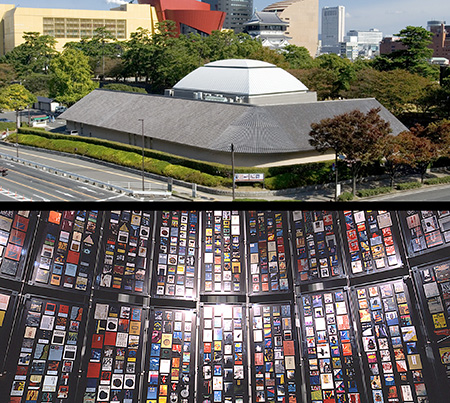
 写真は同記念館のHPに掲載のトップページ。外観と、館内で唯一「記念撮影許諾」されていた展示入口。かれの作品書籍表紙の集合写真が飾られた壁面の様子。まぁこれだけでは「隔靴掻痒」感ハンパない。
 ということで、遠隔地から訪ねて松本清張さんの住空間と対話するのはちょっとムリと判断した次第。まぁしかし、仕方ないですね。そこまでの親和感は持っていないので。やむなし。

●お知らせ
拙書「作家と住空間」幻冬舎から電子書籍で発刊
お求めはAmazonで。
https://amzn.asia/d/eUiv9yO

English version⬇

[A Fleeting Encounter with His Living Space at the Seicho Matsumoto Memorial Museum]
A living space is something that only “emerges” after repeatedly mulling over the “points of interest” that manifest in the choice of themes and angles in photographs. What a pity. …

 The thematic area of “creators” and “living spaces” is a subject that deeply interests me.
 Personally, I see myself as occupying a space somewhere between the worlds of manga artists like Osamu Tezuka, Shotaro Ishinomaki, Fujio Akatsuka, and Fujiko Fujio, and literary figures like Yutaka Haniya and Ryotaro Shiba—perhaps leaning slightly more toward the manga artists. Now, for children and grandchildren of this generation, the world has shifted from manga to video games. I can already hear voices saying, “Don’t put those on the same level as literature,” but I intend to adhere to the perspective that this is a cultural zone primarily focused on presenting virtual reality based on what is commonly referred to as “human imagination.”
 As for AI, I believe it can be utilized in various ways within this realm of imagination and virtual reality creation. However, while AI likely excels at “organizing” information, I suspect that the “creativity” inherent in humans’ fundamental drive to “conceive and project” ideas is fundamentally “unrelated” to it. I’d like to use it as a “secretary or editor”-type assistant, but the compatibility isn’t great. I suppose it just comes down to how you use it.
 …Oh, right—this was supposed to be a blog post about my visit to the Seicho Matsumoto Memorial Museum.
The exhibits were incredibly fascinating, and since part of his home in Takaido, Suginami, Tokyo, had been recreated, I was absolutely thrilled. However, photography was generally prohibited, so my only option was to hammer the details into my brain.
 In particular, I believe that human spatial memory “wells up” when, regarding parts of a residence that strongly piqued my interest, I repeatedly relive the essence of that interest while synchronizing my own feelings with those of the resident.
 In that sense, if I can’t leave any traces behind, it’s quite difficult to organize and integrate my impressions of the space. In particular, when “cross-referencing” the lighting conditions in a workroom, the layout of reference materials and document shelves, and their relationship to the creative process with the afterimages of the author’s literary world, photographic images are indispensable.
 The photos are from the homepage of the memorial museum’s website: the exterior and the entrance to the exhibition—the only place inside where “commemorative photos” were permitted. It shows a wall decorated with a group photo of the covers of his books. Well, just looking at this leaves me with an overwhelming sense of frustration—it’s like “scratching an itch through a shoe.”
So, I’ve concluded that trying to engage with Seicho Matsumoto’s living space from a distance is a bit of a stretch. Oh well, it can’t be helped. I don’t feel that strong of a connection to him anyway. It can’t be helped.

● Announcement
My book, *Writers and Their Living Spaces*, has been published as an e-book by Gentosha.
Available on Amazon.

Translated with DeepL.com (free version)


【北九州小倉城でオモシロ人形展示に癒やされる】


 北海道には函館、松前の2箇所、道南にしか城郭建築はありません。明治期以前は開拓入植がされていなかった地域なので当然ですが、日本人としての「共有文化」意識としては、やや無念だなぁとも思えます。たぶんその代替として道庁赤煉瓦庁舎はあるのでしょう。権力機構の象徴性。
 一方、豊かな歴史を持っている全国の地域では当然ながら、地域の観光の中核として城塞見物がある。歴史好きならば、まぁどっかに行けば必ず「お城見物」が定番コース。ただ、そういう観光客に対しての情報提供面ではどうも似たり寄ったりの展示内容で、やや平板な印象。
 そんなイメージを持ってこの福岡県北九州市の小倉城の内観展示を見せていただいていた。
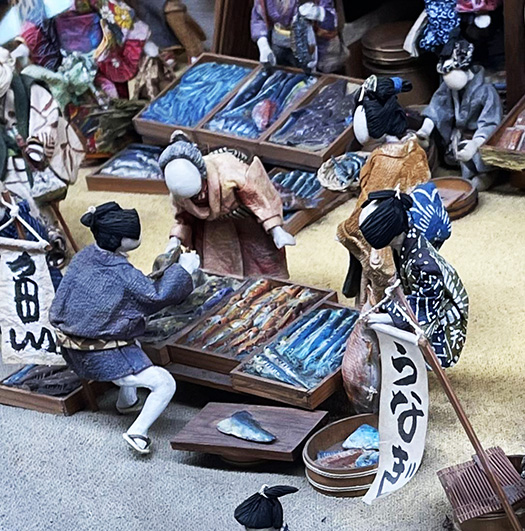
 ここでは「城下の街の風景」をジオラマとして、人形に「生活文化」を託してそこでの暮らしの様子を展示してくれていた。文字や写真での展示が一般的な中で、庶民の生き様が肉感を持って伝わってきていた。わたしはマンガ世代なので、こういうわかりやすさとユーモア感覚が大好きであります。
 とくにお魚を捌いたりするのが趣味なので、「お、江戸時代の小倉の城下では、こんな魚が水揚げされていたのか」と興味津々で食欲までも刺激されていた(笑)。魚屋の女将さんとおぼしき高齢の女性が買い手の男性とやり取りしている様など、オモシロく生活の実相がうかがえていた。隣には大きな魚の「開き」をぶら下げている人物もいる。いや「デカいですね」という印象。
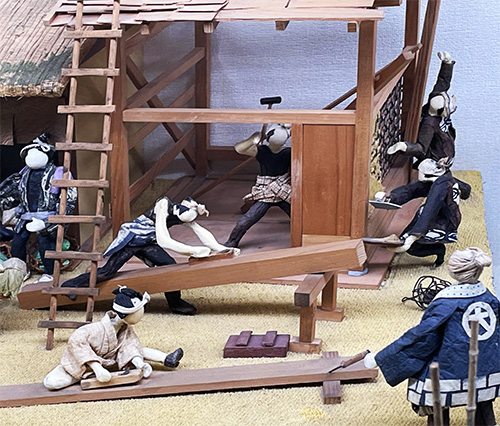
 また、この商店街の一角では店舗建築を造作工事している大工さんと棟梁が忙しそうに働いている洋も。商機を逃したくない建築発注者からの矢の催促を受けて、柱や壁材のカンナ掛け・構造造作工事と壁の木舞に向かって塗り職人の真っ最中ぶりが同時進行している。工務店の「◎◎組」という一般的な組織名称のいわれ、雰囲気が視覚的に表現されている。こういった生き生きとした現場作業風景自体が、大工工事・建築への視覚的メッセージにもなっていたことだろう。
 やはり定番的な展示の仕方の中でも、こういったジオラマ人形形式のわかりやすさ、親しみやすさは圧倒的。暮らしの実相についての想像力を大いに刺激されていた。

●お知らせ
拙書「作家と住空間」幻冬舎から電子書籍で発刊
お求めはAmazonで。
https://amzn.asia/d/eUiv9yO

English version⬇

[Find Solace in the Fun Doll Display at Kitakyushu Kokura Castle]
In the exhibition area dedicated to castle architecture as a symbol of power, there’s a diorama featuring easy-to-understand, manga-style dolls. The realism is so compelling, you can’t help but be drawn in…

 In Hokkaido, there are only two locations—Hakodate and Matsumae—and castle architecture is found exclusively in the southern part of the prefecture. Since this region wasn’t settled until after the Meiji period, this is to be expected, but from the perspective of a “shared culture” among Japanese people, I can’t help but feel a bit disappointed. Perhaps the Hokkaido Government’s red-brick building serves as a substitute for this—a symbol of the institutions of power.
 On the other hand, in regions across the country with rich histories, castle tours naturally serve as the core of local tourism. For history buffs, “visiting a castle” is practically a standard part of any trip. However, when it comes to providing information for these tourists, the exhibits tend to be rather similar, leaving a somewhat flat impression.
It was with this image in mind that I visited the interior exhibition at Kokura Castle in Kitakyushu City, Fukuoka Prefecture.
 Here, they presented “scenes of the castle town” as dioramas, using figurines to depict “everyday culture” and show what life was like there. While text and photos are the norm for such exhibits, the way ordinary people lived came across with a tangible sense of realism. As someone from the manga generation, I absolutely love this kind of accessibility and sense of humor.
 Since filleting fish is one of my hobbies, I was fascinated—thinking, “Oh, so this is the kind of fish that was landed in Kokura’s castle town during the Edo period”—and it even whetted my appetite (laughs). Scenes like an elderly woman—presumably the fishmonger—interacting with a male customer offered an entertaining glimpse into the realities of daily life. Next to her was a figure hanging a large, split fish. My immediate reaction was, “Wow, that’s huge.”
 In another corner of this shopping district, carpenters and a foreman were busily working on the construction of a storefront. Faced with urgent demands from the client—who didn’t want to miss out on business opportunities—they were simultaneously planing pillars and wall materials, carrying out structural carpentry work, and applying plaster to the wooden wall framework. The origin of the generic organizational name “◎◎-gumi” for the construction company, along with its atmosphere, was visually conveyed. These lively scenes of on-site work likely served as a visual message about carpentry and construction in and of themselves.
Even among standard exhibition methods, the clarity and approachability of this diorama-style display are truly overwhelming. It greatly stimulated my imagination regarding the realities of daily life.

● Announcement
My book, “Writers and Living Spaces,” has been published as an e-book by Gentosha.
Available on Amazon. 

【くずし字書簡に「眼光紙背」を念じて、牛歩対話の日々】


 ことし5月に長兄の本家でなにげに発見の古文書。ひとつは江戸期1803年時点の東広島市河内町入野の地域史とも関わる内容だったので、広島県立文書館に訪問し解析をお願いして、無事に公的な解析結果が判明した。江戸後期の地域社会のひとつの実相記録としてアーカイブされた次第。
 一方、1905年日本専売公社によって国内での塩業が国家独占とされたことによって、わが家系は江戸期からの広島県福山市松永で生産される塩の生産流通管理事業の存立基盤を喪失した。この経緯の中でどのような国家独占側との交渉などの経緯があったかは不明だけれど、このプロセスを当主として実体験したわたしの祖父は、そこから北海道へと拠点を移動させてきた。
 その時期の消息を発掘するのに、江戸末期に縁戚関係を結んでビジネス的にも強固な関係であった岡山県井原市の「庄屋」家である岸岩太郎氏からの「書簡」が2通発見されたのだ。が、こちらについては地域社会との関わりより、やはり家系史の資料と判断できたので、個人としてその解析作業に向き合うこととした。
 親族のなかの書の知識もある長老に意見も求め、書簡のコピーを渡してみたけれど「これはさっぱり・・・」との回答で、困難な局面に立ち至っていた。
 「古文書解析」について民間で請け負うサービスはWEBなどで発見されるけれど、その解析結果の信憑性ではイマイチと思えるし、さらに親族の背景事情について詳細に情報を共有させなければ、到底不可能だと思われた。結果2ヶ月以上、古文書とにらめっこしてきていた。
 祖父の性格までわきまえた親族でなければ,手紙のやり取りでの「息づかい」の部分までは判読できないということがわかってくる。牛歩のような日々を過ごしてきたのですが、TOPPANの開発した古文書解析環境「古文書カメラ〜ふみのは」なども活用し、徐々に実相が浮かび上がってきている。
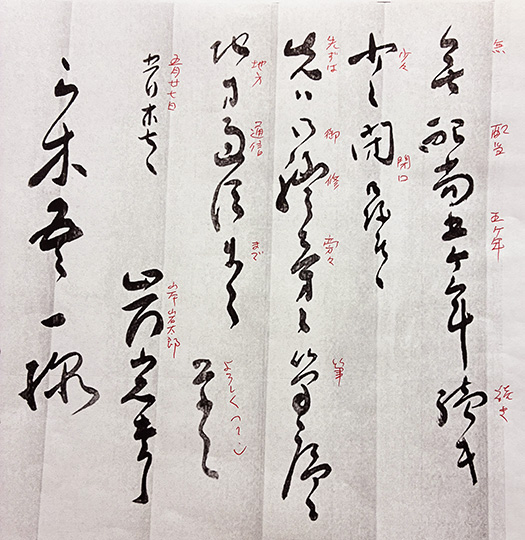
 結局は正面から向き合って、徐々に判読できてくるくずし字の単語の積層から文意を掴んでいくしかない。  昭和元年時点の社会動向も踏まえると、上の写真部分(赤字は判断結果)でも戦前期の「資本家層」と思える差出人・岸岩太郎さんのため息が聞こえてくる。
 「無配当」が「5年も続いていて少々閉口」している実感が見えてくる。
 先日、歴史家の磯田道史さんがテレビ番組で語っていましたが、くずし字判読についてはやはりその文章と正面から向き合うしかないのですね。ふ〜む、辛抱強く頑張るしかありません。

●お知らせ
拙書「作家と住空間」幻冬舎から電子書籍で発刊
お求めはAmazonで。
https://amzn.asia/d/eUiv9yO

English version⬇

[Days of Slow-Moving Dialogue, Meditating on “Gankō Shihai” While Deciphering Letters Written in Cursive Script]
As demonstrated by TOPPAN’s development of the “Ancient Document Camera—Fuminoha,” there is a market for deciphering ancient documents. The potential for new business areas in an aging society. …

 In May of this year, I casually discovered some old documents at my eldest brother’s family home. One of them contained information related to the local history of Irino in Kawachi-cho, Higashi-Hiroshima City, dating back to 1803 during the Edo period. I visited the Hiroshima Prefectural Archives to request an analysis, and the official results were successfully determined. It has now been archived as a record of the reality of a local community during the late Edo period.
 Meanwhile, in 1905, when the Japan Monopoly Corporation established a state monopoly on the domestic salt industry, my family lost the foundation for our business—the production and distribution of salt in Matsunaga, Fukuyama City, Hiroshima Prefecture, which had been in operation since the Edo period. Although the details of any negotiations with the state monopoly at that time remain unclear, my grandfather, who experienced this process firsthand as the head of the family, subsequently relocated the family’s base of operations to Hokkaido.
 In my efforts to uncover information from that period, I discovered two “letters” from Mr. Iwataro Kishi of the “Shōya” family in Ibara City, Okayama Prefecture—a family with whom we had formed kinship ties in the late Edo period and maintained strong business relations. However, since these letters were more relevant to our family history than to our ties with the local community, I decided to undertake their analysis on my own.
 I sought the opinion of an elder relative who was knowledgeable about calligraphy and gave him copies of the letters, but his response was, “I’m completely lost…,” leaving me at an impasse.
 While private services for “historical document analysis” can be found online, I found the reliability of their results to be lacking; moreover, I felt it would be impossible without sharing detailed information about our family’s background. As a result, I’ve been poring over these ancient documents for over two months.
 I’ve come to realize that unless you’re a relative who truly understands my grandfather’s personality, it’s impossible to decipher the “subtle nuances” in the correspondence. It’s been a painstakingly slow process, but by utilizing tools like “Fumino-ha,” an ancient document analysis environment developed by TOPPAN, the true nature of the letters is gradually coming into focus.
 Ultimately, there’s no choice but to face the text head-on and grasp the meaning of the text layer by layer as I gradually decipher the words written in cursive script. Considering the social trends at the start of the Showa era, even in the portion of the photo above (the red text indicates the analysis results), I can almost hear the sigh of the sender, Iwataro Kishi—who appears to have been part of the pre-war “capitalist class.”
You can sense his genuine frustration that “no dividends” have “continued for five years, which is a bit of a headache.”
 As historian Michifumi Isoda mentioned on a TV program the other day, when it comes to deciphering cursive script, there really is no choice but to confront the text head-on. Hmm, I guess I’ll just have to be patient and keep at it.

● Announcement
My book, *Writers and Living Spaces*, has been published as an e-book by Gentosha.
Available on Amazon.