
みなさん「経塚」ってご存知でしょうか?
地域住宅雑誌を東北でも発行するようになって、各地を取材行脚する中でわかってきた過去の人びとの「精神性」に深く関わる「遺物・遺跡」です。AI による概要解説は以下:経塚(きょうづか)とは、平安時代中期から末法思想(1052年〜)に基づき、経典を後世や未来の弥勒菩薩へ残すため、経筒などに納めて地中に埋め、小規模な塚を築いた仏教遺跡。〜というもの。
わたしのブログでは過去数回、取り上げてきています。
【奥州藤原氏、北海道厚真で「経塚」造営】
【平泉独立政権と北海道島】
【国宝建築 白水阿弥陀堂】
などで全部で7記事。なかでは下の記事が最も古く2007年11/30でもう19年も前。
北海道で生まれ育った人間は、新開地らしくいわば「伝統的思考」から縁遠い部分があって、東北などの歴史についてその場所に行ってはじめて知らされる体験を重ねておりました。
末法思想という日本民族の精神史においてきわめて重要な思想も教科書的な知見しかなく、いわば実地で知るようになった次第なのです。ただ、東北各地を巡るうちに奥州藤原氏が対北海道の交易に深く関与した状況に思いが至らされていた。とくに2番目の記事では 〜斉藤利男 弘前大教授のまとめ 独立政権と北方支配〜栄華を支えた蝦夷ヶ島〜として、先生が著作「平泉」で触れられた北海道との関係に触れてきています。
こういったことから北海道厚真での現地探訪なども行っておりました。
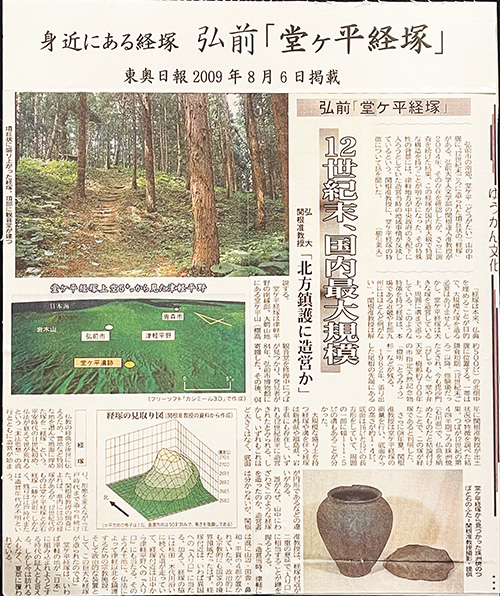
その関連情報として、2009年8/6の地元紙「東奥日報」の記事に出会ってしまったのです。
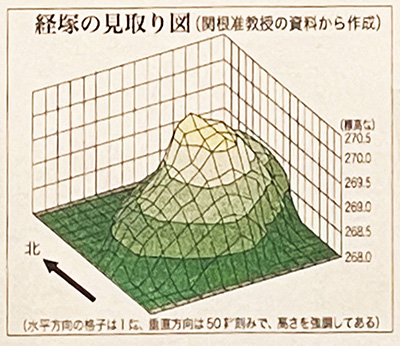
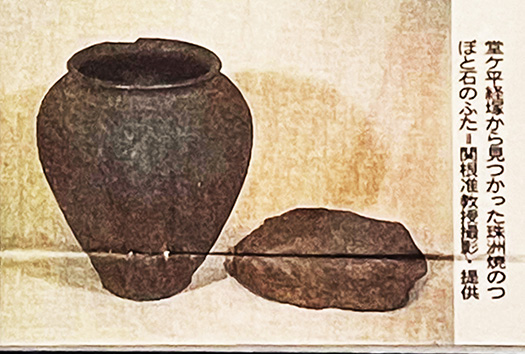
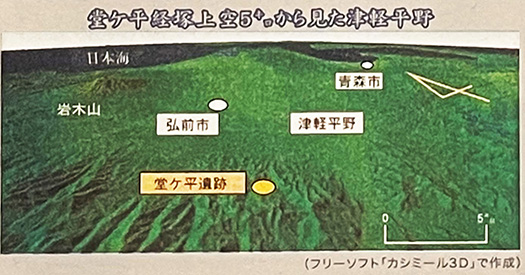
この記事では弘前大学の関根准教授に取材して、弘前「堂ヶ平経塚」の規模やその「建築意図」について、いわば仏教思想による「鎮護国家」の境界認識が埋蔵されたという趣旨の記事内容が語られていた。
・・・数寄な領域について再度、雷鳴のごとくに「オマエ、前から気になっているテーマを思い出せよ!」と天の声を聞く思い。まことに「不勉強」汗顔の至りでありますが、生来の歴史数寄の部分が刺激された。
たしかに北海道と東北を行き来する仕事人生であったので、この部分も再度学び直して、いま現在の「四百年間のいのちの履歴書」にも反映させてみたいと思われました。
あ、こちらについても昨日大きな情報進展があった。深く進行中。・・・
●お知らせ
拙書「作家と住空間」幻冬舎から電子書籍で発刊
お求めはAmazonで。
https://amzn.asia/d/eUiv9yO
English version⬇
[Stumbled Upon an Old Media Article About “Kyozuka” in Kuroishi, Aomori Prefecture]
I happened to come across an old article while traveling. I snapped a photo, restored the image on my Mac, and checked the content. Was this a voice from above telling me to remember a topic I’ve been curious about for a while? …
Have you ever heard of a “Kyozuka”?
Since we began publishing a regional housing magazine in the Tohoku region, I’ve come to understand through my travels and reporting across the area that these are “artifacts and ruins” deeply connected to the “spirituality” of people from the past. Here is a summary explanation generated by AI: A Kyozuka is a Buddhist archaeological site dating from the mid-Heian period, built based on the Mappo ideology (1052–). It consists of small mounds constructed by burying Buddhist scriptures—stored in containers such as sutra tubes—in the ground to preserve them for future generations and the future Bodhisattva Maitreya.
I have covered this topic several times on my blog.
[The Oshu Fujiwara Clan and the Construction of “Kyozuka” in Atsuma, Hokkaido]
[The Independent Hiraizumi Regime and the Islands of Hokkaido]
[National Treasure Architecture: Shirakami Amida Hall]
There are seven articles in total, including these. Among them, the article below is the oldest, dated November 30, 2007—already 19 years ago.
As someone born and raised in Hokkaido, I’ve always felt somewhat removed from “traditional ways of thinking”—a trait typical of those from newly developed areas—and I’ve repeatedly had the experience of only learning about the history of regions like Tohoku after actually visiting them.
Even regarding the “Mappo” doctrine, an extremely important concept in the spiritual history of the Japanese people, I had only textbook knowledge; it was only through firsthand experience that I came to truly understand it. However, as I traveled around various parts of Tohoku, I began to realize the extent to which the Oshu Fujiwara clan was deeply involved in trade with Hokkaido. In particular, the second article—titled “Summary by Professor Toshio Saito of Hirosaki University: Independent Government and Northern Domination—Ezo Island, the Foundation of Prosperity”—touches on the relationship with Hokkaido that the professor discussed in his book *Hiraizumi*.
Because of this, I also conducted field research in Atsuma, Hokkaido.
In connection with this, I came across an article in the local newspaper *Tōō Nippō* dated August 6, 2009.
In this article, Associate Professor Sekine of Hirosaki University was interviewed regarding the scale of Hirosaki’s “Dōga-daira Tsukazuka” and its “architectural intent.” The article discussed the idea that a Buddhist concept of “protecting the nation” and the perception of its boundaries was embedded within the site.
…Regarding this niche field, I felt as if I heard a voice from the heavens, thunderous as a clap of thunder, saying, “Hey, you! Remember that theme you’ve been curious about all along!” I am truly ashamed of my lack of knowledge, but my innate fascination with history has been piqued.
Indeed, having spent my working life traveling back and forth between Hokkaido and Tohoku, I felt compelled to revisit this subject and incorporate it into my current “400-Year Life Resume.”
Oh, and there was a major development regarding this very topic yesterday as well. It’s progressing deeply. …
共有:

Posted on 4月 29th, 2026 by 三木 奎吾
Filed under: 未分類



コメントを投稿
「※誹謗中傷や、悪意のある書き込み、営利目的などのコメントを防ぐために、投稿された全てのコメントは一時的に保留されますのでご了承ください。」
You must be logged in to post a comment.