
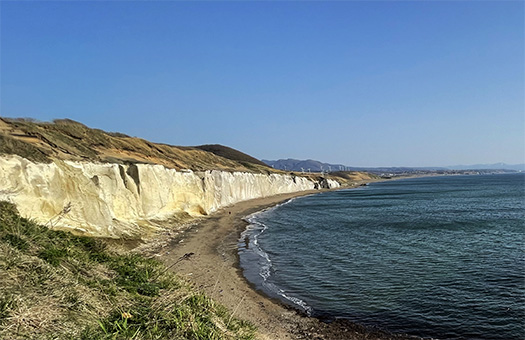
北海道に戻って来て道南の観桜周遊で、昨日は松前でいつものように観桜。そのあとで、先日北海道新聞のWEB版で掲載されていた道南乙部の「シラフラ海岸」を知って探訪しておりました。
たぶんわたしたち年代の「紙の新聞」しか知らずに育った年代には、このような局地域的な情報を知ることはほとんどなかったように思えた。紙の新聞だけでのマーケティング的な「限界性」に気付かされた地域オールドメディアのチャレンジのなかでわたしには「初めて知らされた」情報でした。そのような試みには「経験知の再統合」のような側面を感じて、好感を持っていた。
で、実際に訪れてみて、いくつかの気付きがあった。
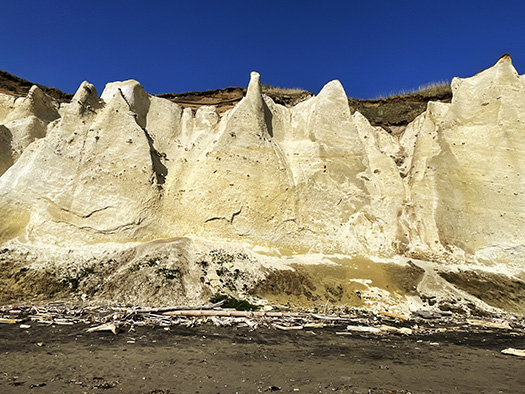
あ、シラフラ海岸というのは、約500万年前に火山から噴出した「軽石」が海底に積層して出来た地層で、それがさらに隆起してできたものとの説明でした。
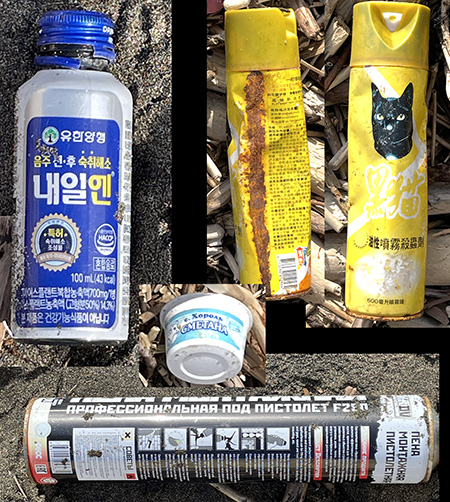
わたしが強く興味を持ったのは、日本海側海岸線にずっと連続してきている「海岸ゴミ」。この写真はそのなかで対岸側からの漂着物のいくつかをピックアップしたもの。ロシア語・韓国朝鮮語・中国語の生活廃棄物とおぼしき現代生活具が点在していた。
こうした海洋性廃棄物の全地球的広がりは環境問題視されてから久しいけれど、今回、わたしは自分自身の体験として実体験する機会を得たのですね。
これらの廃棄物は現代生活上、完全に停止させることは不可能なのではないか。日本社会であれば、徐々にゴミ廃棄のルール化の徹底で極小化させられるかもだけれど、人類社会一般にそのような「倫理的対応」を求めることは事実上、不可能なのではないかという「気付き」。
百年河清を俟つという中国由来の熟語があるけれど、意味は「常に濁っている黄河の水の澄むのを百年もかかって待つの意。いつまで待っていても実現のあてのないことをいう」。
シラフラ海岸は地球時間的な火山活動の結果でしょうが、人新世という「時代相」はこの漂着ゴミのような「地層」を形成して行くことになるのでしょうか。未来の知性はどう受け止めるだろうか?
わたしは不思議と怒りとかとは別の、いわば興味深い「生命現象」として見させていただいていた。
たぶんこれは「人間の性〜さが」であって、倫理感が及ぶものではないだろうと見切っているのだろうか。「案外こういうゴミの地層が形成されて、将来面白がってシラフラ地層と対比する」というような「やさしい」母性にも似た想像を巡らさせられていた。・・・
●お知らせ
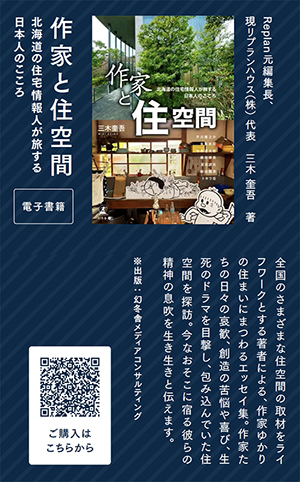
拙書「作家と住空間」幻冬舎から電子書籍で発刊
お求めはAmazonで。
https://amzn.asia/d/eUiv9yO
English version⬇
[The “Signs of the Times” Revealed at Shirafura Beach]
Household waste continues to wash up on a coastline formed by global volcanic activity 5 million years ago—the result of modern “Anthropocene activity.” The terrifying notion that this waste is becoming “stratified”…
I’ve returned to Hokkaido and am touring the southern part of the prefecture to view the cherry blossoms. Yesterday, I went to Matsumae to see the blossoms as usual. Afterward, I decided to visit “Shirafura Coast” in Otabe, southern Hokkaido, which I had recently learned about from the Hokkaido Shimbun’s online edition.
I suspect that for people of our generation—who grew up knowing only “print newspapers”—it was rare to come across such localized, regional information. This was information I was “learning about for the first time” amidst the challenges faced by local traditional media as they realized the “limitations” of marketing through print alone. I felt a sense of “reintegration of experiential knowledge” in such efforts and viewed them favorably.
So, after actually visiting the site, I had a few realizations.
Ah, I was told that Shirafura Coast was formed from layers of “pumice” that erupted from a volcano about 5 million years ago and accumulated on the seabed, which then rose to form the land.
What really caught my attention was the “beach trash” that stretches continuously along the coastline facing the Sea of Japan. This photo shows a selection of debris washed ashore from the opposite shore. Modern household items—likely household waste—in Russian, Korean, and Chinese were scattered about.
Although the global spread of this marine debris has long been recognized as an environmental issue, this time I had the opportunity to experience it firsthand.
Is it not impossible to completely eliminate this waste from modern life? In Japanese society, it might be possible to minimize it through the gradual and thorough enforcement of waste disposal rules, but I realized that it is practically impossible to demand such “ethical behavior” from human society in general.
There is a Chinese idiom, “waiting a hundred years for the Yellow River to run clear,” which means “waiting a hundred years for the waters of the Yellow River, which are always murky, to clear. It refers to something that will never come to pass no matter how long one waits.”
The Shirafura Coast is likely the result of volcanic activity on a geological timescale, but will the “Anthropocene” era end up forming “strata” like these washed-up trash deposits? How will future intelligences perceive this?
Strangely enough, I found myself viewing it not as a source of anger, but rather as a fascinating “phenomenon of life.”
Perhaps I have resigned myself to the fact that this is simply “human nature” and lies beyond the reach of ethical judgment. I found myself indulging in a “gentle,” almost maternal imagination, thinking, “Perhaps such layers of trash will form, and in the future, people will find it amusing to contrast them with the Shirafura strata.” …
● Announcement
My book, “Writers and Living Spaces,” has been published as an e-book by Gentosha.
Available on Amazon.
共有:

Posted on 4月 21st, 2026 by 三木 奎吾
Filed under: 未分類




コメントを投稿
「※誹謗中傷や、悪意のある書き込み、営利目的などのコメントを防ぐために、投稿された全てのコメントは一時的に保留されますのでご了承ください。」
You must be logged in to post a comment.