

だんだんと世間の暦とズレてくる高齢者。ありがたいことと感謝です。
まだ仕事の流れ自体は継続性があるとは言え、おおむねスケジュールは自分で決められる。そのメリットを活かして連休をずらし、本日から道内の「観葉」旅であります。あ、自分で決めると書きましたが、これはまったくカミさんの決定に従順に従っているだけなので、やや書きすぎかも(笑)。
わたしたち昭和20年代後期の年代の健康状態は、それまでの日本人平均からは劇的に栄養状態が改善したので、いま70代半ばですが、毎日10,000歩越えの散歩をこなせるほど。
前期高齢者と後期高齢者という概念が行き渡ったのは、アメリカでの実勢が基礎となって日本にも反映したといわれる。自分自身がその年齢層に到達してきてやはり強く実感できます。まだ「前期」。
また、わたしは兄弟(姉も)6人なのですが、全員まだまだ元気であります。わたしは末っ子ですが、長兄は11才上でも毎日元気に散歩して、ゴルフも楽しんでいるとのこと。どうやら、健康長寿が日本人に広範に現実化してきているのでしょう。
そうなってくると、社会システムも対応して変化していくことが予想されますが、それはまだ手探りで、現実が積み重ねられてきているというところ。考えて見ると、これこそが日本の再成長の根源的な「資産」なのではないかと思えます。どう活かされるか?
もっといえば、わたしたち年代はそういう「フロンティア」に位置していて、高齢化・健康長寿世代がどう社会に貢献できるかの実験的世代なのかと。しかしそうはいっても、直接的生産活動的「体力」までは計算できないので、より「文化」的な領域開発になっていくのでしょう。
まぁまだまだ新規領域の開発が可能で、オモシロい人生模様かなぁ(笑)。
ということで、新鮮な目線で北海道の魅力を再探訪していきたいと思います。
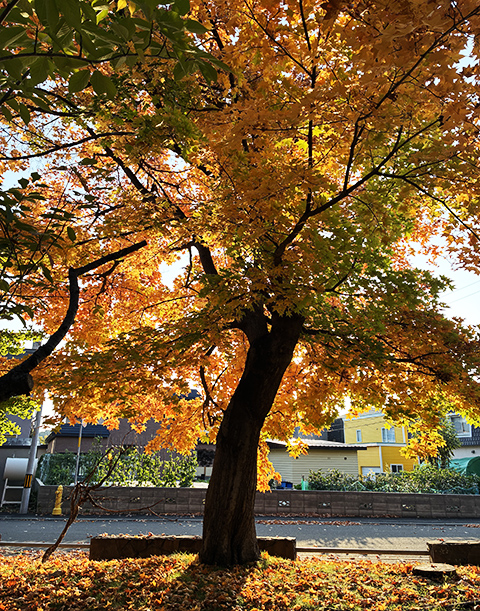
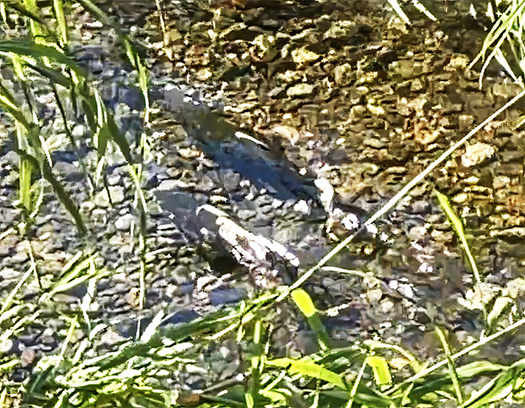
写真は朝の散歩路「西野緑道」スポットがみごとな黄葉ぶりを見せてくれた様子と、わが家近くに遡上して産卵行動に入ったサケの様子です。さて、旅路ではどんな秋が目の前に広がってくれるかなぁ?
●お知らせ
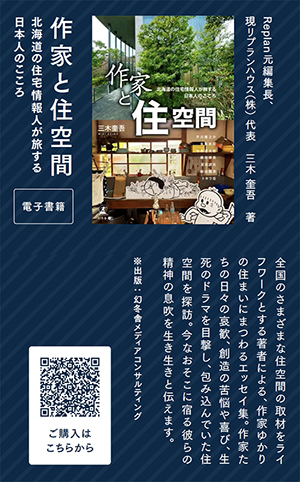
拙書「作家と住空間」幻冬舎から電子書籍で発刊
お求めはAmazonで。
https://amzn.asia/d/eUiv9yO
English version⬇
[As the Fall Foliage Deepens: A Journey to See What This Year Holds for Hokkaido]
Taking advantage of the “long weekend” at a slightly different time than most. How can the generation that has achieved greater health and longevity contribute to society? They may hold the key to Japan’s “renewed growth.” …
As I get older, I find myself gradually falling out of sync with the general public’s calendar. I’m truly grateful for that.
While my work itself still has a certain degree of continuity, I’m generally free to set my own schedule. Taking advantage of that, I’ve shifted my long weekend and am embarking today on a “houseplant-viewing” trip around Hokkaido. Oh, I wrote that I set my own schedule, but since I’m actually just obediently following my wife’s decisions, I might have exaggerated a bit (laughs).
For those of us born in the late Showa 20s, our health has improved dramatically compared to the average Japanese person of that era, thanks to better nutrition. So even though we’re now in our mid-70s, we’re still able to manage daily walks of over 10,000 steps. It’s said that the concepts of “early-stage seniors” and “late-stage seniors” became widespread in Japan because they were based on actual conditions in the United States.
Now that I’ve reached that age group myself, I can truly feel it. Also, I have six siblings (including an older sister), and all of us are still going strong. I’m the youngest, but my eldest brother—who is 11 years older than me—still goes for brisk walks every day and enjoys playing golf. It seems that healthy longevity is becoming a reality for the Japanese people.
As this happens, we can expect social systems to adapt and change accordingly, but this likely means we’re feeling our way forward as reality unfolds step by step. When I think about it, I believe that this is precisely the fundamental “asset” driving Japan’s renewed growth. How will it be put to use?
To put it another way, our generation is positioned on that “frontier”—we’re the experimental generation that will explore how the aging, healthy, and long-lived can contribute to society. That said, since we can’t rely on the “physical strength” required for direct productive work, our contributions will likely shift toward developing more “cultural” domains.
Well, there’s still plenty of room for development, so I suppose it’ll be an interesting chapter in life (laughs).
With that in mind, I’d like to rediscover the charms of Hokkaido through fresh eyes.
The photos show the stunning autumn foliage along the “Nishino Greenway”—a spot on my morning walking route—and salmon that have migrated upstream near my home to begin spawning. I wonder what kind of autumn scenery will unfold before me on my travels?
● Announcement
My book, “Writers and Living Spaces,” has been published as an e-book by Gentosha.
Available on Amazon.
共有:

Posted on 10月 12th, 2026 by 三木 奎吾
Filed under: 未分類




コメントを投稿
「※誹謗中傷や、悪意のある書き込み、営利目的などのコメントを防ぐために、投稿された全てのコメントは一時的に保留されますのでご了承ください。」
You must be logged in to post a comment.