
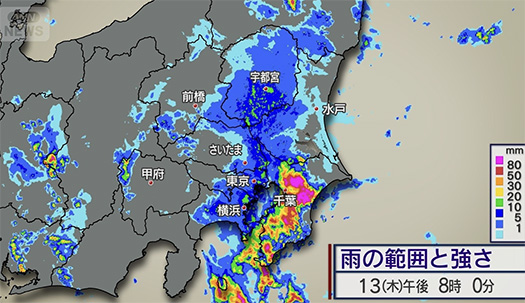
千葉を中心とした豪雨被害、友人知人からは特段の報せはないものの、まことに近年の気候変動の猛威を物語る痛ましい事態。被害にあわれたみなさまに心からお見舞い申し上げます。
写真のレーダー画面が示す激しい雨雲の群れ。千葉で起こった災害は、いつどこで発生してもおかしくない。常に自然災害の危険と隣り合わせの日本列島、その凶暴化の度合いは年々増しているのが実感。
そうした中、今回の報道を見ていて個人的に考えさせられたのが「車両保険」に関するニュース。一昨日あたりから「被災車両の多くが未加入、車両保険の加入率は5割程度」といった報道が相次いだ。「え、そんなに保険に入っていないの?」と一瞬驚かされたが、どうもこの「車両保険5割」という言葉には、報道に不可欠な「詳細な注釈」が欠落しているのではないかと思えたのだった。
自動車保険は、法律で義務付けられた「自賠責保険(強制保険)」と、補償内容を自由に選ぶ「任意保険」の二層構造。今回ニュースで語られているのは、任意保険の中のさらにオプションである「車両保険(特に冠水・水災事故をカバーする補償特約)」の付帯率のことのようだ。対人・対物などの任意保険自体には多くのユーザーが加入しているけれど、自身の車体を守る車両保険は保険料も跳ね上がるため付帯率は約5割にとどまるというのが実相だと思う。
「車両保険に入っていない」という大ざっぱな表現だけでは、あたかもユーザーが無保険のまま無謀に車を走らせているような誤解を与えかねない。さらに言えば、車両保険に加入していても「免責金額(自己負担分)」の設定や、補償範囲の選択によって受け取れる保険金は多様。わが家のクルマの保険内容でも5万円の自己負担枠があるようにユーザー個々の選択は多岐にわたるのが一般的。
報道は「ローンだけが残り、修理も移動もできなくてかわいそう」といった感情的な側面訴求に終始していたが、保険制度の仕組みや選択肢の多様性についての総合的な説明が不足で、ただ不安と恐怖心ばかりを煽っているように感じられた。
これまでの気象常識を超えた巨大災害が頻発する現代だけれど、固定費を抑えるため簡易でコスパの良い保険を選択してきたユーザーの判断は、至極自然だと思える。メディアは単なる情緒的報道にとどまらず、制度の正確な詳細を提示してと切に願う。
今回の痛ましい出来事が激甚化する災害に備えた私たち一人ひとりのリスク管理や保険内容の冷静な見直しへと繋がることを祈念します。
●お知らせ
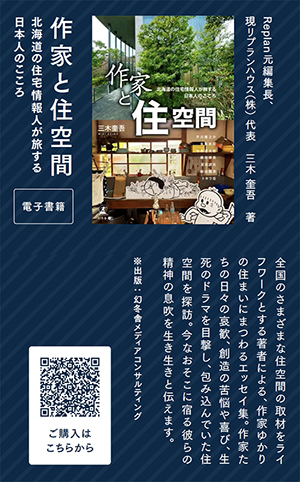
拙書「作家と住空間」幻冬舎から電子書籍で発刊
お求めはAmazonで。
https://amzn.asia/d/eUiv9yO
English version⬇
[Vehicle Insurance: The Discomfort of the “50% Coverage Rate” Report]
Wait, for a split second I thought, “Not that many people have insurance?” But I think the actual point is that 50% of policyholders have insurance that “covers water-related incidents as well.” Hmm…
The torrential rain damage centered on Chiba—while I haven’t heard anything specific from friends or acquaintances—is a truly heartbreaking situation that speaks volumes about the ferocity of climate change in recent years. I offer my heartfelt sympathies to all those affected.
The radar image in the photo shows a cluster of intense rain clouds. The disaster that struck Chiba is the kind that could happen anywhere at any time. Living on the Japanese archipelago, where we are constantly at risk of natural disasters, I can really feel that the severity of these events is increasing year by year.
Amidst all this, what personally caught my attention while watching the news coverage was a report regarding “vehicle insurance.” Starting around the day before yesterday, there was a flurry of reports stating things like, “Many of the damaged vehicles were uninsured, and the vehicle insurance coverage rate is only about 50 percent.” I was momentarily surprised—“What, that few people have insurance?”—but it struck me that the phrase “50 percent vehicle insurance coverage” seemed to be missing the “detailed context” that is essential to any news report.
Automobile insurance has a two-tier structure: “compulsory liability insurance” (mandated by law) and “voluntary insurance,” where policyholders can freely choose their coverage. What the news is discussing here appears to be the uptake rate of “vehicle insurance” (specifically, coverage riders that protect against flooding and water damage)—an optional add-on within voluntary insurance. While many users have voluntary insurance covering bodily injury and property damage, the reality is that the uptake rate for vehicle insurance—which protects the vehicle itself—remains at around 50 percent because premiums for it skyrocket.
Using only the vague phrase “not enrolled in vehicle insurance” risks creating the misconception that users are recklessly driving without any insurance at all. Furthermore, even for those with vehicle insurance, the amount of insurance payout varies depending on the “deductible” (the portion the policyholder must pay out of pocket) and the scope of coverage selected. As evidenced by my own family’s car insurance policy, which includes a 50,000-yen deductible, it is common for individual users to have a wide range of choices.
While the media coverage focused entirely on emotional appeals—such as “It’s so sad that they’re left with only the loan, unable to repair or drive the car”—it lacked a comprehensive explanation of how the insurance system works and the variety of available options, leaving the impression that it was merely stoking anxiety and fear.
In today’s world, where massive disasters that defy conventional meteorological wisdom occur frequently, it seems perfectly natural for users to have chosen simple, cost-effective insurance policies to keep their fixed expenses down. I earnestly hope that the media will go beyond mere emotional reporting and present accurate details about the system.
I pray that this tragic incident will lead each of us to calmly review our risk management strategies and insurance coverage in preparation for increasingly severe disasters.
● Announcement
My book, “Writers and Living Spaces,” has been published as an e-book by Gentosha.
Available on Amazon.
共有:

Posted on 8月 19th, 2026 by 三木 奎吾
Filed under: 未分類




コメントを投稿
「※誹謗中傷や、悪意のある書き込み、営利目的などのコメントを防ぐために、投稿された全てのコメントは一時的に保留されますのでご了承ください。」
You must be logged in to post a comment.