本文へジャンプ

【21年前に自分がやった事を完全忘却(笑)・・・うむむ。】


 先日中学校以来の友人と話していて中学校「校歌」をなかなか思い出せなかった。別れた後もどうも気になって一晩寝てから起きたら、メロディが頭のなかに浮かび上がってきた。校歌ってふつうは小学・中学・高校の3つが浮かんでくる。
 わたしはけっこうマジメな生徒だったので(笑〜冗談)この3つの校歌メロディは時折想起される。でも、どれがどれやらは日常まったく精緻に特定しない、できない。「あれ、この歌は小学校かなぁ、中学校かなぁ、それとも・・・」程度の一般認識レベル。
 で、浮かんできた校歌歌詞を忘れないようメモ書きした。それを友人にLINEで送って確認作業をしてみていた。そのやりとりの中、相方から「そういえば2005年の同窓会のときの会誌に載っていたんじゃないか」みたいな意見が出てきた。「え、そんなのあったっけ?」と返答。
 ・・・まだ思い出していない(笑)。
 その後さらなるやり取りの結果思い出し、それがわが家に大量にあることにようやく記憶がたどりついた。
なんと、その冊子は出版関係で起業したわたしが2005年の同窓会の時に「編集長」として携わっていたという事実がようやく記憶復元してきたのだ(笑)。・・・まったく。
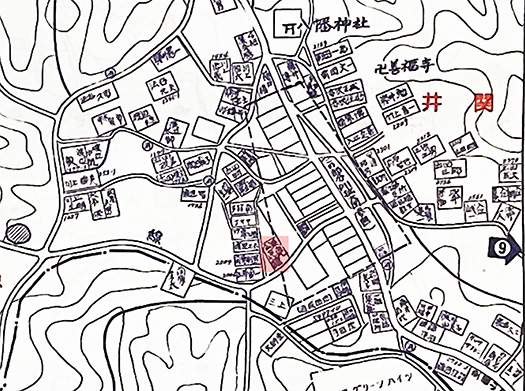
 この中学校とは札幌市中心部にかつて存在した「陵雲中学校」で、人口が郊外地域に移動して中心地域が空洞化した結果、廃校になった。そんな経緯なので出身者にはある「思い入れ」もあり、その同窓会のときにタイムトラベル可能なような「仕掛け」として、昭和32年段階の「戸建て住宅・個人宅名」が明瞭に記載された地図を探し回って発掘。再刊許諾を受けて全4枚にわたる「大判地図」として同窓会のパンフレットとして渡していたのだ。思い出してみて、我ながらTPOをわきまえたいい企画だったと思う(ドヤ)。
 校歌はそこにしっかりと印刷していた。1番の歌詞と3番の歌詞が混同していたけれど、断片的には正確なものだった。しかし、わがことをここまで忘却するのだと言うことにちょっと衝撃。
 ちょうど「来し方」についてのさまざまな「復元定着」を狙った企図を進行させている最中。
 思わず、燈台元暗しという警句が湧き上がってきていた・・・。

●お知らせ
拙書「作家と住空間」幻冬舎から電子書籍で発刊
お求めはAmazonで。
https://amzn.asia/d/eUiv9yO
English version⬇

[I’ve completely forgotten what I did 21 years ago (lol)… Hmm.]
Life’s journey is full of all sorts of misunderstandings and miscommunications, but I’d buried even my own experiences deep underground. …Wake up!

 The other day, I was talking with a friend I hadn’t seen since junior high, and I couldn’t quite remember our junior high “school song.” It kept bothering me even after we parted ways, but when I woke up the next morning, the melody popped into my head. Usually, when you think of school songs, the ones from elementary, junior high, and high school come to mind.
Since I was a pretty serious student (lol—just kidding), the melodies of those three school songs occasionally come back to me. But I don’t precisely distinguish which is which in my daily life—I just can’t. It’s at a general recognition level, like, “Hmm, is this song from elementary school, middle school, or maybe…”
So, I jotted down the lyrics that came to mind so I wouldn’t forget them. I sent them to my friend via LINE to see if they matched. During that exchange, my partner chimed in with, “Come to think of it, wasn’t that in the alumni magazine from the 2005 reunion?” “Huh, was there such a thing?” I replied.
…I still hadn’t remembered (lol).
After further back-and-forth, I finally recalled it, and my memory finally reached the fact that I have a huge pile of those at home.
Lo and behold, the fact that I—having started a business in publishing—had been involved as “editor-in-chief” for that booklet at the 2005 reunion finally came back to me (lol). …Seriously.
 This junior high school was “Ryoun Junior High School,” which once stood in central Sapporo. It was closed down as a result of the population shifting to the suburbs, leaving the city center hollowed out. Given those circumstances, alumni naturally have a certain “attachment” to the school. For that reunion, as a sort of “gimmick” that felt like time travel, I scoured the city to unearth a map clearly showing the names of detached houses and private residences as they were in 1957. After obtaining permission to reprint it, I distributed it as a four-page “large-format map” included in the reunion pamphlet. Looking back, I have to admit it was a well-thought-out project that took the occasion into account (smug).
The school song was printed right there. The lyrics for the first and third verses were mixed up, but the fragments were accurate. However, I was a bit shocked to realize that I had forgotten so much about my own past.
I am currently in the midst of carrying out various projects aimed at “restoring and preserving” the “past.”
 The proverb “the lamp is darkest at the base” involuntarily sprang to mind…

● Announcement
My book, “Writers and Living Spaces,” has been published as an e-book by Gentosha.
Available on Amazon.

【1尾25円‼“豊漁激安ニシン”8尾さばく 締めて200円也!】


 本業は札幌中央市場の海産物仲買である会社が直営で食品スーパーをやっていまして、こちらの店ではスーパーらしからぬ「鮮魚」そのまま販売コーナーがあります。ふつうのスーパーではだいたい「捌いたあとの切り身」状の魚が「生魚」販売されるのが普通なのに、ここではゴロッと生身の魚体が置かれている。
 「お客さんの方で捌いてくださいね」という無言のアナウンス。
 先日の「鯛」みたいなモノで、わたしはYoutube見よう見まねで魚を捌く一種の趣味生活中なので、こういう「逆配慮」はまことに楽しい(笑)。包丁数寄を刺激されて仕方がない。
 ということで、昨日も大量の「キンピラゴボウ」造りの材料としてゴボウを買いたかったので向かっていたのですが、鮮魚コーナーにはことしも豊漁と言われている「ニシン」がゴロッ。どうも北海道の沿岸部にはことしも昨年に引き続きニシンが押し寄せてきてくれているようです。
 この店では最近はニシン・3尾で299円〜399円程度が定番価格だったのですが、きのうさすがに驚かされたのが「4尾で99円!」価格。オイオイであります。やや小ぶりとはいえ、ちょっと常識を破壊した価格。わが家の食べられる量は、いつもは夫婦2人+アルファなのですが、最近は孫育てにたいへんな子ども世帯に、おかず各種を製造・届けしている。捌いた半尾であれば1食の焼き魚の分量に最適。写真の切り身1片をご覧ください。これが16切れ採取された次第。
 で、小ぶりとはいえ、アラも出る。頭部分はさすがに面倒すぎるので生ゴミにしましたが、ニシンが嫌われる骨の多さに対応して背骨部分は手で取り除く。その部分を手で探りながら取り出すとき、どうしても肉身が付着したままになるので、それはアラ汁にしています。
 先日の巨大鯛では大鍋満々でしたが、今回はほんの少々。だけれど旨味はそれなりに楽しめます。こういう旨味が食生活の健康増進にはたいへん役立つのではないかなぁ。と、勝手に思い込み。
 しかし昔、北海道の味覚の代表選手だったニシン。このように豊漁が続いてくると、郷土料理の主役として再度登場してくるのではないでしょうか? 大いに期待!

●お知らせ
拙書「作家と住空間」幻冬舎から電子書籍で発刊
お求めはAmazonで。
https://amzn.asia/d/eUiv9yO

English version⬇

[Only 25 yen per fish!! “Bargain-priced herring from a bumper catch”—8 fish for a total of just 200 yen!]
When I asked the shop, they said, “We’ve got a massive stock. We just need to get rid of some.” It’s great news for the average person, but you’re on your own when it comes to filleting the fish…

 A company whose main business is seafood brokerage at Sapporo Central Market operates this supermarket directly, and the store features a “fresh fish” section that’s quite unlike what you’d expect in a typical supermarket. While most supermarkets usually sell “raw fish” in the form of pre-cut fillets, here you’ll find whole, unprocessed fish displayed just as they are.
It’s a silent message saying, “Please fillet the fish yourself.”
 Like with the “sea bream” the other day, I’ve taken up a sort of hobby of filleting fish by watching YouTube tutorials, so this kind of “reverse consideration” is truly fun (lol). It really gets my culinary curiosity going.
So, yesterday I headed there because I wanted to buy burdock root to make a big batch of “kinpira gobo,” but in the fresh fish section, there were whole herring—which are said to be in abundance again this year—just sitting there. It seems that, just like last year, herring are swarming the coast of Hokkaido again this year.
At this store, the standard price for three herring has recently been around 299 to 399 yen, but yesterday I was truly shocked by the price: “Four for 99 yen!” Come on now. Even though they’re a bit on the small side, that price defies all common sense. Usually, the amount we eat at home is for just the two of us plus a little extra, but lately, I’ve been preparing and delivering various side dishes to my children’s household, who are busy raising their grandchildren. A half-fish, once filleted, is the perfect portion for a single serving of grilled fish. Take a look at the fillet in the photo. This is what I was able to cut into 16 pieces.
 So, even though they’re small, there are still scraps. The heads were just too much of a hassle, so I tossed them in the food waste, but to deal with the many bones that make herring unpopular, I remove the backbone by hand. When I feel around and pull it out by hand, some meat inevitably sticks to it, so I use that for a scrap broth.
The other day, with that giant sea bream, I had a huge pot full, but this time it’s just a little bit. Still, you can enjoy the umami flavor just fine. I like to think that this kind of umami is incredibly beneficial for a healthy diet.
However, herring used to be a staple of Hokkaido’s cuisine. With bountiful catches continuing like this, might it make a comeback as the star of regional cuisine? I’m really looking forward to it!

● Announcement
My book, “Writers and Living Spaces,” has been published as an e-book by Gentosha.
Available on Amazon.


【雪融け奔流の河辺 タイヤ交換も「札止め」ラッシュ】


 札幌地方も最高気温が10度を超えるほどの春の陽気がすすみ、さすが大雪だったこの冬のなごりが、山からみごとな奔流となって河辺を満々と満たしております。ふだん見慣れた琴似発寒川が、水音の豪快さまで伝わってくるかのような景観。
 この川は段丘状に流れてきていて、その段丘から階段状の水路があるのですが、大量の水がコンクリート面を覆いつくすように、まるで瀧のような姿を見せている。ふだん散歩道として見慣れている付近のみなさんも一様に驚かれてみなさんスマホのシャッターを押している。
 ちょっと荒っぽい北国・雪国らしい「春らんまん」の風情でしょうか。
 こういう時期を超えてようやく北海道にはサクラや梅が咲き始める。なので、春はすべての自然の脈々とした鼓動・うねりがこだますように人間界に迫ってくるのでしょう。ただ、ヒグマだけはこっちに来て欲しくはないけれど・・・。
 一方、人間の方はようやく冬のくびきから自由になってくる。わたしの場合は冬の間は家の周りの除雪作業をカミさんから強く指令されているので、なかなかフーテンの寅さん旅の許しを得られない。のですが、ようやく許しが得られるようにもなってくる。ことしも来週は本州・東北地方のサクラ前線にちょっとご挨拶させていただければと思っています。
 マイカーでフェリー旅。東北各地を行脚したいのですが、そうすると今度は「タイヤ交換、どうしようか」ということになる。オイル交換の用事もあったので自動車メーカーのディーラーさんに問い合わせたら、押すな押すなの状況が勃発しているとのこと。
 さてどうしようか、であります。北海道内ではつい数日前釧路地方で季節外れの大雪があったばかり。しかし向かう予定は東北北部から北海道南部・函館や松前。なかなか悩ましい。
 「え〜、奥入瀬とか走るのに、用心のため、まだ交換しなくていいんじゃない?」というカミさんの鶴の一声が聞こえてきましたが、悩ましい北海道の春であります。

●お知らせ
拙書「作家と住空間」幻冬舎から電子書籍で発刊
お求めはAmazonで。
https://amzn.asia/d/eUiv9yO

English version⬇

[Along the Riverbank Where Meltwater Rages: A Rush of “Sold-Out” Tire Changes]
The heavy snows of winter have finally come to an end, rushing downstream as torrents of meltwater. It’s also the time of year when drivers struggle to decide whether to change their tires…

 Spring has arrived in the Sapporo area, with high temperatures exceeding 10 degrees Celsius. True to the heavy snowfall of this past winter, the lingering remnants of the season have come down from the mountains as a magnificent torrent, filling the riverbanks to the brim. The familiar Kotoni-Hassamu River presents a scene so vivid that one can almost hear the roar of the water.
 The river flows down a series of terraces, and from those terraces, there are stair-step waterways; however, the massive volume of water completely covers the concrete surfaces, creating a scene that looks just like a waterfall. Even the locals, who are used to seeing this area as a walking path, are uniformly surprised and are all snapping photos with their smartphones.
Perhaps this is the “full bloom of spring” characteristic of the rugged northern snow country.
 Once this season passes, cherry and plum blossoms finally begin to bloom in Hokkaido. That’s why, in spring, the pulsating rhythm and surging energy of all nature seem to echo and surge toward the human world. Though, I certainly don’t want any brown bears coming this way…
 Meanwhile, we humans are finally breaking free from the shackles of winter. In my case, my wife strictly orders me to clear the snow around the house during the winter, so I rarely get permission to go on a carefree journey like Tora-san. But now, I’m finally starting to get that permission. This year, I’m hoping to pay a quick visit to the cherry blossom front in the Tohoku region of Honshu next week.
 A ferry trip by car. I’d like to tour various parts of Tohoku, but that raises the question: “What should I do about changing the tires?” Since I also needed an oil change, I contacted the car manufacturer’s dealership, only to find out they’re swamped with customers.
So, what should I do? Just a few days ago, there was an unseasonal heavy snowfall in the Kushiro area of Hokkaido. However, my planned route takes me from northern Tohoku to southern Hokkaido—Hakodate and Matsumae. It’s quite a dilemma.
 “Hmm… since we’ll be driving through places like Oirase, wouldn’t it be better to wait a bit longer before changing the tires, just to be safe?” I heard my wife’s decisive voice say, but this is the perplexing nature of spring in Hokkaido.

● Announcement
My book, “Writers and Living Spaces,” has been published as an e-book by Gentosha.
Available on Amazon.

【アメリカが最多(?)ブログ執筆WordPressでの閲覧者分析】


 図は、わたしがブログ執筆のホームグラウンドとして活用しているWordpressページの閲覧者の国別の分布グラフ。わたしはあんまりWordpressの設定とかの「場」のことは気にしたことがないのですが、たまたまチェックしなければならない事柄があって、参照していたついでに行き当たったデータページのグラフ。
 このWordpressで書いた文章をベースにしてFacebookなど数カ所のブログページの「場所」にコピペして情報発信を続けてきています。事業譲渡にともなっていろいろ環境変化がありましたが、このブログ執筆は継続してきている。カラダの健康ばかりでなく脳味噌の活性を確保する意味でも、ごく一般人・庶民、自由な日本人の個人という立場として、発信はできるだけながく続けたいと思っています。
 ご存知のようにわたしは日本語で書きながら、数年前から案外海外からのアクセスが多いことに気付いて、自動翻訳してくれるDeepL翻訳のページで「英文」変換して文末に「コピペ」しています。
 こまかい表現の具合とかは頓着せず、だいたいの大筋を見てもらえたらいいかと軽く考えた次第。
 アメリカ合衆国にはたくさんの「邦人」も住んでいられるでしょうから、ネイティブで英語をしゃべる人が見ているのか実際はどうなのかはわかりませんが、それでも日本からよりも閲覧数が多いとは驚かされた。1割弱くらい上回っている。
 また中国・香港からも日本の1/3程度は見に来てくれている。共産党独裁の中国によって政治面では完全に制圧されたかに見える香港ですが、WEBについてはこのように閲覧できるほどの「自由」はまだあるのか。ときどき中国人とおぼしき「友だちリク」が来たりしますが、最近はどうもお応えしかねています。なかにはホンモノのリクもあるのでしょうが、いかにも「あやしい」美人写真が多すぎる(笑)。
 まぁしかし、日本語文化圏の占有率は38%程度と低いワケで、もっと日本人のみなさんに有意義な情報発信も心がけたいとも思わされております。う〜む。

●お知らせ
拙書「作家と住空間」幻冬舎から電子書籍で発刊
お求めはAmazonで。
https://amzn.asia/d/eUiv9yO

English version⬇

[The U.S. Leads (?) in Blog Views: WordPress Visitor Analysis]
The data shows that my blog—written by a perfectly ordinary Japanese person—actually gets more visitors from the U.S. than from Japan. Hmm…

 The chart shows the distribution of visitors to my WordPress page—which I use as my main platform for blogging—by country. I don’t usually pay much attention to WordPress settings or the technical aspects of the platform, but I happened to come across this graph on a data page while checking something else I needed to look into.
 I’ve been sharing information by copying and pasting the articles I write here on WordPress to several other “platforms,” such as Facebook. Although there have been various changes in my circumstances following a business transfer, I’ve continued to write this blog. Not only for the sake of my physical health, but also to keep my brain active, I intend to keep writing for as long as possible—as an ordinary person, a member of the general public, and a free Japanese citizen.
 As you may know, while I write in Japanese, I noticed a few years ago that I was getting a surprisingly high number of visits from overseas. So, I’ve been using DeepL’s automatic translation service to convert my posts into English and pasting the translated text at the end.
I didn’t worry too much about the finer details of the phrasing; I just thought it would be fine if people could get the general gist of what I was saying.
 Since there are likely many Japanese nationals living in the United States, I don’t know if native English speakers are actually reading this, but I was still surprised to find that the number of views from there exceeds those from Japan. It’s about 10% higher.
Also, about one-third of the views come from China and Hong Kong. Hong Kong appears to be completely subjugated politically by Communist China’s dictatorship, but does it still have enough “freedom” regarding the web to allow people to view content like this? I occasionally receive “friend requests” from people who appear to be Chinese, but lately I haven’t been able to respond to them. While some of them are probably genuine, there are just too many photos of suspiciously beautiful women (lol).
Well, the Japanese-speaking audience accounts for only about 38% of the total, which is low, so I feel I should make an effort to provide more meaningful content for Japanese readers as well. Hmm.

● Announcement
My book, “Writers and Living Spaces,” has been published as an e-book by Gentosha.
Available on Amazon.
 

【鯛を捌いて、久しぶり「寿司握り」約150カン】


 さてきのうは、孫育てで奮闘中の息子夫婦から孫を預かってと頼まれ子守り。ついでに日頃の慰労のために寿司を握って上げるよ、との約束日。
 母乳子育てまっ盛りの息子の嫁さんが「鯛、大好物」というリクエストだった。おおそうか。それじゃぁ間接的に孫にも「栄養・滋味」は以心伝心するなぁ、と。そこでジジババ夫婦で札幌中央市場に見に行った。鯛って北海道ではあんまりメインではない魚種なので季節感もよくわからない。夫婦で温泉に行く道すがら立ち寄ってみた。
 あちこちの店を見て回ったが「こりゃぁ、ないわ」と諦めかけていたら最後の1軒で写真の丸々としたヤツが1匹だけ堂々と佇んでいた・・・。そう、まるで陸上動物並みのサイズ感。体重2kg。「待っていたぜ、ぬふふ」みたいな雰囲気だったのです(笑)。見ると実に丸々なので当然内臓も入ったマンマ。店のオヤジさんに「どう捌いたら良いの?」と問いかけたら鯛の言葉のように「いい手があるぜ、ぬふふ」というお言葉。
 「え、なにさ、もったいつけないで、教えてよ」と懇願したら「なんも、youtube動画さぁ!」という最新メディア情報一択宣言。「そっかぁ、了解」であります。オールドメディア沈黙。
 鯛は以前にも捌いたことがあるけれど、そのとき内臓を抜き取ったかどうか、失念。
 とにかくやたらウロコの硬さ・量、骨の硬さに驚かされた記憶。

 ちょうどよく先日この「ウロコ取り」金物を夫婦買い物で購入してもいた。
 ということで動画再生と鯛捌きの同時並行作業で無事、捌ききった。ものすごい骨の硬さで愛用の「出刃」が獅子奮迅の大活躍。っていうか、ヘトヘトにさせられておりました。無事完捌き。
 途中一回だけ、刃先が小指に触れて、擦過傷ちょっぴり。
 同時進行でアラ汁にしましたがさすがに2kgと大物で、大鍋なみなみ。これが応えられない美味。
 その後、冷凍庫のなかの寿司ネタと併せて全150カン超を握りまくった。あ、鯛もいったん冷凍して解凍。無用の食中毒撃退のためにはこれが一番安全策。子孫に禍根を残したくない。
 ・・・ということで、鯛が主役の握りでしたが鯛自体は1/3ほどしか使っていないので、残りはわが家冷凍庫に収容されております。自然解凍で刺身もまた、よさげ。
 しかしさすがにバタンキューで途中小用1回の熟睡9時間の朝であります、ふ〜。

<写真2枚目の寿司はわが家の「残り」保存分。150カン全体は撮影忘れ(泣)>

●お知らせ
拙書「作家と住空間」幻冬舎から電子書籍で発刊
お求めはAmazonで。
https://amzn.asia/d/eUiv9yO

English version⬇

[Filleting a Sea Bream and Making Sushi for the First Time in a While: About 150 Pieces]
Even after using a large sea bream to make over 40 pieces of nigiri sushi, two-thirds of it is still sitting in the freezer. I was completely absorbed in filleting—a joyful, carefree state of mind. …

 So yesterday, my son and his wife—who are usually busy raising their child—asked me to watch their grandchild, and I promised to make them some sushi as a thank-you.
 My daughter-in-law, who’s in the thick of breastfeeding, requested sea bream, saying, “It’s my favorite.” Oh, I see. Well then, I thought, the “nutrition and flavor” will indirectly be passed on to my grandchild through telepathy. So my husband and I, the grandpa and grandma, decided to head over to Sapporo Central Market to check it out. Since sea bream isn’t really a staple fish in Hokkaido, I wasn’t quite sure when it was in season. We stopped by on our way to a hot spring.
 We looked around at various stalls, but just as we were about to give up, thinking, “Nope, nothing here,” we found a single, plump specimen standing proudly in the very last shop… Yes, it was practically the size of a land animal. It weighed 2 kg. It had an air about it that seemed to say, “I’ve been waiting for you, heh heh” (laughs). It looked so plump that, naturally, it was still full of innards. When I asked the shop owner, “How should I fillet this?” he replied, as if speaking the language of sea bream, “I’ve got a good trick, heh heh.”
“Huh? What is it? Don’t keep me in suspense—tell me!” I pleaded. “Nothing special—just a YouTube video!” he declared, opting for the latest media solution. “Oh, okay, got it,” I said.
 I’ve filleted sea bream before, but I couldn’t remember if I’d removed the innards that time.
Anyway, I remember being really surprised by how hard and thick the scales were.

 Fortunately, my wife and I had just bought this “scaling tool” the other day.
So, by watching the video and filleting the sea bream at the same time, I managed to finish the job successfully. The bones were incredibly hard, so my trusty “deba” knife really had to work overtime. Or rather, it left me completely exhausted. Successfully filleted.
 Just once during the process, the blade tip grazed my little finger, leaving a tiny scratch.
Since it was a 2kg beast, I made a broth from the scraps, and the large pot was filled to the brim. It was an irresistibly delicious treat.
After that, I combined it with the sushi ingredients in the freezer and made over 150 pieces of nigiri. Oh, and I froze the sea bream first and then thawed it. This is the safest way to prevent food poisoning. I don’t want to leave a legacy of trouble for my descendants.
…So, while the sea bream was the star of the nigiri, I only used about a third of it, so the rest is now stored in my freezer. It should make for some nice sashimi once it thaws naturally.
But I’m completely wiped out—I fell asleep immediately, took a quick bathroom break, and slept for nine straight hours. Phew.

● Announcement
My book, “Writers and Living Spaces,” has been published as an e-book by Gentosha.
Available on Amazon.

【400年前の故地・広島県「入野」から北海道へ資料が・・・】


 「四百年間のいのちの履歴書」シリーズ。資料収集に朗報。
 先日3/16、まるで涅槃を旅した気分だったわたしの家系の「故地」広島県河内町入野。その社会福祉協議会から昨日、2005年に発刊の「入野郷土誌」を郵送で寄贈いただいた。
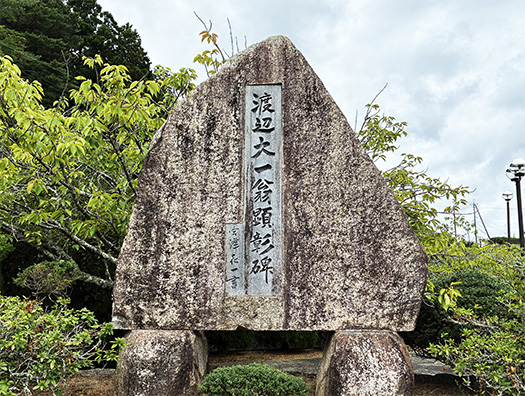
 この故地は行政区画として変遷を重ねてきていて現在は東広島市河内町の「字〜あざ」として残っている。現地には行政区画の変遷をあらわす石碑がある。以前は独立した村だったが、現在までの経緯記述。そういうなかでこの「社会福祉協議会」さんが、地域機能窓口になっていただけた次第。
 送られてきた資料書籍は広島県史と比べても冊子サイズが大きく,装丁は重厚で広島県史とまったく見劣りしない。いち「字」として異例の重厚な記録資料。想像すれば自治体消滅に際して、県史並みの重厚さと予算で資料を収集保存させた事実が伝わってくる。
 この資料の存在を知って入手し研究したいと思って調べたが、国立国会図書館や東広島市中央図書館には保存されていたが、外部に貸出は不可の保存資料扱い。参照するには東京や現地に行って借りてその場で参照するしかない。非常に貴重な極秘資料扱いなのです。
 そこで著者法人の「入野地区社会福祉協議会」に連絡し、販売をお願いした。
 ところが上述の経緯なので「非売品」扱いで現物は保持されていなかった。入野が自治体から「地区」になったとき、住民だけに配布された旧自治体としての痕跡記録だったのです。であるのに当方の事情を勘案してくださり篤志として事務局長さん個人の分を寄贈いただいた(!)。「この事務所に保存があるので、大丈夫です」というありがたい厚意。たぶんはるばる北海道に流離した地縁者への厚情であると理解。深く感謝。先祖の「導き」かも知れない。故地の一族の墓域痕跡のことをお話ししたところ「ああ、あそこですね」との即座のお答え。まことに「染み入り」ます。

 さっそく調べたら上のような記録箇所を発見。1718年段階の広島藩による入野村の「土地境界」調査記録部分ですが「庄屋平七所から・・・」という記述。これは現代文訳すると「庄屋の(原)平七の屋敷地(所)から〜」という意味。この記録年代当時、原平七が「庄屋」だった確かな記録と理解出来る記載。
 わたしの家系地縁の証拠・・・。

●お知らせ
拙書「作家と住空間」幻冬舎から電子書籍で発刊
お求めはAmazonで。
https://amzn.asia/d/eUiv9yO

English version⬇

[Documents from “Iri no,” my ancestral home in Hiroshima Prefecture 400 years ago, have arrived in Hokkaido…]
Judging by the circumstances of its publication, this appears to be a record of the municipality’s dissolution that was distributed exclusively to residents. I have respectfully read the “Iri no Local History” from my ancestral home. Immediately, …

 The “400-Year History of Life” series. Good news for my research.
On March 16, I visited Iri no in Kawachi Town, Hiroshima Prefecture—the “ancestral home” of my family—and felt as though I had journeyed to Nirvana. Yesterday, the local Social Welfare Council sent me a copy of the *Iri no Local History*, published in 2005.
 This ancestral home has undergone numerous changes in administrative boundaries and currently remains as the “Aza” (subdistrict) of Kawachi-cho, Higashi-Hiroshima City. There is a stone monument on site marking these administrative changes. It describes the history from when it was an independent village up to the present day. It is within this context that the “Social Welfare Council” has served as a local information hub.
 The book sent to me is larger in size than the *History of Hiroshima Prefecture*, and its binding is substantial, standing up well to the prefectural history. It is an exceptionally comprehensive record for a single “aza.” One can imagine that, upon the dissolution of the local government, the materials were collected and preserved with a budget and level of detail comparable to that of the prefectural history.
 Upon learning of this material’s existence and wishing to obtain and study it, I investigated. While it was preserved at the National Diet Library and the Higashi-Hiroshima City Central Library, it was classified as a reference-only archive and could not be loaned out. To consult it, one must travel to Tokyo or the local site to borrow it and view it on-site. It is treated as an extremely valuable, top-secret document.
Therefore, I contacted the authoring organization, the “Iri no District Social Welfare Council,” and requested that they sell it to me.
However, due to the circumstances described above, it was treated as “not for sale,” and no physical copies were retained. It was a record of the former municipality’s history, distributed exclusively to residents when Irino was designated a “district” by the local government. Despite this, the secretary-general took our circumstances into consideration and generously donated a personal copy to us as a gesture of goodwill (!). “We have a copy preserved here at the office, so it’s fine,” he said with gracious kindness. I understand this as a deep act of compassion toward a fellow local who had drifted all the way to Hokkaido. I am deeply grateful. It might even be the “guidance” of my ancestors. When I mentioned the traces of our clan’s burial grounds in our hometown, the immediate reply was, “Ah, that place, right?” It truly “touches my heart.”

 I looked into it right away and found the record mentioned above. It’s a section from a 1718 survey of “land boundaries” in Irino Village conducted by the Hiroshima Domain, containing the phrase “from the village headman Heishichi’s residence…” Translated into modern Japanese, this means “from the residence of the village headman (Hara) Heishichi…” This entry can be understood as definitive proof that Hara Heishichi was the “village headman” at the time the record was made.
 Evidence of my family’s local roots…

● Announcement
My book, “Writers and Living Spaces,” has been published as an e-book by Gentosha.
Available on Amazon.

【札幌市西区山の手から遠望の山並み/君の名は?】


「四百年間のいのちの履歴書」と題して、いかにもライフワークとも言える自分と自分の血のルーツのたどった事跡をふりかえって、さまざまな「経験知」を読み取りたいという企図。ようやく準備作業を整えつつあります。さまざまな情報取材、現地「臨場感・空気感」の追体験は深層的インパクト。
 いまも、さまざまな新規取材対象が現れてきて、活発に揺れている。リアリティの実相かと。
 一方で季節はどんどん進んで、首都圏などでは本格的なお花見シーズンかと。わたしたち夫婦も昨年同様、北東北〜道南と花見旅の予定をたのしく立案中。しかし家の周辺の散歩道での季節のゆらぎ観察も非常に興味深く感じられております。
 写真はわが家周辺の発寒川緑地などから遠望される山並み。いつも見ているのですが山の名前は素人にはなかなかわからない。札幌周辺の山名を探してみても、そこそこの高さの山としては「札幌岳」だと思えるのですが、知人からは「百松沢山」ではないかと言われる。確かにそれらしいのですが、地学的知見が乏しいので、当面札幌南方の「山並み」と逃げることにします(笑)。
 Googleの画像検索でこの写真をアップして撮影地を特定しても以下の回答。
〜この山の名前は比叡山(ひえいざん)の可能性が高いです。
場所の特定: この画像に写っている川は、京都を流れる鴨川と考えられます。
山の特徴: 鴨川から北東の方角に見える雪をかぶった大きな山は、京都市左京区と滋賀県大津市にまたがる比叡山である可能性が高いです。〜〜
 おいおい、であります。まぁ、AI特有のフェイクと笑うしかない。

 しかし見慣れるに従って、山名が不明ということからむしろ印象が深くなってくる(笑)。古すぎて恐縮なんですが、戦後すぐの頃に「君の名は」という映画がヒットしていたそうです。いまのわたしは、徐々にこの山並みに焦がれてきてしまっている(笑)。謎がこころのなかであわく融けて「好き」に変化する・・・。自分的に動態観察するとそういう状態になっている。まことに「君の名は?」。
 はじめは「なんか、段々状でみったくないっしょや」と思っていたものが、とくに雪融け時期のグラデーションをより強調するかのような山並みぶりに陶然とさせられている。ヤバい(笑)。

●お知らせ
拙書「作家と住空間」幻冬舎から電子書籍で発刊
お求めはAmazonで。
https://amzn.asia/d/eUiv9yO

English version⬇

[A distant view of the mountain range from Yamanote, Nishi Ward, Sapporo / What’s your name?]
A nearby mountain range whose name I don’t even know. It’s strange how my initial impression—“It looks kind of terraced and unattractive, doesn’t it?”—gradually shifts to “It’s quite charming.” …

Titled “A 400-Year Resume of Life,” this project aims to reflect on the journey I’ve taken to trace my own roots and those of my bloodline—a true life’s work—and to extract various forms of “experiential knowledge” from it. I’m finally getting the groundwork in place. Gathering diverse information and reliving the “sense of presence and atmosphere” of the locations has had a profound impact.
Even now, various new subjects for research are emerging, keeping things lively. Is this the true nature of reality?
Meanwhile, the seasons are rapidly advancing, and in the Tokyo metropolitan area, it seems the full-fledged cherry blossom viewing season has arrived. My wife and I, just like last year, are happily planning a cherry blossom viewing trip through northern Tohoku to southern Hokkaido. However, observing the subtle seasonal shifts along the walking paths near our home is also proving to be quite fascinating.
The photo shows the mountain range viewed from the Hatsukari River Greenbelt near our home. I see it every day, but as a layperson, I find it quite difficult to identify the names of the mountains. When I look up mountain names around Sapporo, the one that seems to fit for a mountain of that height is “Mt. Sapporo,” but an acquaintance suggested it might be “Mt. Hyakumatsu.” It certainly looks like it could be, but since I lack geological knowledge, I’ll just call it the “mountain range” south of Sapporo for now (laughs).
When I uploaded this photo to Google Image Search to identify the location, I received the following response:
~The name of this mountain is most likely Mt. Hiei.
Location identification: The river shown in this image is believed to be the Kamo River, which flows through Kyoto.
Mountain characteristics: The large, snow-capped mountain visible northeast of the Kamo River is highly likely to be Mt. Hiei, which straddles Sakyo Ward in Kyoto City and Otsu City in Shiga Prefecture.
 Come on, really. Well, I guess I just have to laugh it off as typical AI nonsense.

However, the more I look at it, the more the fact that the mountain’s name is unknown actually makes it leave a deeper impression (lol). I’m a bit embarrassed to admit how old-fashioned this is, but apparently there was a hit movie called “Your Name” right after the war. Right now, I’m gradually finding myself captivated by this mountain range (lol). The mystery is slowly melting away in my heart and transforming into “love”… When I observe it in real time, that’s the state I find myself in. Truly, “What is your name?”
At first, I thought, “Hmm, it looks kind of like terraces and isn’t very pretty,” but now I’m entranced by the way the mountain range seems to emphasize the gradation of colors, especially during the snowmelt season. This is bad (lol).

● Announcement
My book, “Writers and Living Spaces,” has been published as an e-book by Gentosha.
Available on Amazon.


【日本発の世界標準文化/マンガの国家戦略化は?】


 写真は、Yahooニュース記事のトップにあった記事から(日テレNEWS)。
 「かめはめ波」日本人なら誰でも知っている仮想世界の必殺技が、世界の外交の場で「共通言語化」されてコミュニケーションされることがユニークだと思えた。マクロンさん日本文化へのシンパシー、ありがとうとニッコリ応えたくなる。人間の内心はみんな単純なんですよね。
 こういうギャグ感覚が伝達され友好的雰囲気で会談になれば、きわめて有益。
 わたしたち70代くらいの年代は月刊誌から週刊誌にマンガが文化領域として急発達していった時期に少年少女期を過ごして、毎月・毎週ハラハラドキドキしながらマンガ誌の発売を待っていた。おっかないオトナの一部からは「あんな下らないもの!」みたいな白眼視を送ってきたひともいたけれど、いまこの時代になると日仏首脳会談での共有文化資産にまで上り詰めてきている。ドヤ、でありますね(笑)。
 はるかな少年期・中学生の頃は友人たちとマンガサークルのようにして過ごしていた。はじめて描いてみた作品は残念ながら父に「こんなものは燃やしてやる!」とボイラーの灰にされてしまった(泣)。その悲しみの余りプチ家出してしまっていた。おなかが空いて2時間後くらいに帰って来たけれど(笑)。仕方なく母に付き添われてプチ家出については謝らされた。しかしさすがに父も「マンガ」そのものについてはその時、口には出さなかった記憶がある。父との根底的対話の始原かと。
 そのマンガは「オマエ最期まで描けたんだ」と友人たちから驚かれ羨望の目線も受けていた。
 おっと、余談が過ぎる(笑)。しかしはるかな人生航路の終盤でビジネス的なマンガ制作として10数年前に5冊ほどのマンガ作品を創っていた。創造者としてのある達成感は持つことが出来た。ドヤ(笑)と。

 しかし鳥獣戯画以来の日本のマンガ文化はいま、世界から強い共感を獲得してきている。これを日本は世界への平和文化貢献策としてノーベル賞並みの賞を創造するなど、国家戦略化すべきではないだろうか?とくに分断化してきている世界のなかで、マンガパワーには計り知れない未来性がある。悪意ある国の「世論工作(認知戦)」が人々の心を蝕む「毒」だとしたら、日本のマンガ文化こそは世界を癒やす「薬」になるのではないだろうか。マンガには理屈ではなく感性で共鳴させる力がある。これこそ今の殺伐とした国際社会が必要としている「平和の必殺技」かもしれない。
 日本はこの共鳴力を娯楽で留めず国家としての「和の戦略」にまで高めていくべきだと感じる。

●お知らせ
拙書「作家と住空間」幻冬舎から電子書籍で発刊
お求めはAmazonで。
https://amzn.asia/d/eUiv9yO

English version⬇

[A Global Cultural Standard Originating in Japan: Should Manga Be Made a National Strategy?]
“Is that it?!” (laughs). As the birthplace of this globally recognized cultural phenomenon, shouldn’t we be devising a national strategy to leverage it and foster further growth? …

 The photo is from the top of a Yahoo News article (Nippon TV News).
It struck me as unique that the “Kamehameha Wave”—a fictional special move known to every Japanese person—has become a “common language” used for communication on the global diplomatic stage. I felt like smiling and saying, “Thank you,” to Mr. Macron for his appreciation of Japanese culture. Deep down, we’re all pretty simple, aren’t we?
 If this kind of sense of humor can be conveyed and lead to a friendly atmosphere during the summit, it would be extremely beneficial.
We, the generation in our 70s, spent our childhood and teenage years during a time when manga rapidly evolved from a cultural niche in monthly magazines to one in weekly magazines, and we used to wait with bated breath every month and every week for the release of manga magazines. Some of the scary adults looked down on them, saying things like, “Such nonsense!” But now, in this day and age, they’ve risen to become a shared cultural asset at a Japan-France summit. We’ve got something to be proud of, haven’t we? (laughs)
Back in my distant childhood and junior high school days, I used to hang out with friends like we were in a manga club. Unfortunately, the first piece I ever drew was turned into boiler ash by my father, who declared, “I’ll burn this thing!” (sob). I was so heartbroken that I ran away from home for a bit. I came back about two hours later because I was hungry, though (laugh). Reluctantly, I was made to apologize for my little runaway by my mother. However, I recall that my father, surprisingly, didn’t say a word about “manga” itself at that time. Perhaps that was the origin of our fundamental dialogue.
 That manga drew looks of surprise and envy from my friends, who told me, “You actually managed to finish it!”
Oops, I’m getting too sidetracked (lol). But toward the end of my long life’s journey, I created about five manga volumes over a decade ago as part of a commercial manga project. I was able to feel a sense of accomplishment as a creator. I’m so proud of myself (lol).

 However, Japanese manga culture—which traces its roots back to the *Chōjū-giga*—is now gaining strong resonance around the world. Shouldn’t Japan make this a national strategy, perhaps by creating an award on par with the Nobel Prize as a way to contribute a culture of peace to the world? Especially in a world that is becoming increasingly divided, the power of manga holds immeasurable potential for the future. If the “public opinion manipulation (cognitive warfare)” carried out by malicious nations is a “poison” that corrodes people’s hearts, then surely Japanese manga culture could serve as the “medicine” to heal the world. Manga possesses the power to resonate with people not through logic, but through emotion. This may well be the “ultimate peace move” that today’s turbulent international society desperately needs. I strongly feel that Japan should not limit this power of resonance to mere entertainment, but rather elevate it to a national “strategy of harmony” by establishing an international recognition system on par with the Nobel Prize.

● Announcement
My book, “Writers and Living Spaces,” has been published as an e-book by Gentosha.
Available on Amazon.


【歩きすぎへ筋肉アラート&怪しい「工作」注意報】


 本日起床時、寝床にて節々からのアラート実感。局所的に筋肉疲労痕跡。
 札幌は好天が続いていて、どうしても元気いっぱいに歩きまわりたくなる。クルマもあんまり利用せずに、ちょっとした買い物もついつい元気よく「歩いて」買って来てしまう。高齢者性「健康増進」症候群、とでも名付けられそうな状況になっていたかも知れません。ほどほどを心がけたいけれど、ついついトップギアにしてしまう。
 1日の「歩数」目標設定でも、よく言われる8,000歩に対して「う〜む、あんまりキリがよくないなぁ。やっぱり10,000だろう」と考えてしまうのですね。でも、その目標値に対しても「ゆとりを持って達成したい」と考えて1割2割と「多め」目標になってしまう。貧乏性(笑)。
 ということですが、しかし散歩は気持ちがアップしてきますね。
 自宅周辺をおおむね7-8kmほどはあちこちと歩きまわるワケで、先日の知人のワンちゃんなみに、その日の気分で方角を変えて、「あ、あの辺はあんまり歩いていないなぁ」という方角を見つけてはどんどん向かってしまいます。そういう場所から、見慣れた「快適コース」に復活してくると楽しさも深まってくる感じがあるのですね。腹八分目、っていうのがいいかもですね。
 先日中国大使館に「侵入」して身柄拘束された自衛官について、ようやく機微な情報が伝わって来始めました。警察当局からは「侵入」についての容疑だけが発表されている。一方で中国側からは「刃物を持って危害を加えようとしていた」という発表。アメリカ・中国・ロシアの各大使館については日本の警察側は常時、厳重な警戒を行っているのに、今回は「侵入」であるとされているのに、アラートも発出されていなかった、など不審な状況、などなどという情報です。
 つい先日も読売新聞のスクープで中国による日本社会への世論工作が、詳細に暴露されていましたが、われわれも注意深く、事象をチェックしていく必要がありますね。一般人であってもメールやSNSなどでも不審なものが多い。冷静な対応が求められますね。

●お知らせ
拙書「作家と住空間」幻冬舎から電子書籍で発刊
お求めはAmazonで。
https://amzn.asia/d/eUiv9yO

English version⬇

[Muscle Alert for Overwalking & Warning About Suspicious “Manipulation”]
The “I-Want-It-Now Syndrome” is in full swing. Remember: moderation is key in everything. Meanwhile, warnings have also been issued regarding manipulative activities. Be cautious with information as well…

 When I woke up this morning, I felt a tingling sensation in my joints while still in bed. There were signs of localized muscle fatigue.
The fine weather has been continuing in Sapporo, and I just can’t help but want to walk around full of energy. I’ve been using the car very little, and even for small errands, I end up cheerfully “walking” to get them done. It might have been a situation that could be called “senior citizen health promotion syndrome.” I try to keep it moderate, but I end up shifting into high gear before I know it.
 Even when setting a daily “step count” goal, instead of the commonly cited 8,000 steps, I find myself thinking, “Hmm, that doesn’t feel like a nice round number. It’s gotta be 10,000, right?” But even with that target, I want to “achieve it with some room to spare,” so I end up setting a goal that’s 10–20% higher. I guess I’m just a penny-pincher (laughs).
That said, taking a walk really does lift my spirits.
 I usually end up walking around 7–8 km in various directions around my neighborhood. Just like my friend’s dog the other day, I change direction depending on my mood that day, and whenever I spot a direction where I think, “Oh, I haven’t walked much in that area,” I just keep heading that way. There’s a sense that the enjoyment deepens as I return from those places back to my familiar “comfortable route.” Maybe “eating until you’re eighty percent full” is the way to go.
 Regarding the Self-Defense Forces officer who “trespassed” into the Chinese Embassy the other day and was detained, sensitive details are finally starting to emerge. Police authorities have only announced charges related to “trespassing.” Meanwhile, the Chinese side has stated that he “was carrying a knife and attempting to cause harm.” The information points to suspicious circumstances, such as the fact that while Japanese police maintain constant, strict vigilance around the embassies of the United States, China, and Russia, no alert was issued in this case even though it is being treated as a “trespass.”
 Just the other day, a Yomiuri Shimbun exclusive exposed in detail China’s efforts to manipulate public opinion in Japanese society. We, too, need to carefully monitor these developments. Even among the general public, there are many suspicious messages circulating via email and social media. A calm and measured response is required.

● Announcement
My book, “Writers and Living Spaces,” has been published as an e-book by Gentosha.
Available on Amazon.


【現代「個人主義」と伝統的な「家」価値の相克】


「四百年間のいのちの履歴書」シリーズについて再度、書き進めてみたい。
 現代、明治以降から日本は西欧的価値観を受容して社会的な「価値観」を世界標準に限りなく準拠させて社会を改造してきた。そうしなければ欧米列強から植民地支配される恐怖心から、脱亜入欧というスローガンも叫ばれ、日本は世界の中で特異な地位を築いていった。西洋人から見ても非常に奇異な国家・民族として認識されたことだろう。
 そして第2次世界大戦・原爆投下を経て、今日の戦後世界がある。
 この期間はもうすぐ「江戸時代」の長さに近づきつつある。江戸期はほぼ250年間。それに対して明治以降の時間は158年になろうとしている。戦後社会もすでに80年超。
 この時間経過の中でいちばん大きな社会変化が、それまでの社会意識としての「家の存続」という基底的価値概念から、個人個人が法人組織に雇われる人生に変化してきたことが大きい。資本主義社会が生成発展していく中で、それまでの人間意識の根幹の「家の存続発展」という無上の価値観が、個人が直接社会との契約する社会に変容していった。家と個人の大きな価値観逆転だろうか。
 一方で戦国時代、多くの日本人は家系の存続と繁栄のために自分一個のいのちを捨てることすら厭わなかった。武士道とは死ぬこととみつけたり・・・。
 写真はわが家系に伝承されている六世の祖、1770-1836年の世を生きた三木寛蔵が書き残した「原氏由来の事」の巻物。この祖先は生まれて1歳で父親を亡くし母と祖母の愛情に支えられ、尾道周辺での商家だった父の跡を追って、やがて家を再興させた。しかしそういう人生経緯からか、激しく自分というもの、その生かされた血脈に心が向き合って、家名も変化した経緯までたどって、かれからみて曾祖父、さらにその先の先祖のことまで調査した。
 その軌跡を表現したのがこの巻物一巻。血脈のDNAを必死に探求しただろう事が想像できる。
 こういう「家」というもの、自分のDNAというものへの帰依のこころ。
 現代のわたしは、個人主義の時代に生きているのだけれど、この祖先からの「叫び声」のようなものに深く、鷲づかみにされる。そして孫が生まれ、血脈のあたたかさに満たされている・・・。
 家と個人主義。はたしてこの社会の行く先は?

●お知らせ
拙書「作家と住空間」幻冬舎から電子書籍で発刊
お求めはAmazonで。
https://amzn.asia/d/eUiv9yO

English version⬇

[The Conflict Between Modern “Individualism” and Traditional “Family” Values]
Is exploring one’s family history driven by a desire to feel the “warmth” of one’s bloodline? A longing for values that modern individualism cannot provide. …

I would like to resume writing about the “Four Hundred Years of Life’s Resume” series.
In modern times, since the Meiji era, Japan has embraced Western values and transformed its society by aligning its social “values” as closely as possible with global standards. Driven by the fear of colonial domination by Western powers, the slogan “Leave Asia, Join the West” was championed, and Japan established a unique position in the world. From a Western perspective, Japan must have been perceived as a highly peculiar nation and people.
Then, following World War II and the atomic bombings, we arrived at the postwar world of today.
This period is now approaching the length of the Edo period. The Edo period lasted nearly 250 years, whereas the time since the Meiji era is about to reach 158 years. Postwar society has already lasted over 80 years.
The most significant social change during this time has been the shift from the fundamental value of “the survival of the family”—which had been the basis of social consciousness—to a life in which individuals are employed by corporate organizations. As capitalist society emerged and developed, the supreme value of “the survival and prosperity of the family,” which had been the foundation of human consciousness, transformed into a society where individuals enter into direct contracts with society. Is this a major reversal of values between the family and the individual?
On the other hand, during the Warring States period, many Japanese people did not even hesitate to sacrifice their own lives for the survival and prosperity of their family line. “Bushido is to die…”
The photograph shows a scroll titled “The Origin of the Hara Clan,” written by Miki Kanzo (1770–1836), the sixth-generation ancestor passed down in my family lineage. This ancestor lost his father at the age of one and was raised by the love of his mother and grandmother. He followed in the footsteps of his father, who had been a merchant in the Onomichi area, and eventually revived the family business. Perhaps because of these life experiences, he became intensely focused on his own identity and the bloodline that sustained him. He traced the history of how the family name had changed and investigated his great-grandfather and even earlier ancestors.
This scroll captures that journey. One can imagine how desperately he must have sought out the DNA of his bloodline.
This devotion to the concept of “family” and to one’s own DNA.
Although I live in an age of individualism, I am deeply gripped by what feels like a “cry” from these ancestors. And now that I have a grandchild, I am filled with the warmth of this bloodline…
Family versus individualism. Where is this society headed?

● Announcement
My book, “Writers and Living Spaces,” has been published as an e-book by Gentosha.
Available on Amazon.