
昨日は北海道建設局住宅局の「民間住宅施策推進会議」に参加。
日本の基本的な住宅政策は当然、国土交通省担当ですが、亜熱帯から亜寒帯まで南北に長い国土では、北海道は気候的に他地域と大きく環境が異なる。気候だけではなく国土利用史で見ても他地域が数千年レベルなのに北海道島はたかだか150年前後。勢い他地域とは違う「住宅史」を経てきた。
高断熱高気密という住宅「性能」への希求が特異進化した地域性。そもそも北海道の国土利用が遅れたのはその気候風土が在来日本社会とは異質だったことが大きい。移住してきた人びとは、列島社会で建てられていた「在来工法」の家では寒冷気候には耐えられず、より暖かい家を求めたが、本州以南社会からは無回答だった。やむなく知見を北欧北米の住宅から学んできた歴史が積層している。
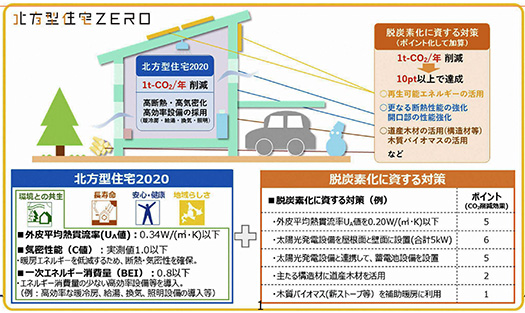
今日になって本州社会でも住宅「性能」は受容されてきているけれど、北海道は「住宅施策」で独自に全国を先導し続けている。北方型住宅という住性能基準を指し示し続け、またそういう高性能基準に適合した建物をごく当たり前に建てられる工務店・技術者のレベルが担保されている。
こういった総体は間違いなく巨大な「地域資産」。
そういう基底の流れの中で、いまリアルタイムな課題が生起して来ている。それは地域を覆う「人口減少」と住宅着工数の減少傾向。戦後以降続いてきた、働いて持ち家を建てるのが当然という人生価値観が、大きく様変わりを見せ始めていること。
このことがコロナ禍以降の世界的な原材料価格の高騰を受けての住宅コストの爆上りを招き、一般的な世帯には住宅建築は「高嶺の花」化してきたこと。
さらにそういう趨勢の中で「性能基準」を上げるだけの施策にはコスト上昇要因として市場に影響を与えてしまうこと。行政側の基準上昇は民の生活苦に直結してしまう矛盾までが一部で出てきている。住宅ではないが、子育ての施策として赤ちゃん用のチャイルドシート基準義務化が定められたので、民の出費を強制してしまっている現実。住宅施策はそのような方向になってはならない。住宅基準は「民の暮らしやすさ」が目的であるべきであり、そういうコスト上昇を招くだけになる施策には意味があるのか?と思える。
わたしとしては、今後の施策方向としてそのような意見具申をさせていただきました。
●お知らせ
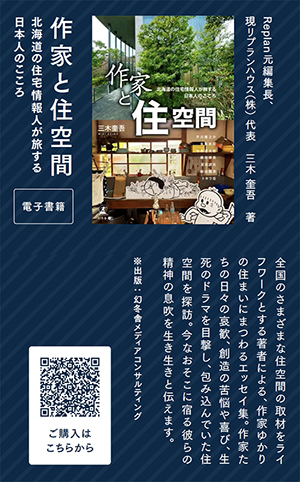
拙書「作家と住空間」幻冬舎から電子書籍で発刊
お求めはAmazonで。
https://amzn.asia/d/eUiv9yO
English version⬇
[Participated in a “Consultative” Meeting on Hokkaido’s Housing Policies]
The reality of rising costs for raising children due to stricter standards and legal requirements for child safety seats. Isn’t a focus on stabilizing and improving people’s lives essential for the direction of housing policies? …
Yesterday, I attended the “Private Housing Policy Promotion Conference” hosted by the Housing Bureau of the Hokkaido Construction Bureau.
While Japan’s basic housing policy is naturally the responsibility of the Ministry of Land, Infrastructure, Transport and Tourism, Hokkaido’s climate and environment differ significantly from other regions due to the country’s elongated north-south geography, which spans from subtropical to subarctic zones. This difference extends beyond the climate; while other regions have a history of land use spanning thousands of years, Hokkaido’s history dates back only about 150 years. Consequently, it has undergone a “housing history” distinct from that of other regions.
This has led to a unique regional development and evolution in the pursuit of high-performance housing characterized by superior insulation and airtightness. The primary reason for the delayed land development in Hokkaido was that its climate and natural environment were fundamentally different from those of traditional Japanese society. Settlers found that the “traditional construction methods” used in the archipelago were insufficient to withstand the cold climate, so they sought warmer homes—yet received no solutions from the societies south of Honshu. Consequently, a history of learning from housing in Northern Europe and North America has accumulated over time.
While housing “performance” has now been accepted in Honshu as well, Hokkaido continues to lead the way with its own unique housing policies. It continues to set forth its own housing performance standards known as “Northern-style housing,” and the skill level of contractors and technicians capable of building structures that meet these high-performance standards as a matter of course is well-established.
This overall framework is undoubtedly a massive “regional asset.”
Amid this underlying trend, real-time challenges are now emerging. These include the “population decline” affecting the region and the downward trend in housing starts. The postwar value system—where it was taken for granted that one would work to build a home—is beginning to undergo a significant transformation.
This, combined with the global surge in raw material prices following the COVID-19 pandemic, has led to a skyrocketing rise in housing costs, making home construction an “unattainable luxury” for the average household.
Furthermore, within this trend, policies aimed solely at raising “performance standards” are impacting the market by driving up costs. In some cases, a contradiction has even emerged where the government’s raising of standards directly contributes to the financial hardship of the people. While this does not pertain to housing, the reality is that mandatory standards for infant car seats—intended as a child-rearing measure—have effectively forced additional expenses upon the public. Housing policies must not follow this path. Housing standards should aim to “improve the ease of living for the public”; one must question whether policies that merely drive up costs serve any meaningful purpose.
I have submitted these opinions as recommendations for the future direction of policy.
● Announcement
My book, “Writers and Living Spaces,” has been published as an e-book by Gentosha.
Available on Amazon.
共有:

Posted on 3月 26th, 2026 by 三木 奎吾
Filed under: 未分類





コメントを投稿
「※誹謗中傷や、悪意のある書き込み、営利目的などのコメントを防ぐために、投稿された全てのコメントは一時的に保留されますのでご了承ください。」
You must be logged in to post a comment.