
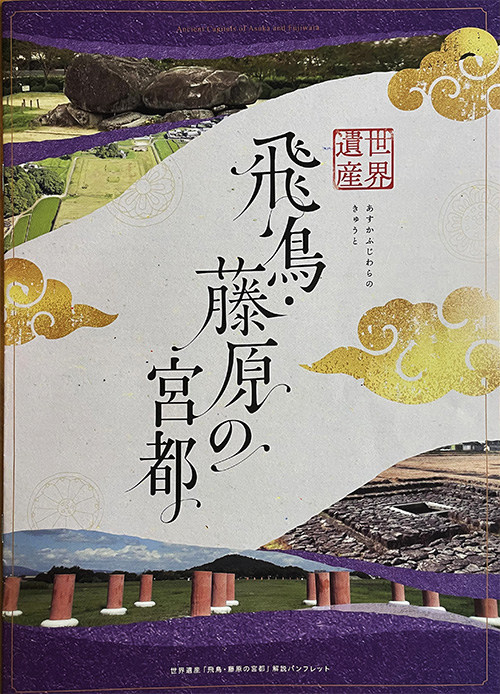
昨日、奈良県橿原に住む知己から、長年取り組まれてきた「飛鳥藤原の宮都」世界遺産登録の地域を挙げた運動がことし、無事に実ったよろこびの資料が送付されてきた。ことし7/26に韓国釜山で開かれた「第48回世界遺産委員会」で審議され、記載が決定したということ。その決定を受けて、世界遺産「飛鳥藤原」協議会が「解説パンフレット」を送付いただいた次第です。
歴史数寄のわたしは、7-8年前頃からこの飛鳥藤原の地域の古代ニッポンに魅せられて、ちょこちょこと探訪させていただいて来ていました。その過程で、この知己とも知り合う機会を得て、現地のみなさんの熱意にも深く打たれてきた次第です。
実際に明日香村を中心に探訪を重ねていると、日本で王権がどのように形成されていったのか、まだ日本語としての固定された表記・表音のできる以前の地名と人名などが独特のロマンを感じさせてくれていました。実際に現地に行ってみると、奈良京都とは違ってまだインバウンドもそれほどではなく、たまたま奈良で見学時に大量の外人さんたちに閉口してこの飛鳥に「逃れて」いたほどに、静かな環境が保たれていました。まぁこの点は世界遺産登録によって、今後どうなるか、不明。
いずれにせよ、まことに喜ばしい限りです。あの飛鳥の地の「悠久感」は日本人として一度は味わっておきたい感覚だと思っています。わたし的にはさらに奥の「熊野」の探訪が数寄の極地のような気がしていますが、しかし熊野から飛鳥を往復したりすることも、無上のよろこび。
いにしえの神武天皇の足跡までもしのばれて、日本の神話構成のオモシロさに耽溺してしまう。神武東征の説話では九州・高千穂から出発して、瀬戸内海を東進し、はじめ大阪湾地域で上陸を企図するが、長髄彦によって阻まれて長兄はその戦傷で世を去り、末弟の神武が熊野灘から上陸して捲土重来を果たすという流れ。
西日本に多い「末子相続」習俗の反映のようでもあり、神話的世界を離れても日本民族の文化伝統を深く伝えてくれるようで、まことに興味深い。
こちらの知己はご夫婦で画業に励まれていて、そのタッチもこうした「地域ロマン」を想起させてくれます。
多くのみなさんがこうした日本の「眠れる」浪漫に触れられることを祈念します。
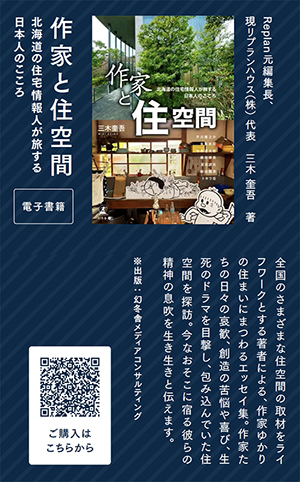
●お知らせ
拙書「作家と住空間」幻冬舎から電子書籍で発刊
お求めはAmazonで。
https://amzn.asia/d/eUiv9yO
English version⬇
[Receiving Documents Celebrating the Inscription of “The Palace Cities of Asuka and Fujiwara” on the World Heritage List]
The birthplace of the Yamato royal authority. The layers of its relationships with Asia. The atmosphere of the origins of Japanese Buddhism—all of which stimulate the connoisseur’s sensibilities. …
Yesterday, an acquaintance living in Kashihara, Nara Prefecture, sent me some materials expressing his joy that the campaign he has been working on for many years—to have the “Asuka-Fujiwara Palace Capital” area designated as a World Heritage Site—finally bore fruit this year. I was told that the matter was deliberated at the “48th Session of the World Heritage Committee,” held in Busan, South Korea, on July 26 of this year, and the inscription was approved. Following this decision, the “Asuka-Fujiwara” World Heritage Council sent me an “explanatory pamphlet.”
As a history enthusiast, I’ve been captivated by ancient Japan in the Asuka-Fujiwara region for about seven or eight years now and have been making occasional visits there. During that time, I had the opportunity to meet this acquaintance and was deeply moved by the enthusiasm of the local people.
As I continued to explore the area, centered around Asuka Village, I found a unique sense of romance in the place names and personal names from a time before Japanese had established standardized written forms or phonetic systems—names that offered a glimpse into how royal authority was formed in Japan. When I actually visited the site, unlike in Nara and Kyoto, there weren’t that many foreign tourists yet; in fact, the environment remained so peaceful that I had even “escaped” to Asuka after being overwhelmed by large crowds of foreign visitors during a previous visit to Nara. Well, it remains to be seen how this will change in the future following its designation as a World Heritage Site.
In any case, it is truly a cause for celebration. I believe that the “sense of timelessness” in Asuka is something every Japanese person should experience at least once. Personally, I feel that exploring “Kumano,” further inland, is the pinnacle of connoisseurship; however, even making a round trip from Kumano to Asuka brings me supreme joy.
One can even trace the footsteps of the ancient Emperor Jimmu, and I find myself completely absorbed in the fascinating structure of Japanese mythology. According to the legend of Emperor Jimmu’s Eastern Campaign, he set out from Takachiho in Kyushu, advanced eastward across the Seto Inland Sea, and initially planned to land in the Osaka Bay area. However, he was thwarted by Nagasunehiko; his eldest brother perished from battle wounds, and the youngest brother, Jimmu, landed at Kumano-nada and made a successful comeback.
This seems to reflect the custom of “inheritance by the youngest son,” which is common in western Japan, and even when viewed outside the realm of mythology, it deeply conveys the cultural traditions of the Japanese people—which I find truly fascinating.
A couple I know are both dedicated to their artistic careers, and their artistic style also evokes this kind of “regional romance.”
I hope that many of you will have the opportunity to experience this “sleeping” romance of Japan.
● Announcement
My book, *Writers and Living Spaces*, has been published as an e-book by Gentosha.
Available on Amazon.
共有:

Posted on 8月 21st, 2026 by 三木 奎吾
Filed under: 未分類




コメントを投稿
「※誹謗中傷や、悪意のある書き込み、営利目的などのコメントを防ぐために、投稿された全てのコメントは一時的に保留されますのでご了承ください。」
You must be logged in to post a comment.