
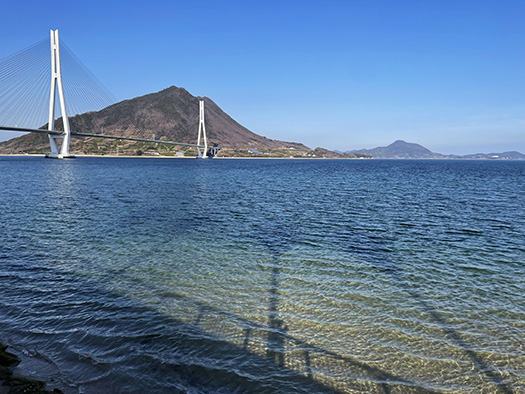
わたしは1905年に祖父が福山市近郊の故地から、北海道へ渡った家系の末裔。
今の時点から言えば120年ほど前にこの瀬戸内海に面した至福の気候風土の地から、過酷な寒冷地域に流離していった一族ということ。で、血脈のルーツの地について格別のこだわりを抱いて、巡り歩くことに「数寄」を感じるタイプということになる。仕事の現役を離れてきて、そういう自分の内心について向き合う時間を持てるようになって来たのだとも言える。たいへんありがたいと深く感謝。
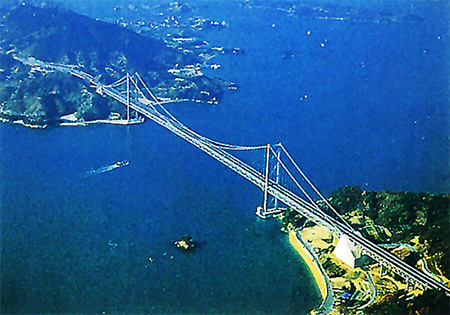
なんですが、北海道のきびしい自然環境の寒冷さからはこの瀬戸内のしまなみ街道など、異次元の涅槃感を感じさせられてきている。単純に天国に一番近い空気感の地だと思う。しかし、明治期にはこういう土地から多くの人びとが新天地を求めて、あるいは北海道に、あるいはアメリカハワイなどへ旅立った。
そのような末裔には、望郷の念のままにこの瀬戸内海地域に墓地を求める人もいる。一方、そのあらたな故郷に骨を埋めるという人もいる。わたしの家系では、父は後者として北海道にやってきた祖父の遺骨といっしょに北海道の墓域に眠っている。一方父の兄の系統はこちらで縁のある寺の墓域に葬られた。
わたしはたぶん父の定めた選択に従うように思えるが、この故地にも敬意は払っていきたいと思う。
次兄がルーツ探索の言い出しっぺなので、末弟としては従順に従うことになる。「四百年間のいのちの履歴書」というテーマで掘り下げてくると強く愛着も起こってきますね。とくにこの半年ほどで3回も探訪していることになりその分、資料データも多くなってきて情報積層もハンパない。今回の旅では福山駅前のホテルで宿泊していましたが、そういう風に「毎日帰ってくる」経験まで重なってくると一層ですね。
まぁ「ダブル故郷」とでも言える感じになって来ている(笑)。そういえば最近は2地点居住ということも現実化してきているので、現代人の生き方のひとつのモデルになるのかも知れませんね。
せっせと取材の写真や情報整理に没頭しながら、妄想が膨らんでおります・・・。
●お知らせ
拙書「作家と住空間」幻冬舎から電子書籍で発刊
お求めはAmazonで。
https://amzn.asia/d/eUiv9yO
English version⬇
[Hokkaido and the Alluring Seto Inland Sea / “Two Hometowns”? (lol)]
Since modern lifestyles have become increasingly complex, perhaps defining the very concept of “hometown” has also become more complicated? …
I am a descendant of a family whose grandfather left his ancestral home near Fukuyama City in 1905 to settle in Hokkaido.
From today’s perspective, this means that about 120 years ago, my clan left this land of blissful climate and natural beauty facing the Seto Inland Sea to settle in a harsh, frigid region. Consequently, I am the type of person who feels a special attachment to the land of my ancestral roots and finds a certain “passion” in traveling to explore it. Now that I have retired from active work, I’ve finally found the time to truly confront these inner feelings. I am deeply grateful for this.
That said, compared to the harsh, frigid natural environment of Hokkaido, places like the Shimanami Kaido in the Seto Inland Sea give me a sense of nirvana that feels like another dimension. I simply think it’s a place with an atmosphere closest to heaven. Yet, during the Meiji era, many people left this land in search of new horizons, setting off for places like Hokkaido or Hawaii in the United States.
Among their descendants, some seek burial plots in the Seto Inland Sea region, driven by a longing for their homeland. On the other hand, there are those who choose to be laid to rest in their new homelands. In my family, my father rests in a cemetery in Hokkaido alongside the remains of my grandfather, who came to Hokkaido seeking a new life. Meanwhile, my father’s older brother’s family line was buried in the cemetery of a temple with ties to this area.
I likely will follow the path my father chose, but I also wish to pay my respects to this ancestral land.
Since my second older brother was the one who first suggested exploring our roots, as the youngest son, I will obediently follow along. As I delve deeper into the theme of “A 400-Year History of Life,” I find myself developing a strong attachment to it. Especially since I’ve visited three times in the past six months or so, the amount of data and information I’ve accumulated is staggering. On this trip, I stayed at a hotel in front of Fukuyama Station, and when experiences like “coming home every day” start to pile up, it really deepens the connection.
Well, it’s starting to feel like I have a “double hometown” (laughs). Come to think of it, living in two places has become a reality for me lately, so perhaps this could serve as a model for how modern people live.
As I diligently immerse myself in organizing the photos and information from my research, my imagination is running wild…
● Announcement
My book, “Writers and Living Spaces,” has been published as an e-book by Gentosha.
Available on Amazon.
共有:

Posted on 3月 20th, 2026 by 三木 奎吾
Filed under: 未分類


コメントを投稿
「※誹謗中傷や、悪意のある書き込み、営利目的などのコメントを防ぐために、投稿された全てのコメントは一時的に保留されますのでご了承ください。」
You must be logged in to post a comment.