本文へジャンプ

【人間の「美感」は自然に導かれている】


 本日はきのうのブログの整理整頓。 
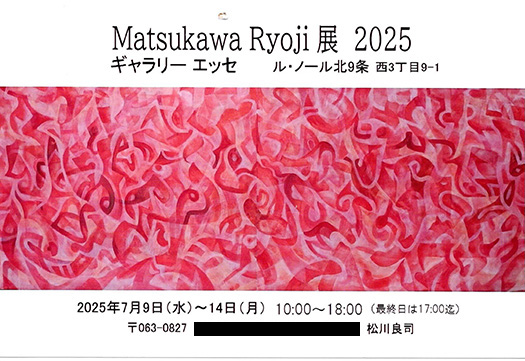
 昨日、高校同期の友人の画業を紹介させていただいた。かれは高校以来、ずっと「抽象画」を描き続けてきているとのことだった。それはかれの信ずるところであり、まったく尊重するべき態度だと思われた。
 しかし一方で、わたし一個の自分自身のことで考えるとわたしは世界を「見る」とき、やはりそこに表示されている「節理」とか、自然のことわり、のようなものへの深い愛着を持っている。というか、すべてはその大きな世界のなかで「生かされて自分がある」と受け止めているのだとあらためて強く感じられた。
 むしろ抽象画を描き続けている友人との対話の中から、自分自身と対話していたと思える。
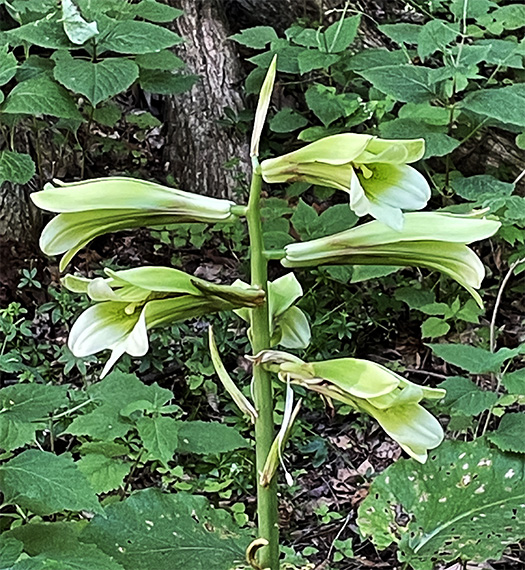
 写真は毎年、散策路の途中でそのいのちの叫び声を聞かせてもらっている「オオウバユリ」のことしの表情。ここには独特の「美感」があり、さまざまな環境条件、種としての「さだめ」に即して必死に生きようとする植物・イキモノとしての本然のままの一心不乱さがある。いのちを輝かせて美を生きているといつも感じる。
 自然はそのあるがままの中で、その「存在としてのありよう」を表現していると思えるのだ。
 抽象画もまた、世界を色と独自の形象の世界と捉え、個人というフィルターを濾過させてそのままに表出させた営為と思える。大きくは存在の美感に従って、その内奥のリズムを表出させている営為。
 この宇宙の森羅万象にある「存在の美」というものと、根源は同じだと思っている。
 あとは、その表現の形の違いではないだろうか。友人とまったく噛み合わない話をしながら、一方でなにか深く共感できる感覚が同時並行していたように思っていた。
 なにか意味不明な感覚表出のようで申し訳ありませんが、なんとなく「気付かされた」のでメモとして書きました。
 
●お知らせ
拙書「作家と住空間」幻冬舎から電子書籍で発刊
お求めはAmazonで。
https://amzn.asia/d/eUiv9yO
English version⬇

Human “sense of beauty” is guided by nature.
After a “dialogue” with a friend of mine who has been painting abstract paintings, I realized that I like the beauty of all things in the forest, just the way they are. I am a fan of the beauty of all things in the forest and of things as they are.

 Today, I’m reorganizing yesterday’s blog. 
 Yesterday, I introduced a friend of mine from high school who has been painting “abstract paintings” ever since high school. He told me that he has been painting “abstract paintings” ever since high school. This is what he believes in, and I thought it was an attitude that I should totally respect.
 On the other hand, when I think about myself as an individual, when I “see” the world, I still have a deep attachment to the ‘reasonableness’ or the “natural order” of things displayed in the world. In other words, I strongly felt once again that I accept everything as if “I am alive and I exist” in this big world.
 In fact, I think I was talking to myself through the dialogue with my friend who continues to paint abstract paintings.
 The photo shows the expression on the face of the “day lilies,” whose screams of life are heard every year along the walking path. There is a unique sense of beauty here, and I always feel that we are living in the beauty of plants and animals that are desperately trying to live in accordance with various environmental conditions and their “destiny” as a species, and that they are single-mindedly shining their life as it is their true nature.
 I believe that nature is expressing its “way of being” in its own way.
 Abstract painting also seems to me to be an art form that sees the world as a continuous world of colors and unique forms, and expresses them as they are, filtered through the filter of the individual. It seems to me that the artist is expressing the inner rhythms of the world according to the aesthetic sense of existence.
 I believe that the “beauty of existence” that continues to exist throughout the universe has the same root.
 What remains to be seen is the difference in the form of expression. While I was having a completely irreconcilable conversation with my friend, I was simultaneously feeling a sense of deep empathy.
 I am sorry if this seems to be an expression of some unintelligible feeling, but I wrote it as a memo because I was somehow “made aware” of it.
 
I am sorry to say that I wrote this as a memo, but I was somehow “made aware” of it.

【高校同期の「絵画」作品鑑賞・人生回想対話】


 わたしの出身の高校は、美術活動とその人材輩出で知られています。わたし自身は小学校1年生の時に札幌市とアメリカ・ポートランド市との姉妹都市提携に際しての児童絵画相互交換のときにコンクールで応募した作品が、特選で選ばれていまも彼の地のどこかに保管されている「ハズ」。死ぬまでには1回、そのときの自分と再会したいという「怖れ」(笑)にも似た心理を持ち続けている。やっぱり絵画は大好きで、いま現在は日本画に惹かれていて東京に行く度に上野の美術館や博物館は欠かせない巡回コースになっている。そういう成長期の心情傾向がいまに至るも支配的である人間です。
 で、自分では描くことはしませんが、高校同期生の美術作品展ということで参観してきました。
 「オレ、日本画が好きなんだよね、鳥獣戯画とか、東山魁夷とか・・・」
 「あ、オレ、東山魁夷、あんまり好きじゃないんだわ」という超絶噛み合わない会話をしておりましたが(笑)、ことは美に関することなので、そういうホンネトークから一気に深く楽しい会話が成立していく。って言っても高校の時にはほとんど会話もしていなかった。じっくり話し込むのは初めてに近い。でも、絵画とか美とかは、そういうものではないでしょうか?一期一会、いきなり内面のリアルな中身が表現されていく世界。
 前述の会話はわたしが言い出して、かれ松川君がそれに応じたもの。絵画の話はそこで噛み合わないままでいったん休憩。で、高校同期の仲間の話題になって人物関係図を整理してまた美学論議。
 「抽象画ってどうなのさ?描く動機ってなんなん?」「う〜ん、色遊び(笑)」
みたいな不成立会話で、ふたたび迷宮に突入。
 ということで大変たのしい会話。時間を忘れて話し込んでおりました。幸い、調整役でカミさんも同行してくれたので、なんとか会話が終了して帰途につくことが出来ておりました。放っていたらエンドレスのすれ違い対話はどこまでも続いていたことでしょう。たのしい絵画展でした。
 7/14までこちらの会場で開かれています。友人の渾身の作品群、ぜひよろしく。

●お知らせ
拙書「作家と住空間」幻冬舎から電子書籍で発刊
お求めはAmazonで。
https://amzn.asia/d/eUiv9yO

English version⬇

[Dialogue on appreciation of “painting” works and life reminiscences of high school classmates]
He has been painting only abstract paintings ever since high school. Amazing. Communication area drawing not on the surface. Super interesting art dialogue. …

 My high school is known for its art activities and the talent it has produced. When I was in the first grade of elementary school, I entered a painting in a contest for the mutual exchange of children’s paintings on the occasion of the sister city affiliation between Sapporo and Portland, U.S.A. The painting was selected as a special prize and is still kept somewhere in his hometown. I have a psychological “fear” (laugh) that I would like to see my work again before I die. He is also a lover of paintings, and is currently attracted to Japanese paintings, making the Ueno Museum and Art Gallery an indispensable part of his itinerary whenever he goes to Tokyo. I am a person whose emotional tendencies from growing up are still dominant even today.
 So, although I do not paint myself, I went to see an exhibition of artwork by my high school classmates.
 We were having a very awkward conversation, “I like Japanese paintings, like the Birds and Beasts Caricatures and Kaii Higashiyama…”
“Oh, I don’t really like Kaii Higashiyama,” he said (laugh), but since it was about beauty, the conversation started from such honest talk and quickly turned into a deep and fun conversation. But since the conversation was about beauty, we started to have a deep and enjoyable conversation. It was almost the first time for me to talk to him at length. But isn’t that what painting and beauty are all about? A world where the real content of the inner world is suddenly expressed, once in a lifetime.
 The aforementioned conversation was initiated by me, to which Mr. Matsukawa responded. We took a break from talking about paintings without getting into it. Then, we got back to the topic of our high school classmates, and we started discussing aesthetics again, organizing the relationship between people and figures.
 What about abstract paintings? What’s the motivation for painting?” We plunged back into the labyrinth with unsuccessful conversations such as, “Well, playing with colors (laughs).
 The conversation was very enjoyable. We talked and talked, losing track of time. Fortunately, my wife was there to help coordinate the conversation, so we were able to finish it and head home. If I had left it alone, the endless conversation would have gone on forever. It was a fun exhibition.
 The exhibition will be held at this venue until 7/14. Please come and see my friend’s works.

Notice
My book “The Artist and the Living Space” is published by Gentosha as an e-book.
You can buy it at Amazon.

【天上からの音の涅槃 札幌近郊・長沼町道の駅にて】


IMG_2873 ⇐ こちらをクリックして別画面で音楽再生してください。

 本日は連載テーマ「石見銀山」発掘シリーズは、ひと休み。どうも意識のバランスを取るのには、探究型の志向性と同時に世間感覚の両面を往復するような必要があると思います。いまは住まいと人間、的な興味分野であれこれと深掘り「取材」を継続してきているのですが、ときどきは意識的な休息を。
 世間的な仕事関係ではややフリーな立場になってきつつある人間としては、時間的には自由時間が増えてくるので一昨日カミさんと連れだって、新鮮野菜の買い出しに札幌近郊の長沼町・道の駅へ。
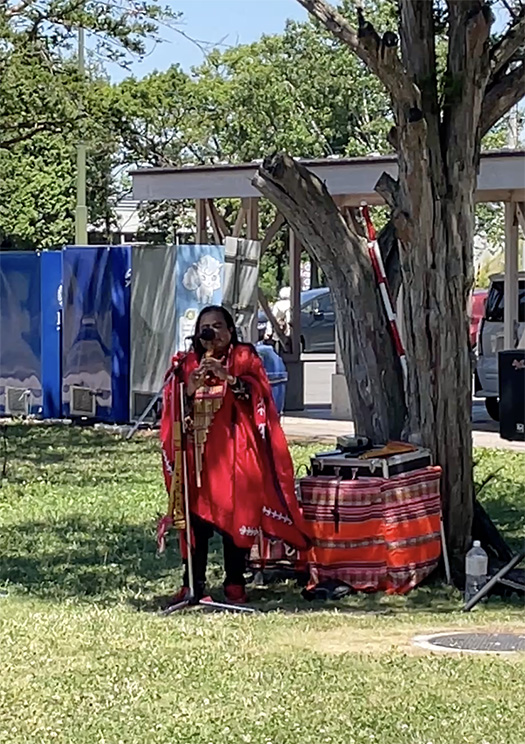
 ここのところの好天、すっかり真夏の気候に誘われている次第ですが、道の駅に着いたらなにやら天上からのここちよい音楽が脳天に響いて来ていた。カミさんは速攻で野菜のショップに向かっていましたがわたしは、すっかりその音色に脳天が直撃されていた(笑)。こういうストリート音楽家のことが好きなんですね。見たら国籍不明の色黒男性がさまざまな楽器と音楽装置を使って楽しい音楽を聴かせてくれていた。
 わたしは音楽の楽器にはまった知識がないのですが、首からはたくさんの吹奏楽器をぶら下げて、太平洋諸島のどっかと思えるような民族衣装をまとってリズムを取っていた。楽曲は最初は耳慣れないものでしたが、だんだんビートルズ・オブ・ラ・ディ、オブ・ラ・ダなどのわかりやすい楽曲もやってくれていた。わたし的には首からぶら下がっている多管な楽器の演奏を心待ちしていたけれど、まぁ一生懸命に盛り上がっているのにリクエストも申し訳ない、ということでありがたく拝聴していた。謹んでチャリンと心付け。すごく気のよさそうな人物で、過剰なまでに笑顔のサンキューポージング(笑)。
 その楽しい天上の音色を上の ⇐ 箇所クリックしてで動画再生でお楽しみください。

●お知らせ
拙書「作家と住空間」幻冬舎から電子書籍で発刊
お求めはAmazonで。
https://amzn.asia/d/eUiv9yO

English version⬇

Nirvana of Sound from Above At Naganuma Roadside Station, near Sapporo.
Street performers play in the shade of trees in the midst of a beautiful midsummer day. I felt like I was approaching the heavenly world. Nirvana will soon come to everyone. The nirvana will come to everyone in time.

⇐ Please click here to play the music in another screen.

 Today we take a break from the series of the serial theme “Iwami Ginzan” excavation series. I think it is necessary to balance the consciousness of the world by going back and forth between an inquisitive orientation and a worldly sense at the same time. I have been continuing in-depth “coverage” in the area of housing and people, but I need to take a conscious break from time to time.
 As a person who is becoming a little freer in terms of work, I have more free time, so the day before yesterday I took my wife to a roadside station in Naganuma Town, near Sapporo, to buy fresh vegetables.
 The recent fine weather has been inviting us to enjoy the midsummer weather, and when we arrived at the Michi-no-Eki, we were greeted by the sound of soothing music from the sky above. My wife was heading for the vegetable store as fast as she could, but I was completely struck by the sound of the music (laugh). You like these street musicians, don’t you? I saw a dark-skinned man of unknown nationality playing fun music using various instruments and musical devices.
 I have no extensive knowledge of musical instruments, but he had a lot of wind instruments hanging from his neck, and he was playing rhythm with a folk costume that seemed to be from somewhere in the Pacific Islands. The music was unfamiliar to me at first, but gradually they played some easy-to-understand tunes such as “Beatles of La Di,” “Of La Da,” and so on. I was looking forward to hearing the multi-tubular instrument hanging from his neck, but I was grateful to hear it because I felt sorry to make a request when he was working so hard to get the audience excited. I was very grateful for their kindness. He seemed like a very pleasant person, smiling excessively, thank you posing (laughter).
 Please click on the ⇐ above for a video replay of that delightful heavenly tone.

●Notice
My book “The Writer and the Living Space” is published by Gentosha in e-book format
Available at Amazon.

【全国統一もできた? 戦国期「大内氏」 世界遺産・石見銀山-3】


 石見銀山の歴史探訪をしていて、その発見譚からその当時の地域政治経済動向について知らねばならなくなる。日本史の学習ではほとんど触れられることがない領域。日本の歴史の「主流」としてはその後の天下統一過程の進展が主で、対明交易で栄えた長門国の「大内文化」などにはほぼ無関心。
 なんとなく大内氏・大内義隆(1507〜1551年)とその軍事指導者であった陶氏、出雲を本拠とする尼子氏、そして最終的な勝利を得た安芸の毛利氏などの戦国争乱の様子がひとつの「地方権力争闘」と知られているに過ぎない。本格的に踏み込んでいくためには大陸半島との交易拠点としての北部九州経済の支配について、その争闘史を視野に入れていく必要がある。見ているとどうも太宰府の支配権という方向が大きな志向性になっている。東に向かうより西からさらに半島−大陸への意図を感じる。大内氏は渡来人の多々良氏を祖先とする家系伝承を持っていることが関係しているのか?
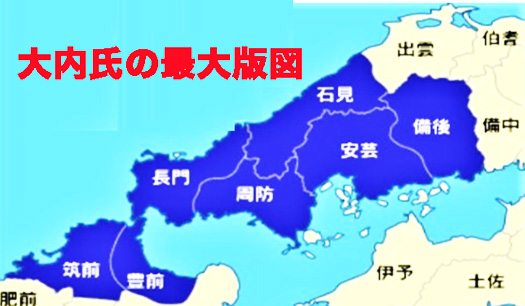
 大内文化という形でいまに伝えられている戦国期の繁栄ぶりが、その基盤として石見銀山が大きな動因であったことがポイント。実際に石見銀山の開発が大内氏の主導の元で進められ、それが大いに進展すると同時に、この中国地域の権力争闘、領国争いが激化したことがすべてを表していると言える。大内氏の「最大版図」を上に図示したが、これほどに繁栄した戦国大名家が、その後崩壊していく。まことに栄枯盛衰、盛者必衰の理。信長(1534〜1582年)の勃興と反比例して大内義隆の没落が好対照と言える。関東の北条氏と同様の武家としての運命。


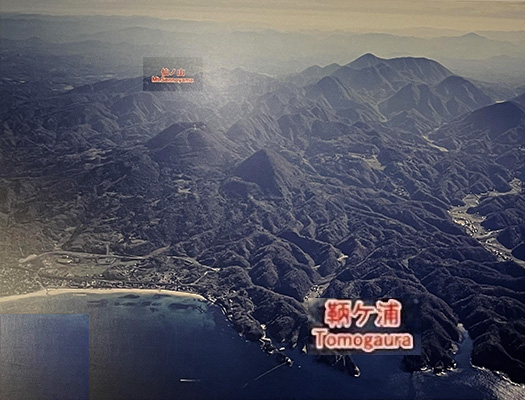
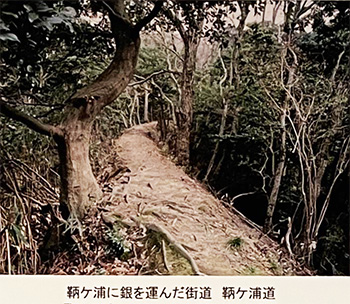
 こちらは「石見銀山センター」の展示説明資料から。石見銀山からの鉱物資源は馬路に近い日本海に面する「鞆ケ浦」まで陸路を通って運び出され船で交易ルートに送られた。見たような版図を持っていた大内氏なので、後の信長−秀吉−家康のような中央権力樹立も可能性はあったと妄想もできる。それだけの経済基盤は構築できていた。幕末期にはこうした地域としての「喪失・残念感」をバネに高杉晋作らのような野望がやがて成就していったのだとも思えてくる。日本史の地域間抗争のひとつの断面か。

●お知らせ
拙書「作家と住空間」幻冬舎から電子書籍で発刊
お求めはAmazonで。
https://amzn.asia/d/eUiv9yO

English version⬇

The Ouchi Clan in the Warring States Period: Could They Have Unified the Nation? Iwami Ginzan, a World Heritage Site -3]
If history has an IF, the possibility of nationwide domination by the Ouchi clan, a regional power that gained wealth from the Iwami Ginzan Silver Mine, comes to mind. Could it be a springboard for the spirit of the Choshu clan at the end of the Edo period? …

 During the historical exploration of Iwami Ginzan Silver Mine, the tale of its discovery makes it necessary to know about the local political and economic trends of the time. This is an area that is rarely touched upon in the study of Japanese history. The “mainstream” of Japanese history is mainly concerned with the subsequent development of the process of unification of Japan, and is almost indifferent to such things as the “Ouchi Culture” of Nagato Province, which flourished through trade with Ming Dynasty China.
 The warring clans of Ouchi Yoshitaka (1507-1551), his military leader the Tō clan, the Izumo-based Amago clan, and the ultimately victorious Mori clan of Aki are known only as “local power struggles. In order to go deeper, it is necessary to look at the history of the struggle for control of the economy of northern Kyushu as a trading center with the continental peninsula. Looking at it, it seems that the major orientation is in the direction of control of Dazaifu. Rather than heading eastward, one senses an intention to move further westward to the peninsula and continent. Is this related to the fact that the Ouchi clan has a family tradition that traces its ancestry back to the Tadara clan, who came to Japan from another country?
 The prosperity of the Warring States period, which has been handed down to the present in the form of the Ouchi Culture, is based on the Iwami Ginzan Silver Mine, which was a major driving force behind the prosperity of the Warring States period. In fact, the development of Iwami Ginzan Silver Mine was promoted under the leadership of the Ouchi Clan, and as it made great progress, the struggle for power and territorial disputes in the Chugoku region intensified, which shows the whole picture. The above figure shows the “largest version” of the Ouchi clan, but this prosperous family of warring feudal lords later collapsed. It is a true fact that rise and fall, prosperity and decline are inevitable. The rise of Nobunaga (1534-1582) and the fall of Ouchi Yoshitaka are in sharp contrast. The fate of the Ouchi Yoshitaka clan was similar to that of the Hojo clan in Kanto.

 This is from the Iwami Ginzan Silver Mine Center’s exhibition explanatory material. Mineral resources from Iwami Ginzan were transported overland to “Tomogaura” facing the Sea of Japan near Umaji and sent by ship to the trade route. Since the Ouchi clan had such a large area under their control, it is possible to imagine that they could have established a central power like Nobunaga, Hideyoshi, and Ieyasu did later. The Ouchi clan had established a strong economic foundation. It seems to me that the sense of “loss and disappointment” of the region at the end of the Tokugawa shogunate was the springboard from which the ambitions of Takasugi Shinsaku and others were eventually fulfilled. Is this a cross-section of the interregional strife in Japanese history?

Notice
My book “Writers and Residential Space” is published by Gentosha as an e-book.
Please visit Amazon to purchase the e-book.

【16世紀に発見・開発の背景 世界遺産・石見銀山-2】


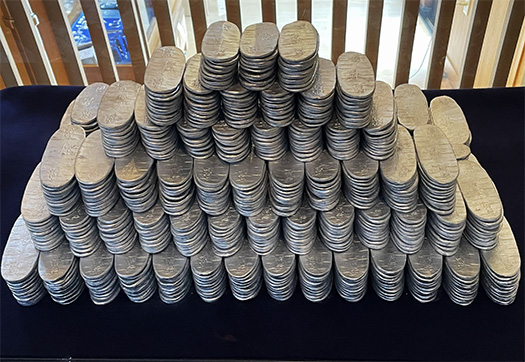
 いちばん上の写真は「御取納丁銀」レプリカ。御取納丁銀とは、戦国武将・毛利元就(1497-1571年)が正親町天皇の即位料として献上した丁銀。元就は約180kgを献上したとされ、約160gのものが1100枚。田中貴金属の現在価格では100gあたり18,821円ということなので、元就の寄進額は33,877,800円ということになる。その「価値観」についてはその時代の貨幣経済の進捗ぶりに比例するだろうから、単純化はできないけれど、とくに海外、当時の日明貿易の決済手段として明側からは、強く「銀」が求められたのだという。
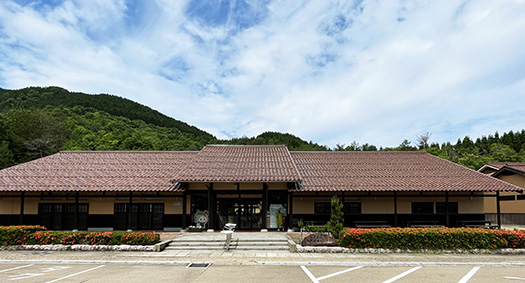
 2枚目の写真は「石見銀山世界遺産センター」の正面外観。その名の通り、石見銀山についての幅広い情報が開示されている。このレプリカは、わたしのような人間にわかりやすく伝わってきた(笑)、宝の山。

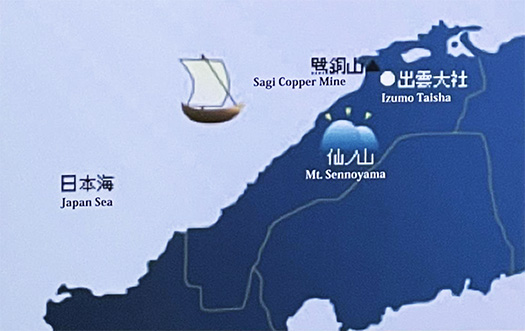
 こちらのマップ説明は石見銀山の「発見譚」の図示。16世紀に石見銀山の開発が始まった背景には東アジア世界での銀の需要の高まり、それをめぐっての博多の貿易商人の活動があった。当時の中国・明の時代にはそれまでの「銅」貨に代わって「銀貨幣」が導入され慢性的に銀が不足する事態になっていた。
 当時の日本は戦国の割拠時代。この日明貿易は戦国大名・大内氏が博多の商人と結んで独占していた。そのなかに神屋寿禎という商人がいて出雲大社の近傍「鷺銅山」で銀を購入するため日本海を航行するなか、石見銀山方面はるかに南の山が輝くのを見た。そこは「銀峯山(仙の山)という名でかつて銀が多く採れた」と聞いた。そこで寿禎は鉱山技術者を引き連れて1527年に仙の山で銀鉱石の採掘を行った。
 石見銀山の始原期はこのような事情。わたしとしては、古来からの「鉄生産」拠点・山陰地域に加えて日本史の基本的な動因の鉱工業がこの地域にあったことがポイント。鉄という農作業にきわめて有用な利器がこの地域を起点として勃興し広く日本が農業開発され、そしてその後、奥州平泉から産金して、黄金の国ジパング幻想が世界を駆け巡ったこと。こうした日「出ずる国」の大きな動因として石見銀山があったことがわかる。経済大国。日本列島というのはまことに世界でも稀有な国土条件。
 
●お知らせ
拙書「作家と住空間」幻冬舎から電子書籍で発刊
お求めはAmazonで。
https://amzn.asia/d/eUiv9yO

English version⬇

Background of the discovery and development in the 16th century Iwami Ginzan, a World Heritage Site-2]
San’in, the cradle of domestic iron production, gold production in Oshu, and the discovery and operation of a silver mine in Iwami. The Japanese archipelago, an important part of the world economy. ・・・・・.

 The top photo is a replica of the “Gotorinouchogin”. Gotorin Chogin is a silver coin offered by warlord Mori Motonaga (1497-1571) as an accession fee to the Emperor Shojincho. Motonari is said to have offered approximately 180 kg of the silver, with 1,100 pieces weighing approximately 160 g. The current price at Tanaka Kikinzoku is 18,821 yen per 100 grams, which means that Motonari’s donation amounted to 33,877,800 yen. The “value” of the silver donated by Motonari was proportional to the progress of the monetary economy of the time, so it cannot be simplified, but it is said that silver was strongly demanded by the Ming Dynasty, especially as a means of settlement for overseas trade between Japan and Ming China.
 The second photo is the front exterior of the Iwami Ginzan World Heritage Center. As the name suggests, a wide range of information on Iwami Ginzan Silver Mine is available. This replica is a treasure trove of information, which was conveyed to people like me in an easy-to-understand manner (laugh).

 This map illustrates the “tale of discovery” of Iwami Ginzan Silver Mine, which was developed in the 16th century because of the growing demand for silver in the East Asian world and the activities of Hakata traders in the region. During the Ming Dynasty in China, silver coinage was introduced to replace the previous “copper” coinage, resulting in a chronic shortage of silver.
 At that time, Japan was under the rule of the Warring States period. The trade between Japan and Ming China was monopolized by the Ouchi clan, a feudal lord of the Warring States period, in partnership with merchants in Hakata. One of these merchants was Kamiya Jutei, who was sailing the Sea of Japan to purchase silver from the “Sagi Copper Mine” near Izumo-taisha Shrine, when he saw a shining mountain far south in the direction of Iwami Ginzan. He was told that the mountain was called “Ginpusan (Mt. Sacred Mountain)” where a lot of silver had been extracted in the past. So, Jutei brought mining engineers to mine silver ore in Sen no Yama in 1527.
 The Iwami Ginzan Silver Mine was founded in this situation. For me, the key point is that in addition to the ancient “iron production” base in the San-in region, the mining industry, which is the basic driving force of Japanese history, was located in this region. Iron, an extremely useful tool for agricultural work, emerged in this region, leading to the widespread development of agriculture in Japan, and later, gold was produced in Oshu-Heisen and the illusion of Zipangu, the land of gold, circulated around the world. The Iwami Ginzan Silver Mine was a major driving force behind this “Land of the Rising Sun. An economic superpower. The Japanese archipelago is truly a rare land condition in the world.
 
Notice
My book “Writers and Residential Space” is published by Gentosha as an e-book.
Please visit Amazon for more information.

【やってきたぜ世界遺産・石見銀山探訪記 2025/6月-1】


 さて今回の夫婦旅のひとつのクライマックス、石見銀山探訪篇であります。
 実は事前にカミさんの綿密な調査があって「ぜひ行きたい」という希望だったのですが、宿泊は松江を拠点に3泊が山陰の旅程。で、どうしても足立美術館への彼女の願望が強烈だし鳥取砂丘も体験したい、とあれこれと訪問候補地が多くなっていって、さらには水木しげる祈念館でのわたしの青春期復元などの横道大拡散も出来(笑)。また出雲大社からもクルマで2時間近い遠隔地ということで、カミさんも諦め気味だったのですが、わたしのレンタカー運転は快調なので、ホテルから出雲大社と日御碕神社のあと6/12長躯、参観してきた次第。
 関空からずっとレンタカー移動約1500km超ほどでしたが、それほど運転に疲れは感じないタイプ。運転疲労には視力の問題がいちばん関わっていると思いますが、いまのところ問題はありません。それとカーナビがどんどん進化しているので「事前に調査する」ような手間ひまが省けてきているので圧倒的に気ラク。
 石見銀山は世界遺産登録されて観光の需要が高まっているけれど、山陰地域は高速道路網自体の整備がほかの日本各地域と比較して進んでいない。出雲大社から石見銀山ビジターセンターまで途中、高速道路/一般道がゴチャゴチャとしていて、まぁカーナビに運を天に任せるのが最適解のようです。それでも途中「あれ、これはどっちに行くのかなぁ」という「迷妄」ポイントはいくつかあった。世界遺産登録され観光用道路網整備が急ピッチで、まだ未整合なように感じました。
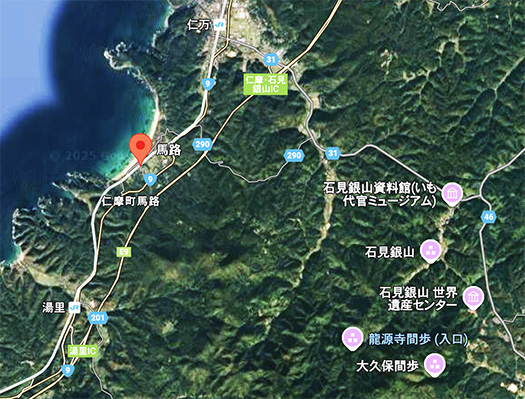
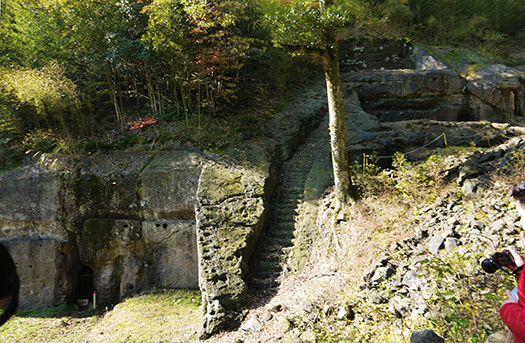
 写真はGoogleマップと、チャレンジの銀山坑道「大久保間歩〜まぶ」。JR利用の場合は山陰本線の最寄り駅名が「馬路〜まじ」というマジかよ、という駅名(笑)。国道9号から高速とカーナビの言われるままに移動したので、このマジな駅名の駅は訪問出来なかった。あとの祭り。
 というような珍道中でしたが、あすからいろいろまとめてみたい。なんですが撮影した写真点数だけでも650点超なので、整理整頓がまったくドロ沼状況。ボチボチ楽しみながらまとめたいので、気長によろしく。

●お知らせ
拙書「作家と住空間」幻冬舎から電子書籍で発刊
お求めはAmazonで。
https://amzn.asia/d/eUiv9yO

English version⬇

Iwami Ginzan Silver Mine, a World Heritage Site, June 2025-1]
Mineral resources that have determined the history of Japan. Along with gold in Oshu, the Iwami Ginzan Silver Mine is a World Heritage Site in the San’in region. The tunnels called “maibu” and the town houses that were formed. The silver mines

 This is the climax of our trip to Iwami Ginzan Silver Mine.
 Actually, my wife had made a detailed research beforehand, and she had hoped to visit there, but the itinerary was based in Matsue for three nights in the San-in region. She had a strong desire to visit the Adachi Museum of Art, and she also wanted to experience the Tottori Sand Dunes, so the number of candidate places to visit increased, and then there was a side trip to the Shigeru Mizuki Memorial Museum to restore my youth. My wife was ready to give up on the idea of visiting Izumo-taisha because of its remoteness and the two-hour drive from Izumo-taisha, but my rental car driving was fine, so we went to Izumo-taisha and Himinozaki-jinja Shrine, and then to Nagasada Shrine on June 12, and visited the shrine.
 It was a 1500km drive from Kansai International Airport to Izumo, but I did not feel so tired. I think the problem of eyesight is the most important factor in driving fatigue, but I don’t have a problem at the moment. Also, car navigation systems are evolving rapidly, so I don’t have to spend time and effort “researching in advance,” which is by far the easiest thing to do.
 Although Iwami Ginzan Silver Mine has been registered as a World Heritage site and the demand for tourism is increasing, the San’in region is not as well developed as other regions in Japan in terms of the expressway network itself. On the way from Izumo-taisha Shrine to Iwami Ginzan Visitor Center, there is a jumble of highways and ordinary roads, and the best solution seems to be to leave the luck to the car navigation system. Even so, there were a few “lost” points along the way, where we wondered which way to go. It seemed to me that the road network for tourism was still unorganized at a rapid pace after being registered as a World Heritage site.
 The photo is a Google map and the silver mine tunnel “Okubo Mabu – Mabu” of the challenge. if you use JR, the name of the nearest station on the San-in Line is “Umaji – Maji”, which means “seriously? Since we moved from National Route 9 to the highway and followed the directions of the car navigation system, we could not visit the station with this serious name. I couldn’t visit the station with this serious name.
 It was such a rare road trip, but I would like to summarize various things from tomorrow. But since the number of photos I took is over 650, I’m in a quagmire of organizing them all. I will try to compile them as I enjoy them, so please be patient.

I am going to start compiling the photos I have taken from tomorrow.
My book “Writers and Living Space” is published by Gentosha as an e-book.
You can buy it on Amazon.

【まだ7月初旬北海道で連日の30度超え】


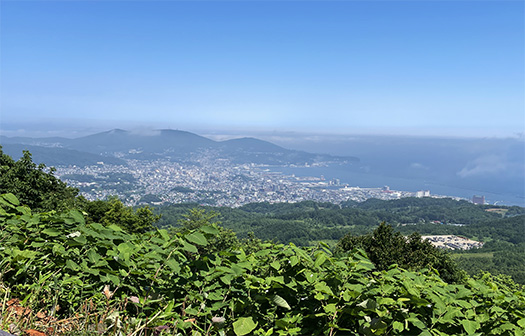
 写真は北海道小樽の朝里ICから赤井川村に抜ける「毛無峠」の展望台から小樽市内〜石狩湾地域を一望した景色であります。本日は現在のブログでの追求テーマからひと休止。
 ここのところ、北海道でも気温がぐんぐん上昇していて昨日も札幌では最高気温が31度。なんですが、早朝でも27度にまで上昇していたので、ほぼ熱帯のような気候が続いております。そういうなかでも健康維持のために散歩習慣はあきらめずに頑張っていて、1万歩は無事に越えておりました。しかし、日中は極力体力消費を避けて、早朝6時台に済ませていましたが、その時間帯でも日射がキツく感じられ、ひたすら日陰を探して伝い歩きしておりました。
 しかし聞くところでは本州各地では体温越えの酷暑だということで、かろうじて北海道はまだ、過ごしやすいのかも知れません。この程度で悲鳴を上げていては本州以南のみなさんには申し訳がないのだろうと思います。酷暑お見舞い申し上げます。
 こういう酷暑時期には過重な外での行動は避けて、先般の山陰〜山陽〜近畿路の旅にて大きなテーマとして浮かび上がってきてしまった水木しげる著作から、民俗の探究としてかねて探訪していた「南方熊楠」の深掘りを行っておりました。やはり鳥取県境港市での水木しげる記念館でのかれとの「再会」は強烈な痕跡を残してくれていると思います。
 個人的に出版した書籍で柳田國男のことを探究してきていたのですが、水木しげるとの少年期以来のはるかな再会が、いろいろな気付きの動機要因になってきているようです。そしてこういった知的興奮は酷暑の夏の過ごし方として、なかなかに奥行きが深く迷宮に誘ってくれているようです。それなりに気温の低い早朝散歩で健康増進を図りつつ、しずかに、しかしアタマは妄想で焼け付くほどに火照らせながら、この酷暑、前向きに過ごしていきたいところであります。

●お知らせ
拙書「作家と住空間」幻冬舎から電子書籍で発刊
お求めはAmazonで。
https://amzn.asia/d/eUiv9yO

English version⬇

Still above 30 degrees Celsius every day in Hokkaido in early July]
The heat has arrived earlier than I can remember in a short while. Even in such a situation, I am taking care to improve my health, and my intellectual curiosity is ignited by the exploration of Japanese “folk customs” every day. …

 The photo is a panoramic view of Otaru City and Ishikari Bay area from the observatory at the “Kenashi Pass” between the Asazato IC and Akaigawa Village in Otaru, Hokkaido. Today we take a break from the current theme of our blog.
 The temperature in Hokkaido has been rising rapidly recently, with a high of 31 degrees Celsius yesterday in Sapporo. Yesterday, the high temperature in Sapporo was 31°C (81°F), but even in the early morning it was as high as 27°C (81°F), so the weather is almost tropical. Even in such a situation, I have not given up my habit of walking to maintain my health, and I had successfully exceeded 10,000 steps. However, during the daytime, I tried my best to avoid physical exertion, and I walked early in the morning around 6:00 a.m. Even at that time of the day, I felt the sun’s rays were too strong, and I just walked along the street looking for shade.
 However, I heard that it was extremely hot, exceeding body temperature in many places in Honshu, and Hokkaido may be still comfortable. I think I am sorry to those in the south of Honshu if I am screaming at this level of heat. I would like to express my deepest sympathies for the people in the south of Honshu.
 During this extremely hot season, I have been avoiding too much outdoor activities and have been digging deeper into “Kumagusu Minakata,” whose writings by Shigeru Mizuki had emerged as a major theme in my recent trip from San’in to Sanyo and Kinki, and whose folklore I had been exploring for a long time. After all, the “reunion” with Kare at the Shigeru Mizuki Memorial Museum in Sakaiminato City, Tottori Prefecture, has left a strong mark on me.
 I have been exploring Kunio Yanagida in my personally published books, and the reunion with Shigeru Mizuki, which I have not seen since my boyhood, seems to have become a motivating factor for my various realizations. And this kind of intellectual excitement seems to be inviting me into a labyrinth of depth as a way to spend the hot summer. I would like to spend this summer heat in a positive manner, while improving my health by taking an early morning walk at a reasonably low temperature and keeping my mind burning with delusions.

Notice
My book “Writers and Living Space” is published by Gentosha as an e-book.
Please visit Amazon for more information.

【日御碕神社・「日沉(ひしずみ)宮」と経島の鳥居】


 すっかりこの日御碕神社に拘泥してしまっています(笑)。
 江戸期には日が昇ってくる伊勢神宮とこの出雲の奥地のこの神社に参拝することで、良運を得られると信じられていたとのこと。江戸時代は独自の「民衆文化」が盛り上がった時代ですが、その時代の息づかいが感じられる説話ではないかと感じられます。社会が徐々に「大衆文化」主体になっていく時代。いまNHK大河で放送されている「べらぼう〜蔦重栄華乃夢噺〜」に表現されるような時代の雰囲気、それだけ経済発展が盛り上がって、あたらしい文化創造主体として民衆が主役になっていった時代相を感じさせられる。歌舞伎などの演目には武家の栄枯盛衰に題材をとって民衆的興味分野の深掘りがされていった。いろいろなジャンル開拓がされていった。また一方で絵画文化では東海道中膝栗毛シリーズのヒットや、富岳百景シリーズの人気ぶりなど、娯楽文化としての旅行ブームがそういう背景事情として盛り上がっていった。
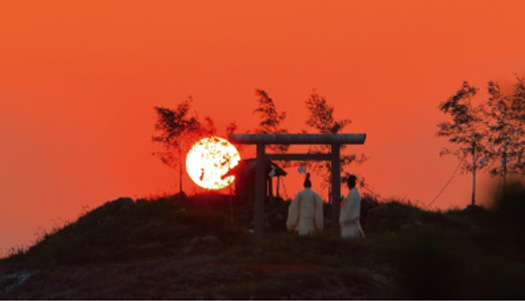
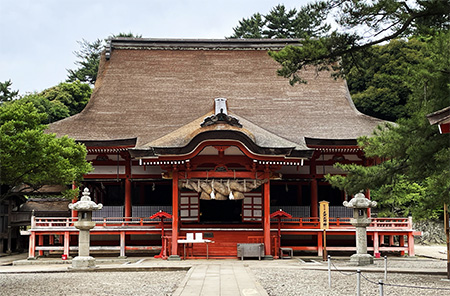
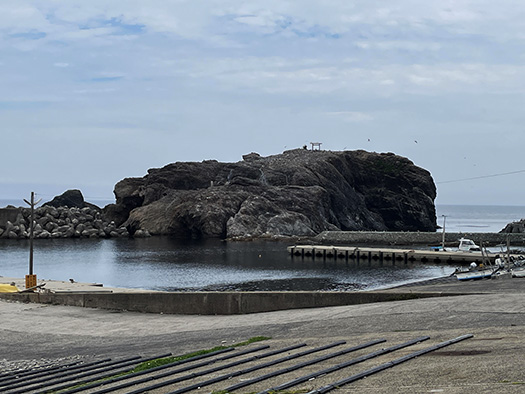
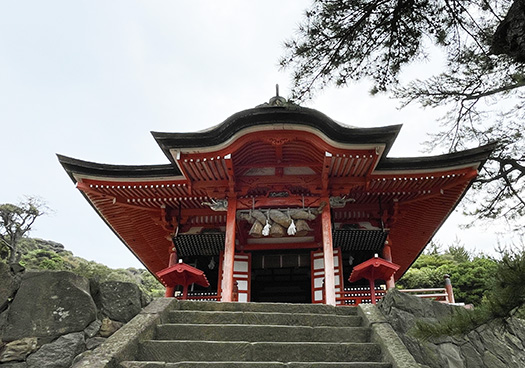
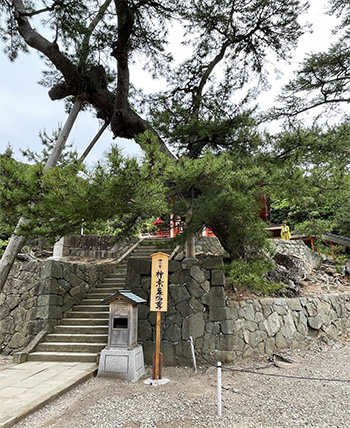
 写真は神社のHP掲載の日沉(ひしずみ)の様子と、現在の本殿、もともと鎮座していた経島の鳥居。
 ただし、武家支配の社会構造なのでその対象としては宗教施設「めぐり」がいい「落とし所」として社会的コンセンサスが成立していたのだろうか。そういうなかで「お伊勢参り」というものが日本社会での「観光」の初源の対象として盛り上がりその目的地選定の先に、この「日沉(ひしずみ)宮」参拝は強い「物語性」をもたらしていたのでしょうか。ちなみに日沉という字は当用漢字ではないらしく、フォントが変わって表示される。日沈が当用漢字表記なのでしょう。
 こういう民衆文化としてのストーリー性に大きな「最適解」として、こういった観光文化性が発掘されていった。同時にこうしたことが、わたしのような歴史「数寄」を刺激してきます。
 最近は北海道神宮にまで中国やアジア各国からの観光客が押し寄せてきている。神社信仰は日本の特異文化だと思うのですが、それは日本の民衆文化のパワーを証明しているのかも知れませんね。

●お知らせ
拙書「作家と住空間」幻冬舎から電子書籍で発刊
お求めはAmazonで。
https://amzn.asia/d/eUiv9yO

English version⬇

[Hinomizushi Shrine, “Hishizumi Shrine” and the torii of Sutra Island]
The “tourism development” attitude of a narrative story of sunrise (Ise Jingu Shrine) and sunset (Hinomizushi Shrine). A popular Japanese entertainment culture? …

 I have become completely obsessed with this Himigozaki Shrine (laughs).
 During the Edo period, it was believed that worshipping at the Ise Shrine where the sun rises and this shrine deep in Izumo would bring good luck. The Edo period was a time when a unique “popular culture” was flourishing, and I feel that this legend is a breath of fresh air from that era. It was a time when society gradually became more and more “popular culture” oriented. The atmosphere of the era, as expressed in the NHK historical drama “Belabo – Tsutaju Eika No Yume Banashi” (The Bessho – Tsutaju’s Flourishing Dream Banashi), is a sign of a time when economic development was booming and the people were taking the lead as creators of new culture. Kabuki and other forms of entertainment took the rise and fall of the samurai class as their subject matter and delved deeply into areas of popular interest. Various genres were developed. Meanwhile, in the field of pictorial culture, the background for the boom in travel as a form of entertainment culture, such as the hit series “Tokaido Chu Hizakurige” and the popularity of the “Fugaku Hyakkei” (One Hundred Famous Views of Mount Fugaku) series, was also very active.
 The photo shows the hishizumi on the shrine’s website, the current main shrine, and the torii gate at Sutra Island, where the shrine was originally located.
 However, since the social structure was dominated by the samurai class, I wonder if there was a social consensus that a religious site called “Meguri” would be a good “drop-off point” for such a visit. In this context, I wonder if this visit to the Hishizumi Palace was chosen as the destination of the “Oise pilgrimage,” which became a popular tourist attraction in Japanese society, because of its strong “narrative” value. Incidentally, the character 沉日 is apparently not in the mitsuyo kanji alphabet, and is displayed in a different font. Sunset is probably the correct Kanji notation.
 This kind of tourist culture was discovered as an “optimal solution” to the storytelling nature of popular culture. At the same time, this kind of thing stimulates historical “sukiyomi” like myself.
 Recently, tourists from China and other Asian countries have been flocking even to the Hokkaido Shrine. I think that shrine worship is a unique Japanese culture, which may prove the power of Japanese popular culture.

●Notice
My book “The Writer and the Residential Space” is published by Gentosha as an e-book.
Please visit Amazon for more information.

【日御碕神社・神の宮「主祭神・素戔嗚尊〜スサノオ」】


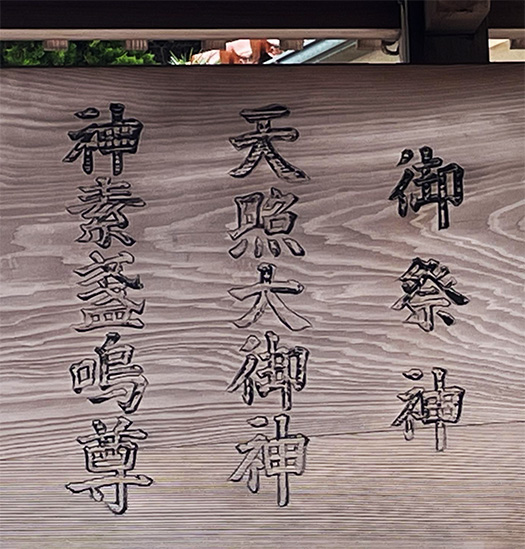
 古事記を読んでいると、素戔嗚尊〜スサノオ(以下、カタカナ表記)というキャラクターの活躍ぶりはすさまじい。その傍若無人な暴虐ぶりで姉であるアマテラスを怒らせ天岩戸に隠れさせて天上世界を日食に立ち至らせたりする。その後葦原の中つ国に天降って、出雲の創建譚に登場して八岐大蛇を制圧するなどの大活躍。そのはるかな後嗣としてオオクニヌシが出現してくる。
 そうかと思うと「根の国」を訪ねるオオクニヌシに対して、その妻になる女性の父親として、神話の中のダブルキャスト・トリプルキャストとして再登場したりしてくる。まことに八面六臂の大スター。天孫系の名前にはおおむね「アマ」「アメ」の冠氏名が付くことが多いという印象があるなかで、ひとり「スサノオ」と単独名でクッキリとした個性が伝わってくる。アマテラスを「正」とすればまことに「奇」と感じさせられる。規律正しい姉に対して、粗暴な男性性格を表彰させる神格像。個人的には強く惹かれる(笑)。
 全国の神社で祭神として祀られている。以下にスサノオを祀る神社の「総本社」についてのWikiの記述。
〜素戔嗚尊(すさのおのみこと)の総本社は、京都の八坂神社と兵庫県の広峯神社 の2社が挙げられる。八坂神社は、全国に約2300社ある八坂神社や素戔嗚尊を祀る神社の総本社であり、祇園信仰の中心的な神社。一方、広峯神社は播磨国の一宮で、素戔嗚尊を祀る神社として知られている。また島根県の須我神社も素戔嗚尊を祀る神社として知られており、一部では総本社とみなされることもある。したがって素戔嗚尊の総本社は、八坂神社、広峯神社、須我神社の3社が挙げられると考えることができる。〜
 国土の日出ずる位置と古代に特定された伊勢神宮に対して、この日御碕神社は「日沈む」地として特定されたような故実が浮かび上がってくる。この日御碕神社では日沈の宮にアマテラスが祀られ、一方対置された高台のこの「神の宮」にスサノオは祀られている。社としてもなにかイキッている感があってユーモラスと感じた。

●お知らせ
拙書「作家と住空間」幻冬舎から電子書籍で発刊
お求めはAmazonで。
https://amzn.asia/d/eUiv9yO

English version⬇

[Himizaki-jinja Shrine, Kaminomiya “Main deity Susanoo-no-Mikoto – Susanoo”]
In Izumo, the world of the divine age is felt at a close distance. The sense of the exuberance of Susanoo’s divinity rises up in a heartwarming manner. …

 When reading the Kojiki, the character Susanoo-no-Mikoto – Susanoo (hereafter, katakana notation) – is a character of tremendous activity. With his unrestrained tyranny, he angered his sister Amaterasu, forcing her to hide in Ama-no-Iwato and causing the eclipse of the sun in the heavenly world. He then descended to the Land of Nakatsu, and appeared in the tale of the founding of Izumo, where he played a great role in subduing the eight-forked serpent. As his distant successor, Okuni no Nushi emerges.
 He also appears in myths as the father of the woman who becomes his wife, and as a double- and triple-cast character. He is truly a great star with a great range of activities in all aspects of his life. While most of the names of the descendants of Amaterasu are often prefixed with “Ama” or “Ame,” the single name “Susanoo” conveys a clear and distinct personality. If Amaterasu is the “right” name, Susanoo is the “odd” name. The image of the goddess is one that commends a coarse male personality in contrast to her disciplined sister. Personally, I am strongly attracted to this image (laugh).
 He is enshrined as a deity at shrines throughout Japan. Below is Wiki’s description of the “head shrine” of shrines that worship Susanoo.
〜The two head shrines of Susanoo-no-Mikoto are Yasaka Shrine in Kyoto and Hiromine Shrine in Hyogo Prefecture. Yasaka Shrine is the head shrine of about 2,300 Yasaka shrines and shrines enshrining Susanoo-no-Mikoto throughout Japan, and is the central shrine of the Gion faith. Hiromine Shrine, on the other hand, is a shrine in Harima Province and is known as a shrine dedicated to Susanoo-no-Mikoto. Suga Shrine in Shimane Prefecture is also known as a shrine enshrining Susanoo-no-Mikoto and is sometimes regarded as the head shrine in some cases. Therefore, three shrines can be considered as the headquarter of Susanoo-no-Mikoto: Yasaka Shrine, Hiromine Shrine and Suga Shrine. ~
In contrast to Ise Shrine, which was identified in ancient times as the place where the sun rises in the land, this Hinomizaki-jinja Shrine emerges as the place where the “sun sets”. Amaterasu is enshrined at the sunset shrine, while Susanoo is enshrined at the opposite “divine palace” on the hill. The shrine also has a sense of humor, as if the shrine is being cool.

I am now publishing my book “Writers and Residential Space” in e-book format from Gentosha.
Available at Amazon.com.

【出雲大社から稲佐の浜の奥へ、日御碕神社の「御製」】


世の中は昨日、参議院選挙戦がスタートしてそれ一色。報道などを見ていると、高齢の有権者を大きなターゲットにしている情景が見て取れる。ある世論調査報道では若い20代などの関心の薄さも指摘される。とくに投票行動性行が高い高齢者は選挙では最大のキモになってきているのでしょうか?選挙を戦う立場からすれば妥当性がある。しかしできればより若い世代も強く関心を持ってもらいたいところ。
 さて、そうした喧噪の息抜きに山陰の旅、出雲周辺の探訪篇であります。
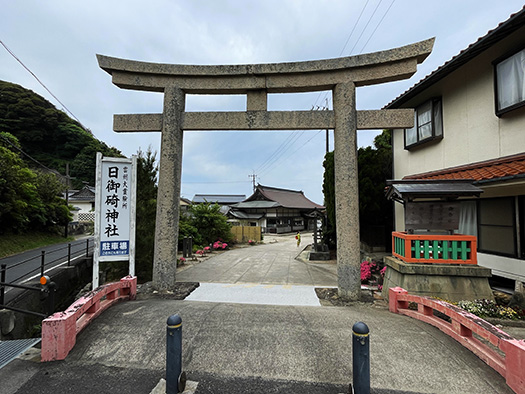
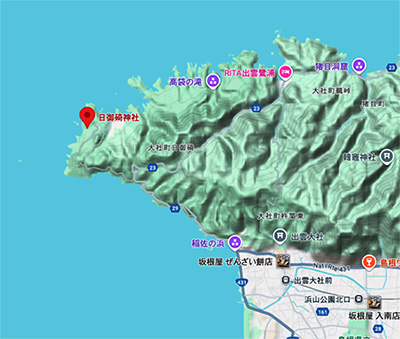
 このところ出雲大社周辺の「国譲り」譚の稲佐の浜とか、出雲大社の彫像表現などを見て来ましたが、カミさんの探究でこちらの「日御碕(ひのみさき)神社」参観のスケジュールが組まれていた。わたしの興味分野への長年の「研究成果」に従順に行動しておりました(笑)。深く感謝であります。
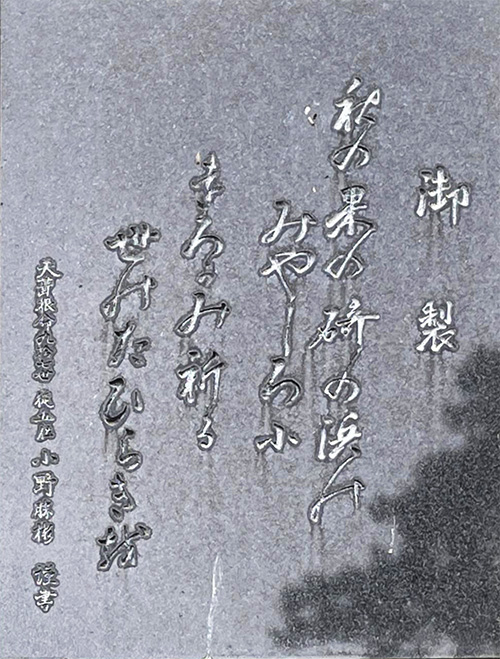
 なんですが、この神社に来たら祭神として「素戔嗚尊(スサノオ)」が書かれていて、しかもそのための社もあることに驚かされていた。このことは明日以降にするとして、境内にはなんと昭和天皇の「御製」〜天皇が詠まれた和歌や漢詩などの作品を指す〜が石版に刻印されているのです。
 歌われた和歌は以下。 
 「秋の果の 崎の浜の みやしろに をろがみ祈る 世のたひらぎを」。
 ちなみに「をろがむ」とは拝むという意味。昭和57年10月4日昭和天皇御製という日付の情報が一部にある。天皇家と出雲のオオクニヌシ伝承を踏まえると出雲の地での御製との遭遇には興味が深く沸いてくる。
 この日御碕神社は祭神としてアマテラスとスサノオという天孫系の2柱を祀っているので、そういう流れからの行幸の「痕跡」といえる。第2次世界大戦の惨禍を経て平和を希求された心情が、この出雲の奥地の神社に残されているということ。
 さて選挙というのは現代社会の「主権者」である国民がみずからの意思を政治権力に表現するもの。国の平和と安定そして経済の発展を大切に考えて、意思を表示したいところですね。
 
●お知らせ
拙書「作家と住空間」幻冬舎から電子書籍で発刊
お求めはAmazonで。
https://amzn.asia/d/eUiv9yO

English version⬇

From Izumo-taisha Shrine to the depths of Inasa-no-hama, “Gosei” at Hinomizaki-jinja Shrine]
Visited the monument where Emperor Showa sang a song. The poem is a poem sung by the Emperor of Japan on October 4, 1982. The Emperor sang the song on October 4, 1982. The Emperor’s song was sung on October 4, 1982.

The world was abuzz yesterday with the start of the House of Councillors election campaign. News reports indicate that the election campaign is targeting older voters. According to one poll report, young voters in their 20s are not interested in the election. Are older voters, who are especially likely to vote, becoming the most important factor in elections? From the standpoint of fighting elections, it is reasonable. However, if possible, the younger generation should also be strongly interested.
 Now, to take a break from such hustle and bustle, here is a trip to the San’in region and an exploration of the Izumo area.
 Recently, I visited Inasa-no-hama, the beach near Izumo-taisha Shrine, where the tale of the “handing over of the country” took place, and the statues at Izumo-taisha Shrine, and my wife’s research led her to schedule a visit to Hinomisaki Shrine here. She was acting in obedience to my years of “research results” in my field of interest (laugh). I am deeply grateful.
 I was surprised to find “Susanoo-no-Mikoto” written as the god of worship at the shrine, and that there is a shrine for this purpose. I will leave this for tomorrow or later, but to my surprise, the “Gosei” of the Showa Emperor – referring to waka poems, Chinese poetry and other works composed by the Emperor – are engraved on a stone tablet in the precincts of the shrine.
 The poem is as follows 
 The poem is as follows: “Autumn fruits of the world pray to the palace at Saki no Hama no Miyashiro.
 Incidentally, “morogamu” means to worship. There is some information about the date, October 4, 1982, the Emperor Showa’s Imperial Seals. In light of the Emperor’s family and the tradition of Okuninushi in Izumo, we are deeply interested in the encounter with this work in the land of Izumo.
 Since this Himigozaki-jinja Shrine enshrines Amaterasu and Susanoo, two of the descendants of the emperor, it can be said that this is a “trace” of a visit from such a tradition. The shrine in the backcountry of Izumo is a place where the people of Japan have left behind the sentiments of their desire for peace after the devastation of World War II.
 Elections are a way for the people, the “sovereigns” of modern society, to express their will to the political authorities. We would like to express our will with the peace and stability of our country and the development of the economy in mind.
 
Notice
My book “Writers and Living Space” is published by Gentosha as an e-book.
Please visit Amazon to purchase the e-book.