本文へジャンプ

【工事開始の隣地からわが家2.0へ砂利おすそ分け(笑)】


さて稚内探訪シリーズでわたしとして初めて意識することになった北方樺太のことですが、明治以降・近代国家時代になって日本社会に大きな「影響」があったのは北方のロシア・ソ連国家との強い緊張関係。
 敗戦から数日後、ソ連国家は日本領の南樺太に侵略してきた。その後、日本も彼の地の領有権を公式に放棄し現在に至っている。国境に関わることなので、慎重にならざるを得ないけれど、戦後の日本社会はこうしたことがらからなるべく目を背けてきていることも事実。わたしのような典型的な戦後世代人間はそうした「常識」の世界で生きてきた。さて、今回の参院選の結果はそのことに変化を生じさせるのだろうか。
 ・・・ということですが、身の回りでは同時並行で札幌市清田区のわが家2.0敷地についての環境変化が進行してきております。一所懸命、という土地を巡ることがらは古代日本社会の成立以降、その境界について強い関心を持ち続けてきたのが日本人の「本然」。
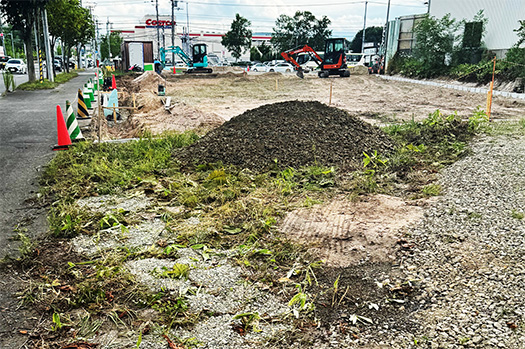
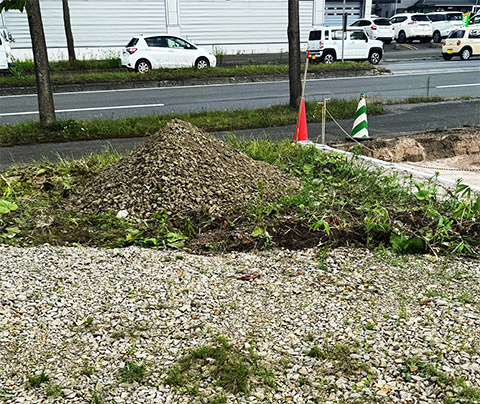
 わが家の場合、隣地境界が非常に「変形」だったので隣地の利用変化のタイミングに合わせ所有者の全国企業と対話をこころみて、無事交渉が成立。写真はそのあらたな「領域」のいまの様子。これまでの隣地域(土面露出箇所)には樹木が数本あったのけれど、先方で伐採してくれてその場所は野草が繁茂状況。
 で、当面は5-6台程度の駐車場として活用するため若干DIY的に整地しようかと考えていたら、工事に入っていた隣地側の工事担当者から、工事用砂利を「おすそ分け」いただいた(笑)。まぁきわめて平和友好的な関係を維持していることもあって、カミさんの交渉力で実現。
 本格的には掘り込んで整地して砂利入れとなるところでしょうが、当面利用計画は定まってもいないので、シロウトDIYで砂利を敷き詰める予定。折からの高温ですが、さらなる健康増進を兼ねて、本日、整地作業に取り組みたいと思っています。
 樺太での日露「国境交渉」取材記事執筆・掲載中ですが、本日はわが家の国境状況の話題でした(笑)。あしたは樺太・稚内に復帰予定。よろしく。

●お知らせ
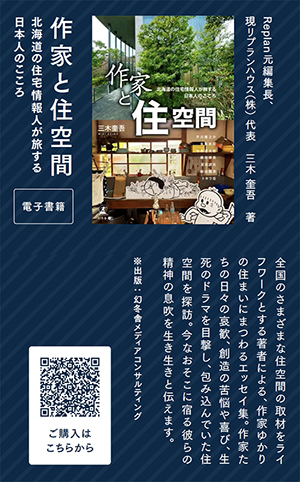
拙書「作家と住空間」幻冬舎から電子書籍で発刊
お求めはAmazonで。
https://amzn.asia/d/eUiv9yO
English version⬇

[Gravel sharing from the neighboring land where construction has started to our house 2.0 (laugh)]
It is in the middle of the Wakkanai – Karafuto article where the history of the Japan-Russia border is stacked, but a peaceful situation also occurred at the “border” of the land next to our house (laugh). Thankfully, we received it. Thankfully received.

Now, as for Northern Sakhalin, which I became aware of for the first time in the Wakkanai exploration series, a major “influence” on Japanese society after the Meiji period and in the era of the modern state was the strong tension with the Russian and Soviet states in the north.
 A few days after the defeat in the war, the Soviet state invaded the Japanese territory of southern Sakhalin. Subsequently, Japan also officially renounced its territorial rights to his land, and this has continued to the present day. Although we must be cautious when dealing with border issues, it is also true that postwar Japanese society has avoided these issues as much as possible. Typical postwar generation people like myself have lived in such a world of “common sense. I wonder if the results of this year’s Upper House election will change that.
 However, at the same time, the environment of our house 2.0 site in Kiyota-ku, Sapporo, is changing. Since the establishment of ancient Japanese society, Japanese people have been “naturally” interested in the boundary of the land.
 In the case of our house, the boundary of the neighboring land was very “deformed,” so we tried to have a dialogue with the owner’s nationwide company in accordance with the timing of the change of use of the neighboring land, and we successfully concluded negotiations. The photo shows the new “area” as it is now. There were a few trees on the adjacent land (exposed soil), but they cut them down and the area is now overgrown with wildflowers.
 I was thinking of doing some DIY land preparation in order to use it as a parking lot for about 5-6 cars for the time being, when I received some gravel from a construction worker on the neighbor’s side who was working on the site (laugh). (Laughs) Since we have maintained a very peaceful and friendly relationship, Kami’s bargaining power made it possible.
 In earnest, we will probably dig in, clear the site, and put in gravel, but since we have no definite plan for its use for the time being, we plan to spread the gravel as a DIY project by a novice. It is high temperature from time to time, but I would like to tackle the land clearing work today with the aim of further improving my health.
 I am currently writing and publishing an article covering the Japan-Russia “border negotiations” in Karafuto, but today I was talking about the border situation at our home (laughs). Tomorrow I will be back in Wakkanai, Sakhalin. Best regards.

I am currently writing an article on the Japan-Russia “border negotiations” in Karafuto, and today I am talking about our home border.

【戦前と戦後/日本人の意識変容 北海道から樺太】


 「日本列島の最北」というようにわたしたち戦後の日本人は稚内への意識が形成されているけれど、この地で封印されている地域史を実地学習すると、いかにここが樺太開拓と密接に関係した地域であるかがわかってくる。きのうは9人の女子が樺太の地で終戦後5日の時点で無惨な最期を遂げたことに触れたけれど、そこからも北海道と樺太の深いつながりが地低音のようにこころに響き渡ってくる。
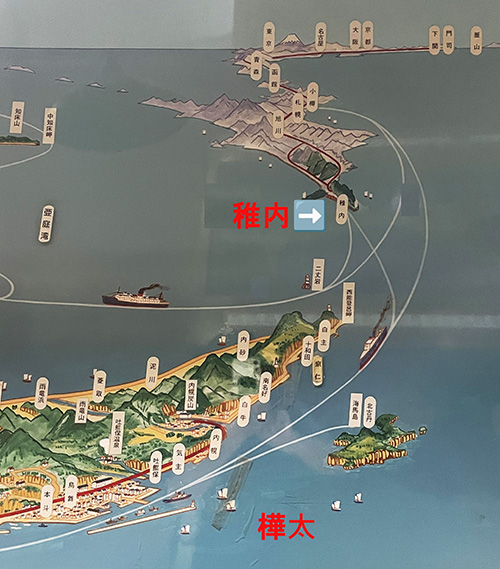
 日本最北と稚内を認識しているけれど戦前の日本人にとって稚内は、樺太開発開拓の最前線連絡港。明治維新の頃の函館-青森のような認識が一般的だったのだと。とくに稚内は冬期には流氷が接岸することで船の航路が影響を受けるオホーツク海側の港町とは違って、北海道最北だけれど日本海側に面していて「不凍港」として貴重な存在だったのだ。戦前には総人口40万人を超えたとされる樺太とその領土経営は、政治・軍事・経済のすべてにおいて北海道・稚内と不可分に結びついていたのだ。ちなみに現在の稚内人口は約3万人ほど。こういう樺太との経済社会関係を想像すれば、そうかと、さまざまに気付けることがある。
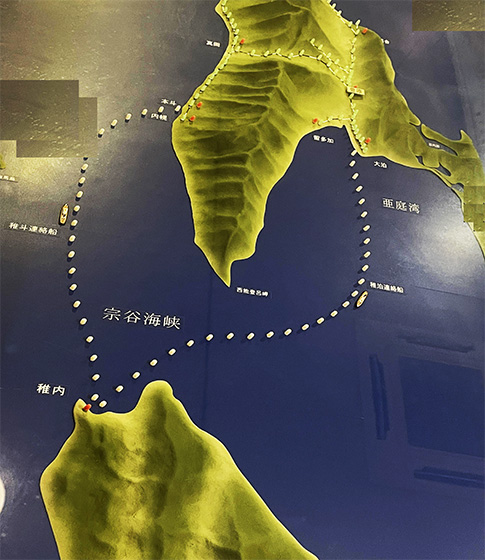
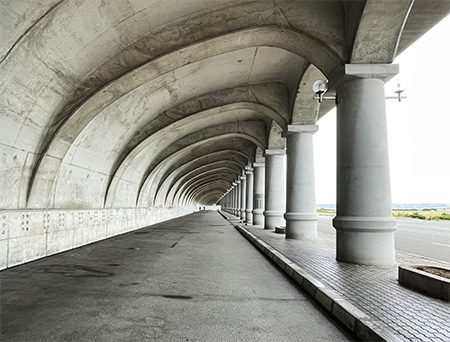
 現在青森は青函連絡船が廃止されたのでその港湾としてのにぎわいは減少してきているけれど、函館にはまだそういう国土・国民の流動拠点の文化が色濃く残っている、稚内はそういった機能を本来的に宿命づけられた都市なのだと言える。その建築的遺構がこちら。2番目の写真はいまも残る稚内を象徴する建築である「防波ドーム」だけれど、これは稚内から樺太への航路の駅舎(現在は解体されている)への通路を波濤から守る役割のために造作されたもの。
 地理的な位置関係でも稚内までの鉄道駅舎から徒歩でも10数分でたどりつける港湾施設だった。戦前社会までの活発な「人流・物流」の機能が容易に想像できる。わたしたち戦後社会はこうした「人間社会文化」を忘却し続けているのだと深く驚かされる。というか、それはあり得べき必然でもある。用はすべてを決定づける。
 稚内の都市の基底にこういう港湾人流機能文化は根深く眠っている。

●お知らせ
拙書「作家と住空間」幻冬舎から電子書籍で発刊
お求めはAmazonで。
https://amzn.asia/d/eUiv9yO

English version⬇

Prewar and Postwar / Transformation of Japanese Consciousness Hokkaido to Karafuto]
Wakkanai, an ice-free port city straddling the Soya Strait, which is easier to navigate than the Tsugaru Strait. Karafuto is the front line of new development of the Japanese people. Wakkanai is the starting point of the main artery. The city of Wakkanai is the starting point of a major artery for the new development of the Japanese people.

 We postwar Japanese have formed a consciousness of Wakkanai as “the northernmost of the Japanese archipelago.” However, when we learn about the local history sealed off in Wakkanai, we realize how closely connected this area was to the development of Sakhalin. Yesterday I mentioned that nine girls died tragically in Sakhalin five days after the end of the war, and the deep connection between Hokkaido and Sakhalin resonates in our hearts like a low earth tone.
 Although Wakkanai is recognized as the northernmost point in Japan, for prewar Japanese, Wakkanai was a frontline port for the development of Sakhalin. It is said that the perception of Wakkanai was similar to that of Hakodate-Aomori at the time of the Meiji Restoration. In particular, unlike port towns on the Sea of Okhotsk, which were affected by drift ice in winter, Wakkanai faced the Sea of Japan even though it was the northernmost port in Hokkaido, and was valuable as an “ice-free port. Karafuto, with a total population of over 400,000 before the war, and its territorial management were inseparably linked to Wakkanai, Hokkaido, in all aspects of politics, military affairs, and economics. Incidentally, the current population of Wakkanai is about 30,000. If we imagine this kind of economic and social relationship with Karafuto, we can notice many things.
 Today, Aomori’s bustle as a port has decreased since the Aomori Hakodate ferry was abolished, but Hakodate still retains a strong culture of being a hub for the flow of land and people, and Wakkanai is a city inherently destined for such functions. The second photo shows the “wave breaker dome,” a symbolic structure that still remains in Wakkanai, which was built to protect the passageway to the station building (now demolished) for the route from Wakkanai to Sakhalin from the waves.
 In terms of geographical location, it was a port facility that could be reached in 10 or so minutes on foot from the railroad station building to Wakkanai. It is easy to imagine the function of active “human flow and logistics” in prewar society. I am deeply surprised that our postwar society continues to forget such “human social culture. Or rather, it is an inevitability. Usage determines everything.
 This kind of culture of the port human flow function is deeply rooted in the foundation of Wakkanai city.

I am now publishing my book “Writers and Residential Space” as an e-book from Gentosha.
Please visit Amazon.com for more information

【国境の街・稚内「氷雪の門」で樺太同胞の記録に祈る】


 札幌から稚内は遠い。わたしは人生時間で札幌から小1時間ほどの空知郡栗沢町から札幌に3歳で移転し、一時期8年の東京在住を経て、その後ずっと札幌暮らし。仕事生活では地域住宅雑誌を刊行し続けてきたけれど、稚内の取材機会はなかった。稚内は札幌から316km。その半分距離の旭川までは通常的なビジネス圏だったけれど、そこから北方にはほとんど縁がなかった。
 住宅関連ビジネスということでどうしても人口集中地域が中心にならざるを得ない。仕事の志向性も東北や関東、関西といった地域への「高断熱高気密」住宅技術の波及に合わせたビジネス展開という流れ。
 今回、仕事生活からやや離れての夫婦旅。約10年ぶりに稚内を訪れ、はじめて地域史など博物館施設を探訪出来た。こうした歴史中心行脚は本州以南地域を中心にながく行ってきたけれど、まことに灯台元暗し。はじめてこの「北方の街」を旅した次第。そして知れば知るほど対ロシア・ソ連との「国境の街」であることに深く打たれる。
 同じ北海道人でありながらこうした地域史の重大部分にボーッとしていたことに無念と恥ずかしさを覚えた。
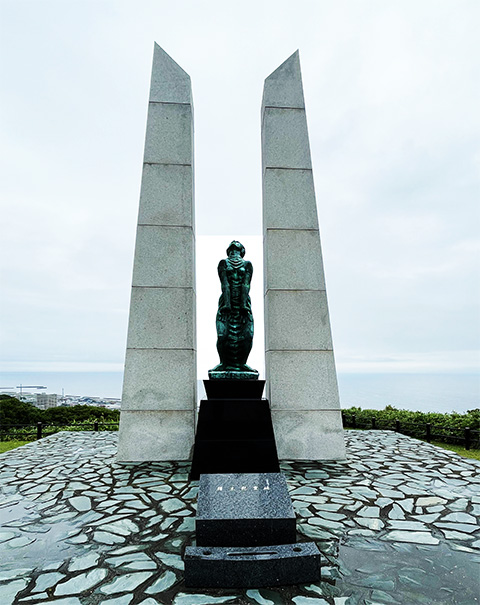
 写真は、稚内の街を見晴らす高台に位置する「氷雪の門」銅像。卒業した高校の大先輩の彫刻家・本郷新氏の力作で樺太での戦前期・戦後直後の動乱期についての記録表現。以下に碑文要約。
 〜「氷雪の門」 人びとはこの地から樺太に渡り樺太からここに帰った。戦後はその門もかたく鎖された。それから18年、望郷の念止みがたく樺太で亡くなった多くの同胞の霊を慰めるべく、肉眼で樺太の見える所縁の地の丘に(中略)祈念碑を造る。氷と雪のなかできびしく生き抜いた人びとを象徴する女人像(中略)が彫刻家・本郷新先生の力作で出来上がった。この祈念碑を「氷雪の門」と命名した。 昭和三十八年八月十五日 稚内市長 浜中辰雄 〜
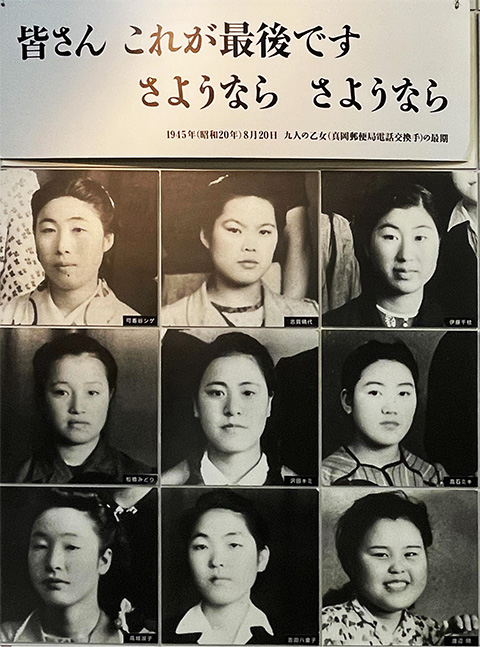
 そして次の写真は、戦争終結5日後ソ連軍によって侵略攻撃された樺太・真岡の町で、電話交換はもっとも大事な仕事と当時の「緊急疎開」にも応じず職務に当たっていて無惨に「自決」した、9人の女性たちの北方記念館での展示写真。
 こういう生々しい「歴史記録」にこころが立ち止まってしまっていた。・・・

●お知らせ
拙書「作家と住空間」幻冬舎から電子書籍で発刊
お求めはAmazonで。
https://amzn.asia/d/eUiv9yO

English version⬇

[Praying for the record of Sakhalin compatriots in the border city of Wakkanai “Ice and Snow Gate”]
I was exposed to the local history of Wakkanai-Karafuto, which I had never learned in my life time. I was made to feel a deep sense of lamentation. Regret and shame. …

 Wakkanai is a long way from Sapporo. I moved to Sapporo at the age of three from Kurisawa-cho, Sorachi-gun, about an hour from Sapporo in my life time, and after living in Tokyo for eight years, I have lived in Sapporo ever since. In my professional life, I have been publishing a local housing magazine, but I have never had the opportunity to cover Wakkanai. Wakkanai is 316 km from Sapporo, and although it is within the normal business zone up to Asahikawa, which is half that distance, I have had little contact with the northern part of the country.
 As a housing-related business, we had no choice but to focus on populated areas. The business orientation of the company is to develop business in line with the spread of “highly insulated and airtight” housing technology to the Tohoku, Kanto, and Kansai regions.
 This time, the couple took a trip to Wakkanai for the first time in about 10 years. We visited Wakkanai for the first time in about 10 years, and were able to explore the local history and other museum facilities for the first time. I have been making such history-centered trips for a long time, mainly to the south of Honshu, but it is truly dark at the lighthouse. This was my first trip to this “northern city. The more I learned about it, the more I was struck by the fact that it is a “border town” with Russia and the Soviet Union.
 I felt regret and embarrassment that I had been unaware of such an important part of the region’s history, even though I am a Hokkaido native.
 The photo shows the “Ice and Snow Gate” bronze statue located on a hill overlooking the city of Wakkanai. It is the work of sculptor Arata Hongo, a senior at the high school from which I graduated, and is a record of the upheaval in Karafuto before and immediately after the war. The following is a summary of the inscription.
 〜People came from this place to Karafuto and returned from Karafuto to this place. After the war, the gate was closed. Eighteen years have passed since then, and in order to comfort the spirits of many of our compatriots who died in Karafuto, we have built a monument on a hill where we can see Karafuto with the naked eye. The sculptor, Mr. Arata Hongo, has created a statue of a woman symbolizing those who survived in the ice and snow. The monument was named “Hyosetsu no Mon (Gate of Ice and Snow). August 15, 1963 Wakkanai Mayor Tatsuo Hamanaka –
The following photos are of nine women who did not accept the “emergency evacuation” at the time and committed suicide while performing their duties as telephone operators, the most important job in the town of Moka, Sakhalin, which was invaded by the Soviet Army five days after the war ended.
 I was stopped in my tracks by these graphic “historical records”. I was stopped in my tracks by these vivid “historical records”.

My book “Writers and Residential Space” is published by Gentosha as an e-book.
Please visit Amazon for more information.

【さて本日参院選投開票。2025/7月ニッポンの民意はいかに?】


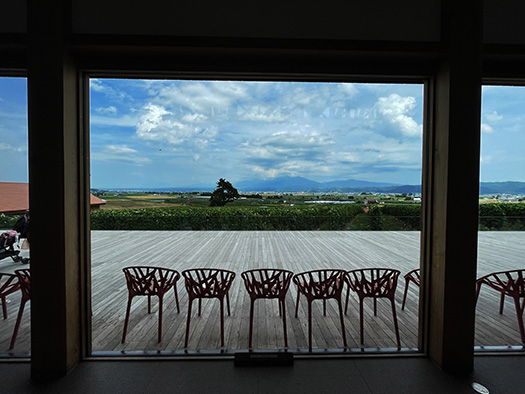
 写真は今回の旅の最終立ち寄り地の富良野・六花亭のお店から東大雪の山並みを見晴らすデッキ。
 この直前に訪れていたカミさんお気に入りの「富田ファーム」では、まったく「ごった返し」とでも言えるような海外旅客の殺到ぶりで、ほぼ日本語が聞こえないような状況。かねてから富田ファームのような「お花畑」景観はあんまり「いいなぁ」とは感じていない(笑)わたしは、カミさんの喜ぶ笑顔に「お相伴」一択。花ならば気候風土のなか、ひっそりと野に咲く可憐な花をこそ愛でたい。しかし、海外客の集中ぶりは凄い。これからの時代、このような光景が日本社会に一般化するのだろうかと、雑念にかられていた。
 構造的な円安ということがこういった光景の背景にあるのでしょう。観光業にとっては喜ばしいことでしょうし、労働力市場でも日本人比率は低下して推移していく趨勢にあるのでしょう。否応なく変化して行く国際経済社会のなかで今後の日本社会は柔軟に、どのように対応して行くべきなのか。
 わたしのような昭和中期・戦後早々に青春期を過ごしていた人間からすると、違うニッポンの光景のようにも思える。第2次世界大戦の惨劇から立ち直ることに必死だった時代相のなかで、ベビーブームのちょっと後の世代であるわたしなどとは、孫子たちの暮らしていくこの社会はあまりにも変容してきている。
 今回の参院選は、そういった世界情勢の中で日本社会がどのように対応して行くのか、という底流的なことへの「民意」判断機会と言えるでしょう。もうすでに「期日前投票」を済ませているわたしですが、多くの同胞のみなさんの賢明な判断に注目したいと思っています。できるだけ多数のみなさんの「民意」であるように祈っています。
 東大雪の山並みを望む北海道らしい景観美。先人たちが築き上げてきたこの美しい国土に、永続的な平安があることを祈っていたいと思います。
 
●お知らせ
拙書「作家と住空間」幻冬舎から電子書籍で発刊
お求めはAmazonで。
https://amzn.asia/d/eUiv9yO

English version⬇

Today’s Upper House Election: What will be the will of the people of Japan in 2025/July?
Modern society is confronted with a variety of transforming factors. How will we be able to pass on our beautiful land to our grandchildren who will inherit it? The people’s will is the choice. …

The photo shows the deck overlooking the Higashidaisetsu mountains from the store at Rokkatei in Furano, the final stop on this trip.
 At Tomita Farm, a favorite of my wife’s that we had visited just prior to this trip, there was such a rush of international passengers that it was almost impossible to hear a word of Japanese. I have never been a fan of the “flower garden” scenery of Tomita Farm (laugh), so I was happy to see my wife’s smiling face and chose to “go along” with her. When it comes to flowers, I prefer to admire the lovely flowers that bloom quietly in the wild in the climate. However, the concentration of foreign visitors is amazing. I wondered if this kind of scene would become common in Japanese society in the future.
 The structural depreciation of the yen is probably behind this kind of scene. This is probably a good thing for the tourism industry, and the percentage of Japanese in the labor market is likely to continue to decline. How should Japanese society respond flexibly in an international economic society that is changing uncontrollably?
 For someone like me, who spent my youth in the mid-Showa period and early postwar period, this seems like a different view of Japan. In an era that was struggling to recover from the tragedy of World War II, the society in which my grandchildren and grandchildren will live has been transformed too much compared to my generation, which is a little after the baby boom.
 This election for the upper house of the Diet can be said to be an opportunity to judge the “will of the people” on the underlying question of how Japanese society will respond to such a global situation. I have already cast my ballot in advance, but I would like to pay attention to the wise judgment of many of my fellow citizens. I pray that it will be the “will of the people” of as many people as possible.
 The beauty of Hokkaido’s landscape, with a view of the Higashidaisetsu Mountains. I hope that there will be lasting peace in this beautiful land that our predecessors have built.
 
●Notice
My book “Writers and Residential Space” is published by Gentosha as an e-book.
Please visit Amazon for more information.

【地域「道の駅」活用策と、その結果のユーザー迷惑?】


 昨日は3日間のドライブからの疲労回復に専心。移動距離はおおむね900kmですが、まぁまだまだ動体視力はしっかりしているので特段は問題ない。が、やはり足のふくらはぎ、肩・背中局所には痛みの自覚は発生。
 こういう疲労感はしかし日常生活空間に戻ると、不思議とみるみる解消されます。まるでカラダが普段のペースに戻ってリラックスの方法を自然に思い出してくる実感。日常的な体動・ストレッチ動作が、コリや痛みに対して適切な対処をしてくれる。自宅のように慣れ親しんだ空間は健康「再起動」装置システムかもと思える。1昼夜過ごしていると、体調復元に効率的な「習慣性」が自律的に活性化してくる。
 さて、今回の旅はあんまり行かない北北海道だったのですが、人口減少局面で各地域自治体の対応のシンボルとして「道の駅」への考え方の相違が強く印象づけられた。
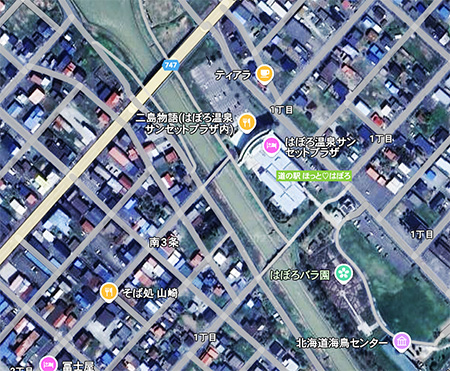
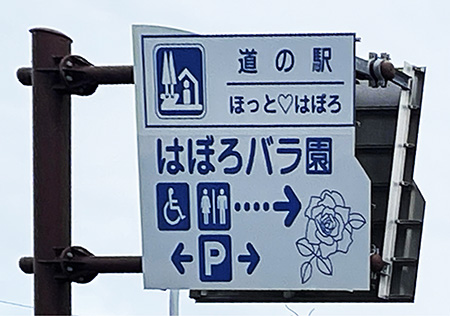
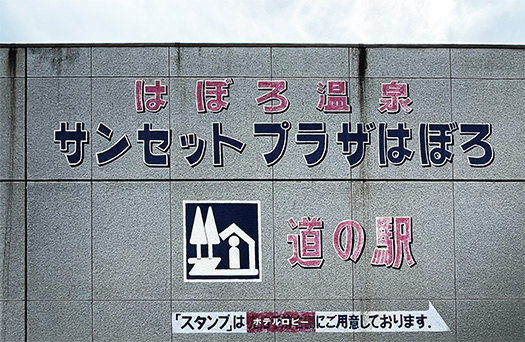
 写真は札幌から日本海沿岸道路をひたすら北上した「羽幌」の道の駅の状況。道の駅という国交省マターの国の施策はマイカー移動が主流になっている現代生活において、必要欠くべからざる地域資産。今回のような移動には道の駅は休憩のターミナル機能を果たしてくれる。またそういった施設で各地域の情報も得られる。高速道路でのPAのような役割を果たしている。マイカー移動が主流になっている現代では一種のインフラ機能だと思います。
 見方を変えると各地域にとっては重要な「地域戦略」の実践対象。人口減少局面で貴重なアピールの場でもある。自らの地域にひとが流入してくる貴重な機会をどう活用すべきか、知恵の絞りどころ。
 札幌から180kmで途中数カ所立ち寄ったあと、稚内に向けての本格的ドライブの前にひと休みしたいと立ち寄った。・・・のですが、どうも案内の勝手が違って「道の駅」の場所がさっぱりわからない(泣)。国道から「道の駅」マークに沿って右折してもその施設建物がわからない。看板を確認するけれど、ほかの施設名ばかりで肝心の道の駅本体が訪ね当たらない。ほぼ「事件」のような状況に遭遇した。
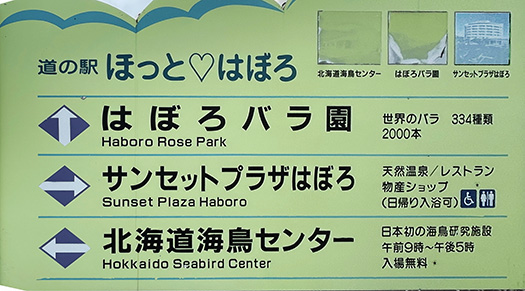
 やむなく駐車場とおぼしき場所にクルマを停めて歩いて探し回って、下の案内を発見。

 ようやく理解できてきたのは、この羽幌では「道の駅」本体はいろいろな施設に機能分散していて本体建物はないということ。複数の施設が寄り集まって「ゾーン」として道の駅機能が果たされているのですね。たしかに地域にとって道の駅というマーケティングチャンスは最大限活用したいでしょう。それを最大化させることを意図して、複合的なゾーン化させることも理解は出来る。う〜む、しかし。
 来訪者としてはもうちょっと「わかりやすく」して欲しい。いきなり各パーツ分散で迷わせられるのはちょっと予想外。まぁこのあたりは各地域の戦略に関することなので軽々には言えないでしょう。しかしやはりユーザー視線への十分な配慮は期待したいですね。今回の旅の間このこと、繰り返し体験させられることになりました。

●お知らせ
拙書「作家と住空間」幻冬舎から電子書籍で発刊
お求めはAmazonで。
https://amzn.asia/d/eUiv9yO

English version⬇

[Local “Roadside Station” Utilization Strategies and the Resulting User Nuisance?
Roadside Stations are an oasis for driving and an opportunity to distribute information. Since they are also a determining factor in the impression of the area, we would like to see consideration from the user’s perspective. ・・・・・.

 Yesterday, I spent the day recovering from three days of driving. The distance traveled was about 900 km, but I still have good mobility, so it was not a particular problem. However, I am still aware of pain in the calves of my legs, shoulders, and back.
 However, these feelings of fatigue are quickly and mysteriously resolved when I return to my daily life space. It is as if the body has returned to its normal pace and naturally remembers how to relax. The daily body movements and stretching activities provide the appropriate response to stiffness and pain. A familiar space like home can be a health “rebooting” device system, and after spending a day and night there, the body autonomously activates a “habit-forming” system that is efficient in restoring physical condition.
 This trip was to northern Hokkaido, a region I do not visit very often, but I was strongly impressed by the difference in thinking about “Michi-no-Eki” as a symbol of each local government’s response in the phase of population decline.
 The photo shows the situation of a roadside station in “Haboro,” just north of Sapporo on the Japan Sea Coastal Highway. Michi no Eki, a national policy of the Ministry of Land, Infrastructure, Transport and Tourism, is an indispensable regional asset in modern life, where travel by car has become the norm. For this kind of trip, a roadside station can serve as a terminal for rest and relaxation. They also provide information on each region. They play a role similar to that of a PA on an expressway. I think they are a kind of infrastructure function in today’s age of car travel.
 From a different perspective, it is an important “regional strategy” for each region to put into practice. It is also a valuable place to appeal to the declining population. It is important to narrow down the wisdom of how to utilize this precious opportunity to attract people to one’s own region.
 After stopping at several places along the 180-km drive from Sapporo, we stopped for a rest before the full-scale drive to Wakkanai. However, the directions were different and I had no idea where the “Michi-no-Eki” was (I cried). Even when I turned right along the “Roadside Station” sign from the national highway, I could not find the building where it was located. I checked the signboard, but all I could see were the names of other facilities, and I couldn’t find the main roadside station itself. It was almost like an “incident.
 We had no choice but to park our car in what looked like a parking lot, and after searching around on foot, we found the information below.

 What I have finally come to understand is that in Haboro, the main body of the “Roadside Station” is distributed among various facilities, and there is no main building. The roadside station functions as a “zone” where multiple facilities are gathered together. It is true that the local community would like to make the most of the marketing opportunity of a roadside station. It is also understandable that a complex of zones is created with the intention of maximizing this. Hmmm…but…
 As a visitor, I would like it to be a little more “easy to understand. It is a little unexpected to suddenly be led astray by the dispersion of each part. Well, this is a matter of each region’s strategy, so I can’t say it lightly. However, I still hope that sufficient consideration will be given to the user’s point of view. I had to experience this repeatedly during this trip.

Notice
My book “Writers and Living Space” is published by Gentosha as an e-book.
Please visit Amazon to purchase the book.


【盛夏2025 稚内〜紋別〜富良野の旅】


 さて世間はすっかり参議院選挙まっ盛りでありますが、あんまり政治のことは触れたくはありません。しかしどうも最近、官僚機構による政治コントロールが目に余り、対して政治の側に「民の目線」が明確には感じ取れないようで、それへの反発心が多くの有権者に兆しているとは感じております。
 もちろん現状がいいと思っているわけではないのですが、少しでも良い方向に向かっていただきたいと祈念するのみであります。投票はすでに期日前投票で済ませておりました。
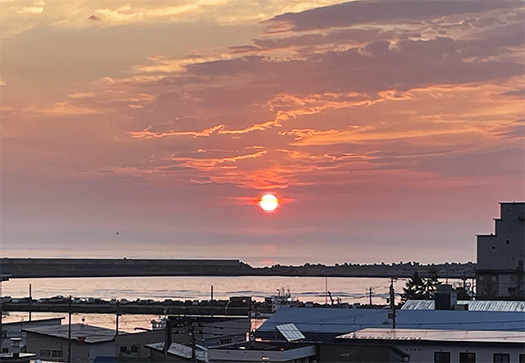
 ということで、喧噪を避けるように2泊3日の旅程で表題のようなコースで夫婦旅。写真はまるで夕陽のようですが(笑)、昨日早朝、オホーツク海から上る朝日を紋別のホテル室内から撮影したもの。元気よく漁船が出航して、しばらくしてから朝日を拝ませていただいた瞬間。
 今回の旅でははじめてじっくりと「稚内」市内を巡ってみて、北方・樺太との間での海上交通の要であった歴史を踏まえた日本北方史ということを学ばせていただきました。これまでは日本最北端の地、という印象だけで通りすがっただけでしたが、自分の中で非常に大きな気付きを得させていただいた。ブログでは6月中旬の山陰〜山陽の旅のシリーズもなかなか終わりませんが(笑)、さらに北方日本史シリーズも興味を掻き立てられてしまった次第。
 まぁそこが連載ブログの「ほどよさ」で、融通無碍にテーマは行ったり来たりしたいと思います。人生の深まりとともに、だんだんと放浪癖が強まってきております。結局は、比較的に住宅家屋が中心テーマでの「奥の細道」的な随想というのが、わたしの基本領域と定まってきているようです。
 日本人って、西行さんとか芭蕉さんとか、はたまた東海道中膝栗毛、そして富岳百景など「旅人」という漂泊のこころに強いこだわりを持っている民族かも知れませんね。・・・
 
●お知らせ
拙書「作家と住空間」幻冬舎から電子書籍で発刊
お求めはAmazonで。
https://amzn.asia/d/eUiv9yO

English version⬇

Midsummer 2025 Wakkanai – Monbetsu – Furano Trip]
I think Japanese people are vulnerable to a life of drifting away from a life of “carrying heavy burdens”. But I don’t like campervans… (laughs).

 The world is in the midst of the House of Councillors election, but I don’t want to talk too much about politics. However, I have been noticing that the bureaucracy seems to be controlling the political process, and that the politicians do not seem to have a clear “people’s perspective,” which I feel is a sign that many voters are rebelling against this.
 Of course, this is not to say that I think the current situation is good, but I do hope that the situation will improve as much as possible. I had already cast my ballot before the deadline.
 So, to avoid the hustle and bustle, we traveled as a couple on a 3-day/2-night itinerary with a course like the one in the title. The photo looks like a sunset, but it was taken early yesterday morning from our hotel room in Monbetsu as the sun was rising over the Sea of Okhotsk. This is the moment when we were allowed to see the sunrise a short while after the fishing boats cheerfully set sail.
 This trip was the first time for me to take the time to visit Wakkanai, and I learned a lot about the history of northern Japan based on its history as a key point of maritime transportation between the north and Karafuto. Until now, I had only passed through the city with the impression that it was the northernmost point of Japan, but I have gained a very significant realization for myself. I have not been able to finish the Sanin-Sanyo travel series in mid-June on my blog (laugh), and the Northern Japanese History series has also aroused my interest.
 Well, that’s the “moderation” of a series blog, and I would like to go back and forth between themes with flexibility. As my life has deepened, my wanderlust has gradually intensified. In the end, my basic area of interest seems to be “Oku no Hosomichi” style essays with a comparatively central theme of residential houses.
 Japanese people may be a people who have a strong attachment to the drifting spirit of “travelers” such as Saigyo and Basho, or the Tokaido Chuhi-Kurige and the Hyakkei of Mt. I am sure that they may have a strong attachment to the drifting spirit of “travelers”.
 
My book “Writers and Residential Space” is published by Gentosha as an e-book.
Please visit Amazon for more information.

【古民家と共鳴する「衣装」デザイン 石見銀山-7】


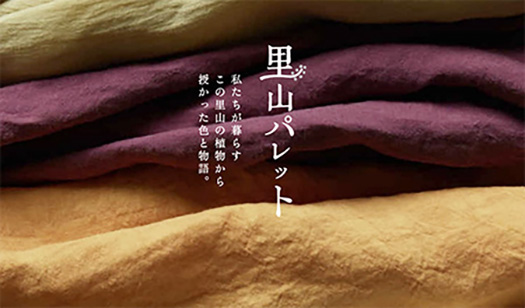
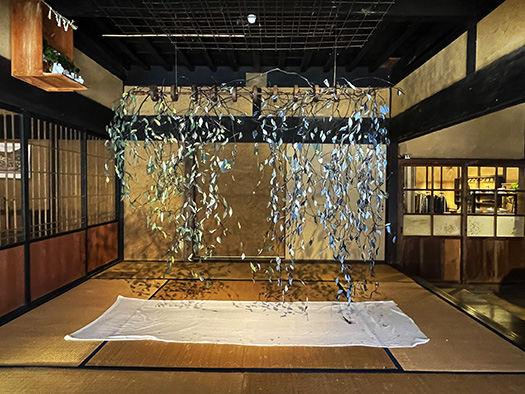
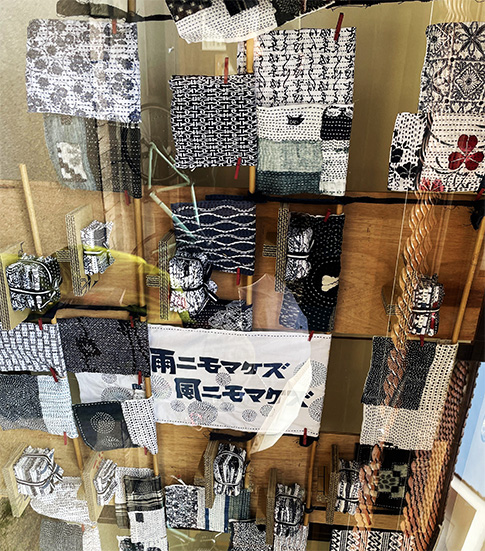
 古民家というのはもっぱら「住まいと暮らし」に関わる領域であって、いわゆるファッションデザインにはイメージが結びつくことがなかったのだけれど、この山陰の石見銀山で「この地に根を持つ」デザイナーが立ち上げた店舗ブランドに出会って、認識が大きくあらためられた。写真はこのファッションブランド「群言堂」の1つのテーマ作品イメージの表現と、店舗におけるイメージ表現空間。
 衣食住という人間生活の基本要素はまさに基本要素であって、そのなかで生きて暮らしていく人間にとって相互に影響しないわけがない。しかし、古民家という日本人ネイティブな空気感と相互に「対話して馴染みあう」ファッションデザイン、それも現代的ライフスタイルの表現ということには、なかなか思いが至らなかった。しかし、独特の感受性をもつファッションデザイナーである松場登美さんは、そういう常人を超える感受性があって、似つかわしいデザインを創造しているのだと思える。
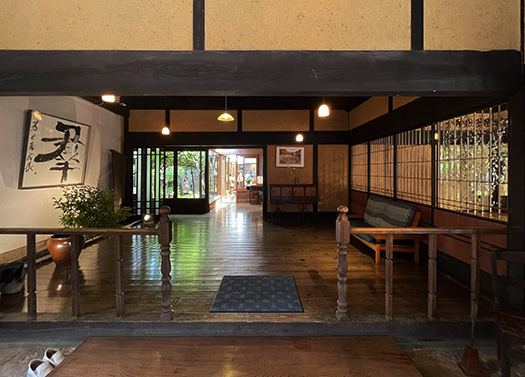
 もちろんわたし自身はそういう感覚ははるかに「斜め上」の世界なので、圧倒されるばかりなのだけれど、実際にこの群言堂本店の古民家再生店舗デザインと、その雰囲気と共生している衣装類を見ていると、さすがに「似合っている」ことはわかってきた。そして、空間デザインがどのように他の領域に影響していくのかという実例を見させられた思いがしていた。
 空間の作り方とかその構造性などとは別に、いわば「ものづくり」のデザインマインドの基底における相互作用をハッキリとそこに見ていたと言える。

 このようなファッション領域開発のNEXTとして、松場登美さんはいま「浄巾〜じょうきん」という考え方を実践されているということ。言うまでもなく対語としては「雑巾〜ぞうきん」というものになる。生きる領域として衣類を選択してきて「木綿往生」という言葉に強く惹かれたのだという。民藝活動家・外村吉之助氏の唱えられた考え方。それは「木綿はひとにやさしく最後は浄巾となってその一生を終える。人の一生もそうありたい」というもの。雑巾ではなく浄巾の「浄」には汚れを拭き取ってきれいにする意味だけではなく心の汚れも取り除くという意味もあり、社会を浄化するという意味では、と語られている。さらに古着類を端切れにしてそれらを「浄巾〜じょうきん」に仕上げていく針仕事をすら「チクチクセラピー」の営為として捉える。無心でそうした作業に取り組むとき、それらは一種、写経や瞑想にも似ていると語られている。
 結語として、歳を重ねても、新しいことにチャレンジすることは大事だと。
 このような「真言」に至る心底に、古民家的な空気感をファッション世界に表現する営為との深い連関性を見させられた。

●お知らせ
拙書「作家と住空間」幻冬舎から電子書籍で発刊
お求めはAmazonで。
https://amzn.asia/d/eUiv9yO

English version⬇

Costume design that resonates with old private houses Iwami Ginzan-7]
The spirit of the Japanese people’s familiarity with space is sublimated into costume design. From there, we went on to create “jokin,” a kind of cloth that is not a rag. Iwami Ginzan

 Old private houses are exclusively related to “housing and living” and have never been associated with so-called fashion design, but my perception was greatly changed when I came across a store brand established by a designer “with roots in this region” in Iwami Ginzan Silver Mine in the San-in region. The photo shows one of the themes of the fashion brand “GUNGODO” and the space for expressing the image of the brand in the store.
 The basic elements of human life, such as food, clothing, and shelter, are the very basic elements, and there is no reason why they should not influence each other for those who live and work within them. However, it has been difficult to come up with a fashion design that “interacts and blends” with the native Japanese atmosphere of an old Japanese house, and that is also an expression of a modern lifestyle. However, it seems to me that Tomi Matsuba, a fashion designer with a unique sensibility, has a sensitivity beyond that of ordinary people and creates designs that suit her.
 Of course, I myself am far “above” such sensibilities, so I am overwhelmed by them, but when I looked at the design of the Gunkendo main store, which is a revitalized old private house, and the clothes that are in harmony with its atmosphere, I realized that they indeed “fit” the store. I also felt that I was able to see an example of how spatial design can influence other areas.
 Apart from the way the space was created and its structural nature, I can say that I was clearly seeing the interaction at the base of the design mindset of “manufacturing” so to speak.

 As the NEXT step in the development of such a fashion area, Tomi Matsuba is now practicing the concept of “jokin – jokin”. Needless to say, the opposite term would be “zokin – zokin. Having chosen clothing as a domain for living, she was strongly attracted to the term “cotton living”. This is a concept advocated by folk art activist Kichinosuke Tonomura. He said, “Cotton is gentle to people and ends its life as a clean cloth. I want people’s lives to be like that. The “jokin” of “jokin,” as opposed to “zokin,” not only means to wipe off dirt and clean, but also to remove dirt from one’s heart and mind, and to purify society. He also considers even the needlework of cutting old clothes into scraps and making them into “jokin” as an act of “prickle therapy. When working on these tasks with a sense of detachment, it is said to be akin to sutra chanting or meditation.
 In conclusion, he said that it is important to try new things even as one gets older.
 In the heart of this “mantra,” I was able to see a deep connection with the activity of expressing the atmosphere of an old private home in the fashion world.

Notice
My book “Writers and Living Space” is published by Gentosha as an e-book.
Please visit Amazon to purchase the e-book.


【民俗+「開放感」施主デザイナーの意思 石見銀山-6】


 写真撮影したこの群言堂の2階を訪れたのは、松場登美さんとそのワンちゃんから勧められたことが機縁でした。まぁ通りに面してひなたぼっこの場所を与えられて心地よさそうにしていたワンちゃんと会話したくなったわたしの様子を見て、あ、これはひょっとして保護しているワンちゃんに不都合なことをしでかす可能性がある、とわたしのことを危惧されたのでしょう。そのように懸念されたことはまことに申し訳なかったと思っております。その勧めには強い説得力のある「空間体験」を提示して納得をもたらしたいと考えられたのではないかと思います。
 で、わたしとしてはこの2階の光景を一刻も早く見たいと思った。
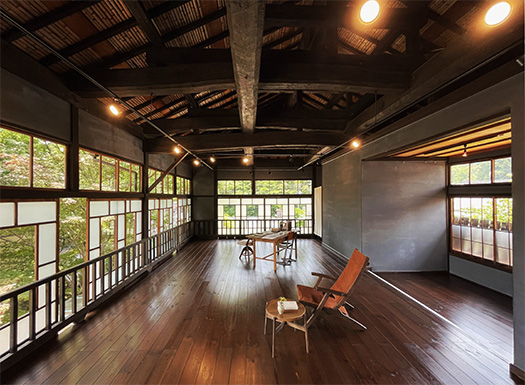
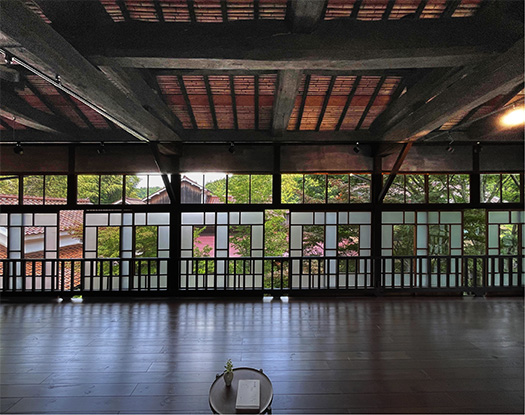
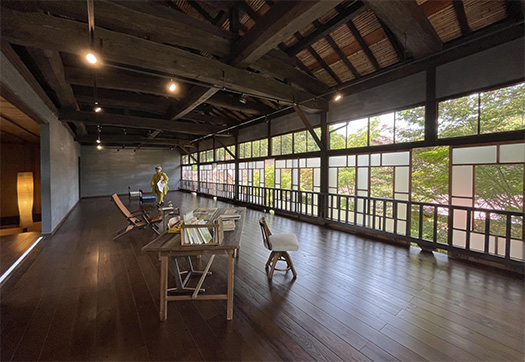
 昨日も開示しましたが、別のアングルからの写真を2点。この空間がどのように利用されているのかも、まったく知りません。そのような「案内」はなかったので推測するしかありませんが、たぶん印象的な「ファッションの展示」スペースとして利用されているのかと思われた。
 使われている空間構成の素材は古民家を構成する柱梁なのですが、古民家の屋根を支える構造材の重厚さがまるで空間に浮遊するかのように印象されている。グルッと回されている開口部、それも単板ガラスの嵌め込まれた木製窓建具から外光が取り入れられていて、室内には柱が非常に少なくて広大な空間が造作されている。
 こういう空間がどのように成立しているのか、古民家の改修だろうということで、そういうポイントもよくわかりません。が、デザイナーとしての施主さんの強い「思い」が込められているように感じられた。旅のひとこま、通りすがりの一期一会なので、その思いをその通り受け止めていた。
 古民家の素材からは、その地で暮らしてきた民俗の深遠な匂い、時間の積層が感じられる。それを現代のファッション感覚の背景として生かすのだ、という意思の表出。たしかに「松場登美」さんのメッセージは伝わってきていました。
 
●お知らせ
拙書「作家と住空間」幻冬舎から電子書籍で発刊
お求めはAmazonで。
https://amzn.asia/d/eUiv9yO

English version⬇

Folk customs + “openness” intention of the client designer Iwami Ginzan-6]
Design large space where the roof structure of a stately old house seems to float in the air. A light fixture pattern of single-pane glass adorns the openings. The designers’ intention was to create a “sense of

 The reason I visited the second floor of Gunkendo, where the photo was taken, was because Tomi Matsuba and her dog recommended it to me. I guess they were concerned that I might do something that might be detrimental to the dog they were protecting. I am very sorry for your concern. I believe that you wanted to convince me of your recommendation by presenting a strong and convincing “spatial experience.
 And as for me, I wanted to see this second floor scene as soon as possible.
 As I disclosed yesterday, here are two photos from different angles. I have no idea how this space is used. There was no “guide” as such, so I can only guess, but it seemed to me that it was probably being used as an impressive “fashion exhibition” space.
 The material used for the spatial composition is the pillar and beam that make up an old private house, but the massiveness of the structural material that supports the roof of the old house is impressed upon the space as if it were floating in the air. The openings are turned in a circle, and outside light is let in through wooden window fittings fitted with single-pane glass, creating a vast space with very few pillars in the interior.
 I am not sure how this kind of space is established, and I am not sure of the point of this project, as it is probably a renovation of an old private house. However, I felt that the strong “desire” of the client as a designer was put into this project. Since it was a moment of travel, a passing moment, I had to take that thought as it came.
 From the materials of old houses, one can sense the profound smell of folk customs that have lived in the area, and the layering of time. This is an expression of the artist’s will to use this as a background for a modern sense of fashion. Indeed, Ms. Tomi Matsuba’s message was conveyed.
 
●Notice
My book “Writer and Residential Space” is published by Gentosha as an e-book.
Please visit Amazon for more information.

【石見銀山「群言堂」デザインマインド 石見銀山-5】


 石見銀山という世界遺産登録された地域での古民家的町屋の暮らし。その文化性に着眼して地域に「根のある」生活文化を掘り起こしてひとつのデザインブランドに昇華させているのが、この群言堂。
 きのう紹介した「福」ちゃんの飼い主であるデザイナー・松場登美さんの創出させたデザインマインド。わたしのような北海道寒冷地での住宅の高断熱高気密革命の同伴者からすると、まことにうらやましいような温暖蒸暑の気候の中で、積層してきた生活文化の上質な要素をすくい取っている、というように受け取れる。
 古民家はわたしも大好きでそこで展開された昔人のくらしのいとなみに、ふかく同心する心象を持つのですが、やはりそのままの住宅内気候条件を受け入れることは出来ない。そのような古民家の暮らし方のエッセンスを生かしながら、現代的な「快適性能」を基本に据えていくべきと考えて、あらたな民族的な生活の美感を創出する、そのための文化創造過程のいま現在を、ルポルタージュして共同で作り上げていくことを考える。
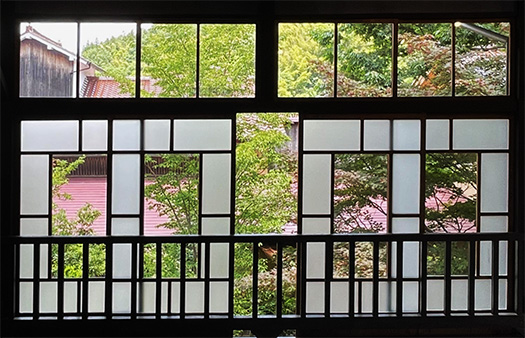
 そういう人間からすると、このような群言堂さんの「抽象化」には賛成したくなる。古民家の美感の本然をを生かしながら現代的な感受性で再構築していると思うのですね。ただ、群言堂さんにはそういった住宅性能的な与条件意識は基本的にはないのでしょうね。上の写真は2階のオープンスペースとその大開口。単板ガラスの引き違い木製窓が、広大に展開している。古民家的なデザインマインドと現代的な空間デザイン意識が融合した空間美。断熱としてはこの屋根や壁の外側で重厚に行えるけれど、木製窓自体はこのままではムリ。なので、この空間美を構成していくディテールでは同意はできにくい。気持ちはわかるけれど、手法としては丹念に取り組むべきということ。

 北海道でのこういう古民家の高断熱改修について、いろいろな意見のなかで「初源の姿への忠実な復元姿勢が不可欠ではないか」というトンデモ意見が出ることがある。北海道でも函館の五稜郭復元工事で高断熱化に対して「抵抗」する動きというものもあったと側聞する。
 こういったデザインマインドと、北海道的な作り手作法との「融合」が求められていると思う。

●お知らせ
拙書「作家と住空間」幻冬舎から電子書籍で発刊
お求めはAmazonで。
https://amzn.asia/d/eUiv9yO

English version⬇

Iwami Ginzan “Gunkendo” Design Mind Iwami Ginzan-5]
This kind of design mind is good. So, how to structure the house while ensuring the performance of the house? The best solution is a fusion of performance and design. The best solution is the fusion of performance and design.

 The Iwami Ginzan Silver Mine is registered as a World Heritage site. Gunkendo is a company that focuses on the cultural aspects of this area, and has unearthed a lifestyle culture that has “roots” in the region and sublimated it into a single design brand.
 This is the design mindset created by designer Tomi Matsuba, the owner of “Fuku,” whom I introduced to you yesterday. For someone like me, who has been following the revolution of high heat insulation and high airtightness of houses in the cold region of Hokkaido, it seems to me that the designers have captured the fine elements of life and culture that have been accumulated in the warm and humid climate, which is truly enviable.
 I also love old private houses, and I have a deep sympathy for the way of life of the ancients, but I cannot accept the climate conditions in the houses as they are. We believe that the essence of the old minka way of life should be utilized and that modern “comfort performance” should be the basis for creating a new sense of beauty in the life of a people.
 As such a person, I am inclined to agree with Mr. Gunkendo’s “abstraction. I think you are reconstructing the beauty of old houses with a modern sensibility, while making the most of their intrinsic beauty. However, I guess Mr. Gunkendo basically does not have such an awareness of the given conditions of housing performance. The photo above shows the open space on the second floor and its large opening. The single-pane sliding wooden windows are vastly expanded. The beauty of the space is a fusion of an old-fashioned design mindset and a modern spatial design consciousness. Although insulation can be provided outside of the roof and walls, the wooden windows themselves cannot be used as they are. Therefore, it is difficult to agree on the details that compose the beauty of this space. I understand your feelings, but the method should be carefully worked on.

 Among the various opinions on the renovation of such old houses in Hokkaido, there is a sometimes controversial opinion that “faithful restoration to the original state is essential. I have heard that even in Hokkaido, there was a movement to “resist” the use of high insulation in the restoration of Goryokaku in Hakodate.
 I believe that a “fusion” of this kind of design mindset and the Hokkaido way of making things is needed.

Notice
My book “The Writer and the Living Space” is published in e-book format by Gentosha.
Available at Amazon.com.

【ワンコの福ちゃんが誘う古民家美意識 石見銀山-4】


 さて石見銀山シリーズに復帰であります。
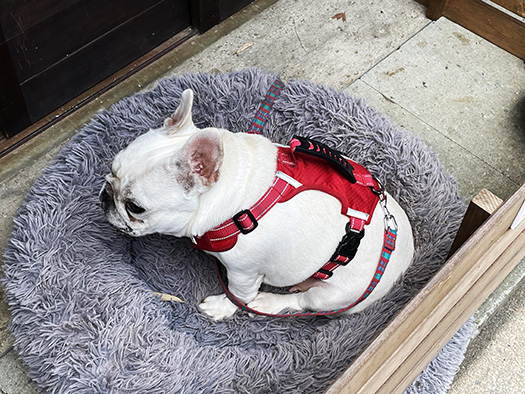
 銀山の間歩(まぶ)と呼ばれる坑道地域探訪から下りてきての「街並み」探索箇所。写真は、石見銀山・大森町の「古民家街並み」保存地域で最初にめぐり会っていた家の様子。先日(6/13)も触れたと思うのですが、なぜか強い「吸引力」で引き寄せられていたワンコが、家のド真ん前でひなたぼっこしていた家です。
 このワンコ、ホントにこころが平安でいるのか、余念なく日の光の繊細なぬくもりに達観していた。泰然自若としている様子がまったく素晴らしくて、見惚れていたのだろうか。自分でもよくわからない。最近は小動物たちのふるまいにこころが同期していることが自分で自覚してはいるけれど、それぞれの個性によって受け取り方は当然違いがあり、その「個性」を強く感じさせられる。このワンコにはそういう気配が強かった。横に居て充足感が得られる、みたいな。
 で、この大森町のことはまったく事前知識なく探訪していたのだけれどあとで、この家が全国に展開するファッションショップ「群言堂」の創業者・松場登美さんの家で、このワンコは「福」と名付けられたフレンチブルドッグだということなのだった。・・・こういう情報をカミさんとの共同作業でようやく知るようになって来た。このショップは札幌でもあって、そのお店にもカミさんは行ってお土産に「登美さん」という書籍も購入してきた。
 そういうことでいろいろな情報を受け取れるようになって、旅の味わいがどんどんと深まって行っている。ワンコの力の凄まじさにゾッコンであります。

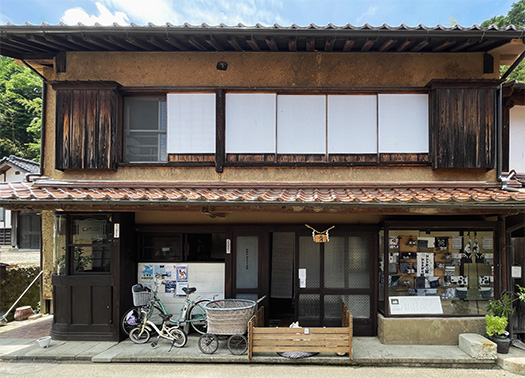
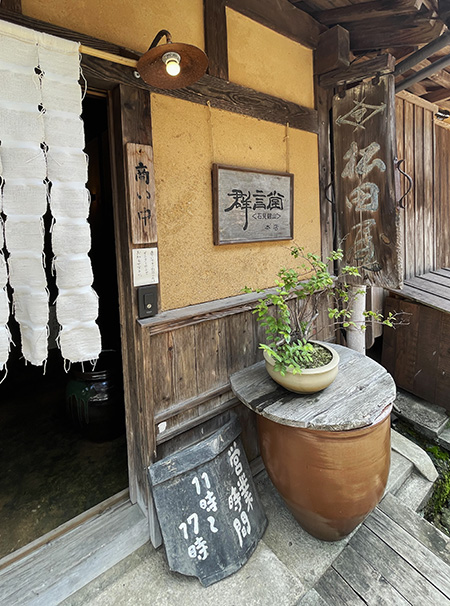
 こちらがワンコの家の対面にある「群言堂」の本店ショップ。わたしも全国の古民家探訪を大きな人生探訪テーマとしてきている人間ですが、この大森町の、そのまた中核的な存在である松場登美さんのプロデュース、というか、その美意識が大きく展開している空間に魅入ってしまっていたのであります。しばし、この古民家群の探訪記を続けたいと思います。

●お知らせ
拙書「作家と住空間」幻冬舎から電子書籍で発刊
お求めはAmazonで。
https://amzn.asia/d/eUiv9yO

English version⬇

The dog, Fuku-chan, invites you to the beautiful old private houses Iwami Ginzan-4]
The navi dog communicates the charm of the old private house townscape with its calm and contented feeling more than human words. I’m so impressed, I’m crazy about her. I’m so impressed.

 Now, we are back to the Iwami Ginzan Silver Mine series.
 This is the part of the “townscape” exploration after coming down from the visit to the silver mine’s mabu (tunnels) area. The photo shows the first house we encountered in the “old private house townscape” preservation area in Omorimachi, Iwami Ginzan Silver Mine. As I mentioned the other day (6/13), there was a dog, which for some reason was strongly attracted to the house, sitting in the sun right in front of the house.
 This dog seemed to be at peace, and was absorbed in the delicate warmth of the sunlight. I wonder if he was just admiring the wonderful way he looked so calm and composed. I don’t know myself. I am aware that my heart has recently been synchronizing with the behavior of small animals, but each animal’s individuality naturally has its own way of being perceived, and I am strongly impressed by their “individuality. This dog had such a strong sense of individuality. It was like he was beside me and I could feel a sense of fulfillment.
 I had no prior knowledge of Omorimachi, but I later learned that this house belonged to Tomi Matsuba, the founder of the nationwide fashion store “Gunkendo,” and that the dog was a French bulldog named ‘Fuku’ (meaning “good luck” in Japanese). This information finally came to be known through joint work with my wife. Kami also went to this store in Sapporo and bought a book titled “Tomi-san” as a souvenir.
 She also bought a book called “Tomi-san” as a souvenir. I am fascinated by the power of the dog.

 This is the main store of “Gunkendo” located opposite Wanko no Ie. I, too, have been exploring old private houses throughout Japan as a major theme in my life, and I was fascinated by the space produced by Ms. Tomi Matsuba, who is also a key figure in Omorimachi, or rather, the space where her aesthetic sense has been greatly developed. I would like to continue my exploration of these old houses for a while.

Notice
My book “Writers and Residential Space” is published by Gentosha as an e-book.
Please visit Amazon for more information.