本文へジャンプ

【年齢>体重。驚きの食事効果・ダイエット進化】


 今回の検査入院による「効用」として驚いているのが、食事コントロールによるダイエット効果。昨年5月の入院時以降、取り組んでいたダイエット作戦によって、血液検査時の各種数値、HbA1cなどは劇的に改善されてきていましたが、食事の方はどうしても意思の決定的な弱さから、ついつい食べ過ぎが始まって、徐々に体重増加が見られていた。
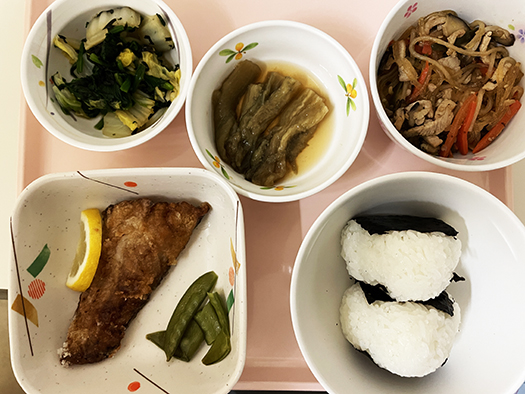
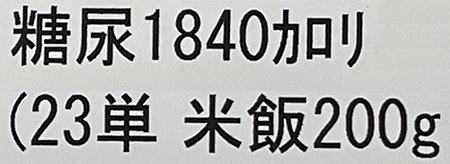
 それがふたたびショック療法のように写真のような制限食に遭遇して数日、自分でもすぐに体感できるほどにスッキリ感に満たされてくるではありませんか!
 で、退院後、昨日朝食運動後計量してみたら、昨年5月以降でも最少体重になっていた。人生時間でながく年齢数字を上回っていた体重数字が、ついに幼年期以来、いや生まれてこの方という歴史的逆転が視野に入ってきた!。まことに自分でも信じられない未体験領域に突入であります。
 制限食については、カミさんと娘が強い関心を持ってスマホ経由で、わたしといっしょに「食事栄養指導」の先生との相談に同席してくれて、あれこれと具体的に「どうすべきか」の実践的内容を打ち合わせ、質問などさせていただいていた。あ、もちろんわたしも同意しながら、そのご指導をありがたく拝聴させていただいていました。
 人間の命というモノは、この具体的な肉体の活動停止とともに儚くなるのでしょうが、しかしその瞬間まで精一杯の努力・工夫は継続意志を持っているべきでしょう。この「福音」のような体重数字を奇貨として、その継続努力をさらに進めていきたいと思い始めております。そういう努力をときどき、忘れないようにするためにも、今回のような検査入院は有益。
 少ないカロリーで、どのように楽しく美味しい食習慣を営んでいけるかも、究極的に最重要な「生存戦略」だろうとも思えますね。やるぞ!

English version⬇

[Age>weight. Amazing dietary effects and diet evolution]
The post-discharge diet of May last year was effective, but the stimulus of the test hospitalisation was introduced when the diet was somewhat stagnant. Is weight loss a positive life strategy? …

 One of the ‘benefits’ of this hospitalisation is the surprising effect of weight loss through diet control. The diet strategy I had been working on since my hospitalisation in May last year had dramatically improved my various blood test values, HbA1c, etc. However, due to the decisive weakness of my will, I had inevitably started overeating when it came to food and was gradually gaining weight.
 After a few days of encountering the restricted diet as shown in the picture, as if it were shock therapy again, I was filled with a sense of refreshment that I could immediately feel myself!
 So, after leaving hospital, I weighed myself yesterday after breakfast exercise and found that I was at my lowest weight since May last year. The weight figure, which had exceeded my age figure for a long time in my life time, is finally on the verge of a historical reversal, the first time since childhood (!). I can’t believe it. I am entering a new realm that I can’t believe I’ve never experienced before.
 My wife and daughter were very interested in the restricted diet and attended the consultation with the nutritional guidance doctor via smartphone, where we discussed the practical details of what to do and asked questions. Of course, I agreed with him and listened to his guidance gratefully.
 Human life will be fleeting with the cessation of this concrete physical activity, but until that moment, we should have the will to continue our utmost effort and ingenuity. I am beginning to think that I would like to use this ‘gospel’ weight figure as a chance to further that continuing effort. In order to remember to make such efforts from time to time, a test hospitalisation like this one is beneficial.
 How I can enjoy my eating habits with fewer calories is ultimately the most important ‘survival strategy’, I think. Let’s do it!

【訂正。冷蔵庫利用にテレビ視聴必須は誤解でした】


 退院後、さっそくいろいろな仕事案件が再起動して、望外の喜ばしい展開・お申し出もあって一気に多忙が復元してきていました。具体的な活動については詳細な内容が確定次第、公表していきたいと思います。よろしくお願いします。出張も不安なく可能になったので、そのスケジューリングもさっそく調整。1月下旬関東出張は日程もさっそく確定させられました。体調の管理コントロールが万全になることで、すべての行動予定が進行させられます。健康がすべての基本と実感。また「かかり付け医」の先生にも診断結果文書を持参してご報告完了。
 さて、きのうのブログにいろいろな反応をいただきました。新年早々でパソコンでの作業をそのまま病院で継続させることが最優先で、入院生活についてしっかりした環境確認の時間を持てていなかったことから、わたしが誤解していたことがあったと情報訂正させていただきます。
 テレビと冷蔵庫への入院個室ブースでの電力供給は「テレビカード」と通称される電磁媒体を利用することは間違いがありません。ただ、この「通称」はあくまでも通称であって「テレビを見なければ冷蔵庫にも入電しない」と言うことではありませんでした。これはわたしの認識が間違えていました。「テレビカード」だけれど別にテレビ視聴が必須ということではなく、むしろ「電源利用カード」という名称の方が正確。たまたまテレビを見る人の方が圧倒的多数派だから、「わかりやすい」名前で通称されているに過ぎないということでした。
 わたしの日常生活ではテレビはほとんど「自分からは」情報接触しないので「テレビカード」という通称に誤解を持ってしまった。そのせいで冷蔵庫と電源共有しているということを十分に確認していなかったのですね。前回までの入院(直近は昨年4−5月)での経験もあったので、ほとんど「入院案内」の類は目も通していなかった。そこは老人性の早とちり誤解。
 また、この「テレビカード」の使用料精算も退院時に専用機械が用意されていて、残額も返還されるシステムになっているとのことでした。・・・こういう点について、まったくわたしの「健忘症」が発揮されたのです。
 そういうことで、昨日のブログ記述について内容的に修正・訂正させていただきます。国立病院利用者のみなさんに誤情報を流布して申し訳ありませんでした。謹んでお詫びいたします。
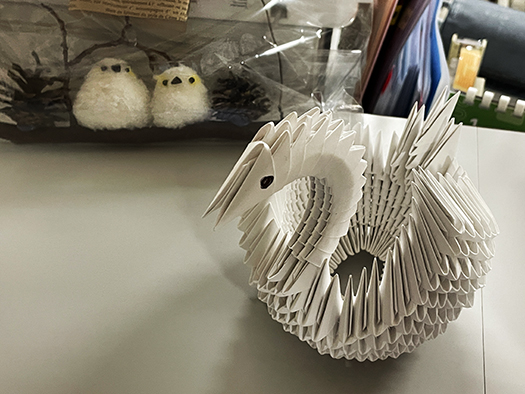
 写真は看護室前に飾られた、すばらしい折り鶴とエナガちゃん。

English version⬇

[Correction. It was a misunderstanding that TV viewing was mandatory for fridge use]
TV card is a ‘common name’ and ‘power use card’ is more accurate. We correct and apologise for spreading ‘prejudice’ from TV haters. …

 After being discharged from hospital, various work projects were immediately restarted and my busyness was quickly restored due to some unexpected and welcome developments and offers. I will announce specific activities as soon as the details are finalised. We look forward to working with you. I am now able to travel on business without any worries, and the scheduling of my business trip to the Kanto region in late January has been quickly adjusted and the dates confirmed. By having full management control over my physical condition, I am able to progress with all my action plans. I realise that good health is the basis of everything. I have also brought the diagnosis results document to my ‘family doctor’ and reported the results to him.
 Now, I received various reactions to yesterday’s blog. I would like to correct some of the information that I had misunderstood, as my priority was to continue working on the computer in the hospital at the beginning of the new year, and I did not have time to check the hospital environment thoroughly.
 There is no doubt that the power supply to the TV and fridge in the private in-patient booths is via an electromagnetic medium commonly known as a ‘TV card’. However, this ‘common name’ was only a common name and did not mean that if you did not watch the TV, the fridge would not be energised either. I was wrong about this. Although it is a ‘TV card’, it does not mean that TV viewing is mandatory; rather, it is more accurately called a ‘power usage card’. It just happens that the overwhelming majority of people watch TV, so it is commonly known by an ‘easy-to-understand’ name.
 In my daily life, I had a misunderstanding of the common name ‘TV card’ because the TV is rarely in ‘self-initiated’ information contact. Because of this, you did not fully confirm that you were sharing the power supply with the fridge. Because of my previous experience in hospital (most recently in April-May last year), I had hardly read through any kind of ‘hospital information’. Therein lies a senile premature misunderstanding.
 I was also told that a special machine is provided for the settlement of the fee for the use of this ‘TV card’ at the time of discharge, and that the remaining amount is also refunded. I was told that a special machine would be provided at the time of discharge and the remaining amount would be refunded.
 I would therefore like to correct and amend yesterday’s blog entry in terms of content. I apologise for spreading misinformation to the users of the National Hospital. We sincerely apologise.
 The photo shows the wonderful origami cranes and Enaga-chan displayed in front of the nursing room.

【国立病院機構/「万人共用」家具の困った仕様】


 昨日、国立病院機構・北海道医療センター検査入院から無事に退院。ほんの3泊4日日程でしたが、やはり「居住環境」メディアを作ってきた人間なので、そういう視点から見る部分がありました。前回の昨年4月末〜5月初頭GW中の2泊3日はたまたま空いていた1人部屋だったのですが、今回はさすがに万が一の急患の可能性にも遠慮して通常の4人部屋。
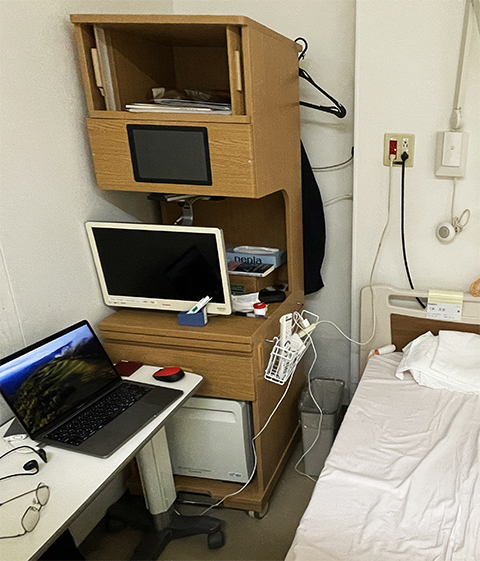
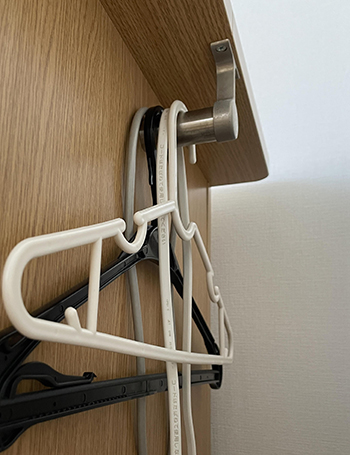
 そこでの家具の仕様にやや面食らった点があった。上の写真がベッドサイドに置かれ壁面に2方向閉鎖されているその家具ですが、いちばん驚いたのが、外套や上着の収納箇所が、壁に押しつけられている超狭め空間に「押し込められて」いたのです。しかもそのポール部分には家具背面から出てきている電線の類いが巻き付けられていてコート類を収納させるのに非常に難渋させられたのです。っていうか、まさかそういう箇所に配置されているとは、はるかに常識想定外でそうとわかってからも、この時期の定番ダウンジャケット収納のため、重たい家具全体をやや手前に移動させる必要があった。「滅多に使わない」衣類収納という疎外された存在扱いなのでしょうか。
 ギリギリ2枚の衣類を掛けたら満杯なのですが、収納させるのにけっこうな作業集中がなければ成功できない。コード類が邪魔して円滑にはいかないのですね。
 で、わたしは「中居なんとか」の異常行動ふるまいを当然としてきたテレビ業界をほとんどまったく視聴しないので、これが万人共通用として空間の枢要な位置を占めていることに「オイオイ」感が否めない。まぁそれはある程度仕方ないけれど、テレビを視聴するためには「テレビカード」購入の必要がある。困ったのは絶対必需家電である冷蔵庫も、そのテレビカードを購入して入れなければスイッチONできない仕様であること。これはまったく理解できなくて丸1日、持参していたミカンが冷蔵されていなくて、取り出すときやや香りがキツくなっていることに気付くまで、うかつにも冷蔵庫が働いていないことがまったくわからなかった(泣)。
 いま考えると、テレビは全国民が等しく視聴するという潜在観念とは違う価値観の人間は想定外なのでしょう。まぁわたしが「異常な」なんだと決めつけられるのは構わないけれど。ただわたし以外にもこういう嗜好性のタイプは増えてきていると思うので、意味不明の「性的多様性対応・受容」を強制するより、こういう多様性対応を考えて欲しいと思わされた次第。

English version⬇

[National Hospital Authority / Trouble with ‘universal’ furniture
More and more people are the type of people who do not watch television and use computers for information contact. Why not make food fridges function without the acceptance of television? …

 Yesterday, I was safely discharged from the National Hospital Organisation Hokkaido Medical Centre from a test hospitalisation. It was only for three nights and four days, but as someone who has made ‘residential environment’ media, I had to look at it from that point of view. The last time, from the end of April to the beginning of May last year, I stayed in a single-person room that happened to be available, but this time I stayed in a regular four-person room, taking into account the possibility of an emergency.
 I was a little surprised at the specification of the furniture there. The photo above shows the furniture, which was placed by the bedside and closed to the wall in two directions, and the most surprising thing was that the cloak and jacket were ‘pushed’ into the very narrow space pressed against the wall. Moreover, the pole was wrapped around an electrical wire coming out of the back of the furniture, which made it very difficult to store the coats. Even after realising this, it was necessary to move the entire piece of furniture forward a little to store the down jackets that are a staple this time of year. Is it the marginalised status of ‘seldom-used’ clothes storage?
 It is full when just barely two garments are hung, but you have to have considerable work concentration to succeed in getting it to store them in the first place. Cords get in the way and it doesn’t go smoothly.
 And since I hardly watch the TV industry, which seems to have taken Nakai’s abnormal behaviour for granted, I can’t deny that I feel ‘oui oui’ at the fact that this occupies a pivotal position in the space as a universal use. Well, that can’t be helped to some extent, but what is troubling is the need to purchase a ‘TV card’ in order to watch TV. And the fridge, which is an essential household appliance, cannot be switched on without purchasing and inserting a TV card. This was completely incomprehensible to me, and for a whole day I had no idea that the fridge was not working until I carelessly noticed that the tangerines I had brought with me were not refrigerated and had a slightly stronger aroma when I took them out (tears).
 Now that I think about it, people with different values than the subconscious notion that television is something that all people watch equally are not expected to do so. Well, I don’t mind if people assume that I have an ‘abnormal’ lifestyle. However, I think there are more and more people with this type of preference other than me, so I would like them to think about how to respond to this type of diversity rather than enforcing a ‘sexual diversity response/acceptance’ that makes no sense.


【無事に血管造影X線撮影終了、診断結果良好】


 昨日は今回の入院の目的である表記の検査を受診。撮影診断後、ただちに主治医の先生から画像を交えての詳細な説明を、カミさんと娘と3人で受けておりました。結果は良好と言うことで今後は、養生を肝要と心得て健康管理に地道に取り組んでいくことになりました。
 一段落と言うことで、平常の活動に則復帰できることに。
 国立病院機構の北海道の中核施設なので、こういう設備環境とスタッフの充実ぶりを実感。こういった施設が自宅から300メートル程度にあるということは大変ありがたい。これまでも、家族一同なにか危険に遭遇したときには利用させていただいていますが、今後とも安心と信頼の置ける施設。
 しかし造影撮影にあたっては「造影剤」の摂取と血管内への検査機器の進入があるので、やはりカラダ的な負担はけっこうあります。左手手首から機器を進入させるのですが、ときどき体内感覚でそれが知覚されるときもある。そういうのも含めて忍耐し理性的に受容することで、はじめて臓器の現状確認・詳細把握が科学的な可能になるので、患者としてはひたすら冷静沈着を祈念しているのが必須。
 施術後、5時間程度は止血処理のために機器進入部を固く締め付けて置く必要があり、その結果、ほぼ1−2日程度、緊張した状態が迫られます。医学の進歩というモノに感謝しつつ、患者としての受け止め方の鍛錬もまた必要だなと実感しますね。
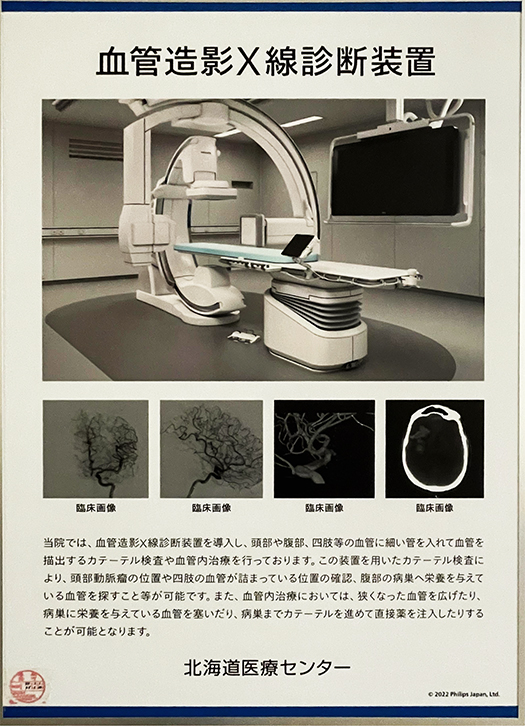
 しかし当初予定通り、本日退院することができますので、本当にありがたい。きのうはカミさんひとりで「除雪」頑張っていたとのこと。本日以降はどんとこい降雪、ということで立ち向かって行きたいです(笑)。写真は機器本体の説明写真。施術される人間としては、とにかく「動いてはいけない」という圧迫感は仕方ありませんが、活発に動作するロボット的な機器で、ずっと施術中、よろしく頼みますね一択という存在であります。

English version⬇

Angiographic X-ray successfully completed, with good diagnostic results.
As a patient, I was grateful for the scientific progress, but calmly and calmly suppressed my body movements and was a patient. Thanks to this, he returned home today as planned. …

 Yesterday, I underwent the examination described above, which was the purpose of my hospitalisation this time. Immediately after the diagnostic imaging, Kami, her daughter and I received a detailed explanation from the attending doctor, including images. The results were good, so from now on, we will continue to work steadily on our health management, keeping in mind that it is important to take good care of ourselves.
 The results were good, and we will be able to return to our normal activities.
 As this is a core facility of the National Hospital Organisation in Hokkaido, I felt that the facilities and staff were well equipped. We are very grateful that such a facility is only 300 metres from our home. We have used this facility in the past when our whole family has encountered some danger, and we will continue to feel safe and trustworthy in the future.
 However, contrast imaging involves the ingestion of ‘contrast media’ and the entry of the examination equipment into the blood vessels, so there is still quite a physical burden. The device is inserted through the left wrist, and sometimes it is perceived by the body. Only by being patient and accepting such things rationally, it becomes scientifically possible to confirm the current state of the organs and understand the details, so as a patient, it is essential to pray for calmness and tranquillity.
 After the procedure, it is necessary to keep the device entry site tight for about five hours for haemostatic treatment, resulting in a tense state for about 1-2 days. While I am grateful for the advances in medical science, I also realise that I need to train myself to accept the situation as a patient.
 However, I am very grateful that I will be discharged from hospital today as originally planned. Yesterday, Kami was doing her best to ‘remove snow’ by herself. I want to face up to the snowfall from today onwards (laughs). The photo is an explanation of the equipment. As a person being treated, I can’t help but feel a sense of pressure not to move, but it is a robotic device that works actively, and during the treatment, I can only ask for your kind attention.


【環境変化適合にかかるタイムラグ】


 一昨日1/6にわが家から300メートルと至近距離の「北海道医療センター」(国立病院機構)に検査入院。3泊4日と短時間でこれまでも数回こちらの病院には同程度かそれ以上の長期間入院しているので、あんまり考えることもなく入院を迎えておりました。まぁ感覚的に「慣れている」だろう、と気軽に考えて直前には仕事を片付けるのにほぼ徹夜の没頭。そこから「駆けつけた」。
 なんですがやはりそれなりの環境変化があるので、6日はまったく違う環境に戸惑って身の回りの「環境整備」が全然できなかった。そうすると持ち込んだMacを使って仕事する上で、「あれ、これはどうしたらいいかなぁ」という事柄が続出。
 環境変化へのカラダ感覚の適合に、一定の時間が掛かることに今更ながら気付き驚く。月に一回程度は4−5日ほどの関東・関西への出張が定期化しているし、日数的にもたかがその程度と軽く考えすぎていた。出張には出張での「慣れ」があって、入院のような事態とは環境条件がまったく違うということなのでしょう。おかげさまで、6日はそういう適合不足であれこれ意味不明の混乱。寝具にまで気が回らず、ちょい寒めで過ごさざるを得なかった。
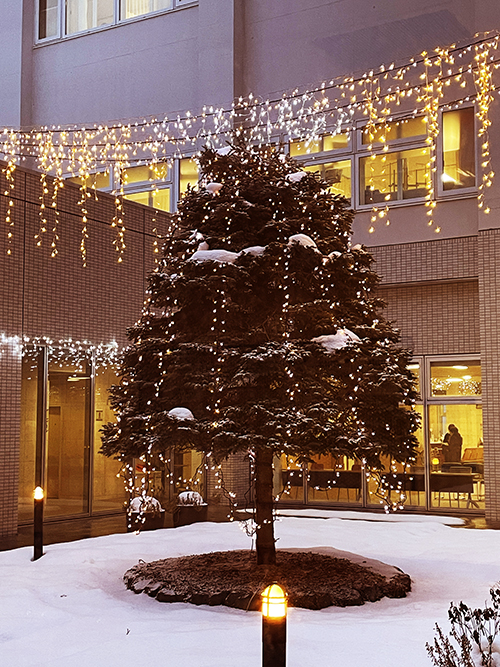
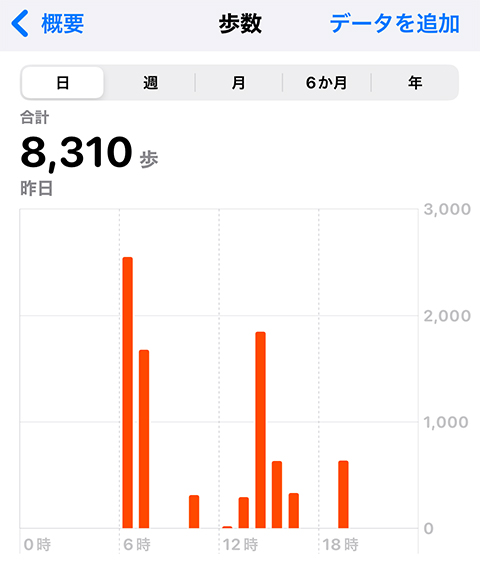
 しかし丸1日くらい時間経過するとようやく「慣れ」てきて、すべてにスイッチが入ってきます。そのためにいちばん効果的なのはやはりカラダを積極的に動かすこと。幸いこちらの病院は広大な建築空間なので、2番目の図のiPhoneアプリ「ヘルスケア」での「歩数管理」で、通常の散歩1日歩数とほぼ同じくらいを確保することが出来た。建築内部空間のあちこちを歩きまわることで空間感覚が再起動してくる。上の写真はエントランス中庭のクリスマスっぽい飾り付け。
 この建物内での動作記憶が復元されて、平衡感覚が「蘇ってくる」。いろいろな情報判断にとってこれが重要。高齢化のなかでつい忘れやすい大事な心得ポイント。
 さて本日最大目的の「血管造影X線診断」。無事に終われば明日には帰れる。前向きに対処したい。

English version⬇

[Time lag in environmental change adaptation].
A whole day in a daze because you are not prepared to change your mind because you have experienced it so often. If you wake up your body, you can solve the problem at once. …

 The day before yesterday, on 6 January, I was admitted to the Hokkaido Medical Centre (National Hospital Organisation), which is only 300 metres from my house, for a check-up, which took only three nights and four days. I thought casually that I would be ‘used to it’ sensibly, and just before, I was immersed almost all night to get my work done. I rushed to the hospital from there.
 But there is a certain amount of environmental change, so on the 6th, I was so confused by the completely different environment that I couldn’t do any ‘environmental maintenance’ around me at all. Then, when working with the Mac I brought with me, I had a lot of questions about what to do with it.
 I was surprised to realise after all this time that it takes a certain amount of time for the body’s senses to adapt to changes in the environment. I have been taking business trips to the Kanto and Kansai regions for 4-5 days once a month, and I had been thinking too lightly that it was just a matter of the number of days. I guess it is because I am used to travelling on business, and the environmental conditions are completely different from a situation like a hospital stay. Thanks to that, on the 6th, I was confused about this and that due to such a lack of adaptation. I couldn’t even think about my bedclothes and had to spend the day a bit cold.
 But after a whole day, you finally get ‘used to it’ and everything switches on. The most effective way to do this is to actively move your body. Fortunately, this hospital is a vast architectural space, so I was able to get almost as many steps as a normal walk by using the second iPhone application ‘Health Care’ to keep track of my steps. Walking around the building’s interior space reactivates a sense of space.
 The memory of movement within the building is restored and the sense of equilibrium is ‘revived’. This is important for various information decisions. This is an important point that is easily forgotten in the ageing of the population.
 The main objective of today’s visit is the ‘angiographic X-ray’. If it is completed successfully, I can go home tomorrow. I want to deal with it positively.

【民俗のアジール・古来の「絵伝」表現】


 先日来、何度も重なってきた広島県東部「福山」周辺探訪の余韻のなかに耽溺しております。どうも現世のことよりも、歴史時間のなかにこころを揺らがせている方が好ましい心理。
 広島県立歴史博物館(福山)では草戸千軒遺跡の復元展示があったり、その図録はなぜか2冊も購入していて、なんども繰り返し見続けています。あ、2冊あるのは、隔年での再訪時にもうすでに購入していたことを失念していて購入してしまったのです。もう初訪問から20年近く経っていますが、ジオラマの世界とこの図録に収録されている「民」の生き様に耽溺しているのです。
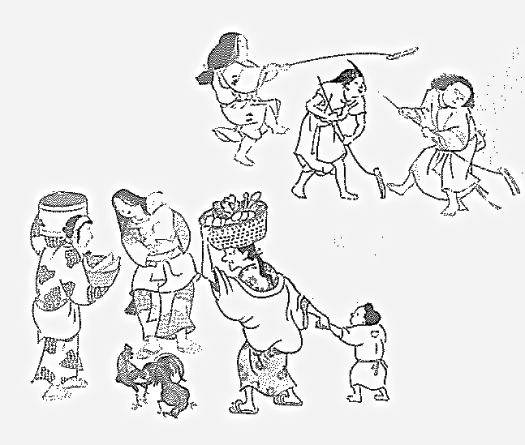
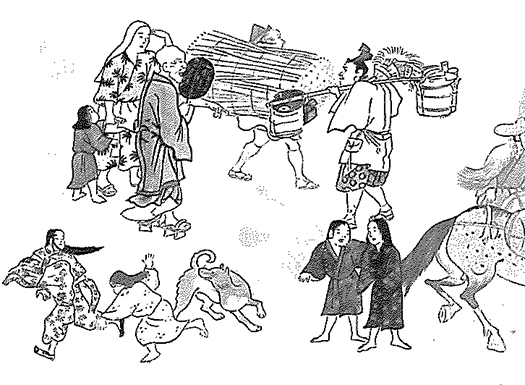
 上のイラスト画は「一遍上人絵伝」(国宝)から。鎌倉期の成立とされる絵伝で、伊予の河野氏の一族であった一遍上人が、踊り念仏の大衆向け仏教宗派を開闢して、全国を行脚していた様子を表現したもの。〜一遍の異母弟(一説には実弟または甥)でその弟子ともいわれる聖戒がその報恩のために作成した。奥書には、1299年(正安元年)一遍の弟子にあたる聖戒が詞書を起草し、法眼の地位にあった画僧の円伊が絵を描いた〜Wikipediaの記述。
 その画面には当時の子どもたちの様子が描かれていて、そのポーズや体動作で示されている表情になんとも深く癒される。柳田國男さんの著作を読んでいると、子どもというのは、この世での魂魄・生き様が明瞭に刻印されていない、という存在であって、民俗的な家意識からはまだ未熟なものとして認識されている様子が記述されている。その時代の空気に十分に満たされていない「天真爛漫」ぶり。しかしそこに民族の共通性が正直に表れていると思える。
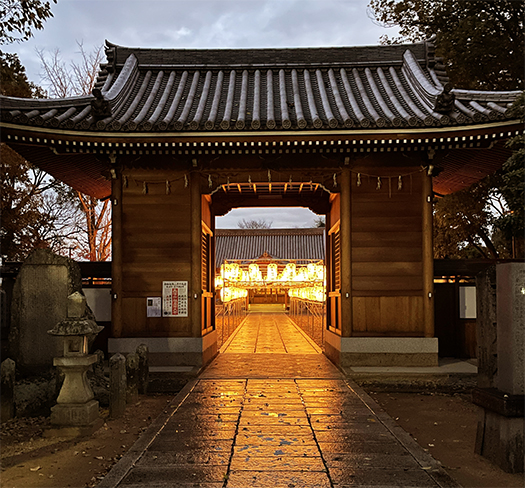
 最後の写真は播州・姫路の英賀神社の「夜景」。現代社会では夜の歓楽街が現代人の「アジール」の象徴とも思えるけれど、この写真のような光景からも、そういったものと通底するような空気感が漂ってくる。
 なにか、列島社会でこういう人びとの生きてきた空間性・生き様というものに「かえっていく」気分がだんだんと強くなっています。

English version⬇

[Folk azure, ancient ‘pictorial’ expressions].
I love it and am made to keep watching its movements and expressions repeatedly. These ‘children’s minds’ invite us from history with a smile. I love the space and time. …

 Since the other day, I have been indulging in the lingering memories of my many visits to the Fukuyama area in eastern Hiroshima Prefecture. I prefer to let my mind wander in the historical time rather than in the present world.
 At the Hiroshima Prefectural Museum of History (Fukuyama), there is a restored exhibition of the Kusado-Senken site, and for some reason I have bought two copies of the catalogue, which I keep looking at over and over again. Oh, the reason there are two copies is that I had already bought them when I revisited the museum every other year, because I had forgotten that I had already bought them. It has been almost 20 years since my first visit, but I am still indulging in the world of dioramas and the way of life of the ‘people’ included in this catalogue.
 The illustration above is from the ‘Ippen Shonin Eiden’ (National Treasure). The illustrated biography, which is said to have been established in the Kamakura period, depicts how Ippen Shonin, a member of the Kono clan of Iyo, created a Buddhist sect for the masses that practised dancing Buddhist chanting and travelled around the country. 〜It was created by Ippen’s half-brother (or, according to one theory, his own brother or nephew) and disciple, Shōkai, as a way of repaying his kindness. The inscription in the back says that in 1299 (the first year of Shoan), Seikai, a disciple of Ippen, drafted the lyrics, and En’i, a painter and monk of the Dharma eye, painted the pictures.
 The screen depicts children of the time, and the expressions shown in their poses and body movements are very deeply soothing. In reading Kunio Yanagida’s writings, he describes children as beings whose soul spirit and way of life in this world have not been clearly imprinted, and who are still recognised as immature by the folk family consciousness. They are ‘naïve’ and not fully in tune with the atmosphere of the times. However, the commonality of the people seems to be honestly expressed there.
 The last photograph is a ‘night view’ of Eiga Shrine in Himeji, Banshu. In modern society, night-time entertainment areas can be seen as a symbol of modern people’s ‘asylum’, but the scene in this photo gives off an atmosphere that has something in common with such places.
 I am gradually getting the feeling that I am ‘returning’ to the spatiality and way of life that these people have lived in the archipelago society.
 

【文章作業没頭・興奮から、精密検査入院へ】


 昨年末に送付されてきていた「校正チェック」全8万文字超に年始早々から没入しておりました。その作業が締め切り7日に対して1日早く、本日早朝にフィニッシュ。とにかく大量なので、まぁなんとかゴールになだれ込んだ、という無理矢理感はあるのですが、あとはゆっくりと全般に目を入れていって、作業を返送したい。
 ということなのですが、本日からは前々から予定の通り、北海道医療センターの定期の「精密検査チェック」で4日間入院する予定。その直前になんとか作業は間に合った。こういう緊張感のあるプロセスというのは、むしろ精神健康上、なかなかにピリッとしていて良いかも知れません。精神的な若さを維持するためには、この程度の刺激は効果的なのだなぁと実感しております。どうなることかと思っていたのですが、時間に追われることで、メリハリが強調され、最後はラストスパート感が沸き立って、アタマのなかは沸騰気味でした。
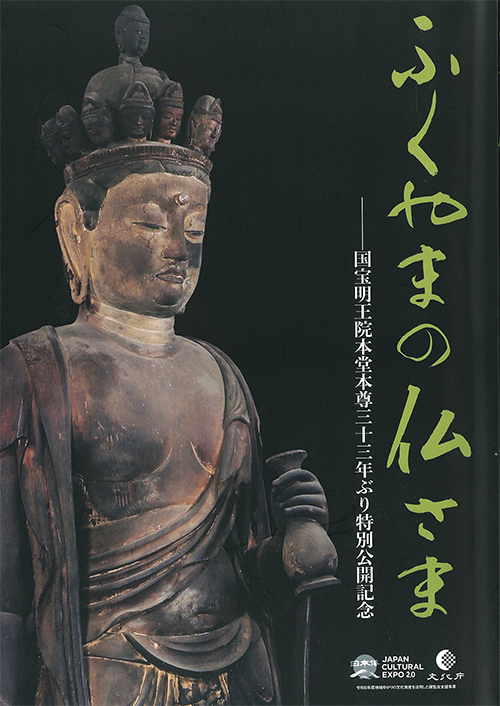
 ということで、写真は先日来連絡をいただいているご先祖の故地の寺院から送っていただいた仏像写真集。広島県福山市には、草戸千軒遺跡がありわが家の故地・今津もあるのですが、そちらの「ふくやま美術館」での「国宝明王院本尊33年ぶり公開記展示会」の図録であります。
 だんだんとこういう「仏像・仏画」に面白さを感じてくるようになるモノですね。ちょっと若いときには芸術は宗教というくびきから開放されることで身近になって来たと思っていたのですが、自分の加齢と共に仏像・仏画に強く惹かれるようになってきた。
 飛鳥大仏と作者・止利仏師から運慶など作家たちとその作品から、非常に興味深い示唆が得られるようになってくるモノなのですね。この列島では文化現象として仏教というものが歴史時間、果たし続けてきた深くて広い領域があるのだと再認識させられる。奈良京都といった中枢地域でのそれらはそれとして、地域に根ざした仏像群にも、その地域での人びとの「息づかい」が匂い立っていると感じるようになる。作者としての仏師たちの作り手としての内面性や、依頼者としての宗教者の「祈り」、そしてそれと「対話」し続けてきた地域の人びとの心情のことなどが、層をなして響き渡ってくる。
 多くの先人の生き様を伝えてくれていることが、染み入ってくる感覚。みんな同じようなモノと思っていた仏像・仏画の表情に、超絶な「多様性」を見る思い。この図録を眺めながら、心静かに健康精密診断を、謹んで受けて参ります。あ、ブログは引き続き、毎日書きますのでよろしく。

English version⬇

[From immersion and excitement in writing work to hospital admission for a full check-up].
 Brain boiling during manuscript checks. At times like this, it is good to have a quiet dialogue with Buddhist statues and paintings. I thought they were all the same, but I was reminded of their diversity. …

 Since the beginning of the year, I have been immersed in a ‘proof check’ of over 80,000 words, which was sent to me at the end of last year. The work was finished early today, one day ahead of the seven-day deadline. Anyway, it’s a huge amount of work, so I feel forced to say that I managed to get to the goal, but, well, I just want to slowly put my eyes on the whole thing and send the work back.
 That being said, from today I will be in hospital for four days for a routine ‘full check-up’ at the Hokkaido Medical Centre, as I have been planning to do for some time. I managed to get the work back in time just before that. This kind of tense process is probably rather good for my mental health, as it is quite piquant. I realise that this level of stimulation is effective in maintaining mental youth. I wondered what would happen, but being pressed for time emphasised the sharpness, and at the end I felt a sense of a last spurt, and my mind was boiling.
 The photo is a collection of photographs of Buddhist statues sent to us by a temple in the place where our ancestors were born, who have been in contact with us since the other day. In Fukuyama City, Hiroshima Prefecture, there is the Kusado-Senken Ruins, where my family’s ancestral home, Imazu, is also located, and this is a catalogue of the ‘Exhibition of the National Treasure Meio-in Honzon (the main image of Myoin Temple), which is open to the public for the first time in 33 years’ at the Fukuyama Museum of Art in Fukuyama City.
 I gradually began to be interested in Buddhist statues and paintings like this. When I was a bit younger, I thought that art had become more accessible by being freed from the yoke of religion, but as I have grown older, I have become more and more attracted to Buddhist statues and paintings.
 From the Asuka Giant Buddha and its creator, the Buddhist monk Tori-Butsushi, to Unkei and other artists and their works, it is an object from which we can get very interesting suggestions. In this archipelago, we are reminded that Buddhism, as a cultural phenomenon, has continued to fulfil a deep and wide range of tasks over the course of history. Aside from the Buddhist statues in the central regions of Nara and Kyoto, we can also smell the ‘breath’ of the local people in the Buddhist statues that are rooted in the local area. The internal nature of the Buddhist sculptors as creators, the ‘prayers’ of the religious people who commissioned them, and the emotions of the local people who have continued to ‘dialogue’ with them, echo through the layers of the statues.
 It is a sense that seeps into the way of life of many of our ancestors. The feeling of seeing superb ‘diversity’ in the expressions of Buddhist statues and paintings, which I had thought were all the same. While looking at this catalogue, I will respectfully undergo a health check-up in peace and quiet. I will continue to write a blog every day.


【WEB/SNSの「同調圧力・エコーチェンバー」の防止には?】


 わたしは新聞の購読をしなくなってから20年近く経過しています。同時にテレビ視聴などもカミさんがNHK-BSなどの「わたしの興味分野」関連の番組だけを選択保存してくれているので、食事時などでアタマをからっぽにして見ても悪影響のなさそうなBGビデオ的な番組だけを視聴しています。
 こういうメディア接触傾向を続けてくると、とくに民放テレビでのバラエティ番組などへの反発心が強い。いかにも刹那的な放送内容で、視聴者にCMを届けることだけが目的だと思えるのですね。まったく否定はしないけれど、自分としては視聴に人生時間を消費するのは耐えられないと思っています。さらに既存メディア最近の傾向として、情報提供の「偏り」と同様に「知らせない」自由までも顕著に発揮している。現代世界の根底的な問題だと思う。
 その結果を受けてユーザーとしては必然的に防衛的に「自分の興味分野」の情報を自分で無意識に選択して、その関連の情報に「浸かる」ことになる。SNSメディア側、Youtubeなどでも当然そういう視聴動向を把握して、その選択傾向に合致するような情報を最上位に表示させて対応してくる。結果として今度は「エコーチェンバー」という情報傾向が必然化する。総務省HPにこういった記載がある。〜「エコーチェンバー」とは、ソーシャルメディアを利用する際、自分と似た興味関心をもつ情報源をフォローする結果、意見をSNSで発信すると自分と似た意見が返ってくるという状況を、閉じた小部屋で音が反響する物理現象にたとえたものである。〜実は現代において起こってきているのは、こういう強い「同調圧力」情報洪水なのだということがわかる。
 現代は従来型の「オールドメディア」による恣意的な情報「コントロール」と、同時にユーザー選択の結果の「同調圧力・エコーチェンバー」が同時進行しているのだろうと思える。先述のようにわたし自身はオールドメディアとの「ボーッ」とした視聴接触習慣はあまり持っていないけれど、いま深く気付かされているのが、エコーチェンバー的なSNSなどとどう向き合うかという問題。
 気付くかどうかは別にしても、今後の社会に於いてこの問題は非常に大きな問題になっていくだろうと思える。このテーマはしかしまだ始まったばかりで、いまのところ問題点の掘り起こしという段階ではないだろうか。オールドメディアの問題点修正という動きはまだ顕著には見られないし、SNSなどの修正対応も見られない。ただ、こういうテーマ意識がユーザー側で認識されつつある、という意味ではまだしもマシではあるのかも知れない。ユーザー側からの「叡智」が育っていくかどうか、注意深く見ていくべきだろう。

English version⬇

[How to prevent ‘peer pressure and echo chambers’ on the web/social networking sites?
The problems of bare old media and the acceleration of problems with new information tools. Can humanity evolve its information intake? …

It has been nearly 20 years since I stopped subscribing to newspapers. At the same time, my wife selectively saves programmes related to ‘my fields of interest’ such as NHK-BS for me to watch on TV, so I only watch BG video-like programmes that do not seem to have any negative effects when I watch them with my mind empty, such as when I am eating.
 This trend in media contact has led to strong opposition to variety programmes on commercial television in particular. It seems to me that the content of these programmes is very ephemeral and their only purpose is to deliver commercials to the viewers. I don’t deny it at all, but as for me, I can’t stand consuming my life time for watching them. Furthermore, the recent trend in the existing media is to demonstrate a marked ‘bias’ in the provision of information as well as the freedom to ‘not inform’. I believe this is a fundamental problem in the modern world.
 The SNS media, Youtube and others are naturally aware of these viewing trends, and display information at the top of the list that matches these selection tendencies, and respond accordingly. They will respond by displaying information at the top of the list that matches these selection trends. As a result, an ‘echo chamber’ information trend becomes inevitable. The Ministry of Internal Affairs and Communications website states. 〜The term ‘echo chamber’ refers to the physical phenomenon of sound reverberating in a closed room, where people follow information sources with similar interests to their own when using social media, and as a result, when they transmit their opinions on SNS, they receive similar opinions back. 〜The fact is that what is happening today is this kind of strong ‘peer pressure’ information flood.
 It seems to me that today we are simultaneously experiencing arbitrary information ‘control’ by the conventional ‘old media’ and ‘tonal pressure/echo chambers’ as a result of user selection. As mentioned above, I myself do not have much of a habit of ‘idle’ viewing contact with old media, but I am now deeply aware of the problem of how to deal with echo chamber-like social networking sites.
 Whether we realise it or not, it seems to me that this issue will become a very big problem in society in the future. This theme has only just begun, however, and at the moment we are probably still in the process of uncovering the problems. There has been no noticeable movement to correct the problems of old media, nor has there been any corrective action on the part of social networking services. However, it may be better in the sense that users are becoming more aware of these themes. We should watch carefully to see if ‘wisdom’ from the user side grows.

【日鉄のUSスチール買収にバイデン政権 NO通告。日米関係は?】


 本日はやや時事的で政治外交的なテーマ。わたしの生きてきた時代はいわゆる戦後世界であり、日本の国際的スタンスは日米同盟をその最強基盤としてきた。自国の防衛についてアメリカという世界最強軍事国家との同盟関係で保全するという国家戦略。もちろん国内的には民主主義国家であり、反体制側として共産主義国家群と連携する勢力が批判勢力として存在してきた。権力監視者の役割を持つマスメディアもそういう批判スタンスに近いでしょう。
 一時的な細川連立政権や民主党政権時代などでも日米同盟は、しかし堅固に維持されてきた。そういった国際的関係、バランスにとって昨日出されたバイデン政権による表題の決定は、微妙な「さざ波」を印象させられる。
 次期トランプ政権は、この表題の一件について明確に「反対」の姿勢とされてきたので、そういうアメリカ側の権力意志が明確になってきたと言えるのではないか。アメリカ国内でも、同盟関係にある日本を代表する企業の自由な戦略的意思、ひいては日米の関係の安定性を勘案して受容する意見もあったなかで、日米関係に微妙に影響を及ぼす今回の否定的な決定がアメリカ政権側において下された。日本製鉄という一企業としては、企業の戦略的決定に照らして、まことに厳しい環境になっているだろうことは理解できる。
 また、安倍元首相未亡人のトランプ訪問による効果として大統領就任式前の石破首相との会談も、トランプ側からは急転直下OKサインが出されていたけれど、先日日本外務省からはそれを否定し就任式後の2月以降の会談を目指すとの発表。一方で岩屋毅外相はアメリカよりも先に中国を訪問し、中国の王毅外相と3時間以上の異例な長時間会合を持ち、政権与党・自民党の党内にも十分に諮らずに、対中融和的な相互の入国管理体制を合意した。
 このような石破政権の対応は、日本の多くの人びとにとって「多数派意思」と言えるのだろうか。また、日本の伝統的「反体制派」勢力ははたして積極的にこうした外交選択を望んでいるのだろうか?
 わたし自身は新左翼学生運動に共鳴参加した過去もあるのですが、さまざまな人生経験を積層させてきて大枠としての戦後体制についてそれを基本的に支持するスタンスに立っています。日本が生き延びて行くには、やはり日米同盟基軸関係は最重視されるべきだと。しかししっかりと国論として論議された結果であれば、その結果は尊重したいとも考えます。ただ、今回の日米関係の「微妙化」は、目的的で信念を持った外交選択とはどうしても見なせない。そこに確固とした政治信条が反映されているとは思えない。
 今後トランプ政権が正式に発足して、こういう状況がどのように展開していくのか、日本国民としては注視していくべきだろうと考えます。

English version⬇

The Biden administration has given a NO notice to NITTETSU’s acquisition of US Steel. What is the US-Japan relationship?
Steel is a nation. Even allies must clearly declare their rejection of the basic principle. Ripples in the future of Japanese capitalism. Is the administration aware of this situation? …

 Today’s theme is somewhat topical and political diplomacy. I have lived in the so-called post-war world, where Japan’s international stance has been based on the US-Japan alliance as its strongest foundation. Japan’s national strategy is to safeguard its own defence through its alliance with the US, the world’s most powerful military state. Domestically, of course, Japan is a democratic state, and there have been critical forces on the anti-establishment side that are aligned with the communist group of states. The mass media, with its role as power watchdog, is probably close to such a critical stance.
 The US-Japan alliance has been maintained, but firmly, even during the temporary Hosokawa coalition and Democratic Party of Japan (DPJ) governments. For such international relations and balance, the Biden Government’s decision on the title, issued yesterday, gives the impression of a subtle ‘ripple’.
 The incoming Trump administration has been said to be clearly ‘against’ this title, so it can be said that the will to power on the part of the US has become clearer. The negative decision, which has a subtle impact on US-Japan relations, was taken by the US administration while there were opinions in the US that accepted the free strategic will of a company representing Japan’s alliance and, by extension, the stability of US-Japan relations. It is understandable that Nippon Steel Corporation, as a company, must be facing a very difficult environment in light of the company’s strategic decisions.
 Also, as an effect of former Prime Minister Abe’s widow’s visit to the US, Trump had given the go-ahead for a meeting with Prime Minister Ishiba before the inauguration ceremony, but the Japanese Foreign Ministry recently denied this and announced that they would aim for a meeting after the inauguration ceremony, in February. Meanwhile, Foreign Minister Tsuyoshi Iwaya visited China before the US and had an unusually long meeting with Chinese Foreign Minister Wang Yi, lasting more than three hours, and agreed to a conciliatory mutual immigration control regime with China without fully consulting the ruling LDP party.
 Can such a response by the Ishiba Government be regarded as the ‘majority will’ of many Japanese people? And do Japan’s traditional ‘dissident’ forces really actively want such a diplomatic option?
 I myself was a sympathetic participant in the New Left student movement in the past, but I have accumulated many different life experiences and have a stance that basically supports the post-war system as a general framework. I believe that in order for Japan to survive, the keystone relationship of the US-Japan alliance should be given the highest priority. However, if the results are the result of a thorough discussion of the national debate, I would like to respect the results. However, the current ‘delicatisation’ of US-Japan relations cannot be seen as a purposeful and principled diplomatic choice. It does not seem to reflect any firm political beliefs there.
 I believe that the Japanese people should keep a close eye on how this situation develops once the Trump administration is officially inaugurated in the future.

【江戸期・備後福山藩領「地方中小商家」の営業実態】


きのうの続きです。わが家の家系はこの福山市西部の今津町で確実に商家として生業を営んでいたようなのですが、そういう「営業実態」についての記録や実物などは、北海道移住に際しての混乱期に多くが散逸していて、なかなか確認することができませんでした。たまたまわたしはこういう「探究・深掘り」が住宅(関連)取材として興味と機会があるので、企図してきていた。しかしなかなかリアリティと整合性のある「実感」には至っていなかったのです。
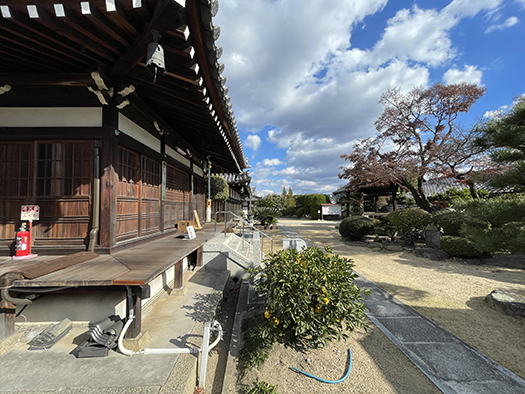
 そういうもどかしさを抱えながらいたのですが、草戸千軒遺跡の取材と、わが家が強く関係していた今津の蓮華寺の様子、それらが同一生活文化圏、宗教文化圏としてもきわめて近接し相互に関係している状況事実とクロスすることで、生々しく浮かび上がってきた次第です。
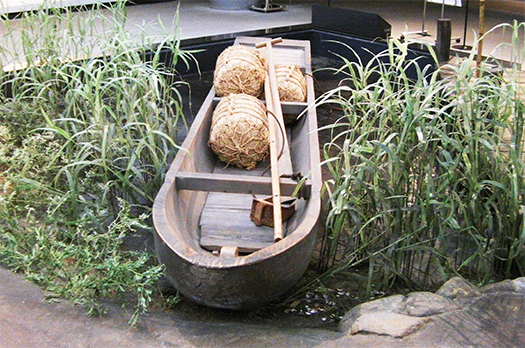
 わが家は瀬戸内海地域有数の「商都」であった尾道を本拠とする商業ビジネス集団「あがや」に属していたことは確実なのです。わたし自身も遺品のひとつとして商家としての「あがや」家紋入りの「膳部」を承継保有しています(笑)。江戸期の「商家」の営業実態としては、物流としての水運利用によって、物資の流入する尾道のような港湾商業都市拠点から、販売先地域への物流の継続的運営管理が生命線なのでしょう。草戸千軒遺跡は江戸期には衰退していたとされていますが、瀬戸内海と河川(芦田川)の水運を利用していたことは発掘などから明白な事実。その水運機能が草戸では衰退していたのに対して「今津」<イマドキの港という含意>の地名自体でわかるように、中世期の草戸千軒と同様の水運物流機能が、この今津で確保されていたのでしょう。
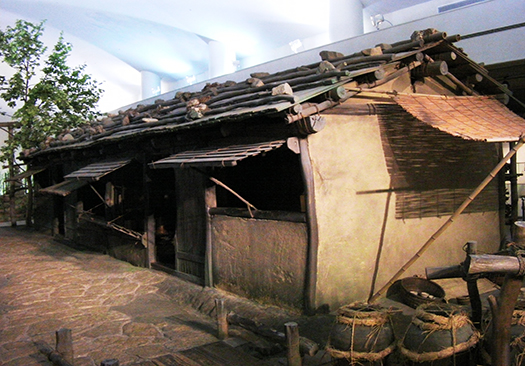
 そしてその物流の対象先は、「今津宿」とされた参勤交代の宿場機能に対してだった。この今津には薩摩藩や平戸藩などの西国大名家が「定宿」として利用してきた事実がある。「本陣」としての「河本家」と「脇本陣」としての「蓮華寺」への物資納品の役割を独占していた事実。まさに大名家などが必要とする物資を尾道の「あがや」本拠から調達して流通販売することが、主要な江戸期の経済物流機能だった。その物流のリアリティが草戸千軒遺跡の発掘痕跡ジオラマと、まったく同一文化圏だった事実から、まさになまなましく実感できたのです。
 言ってみれば、中世の草戸千軒の役割が、江戸期のこの今津で再生されていたのでしょう。
 わが家の家系伝承では、平戸藩主の松浦静山の書き記した「甲子夜話」に今津宿本陣での大名貴賓接遇に一家を挙げて奉仕している様子が記録されている。
 そうした商家としての営業の基本構造が見事に「見える化」されてきた次第。う〜むオモシロい気付きが得られたと頓悟しております。全体イメージを知る大きな機縁。

English version⬇

[Actual business conditions of ‘local small and medium-sized merchant families’ in the Bingo Fukuyama Domain during the Edo period].
The reality of the business conditions of our family’s ancestors has become visible. The breath of life has been intensely felt. …

This is a continuation of yesterday’s article. My family seems to have been a merchant family in Imazu-cho in the western part of Fukuyama City, but many records and actual objects relating to the ‘business situation’ were scattered during the period of confusion when the family moved to Hokkaido, so it has been difficult to confirm the existence of such a family. It just so happened that I had planned to do this kind of ‘exploration and in-depth research’ as a housing (related) journalist because I was interested and had the opportunity to do so. However, I have not been able to come to a ‘real feeling’ of reality and consistency.
 I had been feeling frustrated about this, but by crossing the coverage of the Kusado-Senken site with the situation at Renge-ji Temple in Imazu, to which my family was strongly related, and the fact that they were very close and interrelated as the same living and religious cultural sphere, the situation came to the fore in a vivid way.
 It is certain that my family belonged to the Agaya, a commercial business group based in Onomichi, which was one of the leading ‘commercial capitals’ of the Seto Inland Sea region. I myself have inherited a ‘zenbu’ with the ‘Agaya’ family crest as a merchant family as one of my personal belongings (laughs). The business reality of a merchant family in the Edo period was the continuous operation and management of logistics from port commercial centres such as Onomichi, where goods flowed in through the use of water transport as logistics, to the areas where the goods were sold. Although the Kusado Senken site is said to have declined during the Edo period, it is an obvious fact from excavations and other evidence that the site made use of water transport from the Seto Inland Sea and rivers (Ashida River). While the water transportation function was in decline at Kusado, the name of the place itself, ‘Imazu’ (meaning ‘Imadoki port’), indicates that the same water transportation and distribution function as at Kusado-Senken in the medieval period was secured at Imazu.
 The logistics destination was for the function of an inn for the pilgrimage, which was called ‘Imadzu-juku’. It is a fact that this Imazu has been used as a ‘fixed inn’ by the Satsuma and Hirado clans and other western daimyo families. The Kawamoto family monopolised the role of delivering goods to the Rengeji Temple, which served as the ‘main lodge’ and the ‘side lodge’. The main economic and logistical function of the Edo period was to procure the goods needed by the feudal lords and others from the ‘Agaya’ headquarters in Onomichi for distribution and sale. The reality of this logistics could be seen in the diorama of excavated traces at the Kusado-Senken site and the fact that they were in exactly the same cultural sphere, which made it possible to feel the reality of the logistics in a very sedate way.
 In other words, the role of Kusado-Senken in the Middle Ages was being recreated here in Imazu during the Edo period.
 In our family tradition, the Koshi Yawa, written by Shizan Matsuura, lord of the Hirado domain, records how the whole family served at the Imazu-juku Honjin for the reception of noble guests of feudal lords.
 The basic business structure of such a merchant family has been successfully ‘visualised’. I am now realising that I have gained some interesting insights. A great opportunity to understand the whole picture.