本文へジャンプ

【高齢人口向け新領域開発は、アタマの整理整頓から】


 高齢期だけれど、そのスタンスを逆に生かしての新領域開発。ジミジミ取り組んでおります。
 まぁ直接的にビジネスというよりも高齢期の人間の「人生ふりかえり」のきっかけ作りとでも呼べるような企図。
 現代社会では、世界中で高齢者人口割合が増えていく。そしてその最先端に日本はトップランナーで差し掛かりつつある。この状況要因はこれまで否定的に捉えられてきたけれど、むしろこれを肯定的に捉えて「新領域」開発につなげる「地鎮」的な取り組みか。
 とりあえず、アタマのなかではひとつの領域アイデアが出現したのですが、それを組み立てて行くには、同時に「底固め」的なものが必要になってくる。高齢者なので既に所有しているのに、まだ気付かれていない情報資産の概念の確定から。
 仕事人生では新事業への取り組みをやってきた自分なりに高齢期の面白領域と感じてゆったり格闘中。いまは友人知人たちに少し情報開示してその反応から、目星を落とし込み中。さて。
 本日は関東以南地域では梅雨まっ盛りのような雨模様だそうで、しかも台風の通過も近々想定されているとのこと。札幌でも昨晩からけっこうな土砂降りであります。最近ずっと毎日10,000歩以上の散歩運動量なのですが、自分自身でも多少は「怠け心」ムクムク気味(笑)。どうするかなぁ・・・。
 それと活発化してきている日本列島の地震発生ぶり。昨日の岩手県沖地震に引き続いて、昨晩は山梨県で局地的な震度6発生とのこと。どうもやや用心が肝心という局面に差し掛かってきているように思える。
 こういう状況のなかでは、油断なく災害に備えていくべきでしょうね。用心。
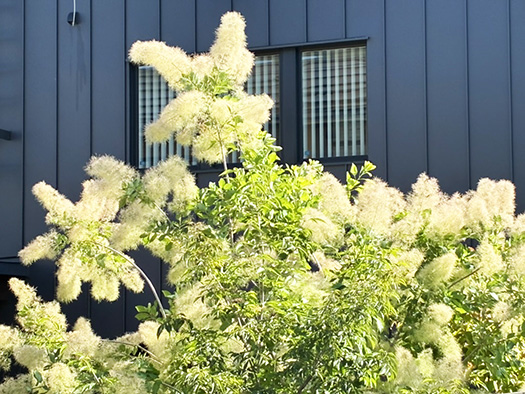
 <写真はご近所の花。スモークツリー。ボリュームのあるふわふわとした白い「煙」が個性的>

●お知らせ
拙書「作家と住空間」幻冬舎から電子書籍で発刊
お求めはAmazonで。
https://amzn.asia/d/eUiv9yO
English version⬇

[Developing New Areas for the Elderly Starts with Getting Your Thoughts in Order]
It’s been pouring rain today for the first time in a while. It makes me want to skip my walk (lol). The flowers on the smoke tree seem to be mocking me…

 Although I’m in my later years, I’m using that very fact to my advantage to develop new areas. I’m steadily working on this.
 Well, rather than being directly about business, it’s more of an initiative aimed at creating opportunities for older adults to “reflect on their lives.”
 In modern society, the proportion of the elderly population is increasing worldwide. And Japan is emerging as a frontrunner at the forefront of this trend. While this trend has traditionally been viewed negatively, perhaps this is a “groundbreaking” initiative that reframes it positively and channels it into developing “new frontiers.”
 For now, an idea for one such frontier has emerged in my mind, but to flesh it out, I need to lay a solid foundation. Starting with defining the concept of information assets—assets that older adults already possess but haven’t yet realized they have.
 Having spent my working life tackling new business ventures, I’m currently taking my time grappling with what I personally find to be an intriguing area of focus in my later years. Right now, I’m sharing a bit of information with friends and acquaintances and using their reactions to narrow down my options. Well then.
 It seems the rain today is typical of the peak of the rainy season in regions south of the Kanto region, and a typhoon is also expected to pass through soon. Here in Sapporo, it’s been pouring quite heavily since last night. Lately, I’ve been walking over 10,000 steps every day, but even I’m starting to feel a bit of “laziness” creeping in (laughs). I wonder what to do…
 Also, earthquakes along the Japanese archipelago are becoming more frequent. Following yesterday’s earthquake off the coast of Iwate Prefecture, there was a localized magnitude 6 quake in Yamanashi Prefecture last night. It seems we’re entering a phase where it’s essential to be a bit more cautious.
 In situations like this, we should stay vigilant and prepare for disasters. Be careful.
 

● Announcement
My book, “Writers and Living Spaces,” has been published as an e-book by Gentosha.
Available on Amazon.

【身近な自然の光景に「涅槃図」を見せられる・・・】


 昨日は先般訪れていた東北地域・岩手県三陸海岸沖を震源とする地震のニュース。ちょうど朝の散歩から帰ってきたときに知った。わたしの住む札幌西部地方は震度2ということで散歩中は、特段の揺れも感じなかったし、迎えてくれた家人も「え?地震あったの?」という状況。
 八戸あたり、青森県階上での揺れが強烈だったとの報道。今年に入って北海道東北の太平洋側沿岸地域の地震ゾーンの活動がふたたび三度、活発化しているようです。先般の「東日本大地震15年」での被災地域探訪ツアーで、陸前高田などの壊滅的被災地の「その後」を凝視してきましたが、この地震活動期ぶりをみると、油断なくいのちを守る行動様式の徹底は、必須要件ですね。被災のみなさんのご無事を祈ります。
 ・・・ということですが、自然は危険性を持っていると同時に、そこで生かされているいのちの営みというものへの深い「母性」を感じさせてもくれる。
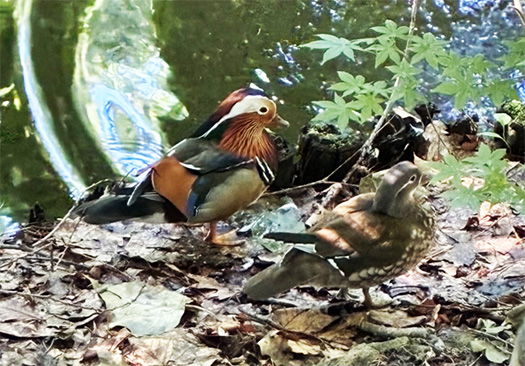
 写真は、いつもの散歩定番コースのひとつ、北海道神宮外苑の円山公園緑地の池のほとりに棲息しているオシドリの「つがい」の様子。この時期はかれらの「ランデブー」時期らしく、いかにもお互いの性をいたわりつつ、未来に向かっての種の永続を念願している様が伝わってくる。
 そして6月初夏の「天国に一番近い」北海道の自然環境は、日々日射に重量感が増してきている。池の水の密度にもある濃厚さが加わって、水紋にも「重み」を感じさせられる。地面を彩る植物も土に還る枯れ葉すらも、そういう営みにやわらかい表情を提供してくれているし、目にやさしい新緑は池の水とも溶け合うばかりの光彩をみせる。
 徐々に加齢してくると、涅槃というコトバに反応するようになってくるのだけれど、こういうごく当たり前の日々のうつろいの中に、そういう実感が伴ってくる。
 先人、血縁のひとびとの江戸初期からの「生き様」をたどる旅路を行き交っているけれど、その背景としての自然環境生態は、このように変わらない自然な実相で見守ってくれていたように思える。呆然とさせられる感動を抱く。感謝しつつ、いまできることを全力で取り組むことが、変わらぬひとの務めでしょう。
 ひたすら足下を見つめて、精進ですね。

●お知らせ
拙書「作家と住空間」幻冬舎から電子書籍で発刊
お求めはAmazonで。
https://amzn.asia/d/eUiv9yO

English version⬇

[Seeing “Nirvana” in Everyday Scenes of Nature…]
Lately, I’ve found myself spacing out and becoming entranced by the most ordinary of scenes. Old age. Both my ancestors and I have been sheltered by the same profound nature. …

 Yesterday, there was news of an earthquake with its epicenter off the Sanriku Coast in Iwate Prefecture, in the Tohoku region—an area I had recently visited. I found out just as I was returning from my morning walk. In the western part of Sapporo, where I live, the tremor was classified as a “shindo” level, so I didn’t feel any significant shaking during my walk, and when I got home, my family greeted me with, “Huh? Was there an earthquake?”
 Reports indicate that the shaking was particularly intense around Hachinohe and in Hashikami, Aomori Prefecture. Since the start of this year, seismic activity in the earthquake zones along the Pacific coast of Hokkaido and Tohoku appears to have intensified for the third time. During my recent tour of the disaster-affected areas to mark the 15th anniversary of the Great East Japan Earthquake, I took a close look at “what has become of” devastated areas like Rikuzentakata. Given the intensity of this current period of seismic activity, it is absolutely essential that we remain vigilant and thoroughly implement life-saving measures. I pray for the safety of all those affected by the disaster.
 …That said, while nature poses dangers, it also evokes a deep sense of “motherly” care for the lives it sustains.
 The photo shows a pair of mandarin ducks living by the pond in Maruyama Park, part of the Hokkaido Jingu Outer Garden—one of my regular walking routes. This seems to be their “mating season,” and you can really sense how they are tenderly caring for one another while hoping for the continuation of their species into the future.
 And in early June, in Hokkaido’s natural environment—often described as “the closest to heaven”—the intensity of the sunlight grows heavier with each passing day. The water in the pond takes on a certain richness, and even the ripples seem to carry a sense of “weight.” The plants coloring the ground—and even the withered leaves returning to the soil—lend a gentle expression to this cycle of life, while the fresh greenery, so soothing to the eye, shimmers with a radiance that seems to blend seamlessly with the pond’s water.
As one gradually grows older, one begins to respond to the word “nirvana,” and within these very ordinary, daily changes, that sense of reality begins to take hold.
 I am on a journey tracing the “ways of life” of my ancestors and relatives dating back to the early Edo period, and it seems to me that the natural environment and ecology serving as the backdrop have been watching over us with this unchanging, natural reality. I am filled with a sense of awe and wonder. I believe it is our unchanging duty as human beings to give our all to what we can do now, while remaining grateful.
 It is a matter of focusing single-mindedly on the path before us and striving diligently.

● Announcement
My book, *Writers and Living Spaces*, has been published as an e-book by Gentosha.
Available on Amazon.
 

【狛犬のカタチの変遷/蔵王刈田嶺神社にて教わる】


 さて、加齢とともに神社への参拝が毎日の日課になって来ているわたしですが、生来の不勉強で毎日眺める「狛犬」さんたちについて、調べるということは怠り続けていた。ただたぶんスフィンクス以来の人類的な造形資産ではあるだろうとボーッと考えては来ていた。
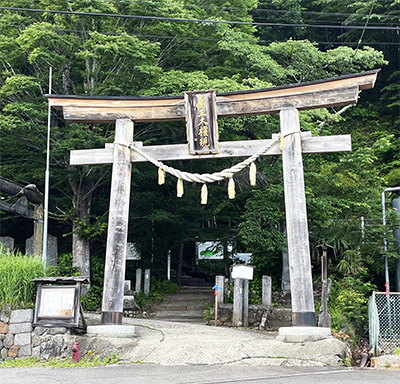
 そんな脳天気ぶりに一撃をいただいたのが先日参拝の蔵王刈田嶺神社。解説板より以下引用。
 〜<蔵王刈田嶺神社の狛犬たち>
 狛犬は神社の参道や社殿前などに配される御神体を守護する神獣像。口を開き立派なたてがみを持つ『獅子』と、口を閉じ頭頂に角を持つ『狛犬』の2体で一対を成す(狛犬の角は省略されることも多い)。もとは御所の守護像として用いられるものだが、やがて神社で用いられ、参道に配置されるようになる。狛犬が全国に普及するのは江戸時代以降のこと。
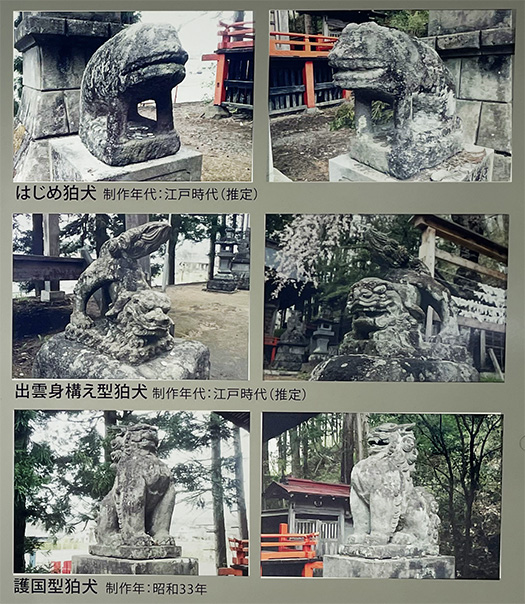
 狛犬は作られた時代や地域、願主(依頼人)や石工(作者)の事情などによってさまざまな形態がある。蔵王刈田嶺神社には特徴の異なる3対の狛犬がある。この神社が長きに渡って人々に信仰されてきたことの表れであり、また、この地域の狛犬文化の流れを把握できる貴重な事例。以下、この神社の狛犬の分類的特徴を示す。

 ●はじめ狛犬
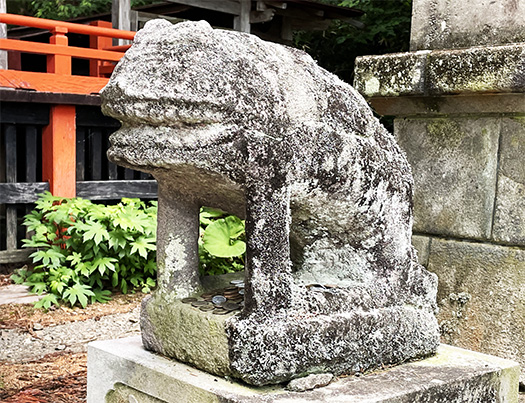
 江戸時代、まだ狛犬が一般的でなかった時期に作られたもの。立体感に乏しい単純な造形で、まるでカエルのように見える。石工や願主が本格的な狛犬を知らず、限られた伝聞情報を頼りに作られたものと考えられる。
 ●出雲身構え型狛犬
 尻を高く持ち上げ、今にも飛び掛からんばかりの姿をした狛犬で、各部の造形は立体的で精密。出雲地方に産する来待石を素材として江戸~大正期に大量に作られ、主に北前船によって全国に流通した。
 ●護国型狛犬
 四肢が太く勇ましく胸を張った威風堂々たる狛犬。昭和10年代(太平洋戦争期)に大流行し、全国各地の神社に奉納された。蔵王刈田嶺神社のものは戦後の作ですが、願主の求める姿形がこのタイプだったと推定。〜〜

 ・・・ということでしたが、わたしは「はじめ狛犬」の素朴さに圧倒的に撃沈されていた。なによりもっとも単純なカタチであるのに、ちゃんと「賽銭集め」という機能性では最大効果を発揮している。具体的なおカネの種類が目視確認できて、「あ、これくらい出せばいいかなぁ」と見積認識できる(笑)。相場感まるわかり。ユーザーの可処分所得と神社経営とのバランス感覚がすばらしいのではないかと。
 まぁわたしとしてはあくまで「個人情報」を秘して、社殿の賽銭箱に投入しておりましたが(笑)。

●お知らせ
拙書「作家と住空間」幻冬舎から電子書籍で発刊
お求めはAmazonで。
https://amzn.asia/d/eUiv9yO

English version⬇

[The Evolution of Komainu Designs / Learned at Zao Kariyamine Shrine]
A wonderfully “informative” information board on the shrine grounds. The religious insights here—where divine will and human will intersect—resonate so deeply that I find myself leaning forward, eager to learn more. …

 Now, as I’ve gotten older, visiting shrines has become a daily routine for me, but due to my innate lack of knowledge, I’ve consistently neglected to look into the “komainu” statues I gaze at every day. I had just vaguely thought to myself that they were probably one of humanity’s greatest sculptural achievements since the Sphinx.
 That carefree attitude of mine was dealt a blow by the following quote from an information board at Zao Kariyamine Shrine, which I visited the other day.
 ~
 Komainu are statues of divine beasts placed along shrine approach paths and in front of main halls to guard the divine objects enshrined there. A pair consists of a “lion” with an open mouth and a magnificent mane, and a “komainu” with a closed mouth and horns on the top of its head (the horns of the komainu are often omitted). Originally used as guardian figures for the imperial palace, they eventually came to be used at shrines and placed along approach paths. Komainu became widespread throughout Japan from the Edo period onward.
 Komainu come in various forms depending on the era and region in which they were created, as well as the circumstances of the patron (commissioner) and the stonemason (artist). Zao Kariyamine Shrine houses three pairs of komainu, each with distinct characteristics. This reflects the long history of devotion to this shrine and serves as a valuable example for understanding the evolution of komainu culture in this region. The following outlines the classificatory characteristics of the komainu at this shrine.

 ●Early Komainu
 Created during the Edo period, when komainu were not yet common. Its simple form lacks three-dimensionality, making it look almost like a frog. It is believed to have been crafted by stonemasons or donors who were unfamiliar with authentic komainu and relied solely on limited hearsay.
 ●Izumo “Ready to Attack” Style Komainu
 These komainu have their hindquarters raised high, appearing as if they are about to pounce at any moment; the sculpting of each part is three-dimensional and precise. Made from Kuramachi stone sourced from the Izumo region, they were produced in large quantities from the Edo to the Taisho periods and distributed nationwide primarily via Kitamae ships.
 ● Gokoku-style Komainu
 These majestic komainu have thick limbs and stand with their chests puffed out in a bold, dignified posture. They became extremely popular during the Showa 10s (the Pacific War era) and were dedicated to shrines throughout the country. Although the ones at Zao Kariyama Shrine were made after the war, it is presumed that this was the style requested by the donor. ~~

 …That was the story, but I was completely blown away by the simplicity of the “Hajime Komainu.” Above all, despite its extremely simple form, it maximizes its functionality as a “coin collector.” You can visually confirm the specific denominations of the coins, allowing you to estimate, “Oh, I guess this much should be enough” (laughs). It gives you a perfect sense of the going rate. I think the balance between users’ disposable income and the shrine’s financial management is simply brilliant.
 Well, for my part, I made sure to keep my “personal information” private and dropped my offering into the shrine’s donation box (lol).

● Announcement
My book, *Writers and Living Spaces*, has been published as an e-book by Gentosha.
Available on Amazon.

【高齢になってITテックへの挑戦、ボチボチ】


 わたしは高齢期になっても、新しいことへの挑戦心を持ち続けることが必要と考えるタイプ。人間はいろいろなので他者にそういう価値観を押しつける考えではないのですが、自分事としては、そう考えています。
 で、無謀にもいま、あるITテックへの挑戦を鬱勃と「やろうかな、どうしようかな」と考えている。
 住宅雑誌を創刊してすぐに、編集出版関係にはIT化の波が押し寄せてきていて、ごく自然にMac環境に基本フィールドを移して行っていた。手作業が大きな部分を占めていた業務でその成果品がデジタル化されることで最終出荷までワンストップ型のフローが獲得できて、整理整頓がどんどん進んで行った。
 そういう経験から離陸してきても、依然としてMacに向かい続けるスタイルを維持してきた。
 で、気がつくとデジタルの「情報資産」という大きなストックが生成されてきている。で、ふと考えたら、こういうデジタル資産と向き合い続けてきた人間って言うのは、わたしたち年代が最初期にあたるのでは、と思い至った次第なのですね。デジタル機器との対話環境というのは、多少の高齢化でも十分に対応可能。たぶん「視力」がいちばんの問題でしょうが、まぁそれは気をつければクリアもできそう。
 ・・・ということなのですが、そういう目的のためにと考えると、いくつかの「獲得すべきITテック」というものが浮かび上がってくる。組織のコントローラーの時にはそういう「人材」配置することでクリアできる部分ですが、必ずしもビジネス的な収益化構造が見えない段階では、そういう「投資」ではなく、自分自身の「スキルアップ」こそがもっとも最適。結果「高齢期の手習い」へと自分自身の判断力は、方向性を指し示している。
 さてここで、自分本来のズボラさに直面させられる(泣)。
 「好きなんだけど,メンドイ」という困った、自分自身の性向に向き合わざるを得ない。
 高齢期になって、結局人生でネグってきていた部分から再度「どうするんだよ」と攻められる。
 なんのことやらと、意味不明の愚痴のブログ記事であります。申し訳ありません、深く反省。
 前進か,撤退か、ボーッとMacに向かい続けております。

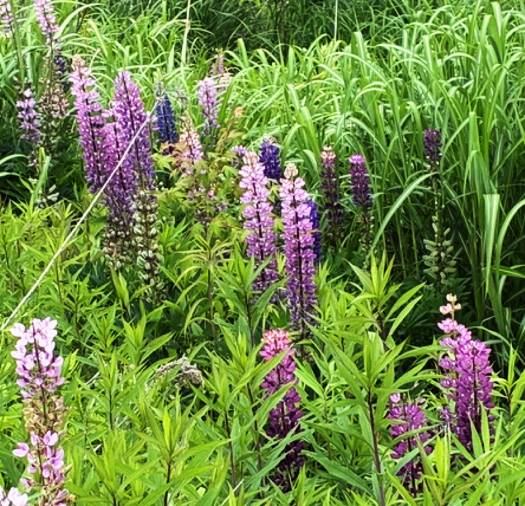
<写真はテーマと無関係、北海道の初夏の花・ルピナス>

●お知らせ
拙書「作家と住空間」幻冬舎から電子書籍で発刊
お求めはAmazonで。
https://amzn.asia/d/eUiv9yO

English version⬇

[Taking on IT at an Advanced Age, One Step at a Time]
I really want to learn these information processing skills, but my natural laziness makes me hesitate. I just sit there in a daze, feeling pathetic. …

 I’m the type of person who believes it’s essential to maintain a spirit of adventure and keep taking on new challenges even in my later years. People are all different, so I don’t intend to impose this value on others, but that’s how I feel about my own life.
So, recklessly as it may be, I’m currently mulling over a new IT challenge with great enthusiasm, wondering, “Should I do it? Or maybe not?”
 Shortly after launching a home design magazine, the wave of IT transformation swept through the editing and publishing industry, and I naturally shifted my primary work environment to a Mac setup. In a field where manual labor used to account for a large portion of the work, digitizing the final products allowed us to establish a one-stop workflow all the way to final shipment, and our operations became increasingly organized and streamlined.
Even after moving on from that experience, I’ve continued to stick with the Mac.
 And before I knew it, a massive stockpile of digital “information assets” had been generated. Then, upon reflection, it occurred to me that people of our generation are likely among the very first to have consistently engaged with these digital assets. The environment for interacting with digital devices is something we can handle just fine, even as we age a bit. Vision is probably the biggest issue, but that’s something we can likely overcome with a little care.
 …That being said, when I think about it in terms of that goal, several “IT skills I need to acquire” come to mind. When I was a controller at an organization, I could have addressed this by assigning the right “talent,” but at a stage where a clear business revenue model isn’t yet visible, rather than making such an “investment,” improving my own “skills” is the best approach. As a result, my own judgment is pointing me toward “learning new things in my later years.”
 Now, here I am, forced to confront my inherent laziness (sob).
I have no choice but to face my own troublesome tendency: “I like it, but it’s a hassle.”
Now that I’m in my later years, I’m once again being confronted by the parts of my life I’ve neglected, asking, “What are you going to do about this?”
This is a blog post full of nonsensical ramblings about who knows what. I apologize and deeply reflect on my behavior.
 Should I move forward or retreat? I just keep staring blankly at my Mac.

● Announcement
My book, *Writers and Living Spaces*, has been published as an e-book by Gentosha.
Available on Amazon.

【巨大な「武家社会」島津藩、写真整理での旅・追体験】


 先般の九州巡りでは福岡県、佐賀県、大分県、宮崎県などを行脚していた。鹿児島には5/28に熊本に滞在していたときに日帰り往復。カミさんは初めてだったので、彼女の希望に添った訪問先として、島津家の本拠地である仙巌園周辺を探訪していた。昨日書いたように「集成館事業」という幕末期の薩摩の動向についてはじめて学んでいたりした。しかし当日は「全県巡り」の最中だったので、あまり詳しくは脳味噌に痕跡を残していなかった。
 ようやく撮影しておいた写真類を整理して見て「おお、こんな事跡だったんだ」と気付かされる次第。
 逆に言うと、写真から「追体験」が始まってカラダに残っている「肌感」とを照応させて、面白い時空探訪の追想・確認が始まっていて,新鮮にオモシロさに浸らせてもらえている(笑)。
 現代人はこういった旅の味わい方もできていくものかも知れない。
 わたしは歴史好きなんですが、薩摩について地方的視点ではない全日本的な視点でしか捉えたことがなかった。それに対して純「地方」的観点を,今回初めて学ばせてもらえる機会になった。以下、展示文から引用。
 〜武士の国 薩摩
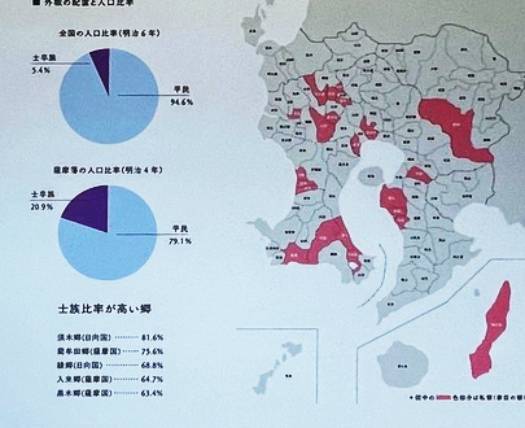
 江戸幕府の治世に順応する一方、薩摩藩は極めて独自性の強い支配体前を維持した。その最大の特徴が「領民の四人に一人が武士」という突出して多い武士の人口。江戸時代の武士の人口割合が全国平均で5~7%だったのに対し、薩摩藩では約26%にも上った。戦国時代に勢力を拡大する中で召し抱えた多くの家臣を、解雇することなくそのまま維持したため。
 この膨大な武士団を城下町に集住させることは不可能だったため、宿内各地に武士を分数配置する「外城制度」が採用された。これは藩領を110余りの「外城(のちに郷と改称)」という行政区画に分け、そこに住む武士たちは平時は地方行数を担い有事には防衛および部隊編成を担うというもの。しかし表高に見合わない実収のなか、これら多くの武士に対する俸給支出は、藩財政を常に圧迫する要因となった。〜
 「え〜、そんなの知らねえ」であります。こういう地域特性を持った藩が、近代現代の日本社会に深い痕跡を残していたのですね。大きな影響を受けた北海道人として、刮目させられていた・・・。

●お知らせ
拙書「作家と住空間」幻冬舎から電子書籍で発刊
お求めはAmazonで。
https://amzn.asia/d/eUiv9yO

English version⬇

[The Shimazu Domain: A Vast “Samurai Society”—A Retrospective Journey Through Organized Photos]
A whirlwind round-trip from a Kumamoto inn. First, I took photos—only to be surprised by them “later.” A modern journey that brings the past to life in a fascinating way. …

 On my recent tour of Kyushu, I traveled through Fukuoka, Saga, Oita, and Miyazaki prefectures, among others. I made a day trip to Kagoshima on May 28 while staying in Kumamoto. Since it was my wife’s first time there, I took her to explore the area around Sengan-en—the former stronghold of the Shimazu clan—as she had requested. As I wrote yesterday, it was my first time learning about the “Shuseikan Project” and the activities of the Satsuma domain during the late Edo period. However, since I was in the middle of a “tour of the entire prefecture” that day, the details didn’t really leave much of an impression on my brain.
It wasn’t until I finally sorted through the photos I’d taken that I realized, “Oh, so that’s what those sites were like.”
In other words, by “reliving” the experience through the photos and comparing them with the “tangible sensations” still lingering in my body, I’ve begun a fascinating process of reminiscing and confirming my journey through time and space—and I’m finding myself immersed in a fresh sense of wonder (laughs).
 Perhaps people today are beginning to discover this way of savoring travel as well.
 I’m a history buff, but I’d only ever viewed Satsuma from a pan-Japanese perspective, not a regional one. In contrast, this trip gave me my first opportunity to learn about a purely “local” perspective. The following is a quote from the exhibition text.
 ~ Satsuma: The Land of the Samurai
 While adapting to the rule of the Edo Shogunate, the Satsuma Domain maintained a governing structure of exceptional uniqueness. Its most distinctive feature was its remarkably high proportion of samurai—one in every four subjects. While the national average for the samurai population during the Edo period was 5–7%, in the Satsuma Domain it reached approximately 26%. This was because the domain retained the many vassals it had recruited while expanding its power during the Warring States period, rather than dismissing them.
 Since it was impossible to concentrate this vast samurai corps in the castle town, the “Otojo system” was adopted, which involved distributing samurai across various locations within the domain. Under this system, the domain’s territory was divided into more than 110 administrative districts called “outer castles” (later renamed “go”), and the samurai living there performed local administrative duties in peacetime while taking charge of defense and troop mobilization in times of emergency. However, with actual revenue falling short of the official tax assessments, the expense of paying stipends to this large number of samurai became a constant strain on the domain’s finances. ~
 “Huh? I had no idea about that.” It turns out that domains with such regional characteristics left a deep imprint on modern and contemporary Japanese society. As someone from Hokkaido who was greatly influenced by this, I found myself truly amazed…

● Announcement
My book, *Writers and Living Spaces*, has been published as an e-book by Gentosha.
Available on Amazon.

【北海道にそのDNAが。島津藩「集成館事業」を知る】


 さて集中的な取材行脚は、その写真整理になんとかメドがついてきて、今度は分析・学習の段階にようやくなってきています。今回の旅路は「九州をも全周する」ことがメイン目標だったのでまだ未踏破に近かった佐賀県と大分県が主たる目標で、鹿児島県は「一回行ってるし」ということで、カミさんに探訪先はまったくの一任でした。
 しかし、現地で「これは・・・」と唸らされ、さらに写真整理を進めるに連れて、さらなる興奮的な盛り上がりになって来ています。薩摩藩が幕末期に取り組んでいたという「集成館事業」というものを少し知らされ、そのスピリッツが北海道開拓のグランドデザインに息づいているのだと、この年齢になって初めて知らされた思い。己の至らなさに心底驚かされ、遅ればせながら、薩摩と蝦夷地・北海道の「DNA」のつながりを強く意識させられた。以下、集成館事業についての解説より。
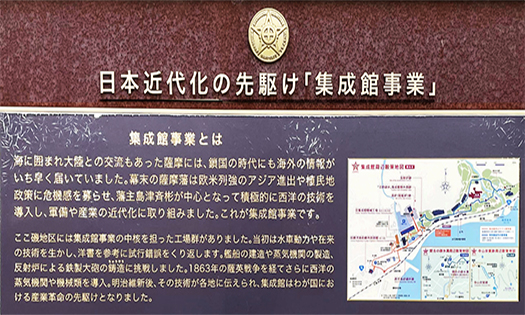
 〜集成館事業とは
 海に囲まれ大陸との交流もあった薩摩には、鎖国時代にも海外の情報がいち早く届いていた。幕末の薩摩藩は欧米列強のアジア進出や植民地政策に危機感を募らせ、島津斉形が中心となって積極的に西洋の技術を導入し、街や産業の近代化に取り組んだ。これが集成館事業。
 ここ磯地区には集成館事業の中核を担った工場群がありました。当初は水車動力や在来の技術を生かし、洋書を参考に旅行錯誤をくり返す。船舶の建造や蒸気機関の製造、反射炉による鉄製大砲の鋳造に挑戦。1863年の薩英戦争を経てさらに西洋の蒸気換関や機械類を導入、明治維新後、その技術が各地に伝えられ、集成館はわが国における産業革命の先駆けとなった。
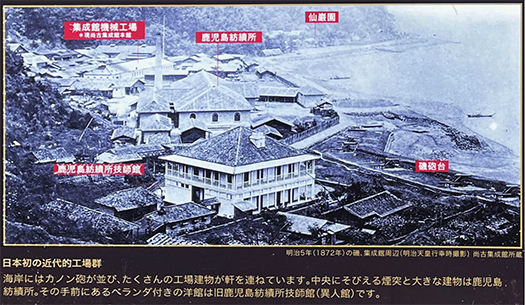
 日本初の近代的工場群
 海岸にはカノン砲が並び、たくさんの工場建物が軒を連ねる。中央にそびえる煙突と大きな建物は鹿児島紡績所。その手前にあるベランダ付きの洋館は旧鹿児島紡績所技師館(異人館)。〜
 さらに、薩摩藩出身の第2代内閣総理大臣・開拓使長官・黒田清隆は札幌創成川に東側に麦酒醸造所、製糸場などを集めた工場群を築いた。これは集成館事業をモデルにしたと考えられている。また、北海道開拓に取り組んだ屯田兵は西南戦争では政府軍として遠征してもいる。・・・
 ということで、こうした「現地学習」で激しくこころが揺れ動かされていた次第。

●お知らせ
拙書「作家と住空間」幻冬舎から電子書籍で発刊
お求めはAmazonで。
https://amzn.asia/d/eUiv9yO

English version⬇

[That DNA Lives On in Hokkaido: Learning About the Shimazu Clan’s “Shuseikan Project”]
I had merely passed through Kagoshima. This time, I learned for the first time about the outline of this brilliant project undertaken by Satsuma during the late Edo period. The military settlers in Hokkaido were educated and guided by it, and even fought in battles alongside it. …

 Now that I’ve finally made some headway in organizing the photos from my intensive reporting trip, I’m finally moving on to the analysis and learning phase. Since the main goal of this trip was to “travel all the way around Kyushu,” my primary targets were Saga and Oita Prefectures—areas I’d barely visited before. As for Kagoshima Prefecture, I figured, “I’ve been there once already,” so I left the choice of destinations entirely up to my wife.
 However, once I was on the ground and found myself thinking, “This is…,” and as I continued sorting through the photos, my excitement has only grown. I learned a little about the “Shuseikan Project,” an initiative undertaken by the Satsuma Domain during the late Edo period, and it felt as though I was discovering for the first time at my age that its spirit lives on in the grand design for the development of Hokkaido. I was deeply shocked by my own ignorance, and—better late than never—I became keenly aware of the connection between the “DNA” of Satsuma and that of Ezo (Hokkaido). The following is an excerpt from an explanation of the Shuseikan Project.
 ~What Is the Shuseikan Project?
Surrounded by the sea and having had exchanges with the continent, Satsuma received information from overseas quickly even during the era of national isolation. Toward the end of the Edo period, the Satsuma Domain grew increasingly concerned about the expansion of Western powers into Asia and their colonial policies. Led by Shimazu Naokata, the domain actively introduced Western technology and worked to modernize its cities and industries. This was the Shuseikan Project.
Here in the Iso district, there was a cluster of factories that served as the core of the Shuseikan Project. Initially, they utilized waterwheel power and traditional techniques, learning through trial and error while referencing Western books. They took on the challenges of shipbuilding, steam engine manufacturing, and casting large iron cannons using a reverberatory furnace. Following the Satsuma-British War of 1863, they introduced even more Western steam engines and machinery. After the Meiji Restoration, these technologies spread throughout the country, and the Shuseikan became a pioneer of the Industrial Revolution in Japan.
 Japan’s First Modern Industrial Complex
 Cannons line the coast, and numerous factory buildings stand side by side. The large building with a chimney towering in the center is the Kagoshima Spinning Mill. The Western-style building with a veranda in front of it is the former Kagoshima Spinning Mill Engineers’ Quarters (Ijinkan). ~
 Furthermore, Kiyotaka Kuroda—the second Prime Minister of Japan and Commissioner-General of the Hokkaido Development Commission, who hailed from the Satsuma Domain—established a cluster of factories on the east bank of the Sosei River in Sapporo, including a brewery and a silk mill. This is believed to have been modeled after the Seishukan project. Additionally, the Tonden soldiers who worked on the development of Hokkaido also served as government troops during the Satsuma Rebellion. …
 As such, my heart was deeply stirred by this “on-site learning” experience.

● Announcement
My book, *Writers and Living Spaces*, has been published as an e-book by Gentosha.
Available on Amazon.


【寝ててゴメンね・暑さにバテる動物園ライオン】


 昨日のブログ記事では、石造の鳥居に刻印された年紀表記を巡って、二転三転の解釈ドタバタがありました。深くお詫びいたします。なかなか年号の判定は難しいことを身を以て知らされました。
 そのたびに文永〜文政〜文久、西暦で言えば1265年〜1819年〜1862年と「彷徨って」しまいました。なんと400年も変動してしまう。混乱状態のままにブログをアップしてしまったこと、まことに恐縮・汗顔の至りであります。今後、こうした事態にならないように深く反省。その上で、この故地探索の活動は粘り強く取り組んでいきたいと、深くこころに誓っております。
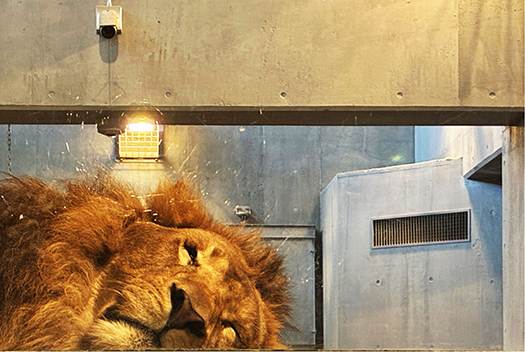
 ・・・ということで、昨日は心機一転、孫の初・動物園に付き合って無心に動物たちの姿を参観。ホンネのママにその生きた表情を見せてくれる動物たちに癒されておりました。写真は息子夫婦が「いちばん見せたいね」と言っていたライオン園舎での「寝姿」。
 って、ごらんのような表情を、やや床面が2mほどと高く設定されているライオン園舎のいちばん手前側の床面に、やすらかな寝顔をさらしてくれていました。残念ながら子どもたちのふつうの高さの目線や、さらに親子肩車目線でもちょっと難しいような寝顔。わたしはちょっと工夫を凝らしてこういう表情写真の撮影に成功していた次第。って、ようするに片手iPhoneめくら撮影がたまたま捉えてくれたワンショットであります。でもまだ5ヶ月未満の孫には、ジイジの意味不明iPhone画像。
 ボーッと無表情反応が返ってきていました。
 もうちょっと大きくなったら、よく見てくれよ(笑)。
 昨日の札幌は最高気温が、クルマの温度計では外気温30度超えでしたが、本来はアフリカの熱帯動物たちですが、動物たちは休息気味が多かった。ポニーたちに至っては立ったマンマ、グースカという大きないびき音を盛大に奏でてくれていた。ジイジもこんな寝息を聞いたのは初めて。
 家に帰って、ようやく「寝返り」ができてきた孫と寝転びながら、一生懸命に「寝ながら体育」に取り組んでおりました。簡単に「抱っこ」するのではなく、自立心を養う心算ですが、さて効果はあるのでしょうか? ライオンにも届いて欲しいこの願い(笑)・・・

●お知らせ
拙書「作家と住空間」幻冬舎から電子書籍で発刊
お求めはAmazonで。
https://amzn.asia/d/eUiv9yO

English version⬇

[Sorry I Was Asleep: A Zoo Lion Exhausted by the Heat]
My grandchild’s first encounter with a “lion” was completely ignored by the lion. Well, maybe this kind of “on vacation today” experience isn’t so bad? After getting home, I did some physical education exercises while lying in bed…

 In yesterday’s blog post, there was a series of back-and-forth interpretations regarding the date inscribed on a stone torii gate. I sincerely apologize for this. I’ve learned firsthand just how difficult it is to determine the exact era name.
Each time, I found myself “wandering” between the Bun’ei, Bunsei, and Bunkyu eras—which correspond to the years 1265, 1819, and 1862 in the Gregorian calendar. To think the date could vary by as much as 400 years! I am truly mortified and deeply ashamed that I posted the blog entry while still in such a state of confusion. I have reflected deeply to ensure this does not happen again. Having done so, I have made a solemn vow to myself to persistently continue my efforts in exploring this historic site.
 …And so, yesterday, I made a fresh start by accompanying my grandson on his first visit to the zoo, where I watched the animals with a clear mind. I was truly soothed by the animals, who showed their genuine, lively expressions just as they are. The photo is of a “sleeping lion” in the lion enclosure—the one my son and his wife said, “This is the one we really want to show you.”
 As you can see, the lion was peacefully sleeping on the very front section of the floor in the lion enclosure, which is set about 2 meters above ground level. Unfortunately, that sleeping face is a bit hard to see from the children’s normal eye level—or even from a parent carrying a child on their shoulders. I managed to capture this expression by getting a little creative. In short, it’s a single shot I happened to capture while blindly taking a photo with my iPhone in one hand. But to my grandchild, who’s not even five months old yet, it’s just a mysterious iPhone image from Grandpa.
 He just stared blankly back at me with a blank expression.
 When you get a little bigger, take a good look at it, okay? (lol).
 Yesterday in Sapporo, the car’s thermometer showed the outside temperature had exceeded 30 degrees, but even though these animals are originally from the African tropics, most of them seemed to be resting. As for the ponies, they were standing there snoring loudly—making a big “gooska” sound. It was the first time Grandpa had ever heard them snore like that.
 Back home, I lay down with my grandchild—who’s finally started rolling over—and we worked hard on “sleep-time exercise.” Rather than just picking him up, I’m trying to foster his independence, but I wonder if it’s actually working? I hope this wish reaches the lions too (lol)…

● Announcement
My book, “Writers and Living Spaces,” has been published as an e-book by Gentosha.
Available on Amazon.

【小野篁「産湯川神社」・鳥居の年紀に惑乱される】


 さて気分も落ち着いてきて、旅行中撮りためていた写真の整理整頓を進めてきていますが、気にはなっていた写真を再度、じっくり見ていて新発見させられております。
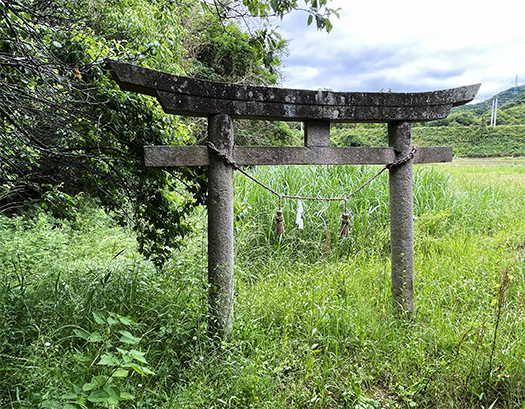
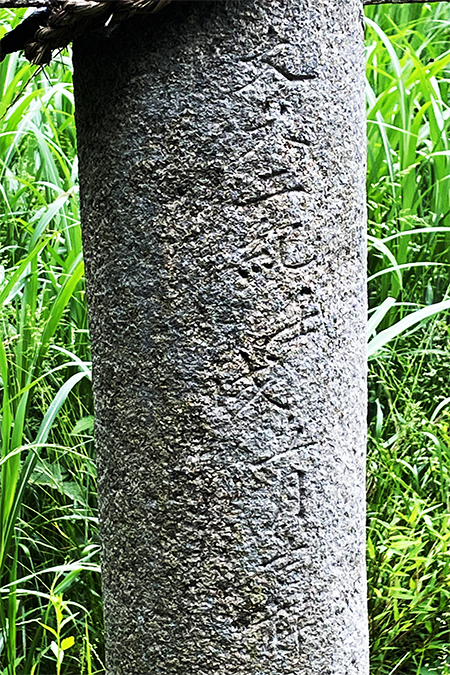
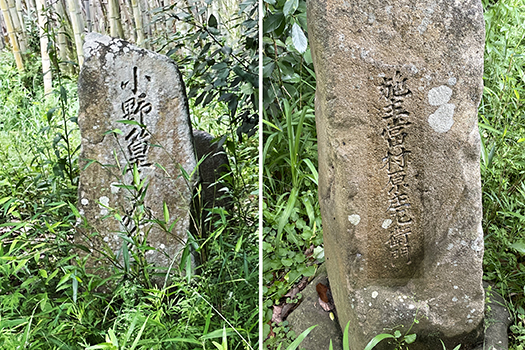
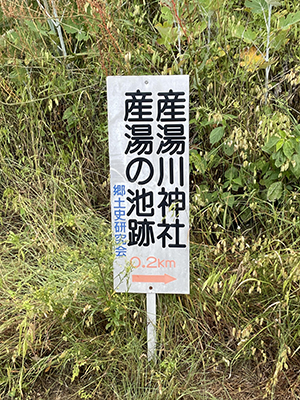
 それは、5/22に九州宗像の宿泊地から電撃の日帰りで訪れていた広島県東広島市河内町入野の、わが家系の故地の寺院「順教寺」訪問時に別に探訪していた小野篁生誕地伝説の地での撮影写真。先日のブログでこの「小野篁産湯の池」に碑が建てられていて、その「施主」として家系に繋がる可能性のある人名として「原 庄左衛門」という名前を確認していましたが、実はその小野篁「産湯川神社」には石造の鳥居が建てられていて、その年紀として、上の2枚目の写真のような刻文が確認できていたのです。そこには「文永二紀」と一瞬読み取れる年代表記があった。常識的に考えると鳥居の建立年は文永2(1265)年と読み取れたのですね。
 そして「施主」として刻印された碑の制作年代もそれと同一である可能性が高い。
 ちょっと想像を超える年代が突然、目の前に出現してしまった。先日のブログ記載時には「要確認」としてこの年代表記には触れなかったのですが、文永2(1265)年を歴史年代照応すれば有名な「文永の役」〜蒙古襲来の直前期、モンゴル帝国から国書がもたらされた年にあたる。
 「え、その当時からこの地域の有力者として、碑文に名を記すほどだったの?」であります。


・・・ということでこの写真解析についてさらに調査を進めていたら、文永とみえた部分が実は「文政」であることが徐々に判明してきた。
 この年代は1819年に相当する。この当時は日本中が旅や観光、郷土の歴史ブームに沸いた「化政文化」全盛期にあたる。この解析結果はこの入野村の庄屋・原庄左衛門が「わが村の偉人・小野篁」をブランド化し、観光振興(地域プロデュース)を仕掛けるには最高のタイミング。またこの時期は同時に広島藩の公式歴史書『芸藩通志』発表(1825年)の直前期にあたっていて、目的と非常に整合するタイミングと思えるのだ。
 う〜む。ご先祖さまの「知恵」の無敵ぶりに惑乱させられてしまった(笑)。しかしこの事実はさらなる大きなテーマを必然的に浮かび上がらせてくる。まったく手に負えない重低音の連鎖。・・・

追記:読者の方からこの年紀表記は「文久二年(1862)」干支も壬戌(みずのえいぬ)でこれは碑文解釈としても自然。う〜む、歴史は二転三転であります。本文も含めて再構成したいところですが、その再修正の痕跡も含めてこのままとしておきます。あす以降、再度触れます。

●お知らせ
拙書「作家と住空間」幻冬舎から電子書籍で発刊
お求めはAmazonで。
https://amzn.asia/d/eUiv9yO

English version⬇

[Takahira Ono, “Uyukawa Shrine”: Confused by the Date Inscribed on the Torii]
I calmed myself down and sorted through the photos I’d taken during my research in a quiet, serene setting, but inwardly, I was flustered by an unexpected new discovery. …

 Now that I’ve settled down a bit, I’ve been organizing the photos I took during my trip, and as I’ve been taking another close look at some photos that had caught my eye, I’ve made some new discoveries.
 Specifically, these are photos I took at the site associated with the legend of Ono no Takamura’s birthplace—a location I visited separately during my trip to Junkō-ji Temple in Irino, Kawachi-chō, Higashi-Hiroshima City, Hiroshima Prefecture, on May 22. I had made a whirlwind day trip there from my lodging in Munakata, Kyushu. In a recent blog post, I mentioned that a monument had been erected at this “Ono no Takamura Birth Bath Pond,” and I had noted the name “Hara Shōzaemon” as the “patron”—a name that might be connected to my family lineage. However, I’ve since discovered that a stone torii has actually been erected at the “Ono no Takamura Birth Bath River Shrine,” and I was able to confirm an inscription, as shown in the second photo above, that serves as its date of construction. There was a date inscription that, at first glance, read “Bun’ei 2.” Based on common sense, the year of the torii’s construction could be interpreted as Bun’ei 2 (1265).
 It is also highly likely that the date of creation for the monument inscribed with the “patron’s” name is the same.
 A date that was somewhat beyond my imagination suddenly appeared right before my eyes. When I wrote my blog post the other day, I did not mention this date notation, marking it as “to be confirmed.” However, if we cross-reference the year Bun’ei 2 (1265) with historical records, it corresponds to the period immediately preceding the famous “Bun’ei Campaign”—the Mongol invasions—and the year a diplomatic letter was delivered from the Mongol Empire.
“Wait, was he already such an influential figure in this region back then that his name was inscribed on a monument?” I found myself wondering.

…So, as I continued my investigation into this photo analysis, it gradually became clear that the part that appeared to read “Bun’ei” was actually “Bunsei.”
This corresponds to the year 1819. This period marked the height of the “Kasei Culture,” when all of Japan was abuzz with a boom in travel, tourism, and local history. These analysis results indicate that this was the perfect timing for Hara Shōzaemon, the village headman of Irino Village, to brand “Ono no Takamura, the Great Man of Our Village” and launch a tourism promotion campaign (regional branding). Furthermore, this period coincided with the immediate run-up to the publication of the Hiroshima Domain’s official history, *Geihan Tsūshi* (1825), making it a timing that aligns perfectly with his objectives.
 Hmm. I’ve been completely bewildered by the invincible “wisdom” of my ancestors (laughs). However, this fact inevitably brings an even larger theme to the surface. A chain of deep, unmanageable bass notes…

【見て来た体験リアリティの沸き立ち & 静かな「庵」感】


 5日ほど経ってジワジワと「落ち着き」が戻って来てくれています、ときのう書きましたが、さらに写真整理の静かな時間が加わってくれて最高にうれしい。やはり高齢者には淡々とMacやiPhoneと向き合っている時間が似合っている。先日のブログでMacやiPhoneでの情報摂取が完全なベースになっていく近未来型の住空間について妄想しましたが、やはり現代の利器・IT機器活用型の「庵」生活という、現代の生活実相は住空間を大きく変容させるポイントになるでしょうね。
 たしかにTV画面は家族生活のプラットフォームには生き残り続ける可能性は高い。昭和の時代に「家族団欒」の機縁装置として「戦後社会」イメージのコアにそれはあったのでしょう。そこからその情報提供者・情報独占者としてマスメディア「信仰」が生まれて、それにある程度「コントロール」されるかのようにして、わたしたちは生きてきた。
 そういう生活スタイルが、各個人毎の「パーソナル」情報摂取としてのMacやiPhone主体の情報摂取に変化してきて、カタチだけは残っている家族生活のプラットフォームでのTVは、一定の好みの録画番組再生の機器に変化してきている。しかしマスメディアの側の意識はこれまでの「情報独占者」の意識のままで「化石化」してきている。・・・これが現代の実相なのでしょうね。
 一方でわたしのような人間はMacやiPhoneで体験的リアリティをじっくりと追体験できる環境を楽しみはじめている。これまでは人文的探索についてすら、マスメディアがまるで「規範」的情報提供者ヅラをしてきていた。それに対して「個人的情報ツール」によって、情報の実相、一次情報発信と直接、一般人が対話することが普通になってきたのでしょう。
 こういう変化は非常に刺激的な局面。さてあしたはどうなっていくのか?・・・

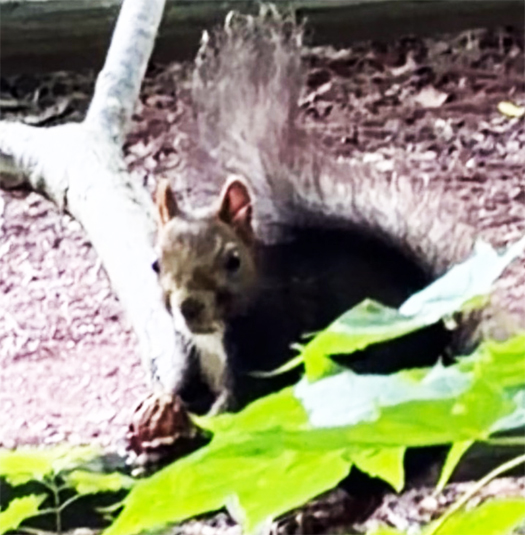
 写真は昨日ひさしぶりに朝散歩していた北海道神宮〜円山近辺で多数猖獗していたリスたち。「あれ、オマエ久しぶりだな?」みたいな表情を向けられていた。「おお、元気そうだな」。情報データ・デジタル写真の山に整理整頓で立ち向かっていると、こういう動物の「生命感」がなんとも、迫ってくる感じがありますね。

●お知らせ
拙書「作家と住空間」幻冬舎から電子書籍で発刊
お求めはAmazonで。
https://amzn.asia/d/eUiv9yO

English version⬇

[The Thrill of Firsthand Experience & the Serene Atmosphere of a “Hermitage”]
Is this a case of mass media versus the personal sensory world? In modern life, where Macs and iPhones have overtaken TV as the primary sources of information…

 About five days have passed, and a sense of “calm” is gradually returning. As I wrote yesterday, I’m absolutely delighted that I’ve now been able to add some quiet time spent organizing photos to my routine. After all, for someone my age, spending time quietly working on my Mac or iPhone really suits me. In a recent blog post, I speculated about a futuristic living space where information consumption via Macs and iPhones becomes the foundation of daily life. Indeed, this “hermitage”-style lifestyle—which leverages modern tools and IT devices—reflects the reality of contemporary life and will likely be a key factor in transforming our living spaces.
It’s true that the TV screen is highly likely to survive as a platform for family life. During the Showa era, it was at the core of the “postwar society” image, serving as a catalyst for “family togetherness.” From there, a “faith” in mass media emerged as the provider and monopolizer of information, and we have lived our lives as if, to some extent, “controlled” by it.
 That lifestyle has shifted toward Mac- and iPhone-centered information consumption—a form of “personal” information intake tailored to each individual—and the TV, which remains merely as a platform for family life in name only, has evolved into a device for playing back recorded programs of one’s choice. However, the mindset of the mass media has become “fossilized,” remaining stuck in its old role as the “monopolist of information.” …This, I suppose, is the reality of our times.
 On the other hand, people like me are beginning to enjoy an environment where we can thoroughly relive experiential reality through our Macs and iPhones. Until now, even when it came to humanistic exploration, the mass media acted as if it were the “authoritative” provider of information. In contrast, thanks to “personal information tools,” it has become commonplace for ordinary people to engage directly with the true nature of information—the primary sources themselves.
 This shift is an incredibly stimulating development. I wonder what tomorrow will bring? …

 The photo shows the squirrels running rampant yesterday during my first morning walk in a long time around Hokkaido Jingu and Maruyama. They seemed to be looking at me as if to say, “Hey, it’s been a while, hasn’t it?” “Oh, you look well.” As I tackle the mountain of information data and digital photos by organizing and tidying them up, I feel the “vitality” of animals like these really coming through in a powerful way.

● Announcement
My book, “Writers and Living Spaces,” has been published as an e-book by Gentosha.
Available on Amazon.


【旅から5日〜ようやく「情報の整理整頓」に心理移行】


 昨日書いた「住宅とメディア接触の変容・空間への反映」というテーマへの興味は、そこそこ多数のひとにリーチしてくれているようです。たぶん家づくりのひとつの現在地点の「座標軸」ではありそう。言い出しっぺとして、今後も深掘りしていこうと考えています。よろしく。
 さて、25日間に18日旅先で過ごしていたという体験から帰還して、本日でようやく5日。
 昨日から「心理の整理整頓」作業として、デジタル写真画像の整理整頓に着手できてきた。現代人にとってiPhoneなどのスマホで切り取り続ける写真は、その「場所性」と自分自身の「体験感」とが「立ち上ってくる」機縁なのではないかと思っています。
 わたしの場合は、いろいろな博物館・記念館でその地域を「まなぶ」ことが数寄になっていて、その「痕跡記録」としての写真撮影が多くを占めている。旅を楽しむということと、先人の生き様をたどる、想像力を活性化させることとがニアヒアなのであります。わたしの人生では高校での学生運動からの「離脱」の旅路として最初に、イタリアから始まったヨーロッパ旅行体験があるのですが、そこから帰ってきて「とにかく奈良・京都も浸りたい」と強く導かれていました。
 それなりに海外でも「感情移入」できるでしょうが、わたしの場合はより「日本」に惹かれているのだと強く思い知らされた体験。以来、ときどきは海外にも行ったけれど,それ以上に日本国内で、精神文化的に共通項の多い先人が、どのような「思い」を持って人生時間を過ごしていたか、に深く癒されるような気分がある。
 そういう多様性と「対話」できるためには、その先人たちがどのような生き様だったのか、さまざまな、これも先人たちの思索営為の結集である、博物館・記念館などの展示内容から「学ばされる」のですね。
 たくさんの訪問先があるので、こうした「機縁」は大量の写真画像としてストックされる。そしてそれを「整理整頓する時間」こそが無上の「静止時間」なのですね(笑)。
 その映像を痕跡として残したいと意思した自分自身の「思い」がその空気感と共に再生されてきて、同時にそれを丁寧に「仕上げる」Photoshopなどでの画像「編集」作業が、心理整理の静謐な時間。
 たぶん現代人の「デジタル画像」体験での新感覚ではありそうかと。・・・
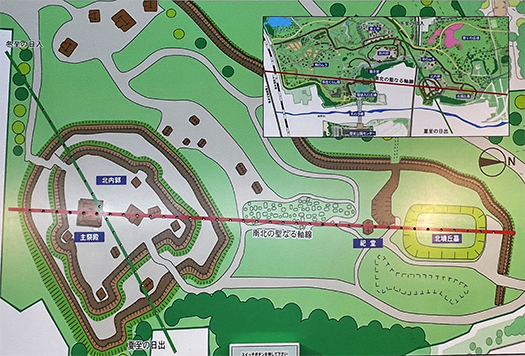
 <写真は吉野ヶ里遺跡での最新研究知見が反映の「地図」>

●お知らせ
拙書「作家と住空間」幻冬舎から電子書籍で発刊
お求めはAmazonで。
https://amzn.asia/d/eUiv9yO

English version⬇

[5 Days After the Trip—Finally Shifting My Mindset to “Organizing Information”]
The “conversation” modern people have with digital selfies—this “new frontier” for humanity may even represent the spiritual evolution of our species. Hmm…

 It seems my post yesterday on the topic “The Transformation of Housing and Media Exposure, and Its Reflection in Space” has reached a fair number of people. It probably represents a current “coordinate” in the process of homebuilding. As the one who brought this up, I plan to continue exploring it in greater depth. Thank you for your support.
Well, it’s finally been five days since I returned from a trip where I spent 18 out of the last 25 days traveling.
 Starting yesterday, as part of my “mental decluttering,” I’ve begun organizing my digital photos. I believe that for modern people, the photos we constantly capture with smartphones like the iPhone serve as opportunities for the “sense of place” and our own “sense of experience” to “emerge.”
 In my case, I’ve developed a passion for “learning” about a region by visiting various museums and memorial halls, and photography—as a “record of those traces”—makes up a large portion of my work. Enjoying travel, tracing the lives of those who came before us, and stimulating the imagination are all closely intertwined. In my own life, my first European travel experience—which began in Italy—served as a journey of “breakaway” from the student movements I’d been involved in during high school. Upon returning from that trip, I felt a strong urge to “immerse myself in Nara and Kyoto, no matter what.”
 While it’s certainly possible to “empathize” with places overseas to some extent, that experience made me keenly realize that, in my case, I am more deeply drawn to “Japan.” Since then, although I’ve traveled abroad from time to time, I find myself feeling even more deeply healed—especially within Japan—by contemplating the “thoughts” with which our predecessors, who share so many spiritual and cultural commonalities with me, spent their lives.
 To engage in such a “dialogue” with that diversity, I must “learn” from the exhibits in museums and memorial halls—which are, in themselves, a distillation of our predecessors’ intellectual endeavors—about the ways in which those predecessors lived their lives.
 Since there are so many places to visit, these “encounters” are stored as a vast collection of photographs. And it is precisely the “time spent organizing and tidying them up” that constitutes the ultimate “moment of stillness” (laughs).
 My own “intention” to preserve those images as traces is replayed along with the atmosphere of the moment, and at the same time, the careful “editing” work in Photoshop—meticulously “polishing” the images—becomes a serene time for psychological reflection.
 I suspect this might be a new sensation in the “digital image” experience for modern people. …
 

● Announcement
My book, *Writers and Living Spaces*, has been published as an e-book by Gentosha.
Available on Amazon.