本文へジャンプ

【江戸末期の地方商家を襲う「藩札」の暴落、超インフレ】


 幕末〜明治初期のわが家系の時間差探訪。商家として江戸期の社会に適合して生存戦略を立て、瀬戸内海地域の「松永」での塩業とその流通商家として尾道の「阿賀屋」株を入手し、同時に大名の参勤交代に伴う「本陣」ビジネスにも関与していた様子がわかってきた。
 そこからその当時の世相と実態をいろいろな手段で掘り下げようとするけれど、どうしても貨幣経済が完全に行き渡った現代の価値観をメガネにしてしまう。調べるほどに家系の出処進退と当時の社会の実相との整合性の解明が求められるのだ。
 わが家系は1873(明治6)年ころに福山市今津・松永地域から移転し、芦田川の内陸側、福山市中心部から約5kmほどの親戚が多く住む「中津原」地域で農業に入っている。当時の当主は1831年生まれで、若年期には本陣ビジネスで接触する大名家との接遇にインテリ的対応が可能なように学問に励んでいた。この1873年・42歳時の農業転身に際し勤皇系の当時のインテリらしい「漢詩」を詠んだりもしている。
 江戸期の「参勤交代」に伴う本陣ビジネスは1862年頃には破綻しているので、その時期から11年で当時の当主は、家業であった商家ビジネスを見切ったことになる。どういった背景事情があったのか。
 まず第1に、本陣ビジネスでの大名家からの支払は果たして現銀だったのか? これは調べるまでもなく経済的に破綻している多くの藩は「藩札」で決済していたに違いない。藩士への俸禄すら藩札で賄っていたとされるのだ。1871(明治4)年に廃藩置県となったが、多くの藩主はそのことを領地を奪われると受け止めるより「藩札の決済から逃れられる」と歓迎したとされるのだ。この年には福山藩・今津では藩主が東京に「華族」として移転することに抗議する暴動一揆が起こっている。「バカヤロー、責任を取れ!」
 さらに第2に、明治の政変前後の時期には異常な物価高騰が起こっている。1859(安政6)年から1867(慶応3)年までの8年間で物価は匁建て(銀貨基準)で約6.6倍になったとされる。それに対して各藩から藩札の価値保全責任を継承した新政府の決済率は、ほぼ6〜7掛け程度だったと言われる。弱り目にたたり目。
 こういう経済の実態推移を考えれば、江戸期商家を承継した家系の当主が農業への転身を図ったのは、ごく自然なことだと腑に落ちてくる。そしていまは亡き伯父の家に残っているその達筆としずかに相対したいと思っている。〜この項、つづく。
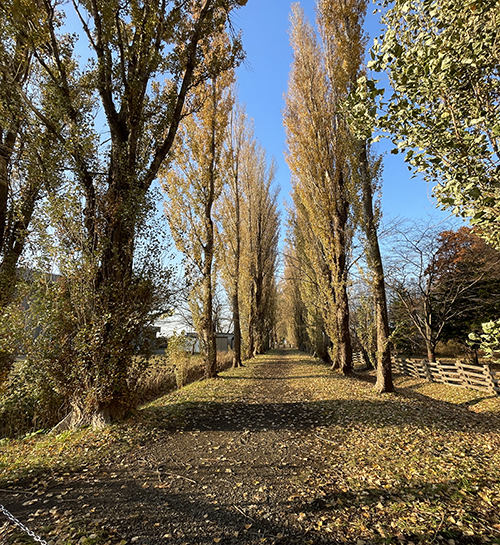
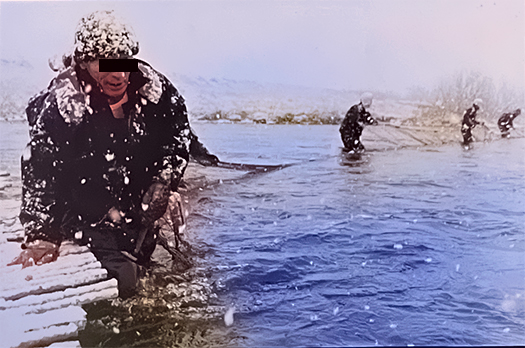
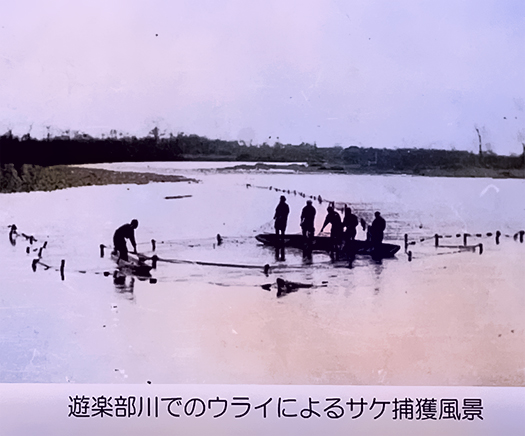
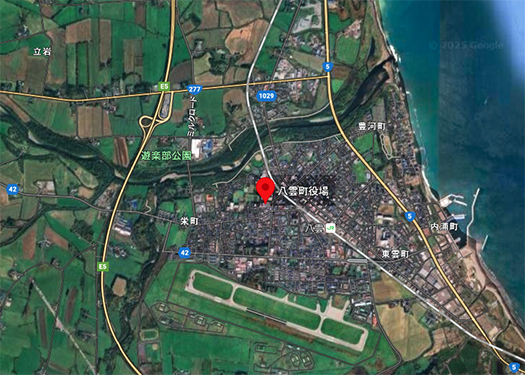
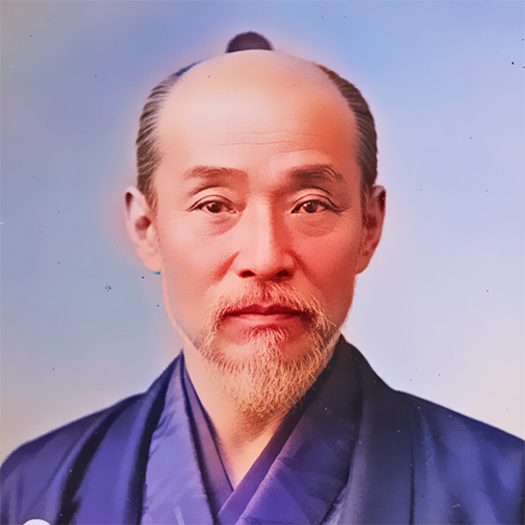
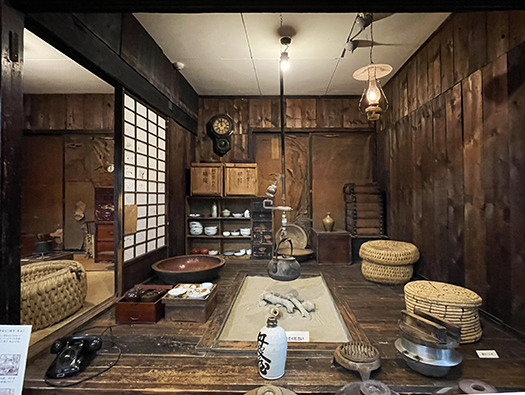
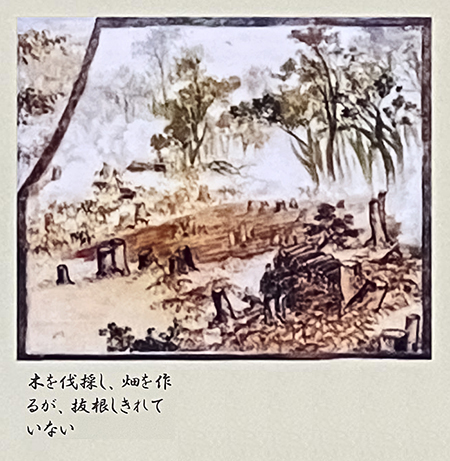
 <写真とイラストは北海道・八雲に開拓入植した尾張徳川家藩士たちの復元家屋と土地状況>

お知らせ
拙書「作家と住空間」幻冬舎から電子書籍で発刊
お求めはAmazonで。
https://amzn.asia/d/eUiv9yO
English version⬇

The Collapse of Domain Currency and Hyperinflation That Struck Late Edo-Period Regional Merchants
The de facto end of the sankin-kotai system in 1862. Prices rising 6.6 times over the next eight years. The economic foundation crumbled. The family shifted to farming in their ancestral lands. …

 A journey through the time gaps of my family lineage from the late Edo period to the early Meiji era. As a merchant family, we adapted to Edo-period society and devised survival strategies. We engaged in the salt industry in the Setouchi region under the name “Matsunaga” and acquired shares in the Onomichi-based ‘Agaya’ company as a salt distribution merchant. Simultaneously, we were involved in the “honjin” lodging business associated with daimyo feudal lords’ mandatory alternate attendance at the shogun’s court.
 I strive to delve into the social climate and realities of that era through various means, yet inevitably view it through the lens of modern values shaped by a fully monetized economy. The more I research, the more I feel compelled to clarify the alignment between my family’s rise and fall and the true nature of society at that time.
 My family lineage relocated around 1873 (Meiji 6) from the Imazu and Matsunaga areas of Fukuyama City. They settled in the Nakatsuhara region, located inland along the Ashida River, about 5 km from central Fukuyama City, where many relatives lived, and took up farming. The head of the household at that time was born in 1831. During his youth, he diligently pursued learning to ensure he could handle interactions with the daimyo families encountered through the honjin business with an intellectual demeanor. Upon this agricultural transition in 1873, at age 42, he composed a “Chinese-style poem” characteristic of the pro-imperial intellectuals of the time.
The honjin business associated with the Edo period’s sankin-kotai system had collapsed around 1862. Thus, within 11 years of that collapse, the head of the family had abandoned the merchant business that had been the family trade. What were the circumstances behind this?
 First, were payments from daimyo families for honjin services actually made in silver? This hardly needs investigation; many financially bankrupt domains undoubtedly settled accounts using domain-issued paper money. It’s said even samurai stipends were paid in such paper currency. When the abolition of the han system and establishment of prefectures occurred in 1871 (Meiji 4), many feudal lords reportedly welcomed it not as a loss of territory, but as an escape from settling debts with han notes. That same year, in Fukuyama Domain’s Imazu, riots erupted protesting the feudal lord’s relocation to Tokyo as a “noble.” “You bastard! Take responsibility!”
 Second, an abnormal surge in prices occurred around the time of the Meiji Restoration. Over the eight years from 1859 (Ansei 6) to 1867 (Keio 3), prices are said to have risen approximately 6.6 times based on the monme standard (silver coin basis). In contrast, the settlement rate of the new government, which inherited the responsibility for maintaining the value of domain notes from the various domains, is said to have been only about 60-70% of the original value. Adding insult to injury.
 Considering these economic realities, it makes perfect sense that the head of a family inheriting an Edo-period merchant house would seek to transition into agriculture. And now, I find myself wanting to quietly confront that beautiful calligraphy still preserved in my late uncle’s house. ~This section continues.

Notice
My book “Writers and Living Spaces” published as an e-book by Gentosha
Available on Amazon.


【明治維新・社会革命/激変のなかで江戸期商家は?】


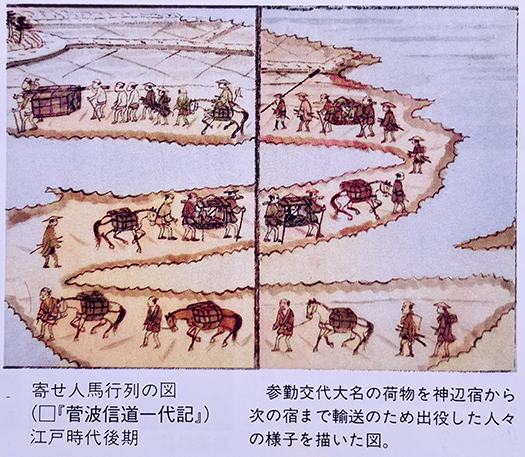
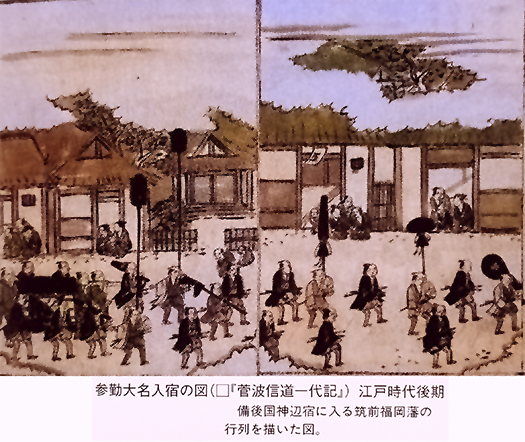
 写真は明治の日本の「西洋化」変化を象徴する北海道大学に残るポプラ並木。一方は昨日も触れた「参勤交代」の様子。幕末から明治維新を日本史は経過して社会構造は激変していくことになる。
 江戸期に武家の独裁支配に対応・順応していた地域商家ビジネスのありようは激変を余儀なくされる。いやそもそも武家各藩は金融事業者・高利貸しからの借入・返済で財政的に完全破綻。参勤交代をビジネスとする地方事業者に対して、その支払いが円滑に行われたかどうかも疑わしい。とはいえ、江戸期の地方商家事業者としては、その体制の中での最適解を求めて身を処する他に道はなかったに違いない。
 時代は黒船来航〜明治維新の政権交代を経て西洋化・市場経済導入に向かった。そういうなかでも従前の政商的・封建体制即応型ビジネスも中央集権体制の一部ではしぶとく形を変えて生き残ったとは思われる。しかしそれは政権掌握した新政府軍側の一部の政治家とその「取り巻き」だけ。そういう手づるのない地方の商家にとっては、1862年段階での地域的政商・参勤交代ビジネスモデルの完全消滅インパクトは強烈だっただろう。
 そうでなくても幕末期各藩は経済的に破綻していたので、参勤交代ビジネスモデルも瓦解過程だった。武家も商家も皆等しく岐路に立たされた。さらに「地租改正」でそれまでの「年貢」が「税金」に変わった大変化は農民層にも過酷で巨大一揆を誘発していった。
 参勤交代ビジネスで「今津本陣」としての収入をきのう現代貨幣換算で5,000-7,000万円と推定したけれど、そもそもこの時代の日本全国のGDPは現代の1/4,000という推計規模。逆に言えばこの「参勤交代ビジネス」は、貨幣経済の行き渡った現代と単純比較はムリだけれど、もし想像すれば相当するビジネス価値。まさに「地域経済」そのものだった。
 そうしたビジネスモデルの崩壊をわたしの家系は目の当たりにしたことになる、怖ろしい。驚天動地という言葉があるけれど、まさにそういった局面だったのだ。
 そういうなかで写真のような「西洋化」による開拓に沸き立っていた北海道は、祖父の目にまぶしい光芒を放って映っていたに違いない。
 
お知らせ
拙書「作家と住空間」幻冬舎から電子書籍で発刊
お求めはAmazonで。
https://amzn.asia/d/eUiv9yO

English version⬇

【Meiji Restoration and Social Revolution: What Happened to Edo-Period Merchants Amidst the Upheaval?】
The disappearance of an entire “regional economy” estimated at roughly 200 billion yen in modern terms. Samurai, merchants, and peasants alike were literally left destitute. …

 The photograph shows the poplar tree-lined avenue at Hokkaido University, symbolizing Japan’s “Westernization” during the Meiji era. On the other hand, we see scenes of the “Sankin-kotai” system mentioned yesterday. As Japanese history progressed from the Bakumatsu period to the Meiji Restoration, the social structure underwent drastic changes.
 Regional commercial businesses, which had adapted to the feudal samurai class’s autocratic rule during the Edo period, were forced to change. Indeed, the feudal domains themselves were financially bankrupt, burdened by borrowing and repaying loans from moneylenders and usurers. It is doubtful whether payments to local businesses that operated the sankin-kotai system as a commercial venture were ever smoothly settled. Nevertheless, as regional economic actors in the Edo period, they undoubtedly sought the best possible solution within that system.
 The era progressed from the arrival of the Black Ships through the Meiji Restoration, a change of government, towards Westernization and the introduction of a market economy. Even within this context, elements of the feudal, political-commercial system likely persisted, stubbornly transforming within the centralized regime. However, this survival was limited to certain domain politicians within the new government forces that seized power and their “entourage.” For local merchants without connections, the complete disappearance of regional political-commercial networks and the sankin-kotai business model by 1862 must have been devastating.
Even without this, domains were already economically bankrupt by the Bakumatsu period, so the sankin-kotai business model was undoubtedly already collapsing. Both samurai and merchants alike surely stood at a crossroads. Furthermore, the Meiji “Land Tax Reform,” which transformed the previous “annual tribute” into “taxes,” triggered massive uprisings among the peasantry.
While I estimated the income from the “Imazu Camp” in the sankin-kotai business at 50-70 million yen in modern currency terms yesterday, the estimated GDP for all of Japan in this era was only about 1/4,000th of today’s. Conversely, while it’s difficult to make a direct comparison with today’s monetized economy, imagining the scale of this “Sankin-Kotai business” suggests a value roughly 4,000 times greater—about 200 billion yen. It was truly the very essence of a “regional economy.”
My family witnessed the collapse of this business model firsthand. It was terrifying. There’s a phrase “earth-shattering,” and I believe this was precisely such a moment. Amidst this, Hokkaido, bubbling with development driven by “Westernization” as seen in the photograph, must have appeared dazzlingly bright.
Notice
My book “Writers and Living Spaces” published as an e-book by Gentosha
Available on Amazon.
 

【武家独裁下の「経済」〜参勤交代本陣の収入の一端】


 わたしの家系は江戸後期に福山藩領・今津にほど近い塩田経済地域・松永で塩経済の1プレーヤーとして、交易都市・尾道の商家株を入手し活動していたことがほぼ確定している。それを立脚点にしながら、同時に今津で「本陣」宿を拝命する河本家の経済面を一部担っていた様子が伝わってきている。きのうのブログで平戸藩主・松浦静山の旅行随筆に先祖が記述されていることをお伝えした。
 江戸期の株制度に基づいた商家として活動する一方で、この時期の先祖は今津の本陣家への奉公関係から支援されて「独立」できた経緯もあり、本陣家(河本氏)に対し最側近的「ヘルパー」も兼ねていた。
 はるかな子孫としては、その当時の「本陣宿」の経済構造を知りたくなってくる。
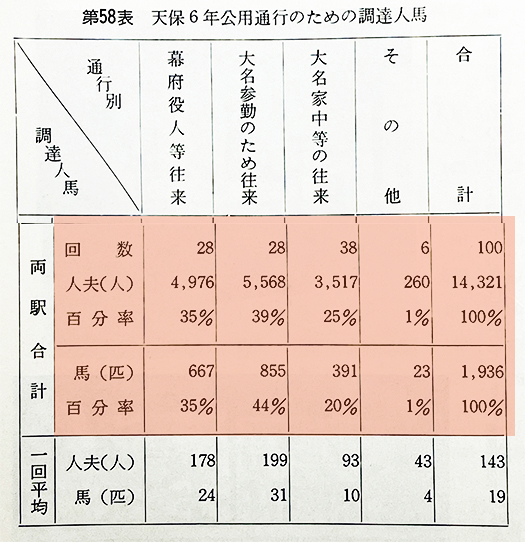
 しかし今津本陣では江戸期と明治期に火災や「一揆焼き討ち」にあって資料が残っていない。そこで地理的に近い廿日市(はつかいち)と玖波(くなみ)の本陣宿記録が「福山市史」にあったので参照した。
 福山市史の解説では「伝馬人足」の収入が大きかったと。
 伝馬は1835(天保6)年段階で約1,000匹。人足はおおむね7,000人。AIに確認すると伝馬人足とは「人や物資の輸送のために用意された馬、およびその馬を扱う人夫(馬子)を指す。また大名の駕籠人足、重い荷物(武具、米、道具)の移動使役」。
 江戸時代は武家による独裁政治時代なので現代世界の常識は通用しない。なので公的通行への役務について一種の税と見なして無償奉仕させられることもあったが西国大名家50家内外が頻繁に往来する「山陽道」本陣宿では、他地域のように地元に無償奉仕させることはできず、対価が支払われた可能性がきわめて高いとAIは返答する。それなりに多額の「通行料収入」があったと推定。
 だとすると表の部分は貨幣で支払われた可能性が高い。推計させると年間で現代貨幣換算では5,000〜7,000万円相当とAIは返答。
 現代貨幣社会とは違ってこうした貨幣の「実質価値」は相当倍にあたっていることが推認出来る。なんといっても1日中貨幣を使わない暮らしが庶民にはごく一般的な時代なのだ。
 江戸期のわが家系の経済状況の一端、その解明のヒントが見えてくる。・・・

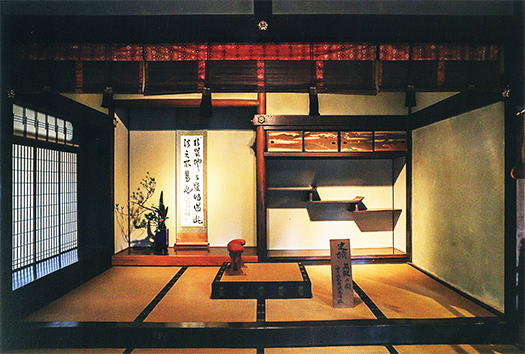
<写真イラストは広島県立博物館資料よりと今津脇本陣・蓮華寺「上段の間」>

お知らせ
拙書「作家と住空間」幻冬舎から電子書籍で発刊
お求めはAmazonで。
https://amzn.asia/d/eUiv9yO

English version⬇

【The “Economy” Under Samurai Autocracy: A Glimpse into the Revenue of Sankin-kōtai Headquarters】
The headquarters inns along the Sanyō Road, where roughly 50 daimyō families from the western provinces concentrated. This explores a facet of their annual economy. The reality of their precious “cash income” economy. …

 My family lineage is almost certainly confirmed to have operated as a player in the salt economy in Matsunaga, a salt-producing region near Imazu within the Fukuyama domain during the late Edo period. They acquired merchant shares in the trading city of Onomichi and conducted business activities. While grounded in this foundation, it has also been passed down that they simultaneously bore part of the economic burden for the Kawamoto family, who were entrusted with managing the “honjin” inn in Imazu. Yesterday’s blog mentioned that my ancestors are described in the travel essays of Matsuura Seizan, lord of the Hirado domain.
While operating as a merchant based on the Edo-period shareholding system, my ancestors during this period were also supported through their service relationship with the Honjin family in Imazu, enabling their “independence.” They also served as the closest “helpers” to the Honjin family (the Kawamoto clan).
 As a distant descendant, I find myself wanting to understand the economic structure of the “honjin lodging” at that time.
However, the Imazu honjin suffered fires and “rebellion arson attacks” during the Edo and Meiji periods, leaving no surviving records. Therefore, I referred to records of the honjin lodgings in the geographically close towns of Hatsukaichi and Kunami found in the “Fukuyama City History.”
 The Fukuyama City History commentary noted that income from “relay horse laborers” was substantial.
Relay horses numbered approximately 1,000 in 1835 (Tenpō 6). Laborers numbered roughly 7,000. AI confirms that “denma-ninjaku” refers to “horses prepared for transporting people and goods, along with the laborers (umako) who handled them. It also includes daimyo’s palanquin bearers and laborers tasked with moving heavy cargo (armor, rice, tools).”
 The Edo period was an era of feudal military rule, so modern-day common sense doesn’t apply. While labor for public passage was sometimes treated as a form of tax and provided without compensation, the AI response indicates that at the honjin inns along the Sanyo Road—frequently used by around 50 western daimyo families—it was highly unlikely that local residents were forced to provide unpaid labor as in other regions. Payment was instead almost certainly made. It is estimated that a fairly substantial amount of “toll revenue” was generated.
 If so, the red-marked sections on the chart likely represent payments made in currency. When estimated, the AI responded that this would equate to approximately 50 to 70 million yen per year in modern currency terms.
 Unlike modern monetary societies, the “real value” of such currency can be inferred to have been significantly higher. After all, this was an era where living without using currency all day was perfectly normal for commoners.
A glimpse into the economic circumstances of my family lineage during the Edo period emerges, offering clues to its understanding. …

Notice
My book “Writers and Living Spaces” published as an e-book by Gentosha
Available on Amazon.


【平戸藩・松浦静山「甲子夜話」登場の1802年わが家系】


 過去の「わが家の足跡」を丹念にたどる旅は、時間の逆回転と現実空間との行き来で、次元の違う「興奮」がもたらされる。非常に「新鮮」なのです。
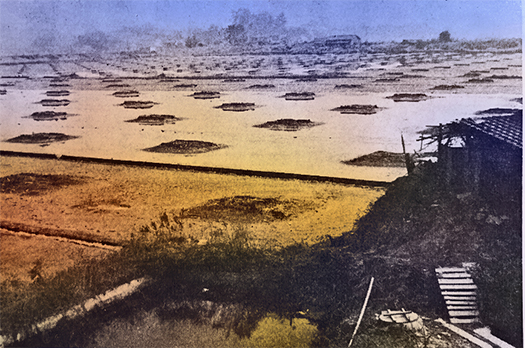
 肉親たちによる探究努力の成果がベースになってその上でいろいろな現代的手法、AIなどで探究を深めることで面白い想像力ゾーンが広がってくれる。写真上はだんだん符合が重なってきて、わが家は福山市近郊の瀬戸内海で尾道と隣接する松永・今津地域に深く関わっていることが見えてきた。その松永はこの江戸後期には瀬戸内海の「塩田」事業が大活況を呈していて、そのことが日本資本主義の本格的揺籃期でもあったことが伝わってきている。写真は古写真による松永の入り浜式塩田。
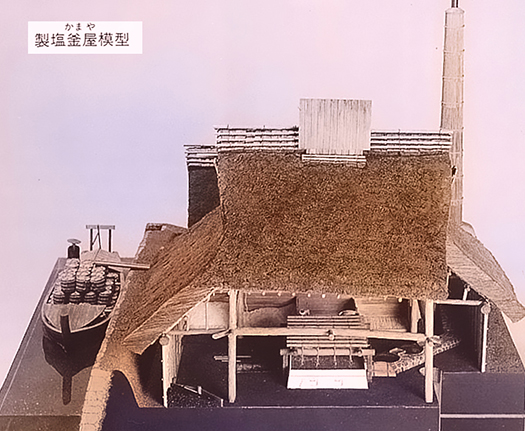
 そしてその下は、そうした塩田から集めた濃度の高い塩水から窯で製塩していく窯場の資料写真。
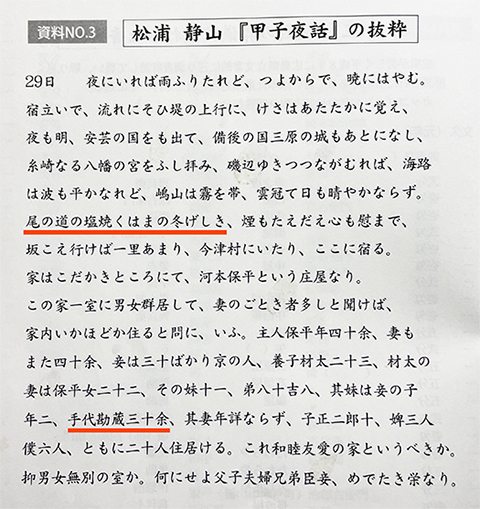
 さらに江戸期の肥前平戸藩主で「甲子夜話」という記録文を遺した松浦静山公のその文章から、尾道から今津宿までの道中の塩田風景描写が見られる。そこで「わが家系の先祖」が、かれら貴人のための旅宿「本陣家」で、接遇に立ち働いている様子が活写されている。
 「手代」というように記述されているけれど臨時的な応接接遇に本陣家の助っ人を務めている様子。この本陣家・河本家は「国造」以来のこの地域の格式高い名家であり、薩摩藩などの有力藩主たちが定宿として利用してきた。強固な身分制社会のなかで、その頂点のような大名家を応接するという気が張り詰める「サービス業」に緊張感を持って従事している様子。
 松浦静山はまるで1室で多人数が「常時」暮らしていると殿様らしく誤解しているが(笑)、貴人を接待するという非日常事態に非常的体制で応接助力に全力だったのが実際でしょう。藩主たちに直接対面して言葉を交わすことも必然だっただろうし、さまざまな用向き、飛脚の手配などや地域での人力動員などの指揮監督のようなことも日常化していただろう。「いつ何時でも」の即応体制。
 旅先での藩主としての特異な「外交的取り持ち」のようなこともあった。とくに薩摩藩が定宿として利用していたことから、機密に属する書状交流など介在することもあった。
 歴史と産業状況把握を進めていくとわが家系の記録文の重ね合わせで、そのときの「空気感・臨場感」が伝わってきて興味深い。

お知らせ
拙書「作家と住空間」幻冬舎から電子書籍で発刊
お求めはAmazonで。
https://amzn.asia/d/eUiv9yO

English version⬇

【My Family Line in 1802: Appearing in “Kōshi Yawa” by Matsuura Seizan of the Hirado Domain】
A renowned late Edo period chronicler depicts a scene from the sankin-kōtai system. The breath of my ancestor five generations back seems to ripple through the pages. …

 The journey of meticulously tracing our family’s past footprints brings a slightly different kind of excitement by moving back and forth between the spatial experience of present reality and its temporal reversal. Moreover, exploring the sense of “past spatial sites” feels remarkably fresh.
Building upon the results of our relatives’ investigative efforts, we can deepen our exploration using various modern techniques, including AI, which opens up fascinating realms of imagination. In the photographs, patterns gradually overlap, revealing our family’s deep connection to the Matsunaga and Imazu regions near Fukuyama City, adjacent to Onomichi on the Seto Inland Sea. Matsunaga, during the late Edo period, saw a boom in the Seto Inland Sea’s salt field industry, a time that also marked the true cradle of Japanese capitalism. The photo shows Matsunaga’s inlet-style salt fields from an old photograph.
Below that is a reference photo of a kiln site where salt was produced in kilns from the highly concentrated brine collected from such salt fields.
 Furthermore, writings by Lord Matsuura Seizan, the Edo-period lord of Hizen-Hirado Domain who left behind the recorded texts “Kōshi Yawa,” describe the salt field scenery along the route from Onomichi to Imazu-juku. There, the vivid portrayal shows “ancestors of my family line” actively engaged in hospitality duties at the “honjin” (official inn) serving these noble travelers.
 Though described as “clerk,” they were likely temporary helpers assisting the honjin inn’s staff with reception duties. This honjin inn, the Kawamoto family, was a prestigious local family dating back to the kuni no miyatsuko (provincial governors) era, serving as a regular lodging for powerful daimyo like those of the Satsuma domain. Within the rigid class system, they worked with intense focus in this high-pressure “service industry” of attending to daimyo families at the pinnacle of society.
 Matsuura Seizan seems to misunderstand this as multiple people “constantly” living in one room, as befits a lord (laughs), but the reality was likely that they were operating under an emergency system, giving their all to assist with reception during the extraordinary situation of entertaining dignitaries. Directly meeting and conversing with the feudal lords would have been inevitable, and tasks like handling various errands, arranging couriers, and directing the mobilization of manpower in the region would likely have become routine. It was a state of readiness “at any time, day or night.”
 There were also unique “diplomatic mediation” duties as a feudal lord while traveling. Particularly since the Satsuma domain used it as their regular lodging, he sometimes mediated confidential correspondence exchanges.
As I delve deeper into historical and industrial contexts, overlaying records from my family lineage brings the “atmosphere and immediacy” of those times vividly to life—truly fascinating.

Notice
My book “Writers and Living Spaces” published as an e-book by Gentosha
Available on Amazon.
 

【北海道開拓の明治初期「海川での漁」風景から】


 北海道の渡島半島北部・八雲町の開拓期を学べる記念館での開拓期のいとなみ探訪。
 高齢期になってくると、写真のような素朴な人間の暮らしの様子に沈殿させられる。来し方行く末、という言葉があるけれど、ほぼ「行く末」の方に目が行くのがごく自然な人間社会のありよう。それに対してだんだんと、人間の素の生き様それ自体から「叫び声」を感じるようになってくる。
 わたしたちのいま現代の暮らしは、過去の無数のひとびとの営為によって紡ぎ出されてきたもの。
 とくにほんの150年程度の過去に原始のような環境に日々挑み続けてきたのが北海道。それなのに、その程度の過去の日々すら、忘却は強烈に進行してくる。それも人間社会としては当然なのでしょうし、それが社会のダイナミズムをも生み出すのでしょうね。
 こういう記録写真は北海道の開拓期がちょうど日本における写真メディアの最初期にも当たっているので、札幌での様子など北大などにけっこうの記録蓄積がある。その時代の「伝達者」たちの本能的なメディア精神の表出でもあったのでしょうね。ただ、そういう記録の保存ということも、最初期にはまだ不十分ではあったでしょうね。そういう状況に中で、こういう質朴な写真が残っているのは有意義。
 わたしはいま札幌の市街住宅地に日々暮らしている。冬の訪れが色濃くなってきて、ようやくヒグマの出没情報がやや沈静化してきたようにも感じるけれど、ことしは本当にまるで開拓期並みにヒグマが出没してきた。この写真の八雲は開拓着手した尾張徳川家の殿様が、あまりのヒグマの出没ぶりに驚き、またちょうど海外での「クマの彫り物文化」に接して、八雲でもそういう彫り物文化を奨励したのだという。困難を乗り越えていくアイデアとしたと推察。そのことで一時期は北海道「土産」の定番であったクマの彫り物「マーケット」ではこの八雲が主導役を果たしていたのだという。
 ピンチはチャンスでもあるのでしょう。
 そしてこの開拓の「来し方」のさまざまな掘り起こし努力というのも、開拓からの第4〜第5世代のわたしたちに課せられた役割でしょうね。ボーッとしてばかりもいられない(笑)。

お知らせ
拙書「作家と住空間」幻冬舎から電子書籍で発刊
お求めはAmazonで。
https://amzn.asia/d/eUiv9yO

English version⬇

From the early Meiji era scenes of “fishing on the sea and rivers” during Hokkaido’s settlement
The “heartbeat” of daily life for our ancestors not so long ago. The “vibrations” conveyed through the sheer force of hauling in nets…

 Exploring the pioneering spirit at a museum in Yakumo Town, northern Oshima Peninsula, Hokkaido, where you can learn about the settlement era.
As one enters old age, one becomes deeply moved by the simple scenes of human life captured in photographs like this. There’s a saying about the past and the future, but it’s only natural for human society to focus almost entirely on the “future.” In contrast, one gradually begins to sense a “cry” emanating from the very essence of human existence itself.
 Our modern lives today have been woven together by the countless endeavors of people from the past.
Hokkaido, in particular, has been a place where people have continuously challenged a primitive environment for just about 150 years. Yet, even the days of that relatively recent past are fading into oblivion at an alarming rate. This is probably inevitable for human society, and it likely fuels the very dynamism of society itself.
 These documentary photographs are significant because Hokkaido’s pioneering era coincided with the very beginnings of photographic media in Japan. Consequently, considerable records of scenes in Sapporo and elsewhere are preserved at institutions like Hokkaido University. It was likely an expression of the instinctive media spirit of the “communicators” of that era. However, the preservation of such records was probably still inadequate in those earliest days. Given that context, the fact that these simple photographs remain is truly meaningful.
 I now live daily in a residential area of Sapporo. As winter’s arrival grows more pronounced, it finally feels like reports of brown bear sightings have somewhat subsided. But this year, brown bears have appeared with a frequency truly reminiscent of the pioneer era. This photo shows Yakumo, where the lord of the Owari Tokugawa family, who began the settlement, was so startled by the sheer number of brown bears appearing that he encouraged a carving culture there, inspired by the “bear carving culture” he had encountered overseas. I imagine it was an idea to overcome adversity. Because of this, Yakumo played a leading role in the bear carving “market,” which was once a staple souvenir of Hokkaido.
 A crisis is also an opportunity, I suppose.
And this effort to unearth the various “past” aspects of this settlement is surely a role entrusted to us, the fourth and fifth generations since the settlement began. We can’t just sit around spacing out (laugh).

Notice
My book “Writers and Living Spaces” published as an e-book by Gentosha
Available on Amazon.


【AIに類推してもらった「徳川家康」の顔】


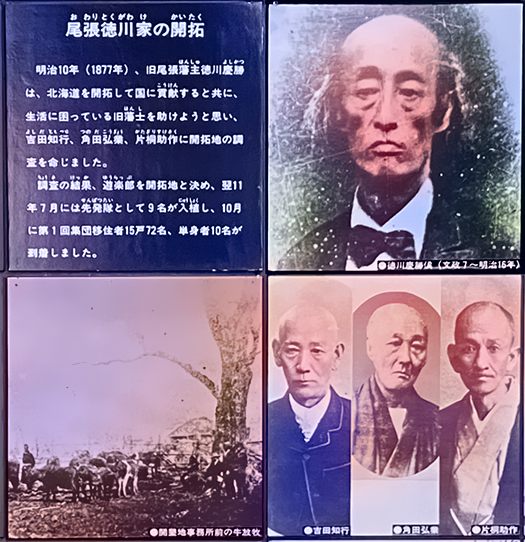
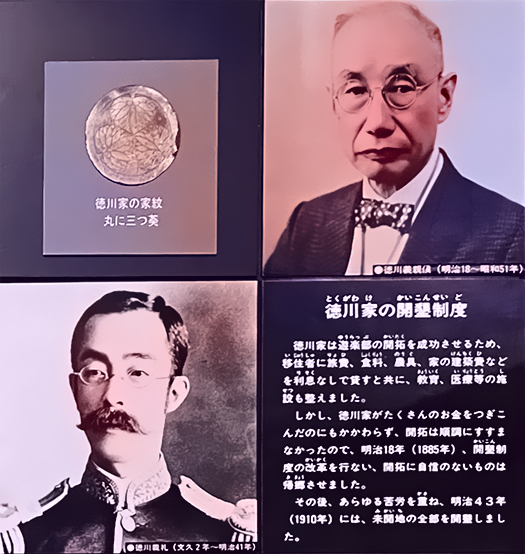
 昨日、実験的に過去の人物の顔写真をAIに復元させてみるプロジェクトについて書きましたが、本日は朝早く起床したので、実際にやってみました。用意したのは、明治維新前後の分家「尾張徳川家」の当主の顔写真と、現代の徳川宗家のご当主の公開写真。
 「徳川家宗家の現代の当主と分家の尾張徳川家の明治維新前後の当主の写真を送るので、そこから江戸幕府創設者・徳川家康の1600年当時の想像顔写真を見せて欲しい 」という実験的なAIへの問合せ。
 「写真を基に、遺伝的特徴を分析します。これらの情報と、歴史的な記録や肖像画から得られる一般的な特徴も考慮に入れ、江戸幕府創設者である徳川家康公の1600年当時の想像顔写真を生成します。こちらが徳川家康公の1600年当時の想像顔写真です」上の写真がその返信されてきたデータ。
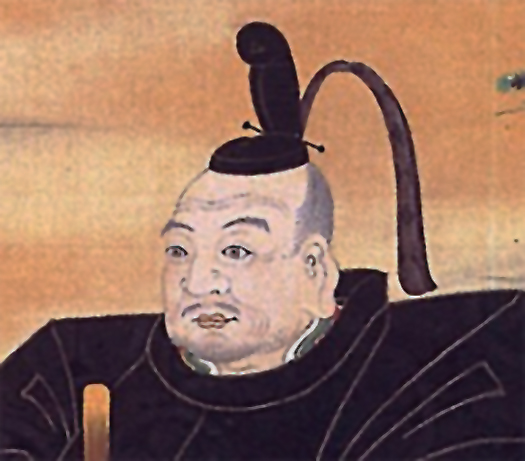
 画像はモノクロ画像でしたが、わたしのMacにインストールされたPhotoshopで「カラー化」もさせました。比較対象は家康さんの時代に写生されていただろう、イラスト図。こっちの方にわたしたちの「家康」イメージは大きく依存してきたので、無意識にそれと対比したくなるのかも知れません。
 さぁどうなのでしょうか。もちろん徳川家康公のリアルな「写真」があるワケではないので厳密に対照して確認する方法はありません。参考画像にしか過ぎない。でもちょっと細面気味かなぁ・・・。
 その他、個人情報に配慮しながら選定した写真画像を読み込ませてその子孫の顔を想像させる実験も行って見ました。「ややイジワル系かもしれないので恐縮だけれど、想像写真は可能だろうか? 」
 そういった実権も確認してみて、参照可能なリアルな写真人物データとを比較対照させてみた結果ではAIによる想像画像は正直「まだまだ」レベルかと。
 ただ、AIは「参考情報を収集し整理整頓してくれる」有能な秘書と捉えれば、人間の判断力のサポーターにはなり得ると思います「過去情報」は人類知の大きな活用可能領域だと思えるので、個人的にAIによる学習素材として読み込ませることは有益でしょう。
 テキスト系の利活用が当然先行してきていますが、やがて画像系の利活用も相当領域が広がっていくようにも思えます。加齢による経験知の蓄積も判断には有益でしょうね。いかがでしょうか?

お知らせ
拙書「作家と住空間」幻冬舎から電子書籍で発刊
お求めはAmazonで。
https://amzn.asia/d/eUiv9yO

English version⬇

【AI-generated facial reconstruction of Tokugawa Ieyasu】
Image exploration based on skeletal and genetic information of historical figures. AI applications are expanding into previously unimaginable realms. …

 Yesterday, I wrote about an experimental project to have AI reconstruct the faces of historical figures. Today, since I woke up early, I actually gave it a try. I prepared a portrait of the head of the Owari branch of the Tokugawa family around the time of the Meiji Restoration and a publicly available photo of the current head of the main Tokugawa family.
 The experimental AI query was: “I’m sending photos of the modern head of the main Tokugawa family and the head of the Owari Tokugawa branch family around the time of the Meiji Restoration. Please show me a reconstructed portrait of Tokugawa Ieyasu, founder of the Edo Shogunate, as he might have looked in 1600.”
 “Based on the photos, we analyze genetic traits. Considering this information alongside general characteristics derived from historical records and portraits, we generate a reconstructed portrait of Lord Tokugawa Ieyasu, founder of the Edo Shogunate, as he might have appeared around 1600. Here is the reconstructed portrait of Lord Tokugawa Ieyasu around 1600.” The photo above is the data returned.
 The image was monochrome, but I used Photoshop installed on my Mac to “colorize” it. For comparison, I used an illustrated portrait likely sketched during Ieyasu’s era. Our image of “Ieyasu” has relied heavily on this depiction, so we might unconsciously want to compare it.
So, what do you think? Of course, there’s no real “photograph” of Tokugawa Ieyasu, so there’s no way to strictly verify it. It’s merely a reference image. But maybe he was a bit more slender-faced…
Additionally, I conducted an experiment where I fed the AI selected photos, carefully chosen to respect privacy, to imagine the faces of his descendants. “I apologize if this seems a bit mischievous, but could an imagined photo be possible?”
After testing that capability and comparing the results against reference photos of real people, I must say the AI-generated imagined images are honestly still at a “long way to go” level.
 However, if we view AI as a capable secretary that “collects and organizes reference information,” it could become a supporter for human judgment. Since “past information” represents a vast, exploitable domain of human knowledge, personally feeding it into AI as learning material seems beneficial.
 While text-based applications naturally take precedence now, image-based applications seem poised to expand significantly in scope. The accumulation of experiential knowledge through aging should also prove beneficial for judgment. What do you think?

Notice
My book “Writers and Living Spaces” published as an e-book by Gentosha
Available on Amazon.


【尾張徳川家人物写真のAI解析で、家康の顔「類推」?】


 先日参観した北海道八雲町の「開拓記念館」に江戸末期から明治にかけての尾張徳川家の当主の写真が展示されていた。歴史好きだけれど、こういう人物写真に触れるのは初めてだったので、いろいろの妄想を刺激されていた。
 どういう興味かというと残っている人物写真、それも血縁関係で明確な世代更新痕跡が表現された数世代の顔写真から、さかのぼって数百年単位先代の「想像図」は可能なのだろうか、ということ。尾張徳川家の場合、3世代程度の写真画像は保存されているだろうから、ひょっとすると「徳川家康」の想像画像が可能かもということ。男系の写真だけでは母系のDNA影響を加味できないから難しいと思うけれど、可能性としての「類推画像」程度は可能かも知れないという考え。
 ちょっと気になったのでAIのGeminiに<親子4代の写真からその前の世代の面影を想像することは可能か? >と問いかけてみたら、以下の返答。
 「はい、AI画像操作によって、親子4代の写真からそれ以前の世代の面影を想像することは可能です」という断言。オイオイ大丈夫かよ?なんですが、・・・
 「これは、特徴抽出と融合、年齢退行・進展と顔の変化予測という手法によって●先祖顔の生成: 4代の顔の特徴を統合し、そこに現れていないが遺伝的に存在しうる「仮想の先祖」の顔を生成。●「曾祖父母の若かりし頃」の再構築: 曾祖父母の顔写真から、その若い頃(例えば、彼らの親がその年齢だった頃)の顔を推測して生成。●遺伝的特徴の強調: 複数の世代にわたって現れる特徴(例えば、特定の目の形や鼻の高さ)を抽出し、それを強調した画像を生成することで「家系の顔」の傾向を視覚化します」
 ということなのだそうです。
 まぁ、検証はしようがないことですが「類推画像」の範囲であれば利用価値はあるかも知れない。あるいは3世代の顔写真から4世代前を類推させて、その画像と見せていないホンモノの4世代前前画像とを対比する、イジワル検証もあり得る。それを反映させ精度を高める工夫もあり得るかと。
 先日あるAI利活用のWEB講演を聞いていましたが、まだまだ黎明期のようで、日本人的な「進化」のさせ方というものがあり得るようにも思っています。

お知らせ
拙書「作家と住空間」幻冬舎から電子書籍で発刊
お求めはAmazonで。
https://amzn.asia/d/eUiv9yO

English version⬇

【AI Analysis of Owari Tokugawa Family Portraits: “Inferring” Ieyasu’s Face?】
Ideas for its application are truly in their infancy. Couldn’t it be used for all sorts of purposes? What’s being tested is imagination. …

 The other day, I visited the “Pioneer Memorial Museum” in Yakumo Town, Hokkaido, where photographs of the heads of the Owari Tokugawa family from the late Edo period through the Meiji era were on display. While I’m a history buff, this was my first time encountering such portraits of historical figures, and it sparked all sorts of imaginings.
 My curiosity centered on this: Is it possible to create an “imagined portrait” of ancestors from centuries ago, based on surviving photographs—specifically, several generations of portraits showing clear generational succession through blood ties? In the case of the Owari Tokugawa family, photographs spanning about three generations are likely preserved. So, perhaps an imagined image of “Tokugawa Ieyasu” might be possible. I suspect it would be difficult using only paternal lineage photos, as it wouldn’t account for maternal DNA influence, but I wondered if creating a “reconstructed image” as a possibility might be feasible.
Curious, I asked the AI Gemini: “Is it possible to imagine the likeness of generations preceding four generations of parent-child photos?” It responded:
 “Yes, it is possible to imagine the likeness of generations prior to the four generations of photos using AI image manipulation.” Huh? Are you sure about that? But…
“This is achieved through feature extraction and fusion, age regression/progression, and facial change prediction techniques: ● Ancestral Face Generation: Integrating facial features from four generations to generate a ‘virtual ancestor’ face that isn’t present but could exist genetically. ● Reconstructing ‘Great-Grandparents in Their Youth’: Inferring and generating the faces of great-grandparents during their younger years (e.g., when their parents were that age) from existing photos. ● Emphasizing Genetic Traits: Visualizing family facial tendencies by extracting features common across multiple generations (e.g., specific eye shapes or nose heights) and generating images that accentuate them.”
That’s apparently how it works.
 Well, verification is impossible, but within the scope of “inferred images,” it might have some value. Or, a mischievous verification could involve inferring the face of someone four generations back from photos of three generations and then comparing that image with the actual, unseen image of the person four generations back. Efforts to reflect that and improve accuracy might also be possible.
 I recently attended a web lecture on AI utilization, and it seems we’re still in the early days. I suspect there might be a distinctly Japanese approach to “evolving” this technology.

Announcement
My book “Writers and Living Spaces” is now available as an e-book from Gentosha.
Available on Amazon.


【積雪と寒冷で「冬道」の季節がやってきた・・・】


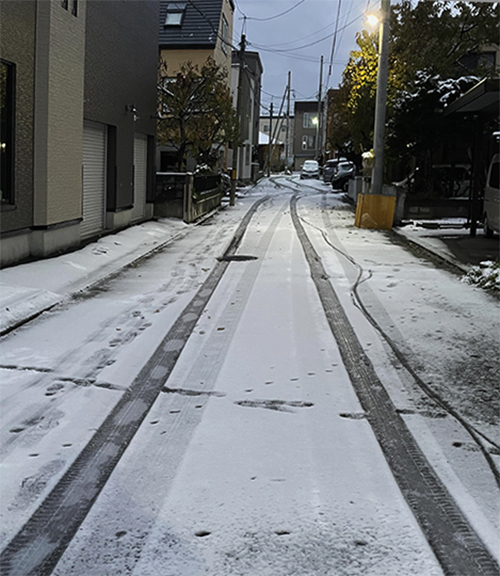
 昨日あさ、家人が「クルマが滑りやすい交差点で、クルッと1回転しちゃった」と報告。幸い他の車両とは距離が離れていたということで衝突の危機の難は逃れたのでした。そういうことで冬道のベテランということで、家族の移動のための移動手段ドライバーとして緊急召集がかかった。やむなく写真のような冬道散歩から撤収して家にカムバック。
 散歩では冬靴装備しているので慎重に歩けば問題はないのですが、しかし北国人として保有しているいくつかの冬靴のなかからその日の天候に似合ったものを選ぶのに、道路状況判断はきわめて重要。冬最盛期には「スパイク靴」が最適なのですが、いまどきの時期の冬道は、そういうものとも違う。スパイク自体が浅い雪の下の舗装路面で滑ってしまうのですね。靴底面の最適解を選択。
 で、クルマの運転を始めたら、この時期らしく「まだ冬道運転の仕方に慣れていない」ドライバーが目に付く。冬の初め時期には北海道でも、夏道の「慣れ」から離脱できていないドライバーが比較的に多いのです。発進〜加速〜進路変更などの運転の各ポイントで不適合を引き起こしている。家人のようにほかの車両と離れていれば、おおごとにはなりませんが、過密的な場所では本当に要注意なのです。車間距離が狭いと横滑りなどでの接触事故まであり得る。
 とにかく冬道の最初時期で、しかも「早朝」の時間は道路状況が非常にキビシイ。うっすらとした雪面の下の舗装道路面がどの程度の凍結ぶりかの視認判断が必要なのですね。
 冬タイヤ交換は絶対である上に、通常よりも「2段」程度の減速運転感覚で対応すべきなのです。1段ではやはり危険回避には不適格。冬道の思わぬ滑走ぶりでのとっさの時からも安全を確保すべき。まぁその程度の心構えで対応すべきなのですね。
 ということですが、一方でこのうっすらとした冬景色は、非常に「なつかしさ」を感じさせてくれる。幼いときからの視覚経験が、その表面の光景の底に「ただよって」いるのです。景観を構成する万物が雪との再会ぶりを表現している。安全に配慮しながら、そういう楽しさも味わわせてもらえる。・・・

お知らせ
拙書「作家と住空間」幻冬舎から電子書籍で発刊
お求めはAmazonで。
https://amzn.asia/d/eUiv9yO

English version⬇

【Snowfall and cold bring the season of “winter roads”…】
Northern snow country, “Kaisei.” Oh, long time no see, still alive? (lol). That kind of overbearing concern. The nostalgic feeling of safe driving being the only option. …

 Yesterday morning, my family member reported, “My car spun around at an icy intersection.” Fortunately, they were far enough from other vehicles to avoid a collision. As a seasoned winter driver, I was urgently summoned to serve as the family’s designated driver. Reluctantly, I cut short my winter walk (as pictured) and headed back home.
 While walking, I wear winter boots, so careful footing is sufficient. However, as a northern resident, choosing the right pair from my collection based on the day’s weather requires careful road condition judgment. Spiked boots are ideal at the height of winter, but winter roads at this time of year are different. The spikes themselves slip on paved surfaces covered by shallow snow. Selecting the optimal sole design is key.
 Then, once I started driving, I noticed drivers who, typical for this time of year, “aren’t yet accustomed to winter driving.” Even in Hokkaido, at the start of winter, there are relatively many drivers who haven’t shed their “summer driving habits.” This causes mismatches at key driving points like starting off, accelerating, and changing lanes. If you’re like my family and keep a distance from other vehicles, it won’t be a big deal, but in congested areas, you really need to be careful. If the distance between vehicles is too short, it can lead to contact accidents due to skidding.
Anyway, the very beginning of winter driving, especially during the “early morning” hours, presents extremely harsh road conditions. You need to visually judge how much the pavement beneath the thin layer of snow is frozen.
 Winter tire replacement is absolutely essential, and you should drive with a sense of deceleration about two levels slower than usual. One level is simply inadequate for avoiding danger. You must ensure safety even in sudden, unexpected skids on winter roads. Well, that’s the mindset you should adopt.
That said, this faint winter landscape also evokes a profound sense of nostalgia. Visual experiences from childhood linger beneath the surface of this scene. Every element composing the landscape seems to express its reunion with the snow. While prioritizing safety, we can also savor this kind of joy. …

Notice
My book “Writers and Living Spaces” published as an e-book by Gentosha
Available on Amazon.

【わが家系が「尾道の商家」だった江戸後期の時代相】


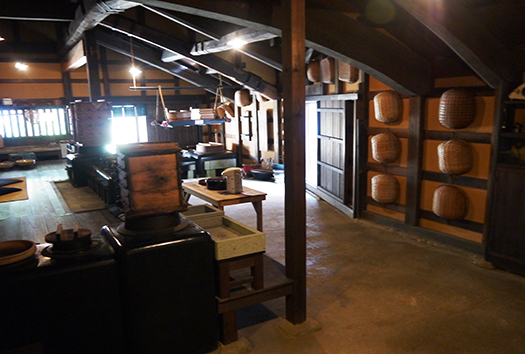
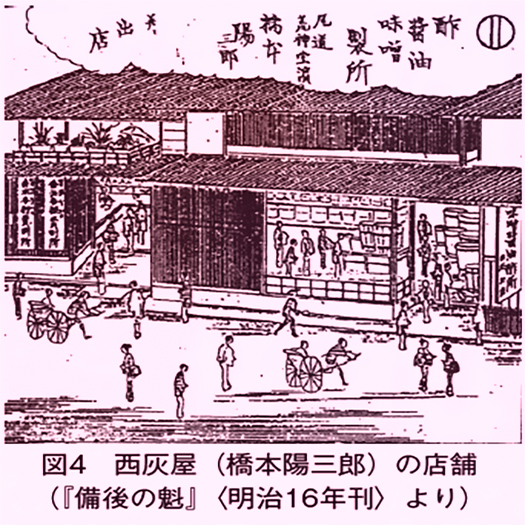
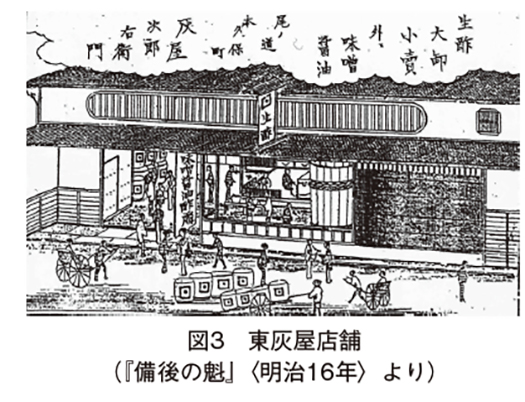
 写真は、2013年頃に石見銀山地域を巡ったときに参観していた「商家」の佇まい。で、その下の絵図は昨日に続いて尾道の豪商「灰屋」の店先風景。瀬戸内海側と日本海側ですが、ほぼ同時代の空気感。
 わたしは独立して以降、住宅にかかわって仕事を続けてきましたが、基本的に建築の内部空間が数寄の基本。それもこの写真のような商家が醸し出してくる空気感により強く惹かれる。農家のものづくり主体の機能性空間よりも、商家の人間交流が主体の空間性により惹かれる。
 コミュニケーション主体の空間性によりシンパシーを感じるのです。
 たぶんそれは幼年期から少年期に過ごしていた商家兼食品製造工場としてのわが家の空間記憶が大きいのだろうと思っていたのですが、家系調査を経てきてこの尾道で確実に過ごしていた血脈の様子が明確化してきた。江戸期の政治経済機構のなかで一族が生き延びてきたことが遠雷としてこだましてくる。
 「おう、阿賀屋、繁盛してるか?あ?」
 「おお◎◎さん、いつもご贔屓にありがとうございます。きょうはどちらへ?」
 「ああ、尾道の港から午後の便でこれから堺まで、半月ほどの商用だよ・・・」
 っていうような会話が迫ってきてくれるようなのです。そういう交流の中には武家もいただろうし、同業者同士の切った貼ったもあったことでしょう。そういうなかでわが家系は「塩」がキーポイントだったようです。
 「そういえば近頃、蝦夷地じゃぁサケを塩引きにして遠距離輸送・流通が可能なようにするんだって?」
 「そうなんですよ、高田屋嘉兵衛さんなどウチから塩を大量に船積みして北前航路に向かって、蝦夷地じゃぁたくさんの人足を使って群来のサケを水揚げして、塩で捌きまくるのだそうですね。荒稼ぎ。」
 「しかし塩鮭はうまいからなぁ、結構なことで(笑)」
 江戸期はこういった経済活動が、北前などの商品大量輸送を起動要素として発展したのでしょう。蝦夷地の北方漁業産品など多様な品々が天下の台所・大阪へ、瀬戸内海の潮の干満の要地・尾道は交易の最高立地。
 人的往来と情報の活発な流通。日本の市井の資本主義経済が力強く勃興する起点だったのでしょう。
 想像力はフツフツと沸き立ってきて、たまりません(笑)。

お知らせ
拙書「作家と住空間」幻冬舎から電子書籍で発刊
お求めはAmazonで。
https://amzn.asia/d/eUiv9yO

English version⬇

The Late Edo Period Through the Lens of My Family’s “Onomichi Merchant House”
Onomichi, the greatest trading hub of the Edo period where goods and information flowed freely. The way my family lived comes alive against this backdrop, bubbling up in my imagination (laugh). …

 The photograph shows the appearance of a merchant house I visited while touring the Iwami Ginzan region around 2013. Below it is a sketch, continuing from yesterday, depicting the shopfront scene of the wealthy merchant “Haiya” in Onomichi. Though on opposite sides of the Seto Inland Sea and the Sea of Japan, they share a similar atmosphere from roughly the same era.
 Since becoming independent, I’ve continued working in residential design, but fundamentally, the interior space of architecture is the essence of aesthetics. I’m particularly drawn to the atmosphere exuded by merchant houses like the one in this photo. More than the functional spaces centered on craftsmanship found in farmhouses, I’m captivated by the spatiality of merchant houses, where human interaction takes center stage.
 I feel a deep connection to these communication-centered spatial qualities.
I had always thought this stemmed largely from my childhood memories of my own home, which served as both a merchant house and a food manufacturing factory. However, through genealogical research, the clear presence of my bloodline’s time spent here in Onomichi has become evident. The echoes of my clan surviving within the political and economic structures of the Edo period resonate like distant thunder.
“Oh, Aga-ya, business booming? Huh?”
 “Oh, Mr. ◎◎, thank you for your continued patronage. Where are you headed today?”
“Ah, I’m taking the afternoon ship from Onomichi Port to Sakai. About a fortnight’s business trip…”
Conversations like this seem to come rushing back. Such exchanges would have included samurai, and no doubt fierce rivalries among fellow merchants. Within that, “salt” appears to have been the key point for my family line.
 “Speaking of which, I hear they’re salting salmon in Ezo these days to make long-distance transport and distribution possible?”
“That’s right. People like Takadaya Kahei ship huge loads of salt from us to the Kitamae route. In Ezo, they use tons of laborers to haul in the salmon run and process it all with salt. Making a killing.”
 “But salted salmon is delicious, so it’s a good thing (laughs).”
During the Edo period, such economic activities likely developed with the mass transport of goods via routes like the Kitamae as a driving force. Diverse products like northern fisheries goods from Ezo flowed to Osaka, the nation’s kitchen. Onomichi, a key location for the tides of the Seto Inland Sea, was the prime location for trade.
 The active flow of people and information. This was likely the starting point for the vigorous rise of Japan’s grassroots capitalist economy.
My imagination is bubbling up, I can’t stand it (laugh).

Notice
My book “Writers and Living Spaces” published as an e-book by Gentosha
Available on Amazon.


【江戸末〜明治初期の「尾道商家」の絵図】


 わが家の家系研究の一断面。
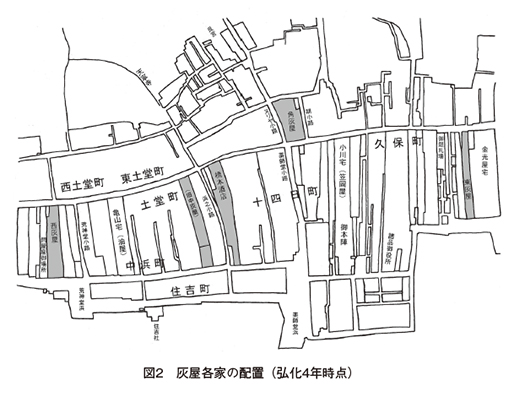
 この絵図は、広島県立文書館紀要のなかの「近世尾道商人の系譜と展開」中のもの。いかにも「町屋」としての商家のたたずまいが表現されている。江戸期の一般的な商家の店舗風景を思わせる。江戸の街のにぎわい絵図などでもこういった表現をよく見受ける。尾道は瀬戸内海交易の中核的な存在であり、日本の「資本主義」が揺籃されたというふうに考えられる。いま考察してみれば・・・。
 しかしわたしたちが60年以上前当時に学習していた「日本歴史」教育では、仇敵のように江戸期の「身分制度」を教えられ厳格な「士農工商」身分制が江戸期の人びとの価値観の根幹を規定したと教わってきた。わたしなど「よい子」そのものだったので(笑)固く信じて疑わなかった。日本の近代資本主義化は、明治維新以降、初めて成し遂げられたような錯覚を刷り込まされてきた。
 しかし尾道など家系の故地、その事跡を探究すればするほど、背景としての江戸期商品経済活動のダイナミックさに気付かされる。そういった経済面に着目しなければ動態的な理解が得られないことに直面してしまう。
 最近も、磯田道史先生MCのNHK歴史番組で江戸期の東北荘内の酒田藩と「本間家」のことがビビッドに解明されていた。庄内では江戸期の「回米」経済が主要な「原動力」だったことがわかる。武家による統治は政治表面上はそうだけれど、庄内の場合は基本商品としてのコメは大阪に回米されて現金化され、それが藩全体の経済基盤を形成した。加えて自助努力で紅花・商品作物への旺盛な取り組みなど、藩経済全体の「代理者」としての本間家という存在がわかりやすく見えていた。いわば藩全体の経済運営が本間家という起動力だったのだと知れる。回米は巨大な輸送船・運搬手段が大前提であり、その回船を維持管理する資力がこの本間家に集中する地域特性があったとわかるのだ。
 そういう実態は日本中でそのようだったことが容易に理解できる。
 江戸期のそういう商品流通の巨大なセンター機能を瀬戸内海交易・尾道は担っていた。その周辺地域に根拠を持ったわたしの家系は、おのずとその中で生き延びていたのだ。経済構造の歴史解明がいちばん正鵠だと気付かされてきている。・・・ちょっと遅いかなぁ(泣)。

お知らせ
拙書「作家と住空間」幻冬舎から電子書籍で発刊
お求めはAmazonで。
https://amzn.asia/d/eUiv9yO

English version⬇

【Illustrated Map of Onomichi Merchant Houses from Late Edo to Early Meiji Periods】
Everything hinges on the economy. That’s only natural. Understanding its true nature defines human destiny. We must firmly incorporate this perspective into our reconstruction of family histories. …

 A glimpse into my family’s genealogical research.
This illustration is from “The Genealogy and Development of Early Modern Onomichi Merchants” in the Bulletin of the Hiroshima Prefectural Archives. It vividly captures the appearance of a merchant house as a typical “machiya” townhouse. It evokes the common sight of merchant shops during the Edo period. Such depictions are frequently seen in illustrations of bustling Edo streets. Onomichi was a pivotal hub in Seto Inland Sea trade and is often considered the cradle of Japan’s “capitalism.” Reflecting on it now…
However, in the “Japanese History” education we received over 60 years ago, the Edo period’s “class system” was taught as if it were an enemy. We were taught that the strict “samurai, farmers, artisans, merchants” hierarchy fundamentally defined the values of Edo period people. Being the very picture of a “good student” (laugh), I firmly believed this without question. We were indoctrinated with the illusion that Japan’s modern capitalist transformation was only achieved after the Meiji Restoration.
However, the more I researched the ancestral lands of places like Onomichi and their historical deeds, the more I became aware of the dynamic nature of Edo-period commercial economic activity as a backdrop. I found myself confronted with the fact that without focusing on these economic aspects, a dynamic understanding simply cannot be gained.
 Recently, an NHK historical program hosted by Professor Michifumi Isoda vividly illuminated the Edo-period Sakata Domain in Tohoku’s Shonai region and the “Honma family.” It became clear that the Edo-period “rice circulation” economy was the primary “driving force” in Shonai. While samurai rule was the political facade, in Shonai’s case, rice as a basic commodity was circulated to Osaka, converted into cash, and formed the economic foundation of the entire domain. Furthermore, the program clearly showed the Honma family acting as a kind of “agent” for the entire domain economy, driven by their own efforts and vigorous engagement in safflower and other cash crops. Essentially, the Honma family served as the driving force behind the domain’s overall economic management. Rice circulation required massive transport ships and means of transportation as a fundamental prerequisite. Regional characteristics meant the financial resources to maintain and manage these transport ships were concentrated within the Honma family.
 It’s easy to understand that this reality was common throughout Japan.
The Seto Inland Sea trade and Onomichi served as a massive center for such commodity distribution during the Edo period. My family lineage, rooted in the surrounding areas, naturally survived within this system. I’m increasingly realizing that unraveling the history of economic structures is the most accurate approach… though perhaps a bit late (tears).

Notice
My book “Writers and Living Spaces” published as an e-book by Gentosha
Available on Amazon.