
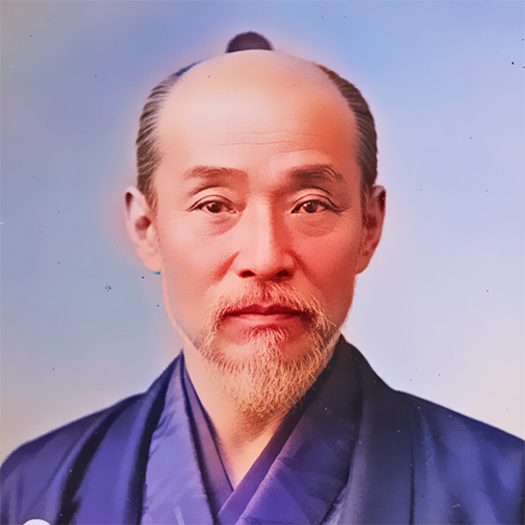
昨日、実験的に過去の人物の顔写真をAIに復元させてみるプロジェクトについて書きましたが、本日は朝早く起床したので、実際にやってみました。用意したのは、明治維新前後の分家「尾張徳川家」の当主の顔写真と、現代の徳川宗家のご当主の公開写真。
「徳川家宗家の現代の当主と分家の尾張徳川家の明治維新前後の当主の写真を送るので、そこから江戸幕府創設者・徳川家康の1600年当時の想像顔写真を見せて欲しい 」という実験的なAIへの問合せ。
「写真を基に、遺伝的特徴を分析します。これらの情報と、歴史的な記録や肖像画から得られる一般的な特徴も考慮に入れ、江戸幕府創設者である徳川家康公の1600年当時の想像顔写真を生成します。こちらが徳川家康公の1600年当時の想像顔写真です」上の写真がその返信されてきたデータ。
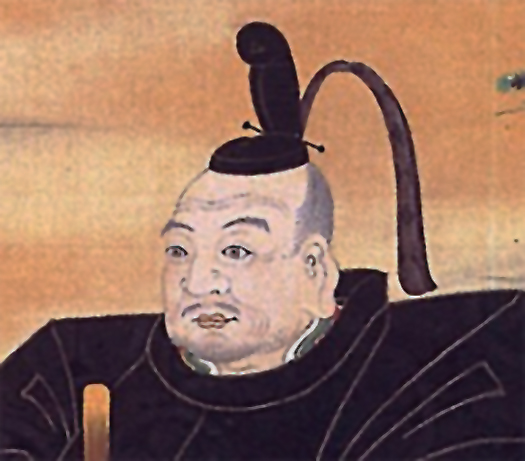
画像はモノクロ画像でしたが、わたしのMacにインストールされたPhotoshopで「カラー化」もさせました。比較対象は家康さんの時代に写生されていただろう、イラスト図。こっちの方にわたしたちの「家康」イメージは大きく依存してきたので、無意識にそれと対比したくなるのかも知れません。
さぁどうなのでしょうか。もちろん徳川家康公のリアルな「写真」があるワケではないので厳密に対照して確認する方法はありません。参考画像にしか過ぎない。でもちょっと細面気味かなぁ・・・。
その他、個人情報に配慮しながら選定した写真画像を読み込ませてその子孫の顔を想像させる実験も行って見ました。「ややイジワル系かもしれないので恐縮だけれど、想像写真は可能だろうか? 」
そういった実権も確認してみて、参照可能なリアルな写真人物データとを比較対照させてみた結果ではAIによる想像画像は正直「まだまだ」レベルかと。
ただ、AIは「参考情報を収集し整理整頓してくれる」有能な秘書と捉えれば、人間の判断力のサポーターにはなり得ると思います「過去情報」は人類知の大きな活用可能領域だと思えるので、個人的にAIによる学習素材として読み込ませることは有益でしょう。
テキスト系の利活用が当然先行してきていますが、やがて画像系の利活用も相当領域が広がっていくようにも思えます。加齢による経験知の蓄積も判断には有益でしょうね。いかがでしょうか?
お知らせ
拙書「作家と住空間」幻冬舎から電子書籍で発刊
お求めはAmazonで。
https://amzn.asia/d/eUiv9yO
English version⬇
【AI-generated facial reconstruction of Tokugawa Ieyasu】
Image exploration based on skeletal and genetic information of historical figures. AI applications are expanding into previously unimaginable realms. …
Yesterday, I wrote about an experimental project to have AI reconstruct the faces of historical figures. Today, since I woke up early, I actually gave it a try. I prepared a portrait of the head of the Owari branch of the Tokugawa family around the time of the Meiji Restoration and a publicly available photo of the current head of the main Tokugawa family.
The experimental AI query was: “I’m sending photos of the modern head of the main Tokugawa family and the head of the Owari Tokugawa branch family around the time of the Meiji Restoration. Please show me a reconstructed portrait of Tokugawa Ieyasu, founder of the Edo Shogunate, as he might have looked in 1600.”
“Based on the photos, we analyze genetic traits. Considering this information alongside general characteristics derived from historical records and portraits, we generate a reconstructed portrait of Lord Tokugawa Ieyasu, founder of the Edo Shogunate, as he might have appeared around 1600. Here is the reconstructed portrait of Lord Tokugawa Ieyasu around 1600.” The photo above is the data returned.
The image was monochrome, but I used Photoshop installed on my Mac to “colorize” it. For comparison, I used an illustrated portrait likely sketched during Ieyasu’s era. Our image of “Ieyasu” has relied heavily on this depiction, so we might unconsciously want to compare it.
So, what do you think? Of course, there’s no real “photograph” of Tokugawa Ieyasu, so there’s no way to strictly verify it. It’s merely a reference image. But maybe he was a bit more slender-faced…
Additionally, I conducted an experiment where I fed the AI selected photos, carefully chosen to respect privacy, to imagine the faces of his descendants. “I apologize if this seems a bit mischievous, but could an imagined photo be possible?”
After testing that capability and comparing the results against reference photos of real people, I must say the AI-generated imagined images are honestly still at a “long way to go” level.
However, if we view AI as a capable secretary that “collects and organizes reference information,” it could become a supporter for human judgment. Since “past information” represents a vast, exploitable domain of human knowledge, personally feeding it into AI as learning material seems beneficial.
While text-based applications naturally take precedence now, image-based applications seem poised to expand significantly in scope. The accumulation of experiential knowledge through aging should also prove beneficial for judgment. What do you think?
Notice
My book “Writers and Living Spaces” published as an e-book by Gentosha
Available on Amazon.
共有:

Posted on 11月 21st, 2025 by 三木 奎吾
Filed under: 未分類





コメントを投稿
「※誹謗中傷や、悪意のある書き込み、営利目的などのコメントを防ぐために、投稿された全てのコメントは一時的に保留されますのでご了承ください。」
You must be logged in to post a comment.