
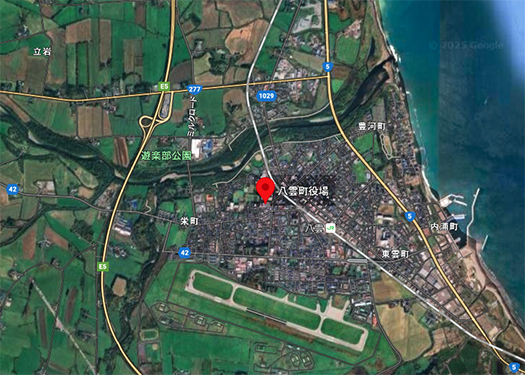
北海道の渡島半島北部・八雲町の開拓期を学べる記念館での開拓期のいとなみ探訪。
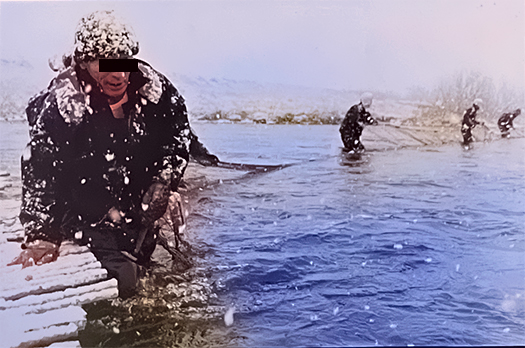
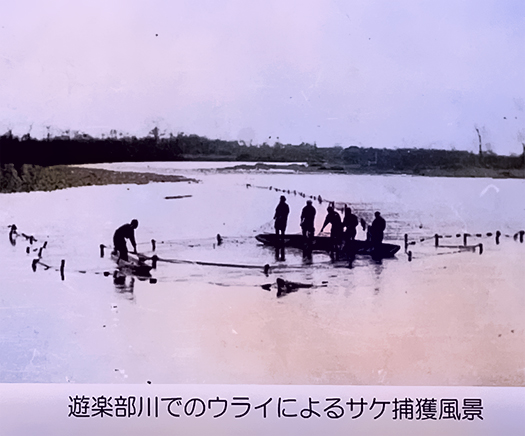
高齢期になってくると、写真のような素朴な人間の暮らしの様子に沈殿させられる。来し方行く末、という言葉があるけれど、ほぼ「行く末」の方に目が行くのがごく自然な人間社会のありよう。それに対してだんだんと、人間の素の生き様それ自体から「叫び声」を感じるようになってくる。
わたしたちのいま現代の暮らしは、過去の無数のひとびとの営為によって紡ぎ出されてきたもの。
とくにほんの150年程度の過去に原始のような環境に日々挑み続けてきたのが北海道。それなのに、その程度の過去の日々すら、忘却は強烈に進行してくる。それも人間社会としては当然なのでしょうし、それが社会のダイナミズムをも生み出すのでしょうね。
こういう記録写真は北海道の開拓期がちょうど日本における写真メディアの最初期にも当たっているので、札幌での様子など北大などにけっこうの記録蓄積がある。その時代の「伝達者」たちの本能的なメディア精神の表出でもあったのでしょうね。ただ、そういう記録の保存ということも、最初期にはまだ不十分ではあったでしょうね。そういう状況に中で、こういう質朴な写真が残っているのは有意義。
わたしはいま札幌の市街住宅地に日々暮らしている。冬の訪れが色濃くなってきて、ようやくヒグマの出没情報がやや沈静化してきたようにも感じるけれど、ことしは本当にまるで開拓期並みにヒグマが出没してきた。この写真の八雲は開拓着手した尾張徳川家の殿様が、あまりのヒグマの出没ぶりに驚き、またちょうど海外での「クマの彫り物文化」に接して、八雲でもそういう彫り物文化を奨励したのだという。困難を乗り越えていくアイデアとしたと推察。そのことで一時期は北海道「土産」の定番であったクマの彫り物「マーケット」ではこの八雲が主導役を果たしていたのだという。
ピンチはチャンスでもあるのでしょう。
そしてこの開拓の「来し方」のさまざまな掘り起こし努力というのも、開拓からの第4〜第5世代のわたしたちに課せられた役割でしょうね。ボーッとしてばかりもいられない(笑)。
お知らせ
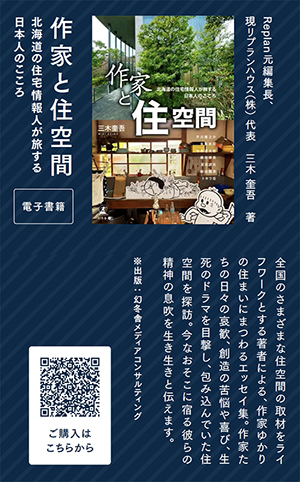
拙書「作家と住空間」幻冬舎から電子書籍で発刊
お求めはAmazonで。
https://amzn.asia/d/eUiv9yO
English version⬇
From the early Meiji era scenes of “fishing on the sea and rivers” during Hokkaido’s settlement
The “heartbeat” of daily life for our ancestors not so long ago. The “vibrations” conveyed through the sheer force of hauling in nets…
Exploring the pioneering spirit at a museum in Yakumo Town, northern Oshima Peninsula, Hokkaido, where you can learn about the settlement era.
As one enters old age, one becomes deeply moved by the simple scenes of human life captured in photographs like this. There’s a saying about the past and the future, but it’s only natural for human society to focus almost entirely on the “future.” In contrast, one gradually begins to sense a “cry” emanating from the very essence of human existence itself.
Our modern lives today have been woven together by the countless endeavors of people from the past.
Hokkaido, in particular, has been a place where people have continuously challenged a primitive environment for just about 150 years. Yet, even the days of that relatively recent past are fading into oblivion at an alarming rate. This is probably inevitable for human society, and it likely fuels the very dynamism of society itself.
These documentary photographs are significant because Hokkaido’s pioneering era coincided with the very beginnings of photographic media in Japan. Consequently, considerable records of scenes in Sapporo and elsewhere are preserved at institutions like Hokkaido University. It was likely an expression of the instinctive media spirit of the “communicators” of that era. However, the preservation of such records was probably still inadequate in those earliest days. Given that context, the fact that these simple photographs remain is truly meaningful.
I now live daily in a residential area of Sapporo. As winter’s arrival grows more pronounced, it finally feels like reports of brown bear sightings have somewhat subsided. But this year, brown bears have appeared with a frequency truly reminiscent of the pioneer era. This photo shows Yakumo, where the lord of the Owari Tokugawa family, who began the settlement, was so startled by the sheer number of brown bears appearing that he encouraged a carving culture there, inspired by the “bear carving culture” he had encountered overseas. I imagine it was an idea to overcome adversity. Because of this, Yakumo played a leading role in the bear carving “market,” which was once a staple souvenir of Hokkaido.
A crisis is also an opportunity, I suppose.
And this effort to unearth the various “past” aspects of this settlement is surely a role entrusted to us, the fourth and fifth generations since the settlement began. We can’t just sit around spacing out (laugh).
Notice
My book “Writers and Living Spaces” published as an e-book by Gentosha
Available on Amazon.
共有:

Posted on 11月 22nd, 2025 by 三木 奎吾
Filed under: 未分類



コメントを投稿
「※誹謗中傷や、悪意のある書き込み、営利目的などのコメントを防ぐために、投稿された全てのコメントは一時的に保留されますのでご了承ください。」
You must be logged in to post a comment.