
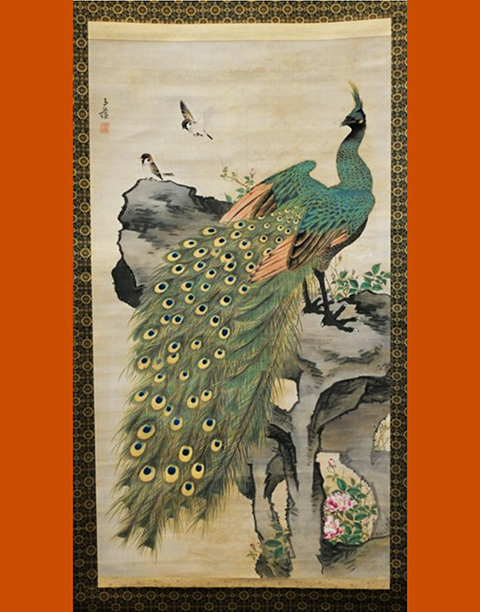
図は広島県尾道市で江戸期に活躍した平田玉蘊(ぎょくうん)の作品。
彼女は幕末期の尊皇思想家で倒幕の志士たちに強く影響を与えた頼山陽の「愛人」説が濃厚な女性。
わたしなどは戦後教育そのもので学んだ人間なので頼山陽という人物は知ることすらも無かった。それはかれの思想が戦前期の軍国主義教育でもっとも畏敬されていたことで、その反動から徹底的に排除されてきたことが大きいのでしょう。そういう「過激」思想家だけれど、ちょっと事跡を見てみると日本各地に「愛人」をウワサされる女性がいて、江戸末期という時代相の中で奔放な「自由恋愛」を生きていた人物と、なんとも人間的にユーモラスと感じさせられる。
いま、家系の歴史を跡づけながら考究しているけれどこの頼山陽が若い時期、福山藩の菅茶山の「廉塾」で2年間ほど「助教授」みたいな存在で、5-60年ほどの時間差でわが家系の当主(嫡子)が同じ塾で学んだ事実がわかってきた。そして思想的に頼山陽に強い影響を受けていたように思われるのです。
・・・そういえば1914年生まれの父と教育について話をしたときわたしは頼山陽などまったく知らないと話したら「え、学校で頼山陽を教えていないのか!」とわずかに怒気を含みながら驚いていた記憶がある。父はそういう話題には一切触れないタイプだったのですが、家系に思想的に「かぶれた」当主がいたことは自覚があったよう。あんまり触れたくないが、悪く取られるのもイヤだ、みたいな反応だった。
そういった江戸末期の世相を生きた当主は、ビジネス的には福山藩と連携する「政商」スタンスでありながら自分自身が学んだ学問としては尊皇攘夷側の思想を持っていたということ。そして一時は「学問で身を立てていた」という記述があるほどだった事実。徳川家親藩(福山藩)の政商的商家なのに、いわば身を引き裂かれるような心象風景だったのではと想像しています。
ビジネスでは大名用の宿泊施設・本陣の助役的立場であり庭が有名だった今津本陣の床の間にこうした掛け軸画を掛けていたかも知れない。倒幕側の薩摩藩が有力な「得意先」でもあったのです。
「おお、これがあの頼山陽が愛した女性の画風か・・・」(薩摩の殿様)
ちなみに福山藩はペリー来航時、幕府老中であった藩主を擁しながら、箱館戦争時には籠城した佐幕派・榎本武揚軍を攻撃する新政府側になっている。なかなか、であります。
お知らせ
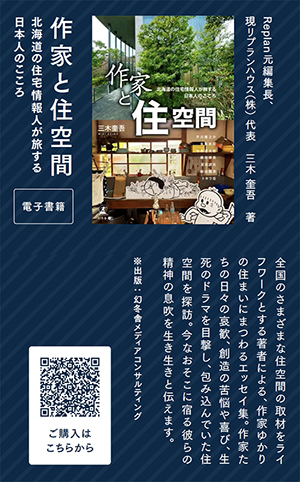
拙書「作家と住空間」幻冬舎から電子書籍で発刊
お求めはAmazonで。
https://amzn.asia/d/eUiv9yO
English version⬇
【Reflecting on the “Conflict” of Merchant Families Collaborating with the Shogun’s Loyal Clans During the Edo Period】
As merchants, they must have felt torn apart, torn between responding to political turmoil and their own “ideologies and beliefs.” …
The illustration depicts a work by Hirata Gyokun, who was active in Onomichi City, Hiroshima Prefecture during the Edo period.
She is the woman strongly rumored to have been the “mistress” of Rai Sanyo, a late Edo-period imperial loyalist thinker who profoundly influenced the anti-shogunate revolutionaries.
I, for one, was educated entirely under the postwar education system and knew nothing of Rai Sanyo as a figure. This is largely because his ideas were held in the highest reverence during the pre-war militarist education, leading to their thorough exclusion as a reaction. Though considered a “radical” thinker, looking at his deeds reveals he had women rumored to be his ‘mistresses’ across Japan. Living a free-spirited “free love” within the context of the late Edo period, he comes across as a rather humorous figure, humanly speaking.
I’m currently tracing and researching my family history. I’ve discovered that during his youth, this same Rai Sanyo served as a sort of “assistant professor” for about two years at the “Renshu” academy run by Suga Chazan of the Fukuyama domain. Roughly 50-60 years later, the head of my own family line (the legitimate son) studied at that very same academy. It seems he was strongly influenced by Rai Sanyo’s ideas.
…Come to think of it, when I discussed education with my father, born in 1914, and mentioned I knew nothing about Rai Sanyo, he reacted with surprise, tinged with slight irritation: “What? They don’t teach Rai Sanyo in school?!” My father was the type to avoid such topics entirely, but he seemed aware that a head of our family had been ideologically ‘obsessed’ with him. His reaction was like, “I’d rather not bring it up, but I also don’t want it taken badly.”
This head of the family, who lived through the late Edo period’s social climate, adopted a “political merchant” stance in business, collaborating with the Fukuyama domain. Yet, in terms of the scholarship he himself pursued, he held pro-imperial, expel-the-barbarians ideology. There are even records suggesting he once “made his living through scholarship.” I imagine it must have been a deeply conflicted state of mind for him – belonging to a political merchant family loyal to the Tokugawa shogunate (the Fukuyama domain), yet holding such opposing beliefs.
In business, he held an assistant role managing lodging facilities for daimyo, the honjin. He might have hung such a hanging scroll painting in the alcove of the famous Imazu Honjin, known for its garden. After all, the anti-shogunate Satsuma domain was also a powerful “client.”
“Oh, so this is the painting style of the woman beloved by Rai Sanyo…” (Lord of Satsuma)
Incidentally, the Fukuyama domain, while having a daimyo who was a senior councilor of the shogunate during Perry’s arrival, sided with the new government attacking the pro-shogunate forces led by Takeaki Enomoto who had barricaded themselves in Hakodate during the Hakodate War. Quite something, indeed.
Notice
My book “Writers and Living Spaces” published as an e-book by Gentosha
Available on Amazon.
共有:

Posted on 12月 5th, 2025 by 三木 奎吾
Filed under: 未分類



コメントを投稿
「※誹謗中傷や、悪意のある書き込み、営利目的などのコメントを防ぐために、投稿された全てのコメントは一時的に保留されますのでご了承ください。」
You must be logged in to post a comment.