本文へジャンプ

【旅のアタマからの日常復帰には一定の時間・・・】


 トータル8日間だった春旅から帰ってきて、キンピラゴボウを大量に作ったり孫の世話をしたりと、留守中の時間感覚と整合させて行くスイッチ切り替えには、一定時間が必要。いわば「日常感覚」と旅での感覚の違いがあって、その「調整」に脳内の切り替えが不可欠なのでしょう。
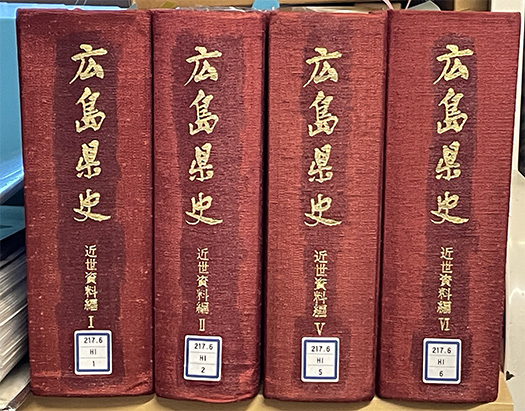
 わたしの場合、家系が絡んできた日本史・地方史の調査活動を著述の対象分野としてきているので、下の写真にあるような基本資料の精読調査が欠かせないのですが、さすがに即座に復帰とはならない。昨日は病院にも行く用事があって、整理整頓は本日目覚めてからようやく本格化。写真の資料もどうしても確認したい点があったので、この分厚い資料4冊を借りて丹念に点検するのですが、この資料の到着が帰札した当日21日だった。とりあえず借りるのに手続きをして36時間近く整理することも出来なかった。
 8日間の非日常からの復帰に丸2日近く掛かっていることになりますね。老化かなぁ・・・。
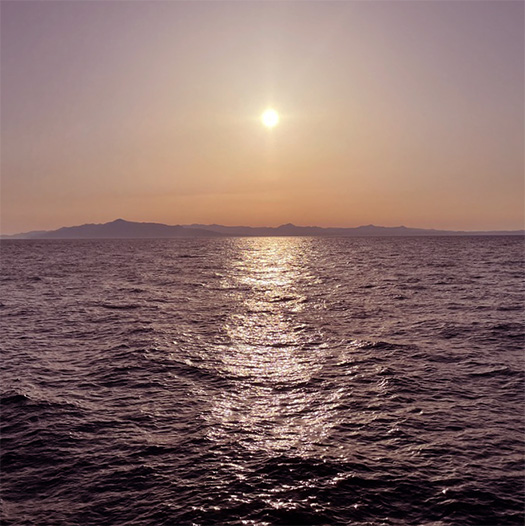
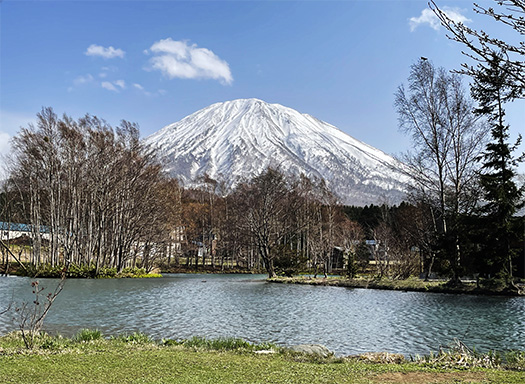
 上の写真は旅路の最後、ようやく帰って来たねと迎えてくれた羊蹄山。今回の旅路では大好きな山として、岩手山が長い時間見守ってくれていました。また岩木山の方はほとんど雲の中で、ときおり「探していたっしょ(笑)」と顔を覗かせてくれる程度。また、道南の駒ヶ岳も近づいてからクッキリと見えていた。北東北〜札幌までの道のりにはこうした山並みが顔を見せてくれる。
 日本人ってご近所の山並みと会話し続けてきた民族なのでしょうが、札幌はどうもこういう独立火山系の様相ではなく日本アルプス的な「連山」系の山並みですね。富士山が大好きなのが日本文化の母体だとすれば、札幌以北はすこし違いがありますね。ただ、関西圏から中国四国は連山系とも思える。
 ・・・こんなあたりから、歴史系探訪の世界に復帰していきたいと思います。カラダの感覚もかなり復元してきたので、頑張りたいと思います。

●お知らせ
拙書「作家と住空間」幻冬舎から電子書籍で発刊
お求めはAmazonで。
https://amzn.asia/d/eUiv9yO
English version⬇

[It takes a while to get back into the swing of things after a trip…]
It seems I need to go through quite a few steps to flip the switch in my head. I wonder if this is just a mental phenomenon of aging…

 I’ve returned from my spring trip, which lasted a total of eight days. Whether it’s making a large batch of kinpira gobo or looking after my grandchild, it takes some time to adjust my mindset and realign it with the sense of time that existed while I was away. In other words, there’s a difference between my “sense of daily life” and the sensation I experienced while traveling, and this “adjustment” likely requires my brain to switch gears.
 In my case, since my research and writing focus on Japanese and regional history—which involves my family lineage—it’s essential to carefully read and analyze primary sources like the ones shown in the photo below. Naturally, I can’t get back into the swing of things immediately. I had to go to the hospital yesterday, so I didn’t really get started on organizing things until I woke up today. There were some points in the materials in the photo that I absolutely needed to verify, so I borrowed these four thick volumes to examine them carefully—but they didn’t arrive until the 21st, the very day I returned to Sapporo. It took nearly 36 hours just to go through the borrowing procedures, so I couldn’t even begin organizing them.
It seems it’s taking me nearly two full days to return to normal after eight days of being away from my usual routine. Maybe I’m just getting old…
 The photo above shows Mt. Yotei, which welcomed me back at the end of my journey, as if to say, “You’re finally home.” During this trip, Mt. Iwate, one of my favorite mountains, watched over me for a long time. Mt. Iwaki, on the other hand, was mostly hidden in the clouds, only occasionally peeking out as if to say, “You were looking for me, weren’t you? (laughs).” Also, Mt. Komagatake in southern Hokkaido only became clearly visible once I got close. Along the route from Northern Tohoku to Sapporo, mountain ranges like these make their appearance.
I suppose the Japanese are a people who have long conversed with the mountain ranges in their neighborhood, but Sapporo doesn’t really have the look of these isolated volcanic peaks; instead, it has a “mountain range” landscape reminiscent of the Japanese Alps. If the love for Mount Fuji is the foundation of Japanese culture, then the area north of Sapporo is a bit different. That said, the Kansai region through to the Chugoku and Shikoku regions also seem to form a continuous mountain range.
 …Starting from around here, I’d like to return to the world of historical exploration. My physical condition has recovered quite a bit, so I’m going to do my best.

● Announcement
My book, “Writers and Living Spaces,” has been published as an e-book by Gentosha.
Available on Amazon.
 

【総走行距離1,600km超。観桜クルマ旅帰還】


 さて14日から始まった今回の「観桜」自家用車旅、昨日無事に帰還できました。
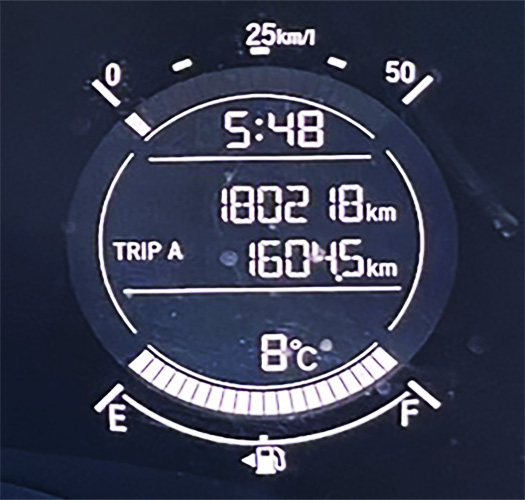
 前期高齢者ながら、18歳になって免許を即取得して「行動の自由」を人生の基盤とさせていただいてきた人間としては、日頃から慣れ親しんでいるクルマであちこち移動できるのはウレシイ。ちょうどオイル交換してすぐの出発だったのでメーターをゼロ戻ししていたので、今回の走行距離は写真の通り。
 たしか日本列島は南北に3,000kmと記憶していましたが、(☜ほぼ正確)その半分超を1週間ほどで完走してきた計算になる。1日あたりだと230km弱。南は平泉の「中尊寺」地域まででの行程。さすがに昨日の最後の函館からは、ほぼまっすぐに自宅まで帰還。帰る前に食材の買い出しもしてきました。やはり外食やホテル食などばかりで、自分で料理するというのは、いかに楽しく、また、食材選びなどで工夫も出来るというよろこびの営為なのだと痛感させられますね。
 とくにわたしは、味噌汁についてどうも独特に出汁を取っているようで、外食では好みの味噌汁にはなかなか巡り会えない。加齢してくると、こういう部分に「生き方の個性」が表現されてくるのでしょうね。知人のなかには世界一周みたいな旅路を楽しまれる方もいますが、まぁ好み次第なのかなぁ・・・。
 昨日帰ってから夫婦とも問わず語りで味噌汁とか、キンピラゴボウとか、調理合戦(笑)。
 キンピラはわたしの完勝で、こどもたちの分も含めて大量調理。たぶん10日分は造作。
 それとさらにわが家では十二穀ほどのご飯を食していますが、こういうのも旅先で食するのは難しい。
 健康で元気よくあちこち探訪して回るためには、毎日の家での食生活が超大切というパラドクス(笑)。
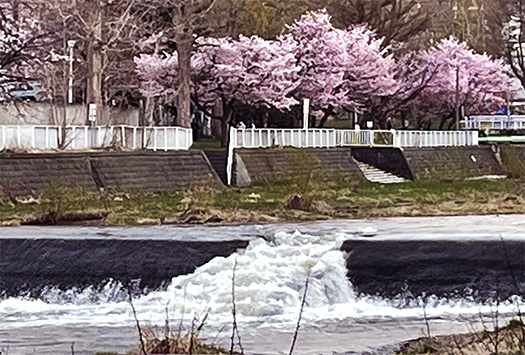
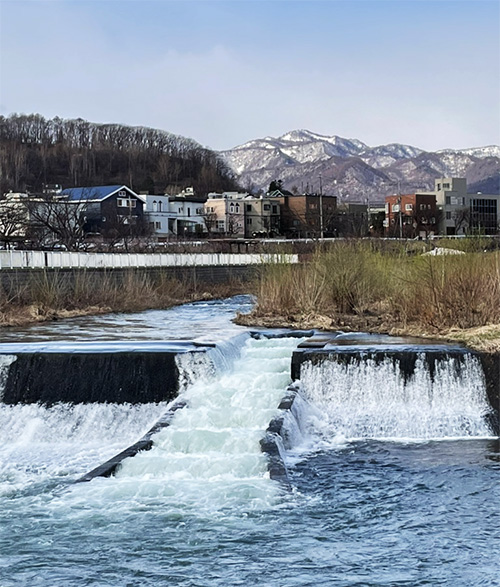
 今回は「観桜」という目的での旅路でしたが、留守中にサクラ前線はついにわが家周辺、札幌にも到達してくれたようで、写真のような「雪融けの河川増水とサクラ」が迎えてくれておりました。
 それと、ちょうど津軽海峡を渡った後に、地震がニュースに飛び込んできた。被害にあわれた地域のみなさんのご無事を祈念いたします。わたしどもは間一髪、北海道上陸後でした。
 さて本日から通常のくらし。懸案事項にあたって参りたいと思います。

●お知らせ
拙書「作家と住空間」幻冬舎から電子書籍で発刊
お求めはAmazonで。
https://amzn.asia/d/eUiv9yO

English version⬇

[Total mileage: Over 1,600 km. Back from a cherry blossom road trip]
When I returned to Sapporo—where the cherry blossoms hadn’t bloomed yet—Sakura greeted me with, “Where have you been?” (lol). I’m back to my daily routine with renewed energy and ready to tackle the tasks at hand. …

 Well, I safely returned yesterday from this “cherry blossom viewing” road trip, which began on the 14th.
Although I’m now in my early 60s, I’ve always considered “freedom of movement” to be the foundation of my life—having gotten my driver’s license immediately upon turning 18. So, being able to travel here and there in the car I’m so familiar with is a real joy. Since I’d just had an oil change right before setting off, I’d reset the odometer, so the total mileage for this trip is as shown in the photo.
 I believe the Japanese archipelago stretches about 3,000 km from north to south (☜ pretty much accurate), so that means I covered a little over half of that distance in about a week. That works out to just under 230 km per day. The route took me as far south as the Chuson-ji Temple area in Hiraizumi. Naturally, from Hakodate—the final stop yesterday—I headed almost straight back home. I also stopped to buy groceries before returning. It really drives home how much fun it is to cook for myself, rather than relying solely on eating out or hotel meals, and how much joy there is in being creative with ingredient selection.
 I seem to have a particularly unique way of making dashi for my miso soup, so I rarely come across miso soup to my liking when eating out. As you get older, I suppose these little details start to reflect your “personal style of living.” Some of my acquaintances enjoy traveling around the world, but I guess it really just comes down to personal preference…
After getting home yesterday, my wife and I had a friendly cooking competition (lol) over dishes like miso soup and kinpira gobo.
 I won the kimpira battle hands down, so I cooked a massive batch—enough for the kids too. Probably enough for 10 days.
Also, we eat rice mixed with about 12 different grains at home, but that’s another thing that’s hard to find when traveling.
It’s a bit of a paradox: to stay healthy and energetic enough to explore all over the place, your daily diet at home is absolutely crucial (lol).
 This trip was intended for “cherry blossom viewing,” but while we were away, the cherry blossom front finally reached our neighborhood in Sapporo, and we were greeted by the scene in the photo: “rising river waters from melting snow and cherry blossoms.”
Also, right after we crossed the Tsugaru Strait, news of an earthquake broke. I pray for the safety of everyone in the affected areas. We were just in the nick of time—it happened right after we landed in Hokkaido.
 Well, starting today, it’s back to our normal routine. I’d like to get to work on the pending matters.

● Announcement
My book, “Writers and Living Spaces,” has been published as an e-book by Gentosha.
Available on Amazon.
 

【シラフラ海岸で見えてきた“時代相”】


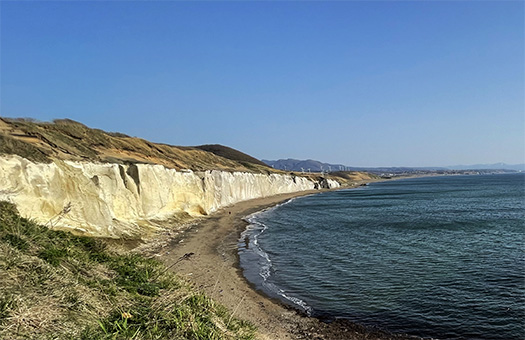
 北海道に戻って来て道南の観桜周遊で、昨日は松前でいつものように観桜。そのあとで、先日北海道新聞のWEB版で掲載されていた道南乙部の「シラフラ海岸」を知って探訪しておりました。
 たぶんわたしたち年代の「紙の新聞」しか知らずに育った年代には、このような局地域的な情報を知ることはほとんどなかったように思えた。紙の新聞だけでのマーケティング的な「限界性」に気付かされた地域オールドメディアのチャレンジのなかでわたしには「初めて知らされた」情報でした。そのような試みには「経験知の再統合」のような側面を感じて、好感を持っていた。
 で、実際に訪れてみて、いくつかの気付きがあった。
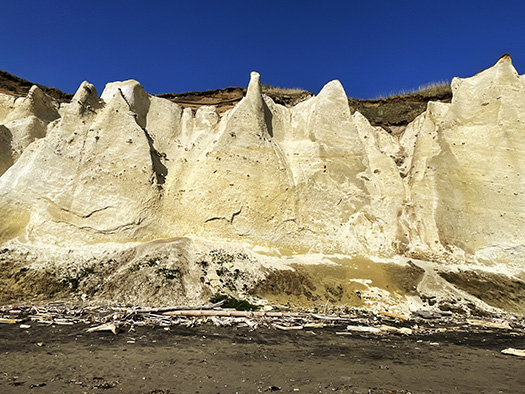
 あ、シラフラ海岸というのは、約500万年前に火山から噴出した「軽石」が海底に積層して出来た地層で、それがさらに隆起してできたものとの説明でした。

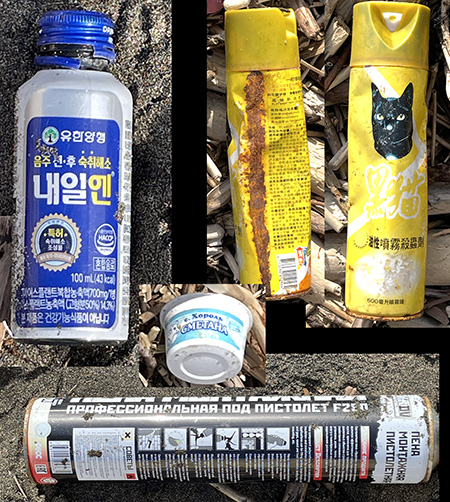
 わたしが強く興味を持ったのは、日本海側海岸線にずっと連続してきている「海岸ゴミ」。この写真はそのなかで対岸側からの漂着物のいくつかをピックアップしたもの。ロシア語・韓国朝鮮語・中国語の生活廃棄物とおぼしき現代生活具が点在していた。
 こうした海洋性廃棄物の全地球的広がりは環境問題視されてから久しいけれど、今回、わたしは自分自身の体験として実体験する機会を得たのですね。
 これらの廃棄物は現代生活上、完全に停止させることは不可能なのではないか。日本社会であれば、徐々にゴミ廃棄のルール化の徹底で極小化させられるかもだけれど、人類社会一般にそのような「倫理的対応」を求めることは事実上、不可能なのではないかという「気付き」。
 百年河清を俟つという中国由来の熟語があるけれど、意味は「常に濁っている黄河の水の澄むのを百年もかかって待つの意。いつまで待っていても実現のあてのないことをいう」。
 シラフラ海岸は地球時間的な火山活動の結果でしょうが、人新世という「時代相」はこの漂着ゴミのような「地層」を形成して行くことになるのでしょうか。未来の知性はどう受け止めるだろうか?
 わたしは不思議と怒りとかとは別の、いわば興味深い「生命現象」として見させていただいていた。
 たぶんこれは「人間の性〜さが」であって、倫理感が及ぶものではないだろうと見切っているのだろうか。「案外こういうゴミの地層が形成されて、将来面白がってシラフラ地層と対比する」というような「やさしい」母性にも似た想像を巡らさせられていた。・・・

●お知らせ
拙書「作家と住空間」幻冬舎から電子書籍で発刊
お求めはAmazonで。
https://amzn.asia/d/eUiv9yO

English version⬇

[The “Signs of the Times” Revealed at Shirafura Beach]
Household waste continues to wash up on a coastline formed by global volcanic activity 5 million years ago—the result of modern “Anthropocene activity.” The terrifying notion that this waste is becoming “stratified”…

 I’ve returned to Hokkaido and am touring the southern part of the prefecture to view the cherry blossoms. Yesterday, I went to Matsumae to see the blossoms as usual. Afterward, I decided to visit “Shirafura Coast” in Otabe, southern Hokkaido, which I had recently learned about from the Hokkaido Shimbun’s online edition.
 I suspect that for people of our generation—who grew up knowing only “print newspapers”—it was rare to come across such localized, regional information. This was information I was “learning about for the first time” amidst the challenges faced by local traditional media as they realized the “limitations” of marketing through print alone. I felt a sense of “reintegration of experiential knowledge” in such efforts and viewed them favorably.
So, after actually visiting the site, I had a few realizations.
 Ah, I was told that Shirafura Coast was formed from layers of “pumice” that erupted from a volcano about 5 million years ago and accumulated on the seabed, which then rose to form the land.

 What really caught my attention was the “beach trash” that stretches continuously along the coastline facing the Sea of Japan. This photo shows a selection of debris washed ashore from the opposite shore. Modern household items—likely household waste—in Russian, Korean, and Chinese were scattered about.
Although the global spread of this marine debris has long been recognized as an environmental issue, this time I had the opportunity to experience it firsthand.
 Is it not impossible to completely eliminate this waste from modern life? In Japanese society, it might be possible to minimize it through the gradual and thorough enforcement of waste disposal rules, but I realized that it is practically impossible to demand such “ethical behavior” from human society in general.
There is a Chinese idiom, “waiting a hundred years for the Yellow River to run clear,” which means “waiting a hundred years for the waters of the Yellow River, which are always murky, to clear. It refers to something that will never come to pass no matter how long one waits.”
The Shirafura Coast is likely the result of volcanic activity on a geological timescale, but will the “Anthropocene” era end up forming “strata” like these washed-up trash deposits? How will future intelligences perceive this?
Strangely enough, I found myself viewing it not as a source of anger, but rather as a fascinating “phenomenon of life.”
 Perhaps I have resigned myself to the fact that this is simply “human nature” and lies beyond the reach of ethical judgment. I found myself indulging in a “gentle,” almost maternal imagination, thinking, “Perhaps such layers of trash will form, and in the future, people will find it amusing to contrast them with the Shirafura strata.” …

● Announcement
My book, “Writers and Living Spaces,” has been published as an e-book by Gentosha.
Available on Amazon.

【東北から北海道へ帰って来たぜ、土地と望郷感】


 さて、サクラを追う旅、昨日フェリーで北海道に上陸いたしました。帰還であります。
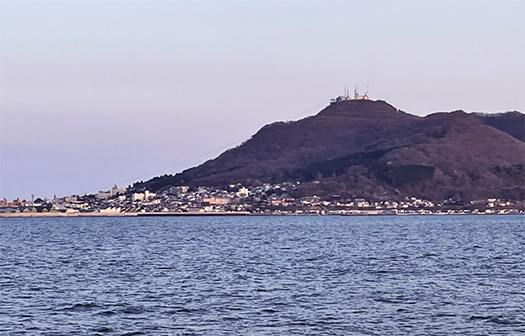
 函館は毎年必ず花見に来ているし、非常に縁が深かった母の弟、叔父が永く住んでいた土地なので札幌以外の北海道の都市としては馴染みがもっとも深い。なので「帰って来た」感がいつも強い。加齢するほどにこうした「思い」というのは深まってくる。
 土地と人間の関係性というものについて、この叔父とのことが忘れられない。
 いまはもう世を去っているけれど、叔父からわたしは「養子」として望まれていた。母からそのことについて強い決意と共に、正面から見つめられて問われたとき、末っ子のわたしは、生きてきていちばん強烈な内発の言葉として「拒否」していた。「いやだ、絶対に!」と。
 その瞬間の強烈な「内発」ぶりはいまでも体感としてカラダが記憶している。叫び声。
 しかし同時に、叔父に対しては深い「縁」を感じさせられていた。
 日本社会で近しい縁戚関係においての養子縁組ということは、いわば民族の「知恵」習俗として繰り返されてきた。たぶん多くの兄姉のいる家とそうではない血縁関係のなかでは、こうした習俗はごく普通のものとしてあったのだと思う。当然だろう。子宝に恵まれなかった人間として、せめて肉親・姉の末の子をと願う心情は痛いほどにわかる。そのときから叔父のことは血肉化されてきていたのだと思う。その深い願いがひしひしとわかる。叶わなかった近しい縁の人間の心の奥底からの地鳴り。
 その後の人生で「もし違う人生があるとすれば」と考えるとき、いつもこのことが原点だった。
 そして多くの近親者・母も父も叔父も世を去ってきて、残される「土地・空間と人間」のようなものの重たい「かさなり」としてこの函館の地のことが強く残響し続けている。不思議な結節点感覚。
 いまはただただ「懐かしい」と思えてならない。もちろんふりかえって違う人生を生きたかったということではなく、ただただ懐かしく感じられるのだ。人間のこころというものは、さまざまな生き様をその舞台としての土地・空間に刻みつけて感じるものかも知れない。
 人間と空間というものとのはるかな旅路は、まだまだ続いていく。

●お知らせ
拙書「作家と住空間」幻冬舎から電子書籍で発刊
お求めはAmazonで。
https://amzn.asia/d/eUiv9yO

English version⬇

[Back from Tohoku to Hokkaido: The Land and a Sense of Nostalgia]
It is the intertwining of human connections that makes me feel I have truly returned. The lingering echoes of the cries of various ways of life—“land, space, and people.” …

 Well, on my journey in pursuit of the cherry blossoms, I arrived in Hokkaido by ferry yesterday. I have returned.
I come to Hakodate every year for cherry blossom viewing, and since it’s the place where my mother’s younger brother—my uncle, with whom I shared a very deep bond—lived for many years, it’s the Hokkaido city I feel most familiar with, aside from Sapporo. That’s why I always have a strong sense of “coming home.” As I grow older, these kinds of “feelings” only deepen.
When it comes to the relationship between a place and a person, I can’t forget what happened with this uncle.
 He has since passed away, but my uncle had wanted me to be his “adopted son.” When my mother looked me straight in the eye with unwavering resolve and asked me about it, I—the youngest child—rejected the idea with the most intense, spontaneous words I had ever uttered in my life: “No, absolutely not!”
My body still physically remembers the intensity of that spontaneous reaction from that moment. A scream.
 Yet at the same time, I felt a deep “bond” with my uncle.
In Japanese society, adoption within close family ties has been repeated as a kind of traditional “wisdom” or custom. I imagine that in families with many older siblings—or in the absence of such blood ties—this custom was considered perfectly ordinary. It stands to reason. As someone who was not blessed with children, I understand all too well the heart-wrenching desire to at least have the youngest child of a blood relative—my sister. I think that from that moment on, my uncle became a part of my very being. I can feel that deep longing acutely. It is the rumbling from the depths of the heart of a close relative whose wish went unfulfilled.
In the rest of my life, whenever I thought, “If there were a different life,” this was always the starting point.
 And as many close relatives—my mother, father, and uncle—have passed away, this place, Hakodate, continues to resonate strongly within me as a heavy “layering” of “land, space, and people.” It feels like a mysterious point of convergence.
Now, I simply cannot help but feel “nostalgic.” Of course, this isn’t to say that, looking back, I wish I had lived a different life; I simply feel a deep sense of nostalgia. Perhaps the human heart is something that feels and imprints various ways of living onto the land and space that serve as their stage.
The long journey of humans and space continues on and on.

● Announcement
My book, “Writers and Living Spaces,” has been published as an e-book by Gentosha.
Available on Amazon.


【経済効果1兆3,878億円(2025年) サクラ文化“世界化”】


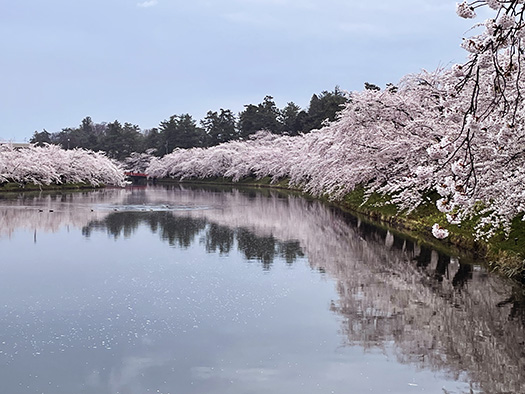
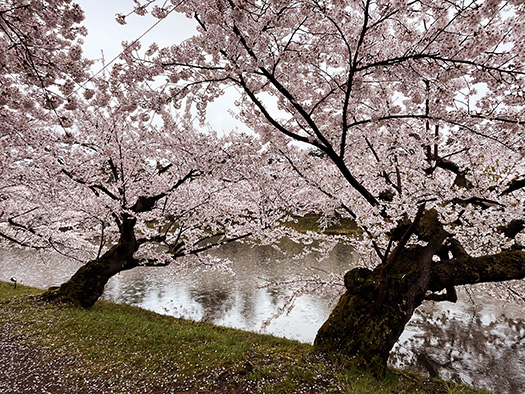
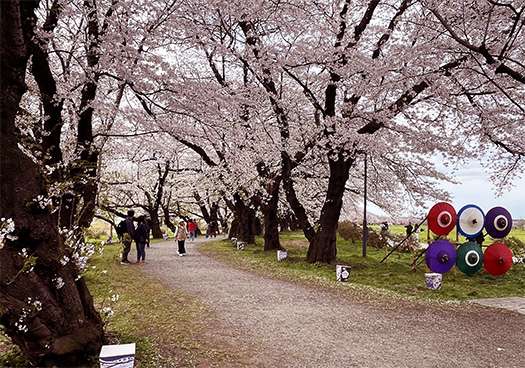
 写真は昨日の「観桜スポット」弘前城周辺のサクラのトンネル。
 今回の北東北観桜旅で気付くのはインバウンドの多さ。ときに周囲から日本語が聞かれなかったりする。これまでも京都などでスポット的に盛り上がってはいたけれど、北東北などではごくマレだった。
 この調子で行ったら、函館五稜郭や松前さらには二十間道路など北海道内の観桜スポットまでインバウンドが押し寄せてくるのだろうかと、やや驚かされる。で、宿泊ホテルロビーは海外人に独占されている。やむなく片言イングリッシュ+表情付き北海道弁で応答しているけれど、笑いながら多少はコミュニケーションになる。とくに北海道弁の不明ぶりは、かえって好評のように勝手に思える(笑)。
 きのうの弘前は時折強い雨に見舞われるコンディションだったので、早めに戻ってWEBで調べてみたら、関西大学 宮本勝浩名誉教授が2025年のお花見の経済効果を約1兆3,878億万円あまりと分析との情報に接した。さらにAIに「日本の観桜文化は世界にどのように波及するか?」と質問すると,以下の概要返答。
 ◎巨大な経済圏の創出(インバウンド効果)
 ◎世界への波及とブランド化
 ◎新たな課題:オーバーツーリズムの発生〜というような3ポイントでのまとめ。
 円安状況からインバウンドの増加趨勢は加速しているけれど、このことは観桜文化そのものがどのように「世界化」していくのか、という位相の視点も生み出すのかも。その分析のためにはインバウンドの心理「市場分析」が不可欠だが、それはどのように調査可能かと深掘りされつつあるに違いない。
 上の3つのポイントのなかでわたし自身は2番目のポイントが気になる。要するに観桜という日本オリジナルと思える文化現象が、本当に世界標準になっていくのだろうか、という点。1と3はそれこそ目先部分なので、長期的にはこれが核心的部分。
 このポイントではわたしたち自身の「価値観」の基底的分析が必要。なぜ、わたしたちはこんなにもサクラに惹かれ続けているのか?それこそ「コノハナサクヤ姫」の古代からの感受性解析を迫られてくるのだと思う。写真はわたしが「いいなぁ」と思ったサクラ風景だけれど、観桜スポットではそれぞれの人がそれぞれの「美感」に即して撮影している。
 サクラ画像の全日本人的深層分析。日本人的な感受性自体が徹底解析される必要性。

●お知らせ
拙書「作家と住空間」幻冬舎から電子書籍で発刊
お求めはAmazonで。
https://amzn.asia/d/eUiv9yO

English version⬇

[Economic Impact: 1.3878 Trillion Yen (2025) – The “Globalization” of Cherry Blossom Culture]
An in-depth analysis of the “culture of cherry blossom appreciation,” deeply rooted in the Japanese psyche. If this culture were to become a global standard, what exactly would be globalized? …

 The photo shows the cherry blossom tunnel around Hirosaki Castle, a popular “cherry blossom viewing spot” from yesterday.
What strikes me on this cherry blossom viewing trip through Northern Tohoku is the sheer number of international tourists. At times, I don’t even hear any Japanese spoken around me. While there have been pockets of popularity in places like Kyoto in the past, this was extremely rare in areas like Northern Tohoku.
 If this trend continues, I’m a bit surprised to think that inbound tourists might even start flocking to cherry blossom spots in Hokkaido, such as Hakodate’s Goryokaku, Matsumae, and the Nijukan Road. As a result, the lobby of my hotel is completely taken over by foreign visitors. I’m forced to respond with broken English mixed with expressive Hokkaido dialect, but we manage to communicate a bit while laughing. I even get the feeling that my clumsy Hokkaido dialect is actually quite popular (lol).
 Yesterday in Hirosaki, we were hit by occasional heavy rain, so I returned early and looked it up online. I came across information stating that Professor Emeritus Katsuhiro Miyamoto of Kansai University had analyzed the economic impact of cherry blossom viewing in 2025 to be approximately 1.3878 trillion yen. Furthermore, when I asked an AI, “How will Japan’s cherry blossom viewing culture spread worldwide?” it provided the following summary:
 ◎ Creation of a massive economic zone (inbound tourism effect)
 ◎ Global spread and branding
 ◎ New challenge: The emergence of overtourism — a summary in three points like that.
 While the trend of increasing inbound tourism is accelerating due to the weak yen, this might also give rise to a perspective on how the culture of cherry blossom viewing itself will “globalize.” To analyze this, a “market analysis” of inbound tourists’ psychology is essential, and I’m sure researchers are already delving into how to conduct such a study.
Among the three points above, I’m personally most interested in the second one. In short, will cherry blossom viewing—a cultural phenomenon that seems uniquely Japanese—truly become a global standard? Points 1 and 3 are merely superficial aspects; in the long term, this is the core issue.
This point requires a fundamental analysis of our own “values.” Why do we continue to be so drawn to cherry blossoms? I believe this compels us to analyze the sensibilities that have existed since ancient times, as embodied by “Princess Konohanasakuya.” The photo is a cherry blossom scene I found particularly lovely, but at cherry blossom viewing spots, each person takes photos based on their own sense of beauty.
A deep analysis of cherry blossom imagery from a pan-Japanese perspective. The need for a thorough analysis of Japanese sensibilities themselves.

● Announcement
My book, “Writers and Living Spaces,” has been published as an e-book by Gentosha.
Available on Amazon.


【現代文明はどのように「廃墟」になるのか?】


 北東北の観桜夫婦旅。マイカー「平常運転」なので興味分野は自由気ままに拡散(笑)。 
 前宿泊地・紫波の東北道ICから秋田県の観桜スポット・角館に向かったのですが、途中「田沢湖」経由での途次。峠近くで危険な場所から山並み撮影している人に吊られ、その先の平坦地スポットに停車した次第。名前もよく知らない。
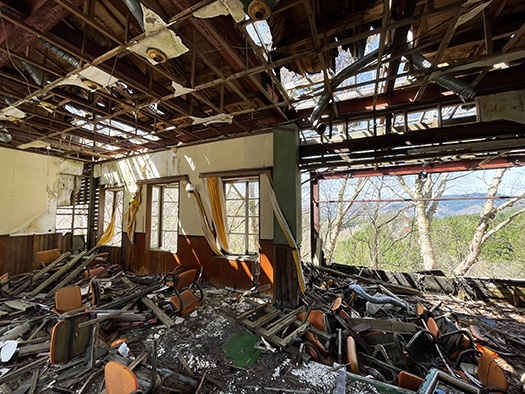
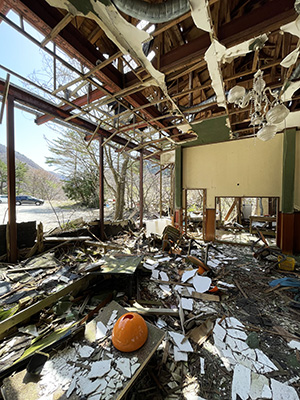
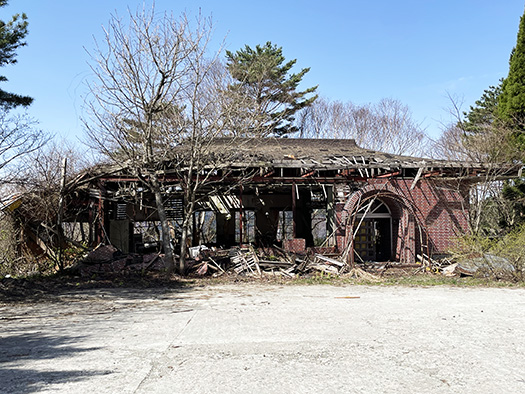
 単純に危険を顧みず写真撮影しているくらいだから、眺望がすばらしいに違いないと思えたのですが、駐車してみると目の前に「廃墟」化したモダン「峠の茶屋」廃屋。
 わたしの密かな「数寄」に、建築の機能用途破綻の結果での「廃屋」探究があり、そのポイントが刺激されてしまった。
 「どうしてこの建築は破綻に至ったのだろうか」と謎解き探偵心理がムクムクと立ち上ってきてしまう。建築数寄の一部には、こういう人間性領域があるのだと思う。
 巨視的には日本は江戸期の3,000万人口から明治の開国を越えて6,000万人人口社会に移行し、さらに現代日本は戦後以降の人口増加によって、1億2,000万人口時代まで変容してきた。
 その高度成長期を超えてきて、いまは
 1 このまま成長を維持するために「移民受け入れ」に移行するか?
 2 それとも低成長での成熟型ニッポン独自社会を選択するか?
 大きくは、そういう時代の分岐点に立ち至っているのでしょうか。
 この社会変容のなかでさまざまな「投資」がある。秋田県田沢湖への岩手県方面からの「観光流入」増加を展望して田沢湖直前の眺望スポットにドライブの「ひと休み」需要を見込み、モダンな飲食施設・外壁レンガ調のレストラン建築を企図したのだろう。
 それが、どのような経緯でか、このような破綻に立ち至った痕跡。
 で、現代建築としての破綻ぶりが目に飛び込んでくる。興味深く観ていたら危険箇所で写真撮影していた高齢の方がこちらに声掛けしてきた。なんでもインスタグラマーとして5,000フォロワーを持っていると最初に自慢げに話しかけてこられていた。別に聞いていませんが(笑)。
 「廃屋、面白いですか?」
 まぁ前述の「解析」がマーケティング的試みだろうけれど、と。そこからだんだんと表題テーマに興味が展開してくる。現代文化もやがて廃墟になっていくとすれば、どういうカタチになっていくのかと。
 拡散しすぎかなぁ・・・。

●お知らせ
拙書「作家と住空間」幻冬舎から電子書籍で発刊
お求めはAmazonで。
https://amzn.asia/d/eUiv9yO

English version⬇

[How Does Modern Civilization Become a “Ruined City”?]
A certain architectural quirk: a fondness for abandoned buildings. The feeling of the reality of decay sinking into one’s heart. Is this a “view of impermanence” reminiscent of *The Tale of the Heike*? The sense of impermanence in commercial buildings where cost-effectiveness is the top priority. …

 A couple’s cherry blossom viewing trip through Northern Tohoku. Since we were driving our own car and taking it easy, our interests wandered freely (lol).
We headed from the Tohoku Expressway IC in Shiwa—where we’d stayed the night before—to Kakunodate, a cherry blossom spot in Akita Prefecture, but took a detour via Lake Tazawa along the way. Near a mountain pass, we were drawn in by someone photographing the mountain range from a dangerous spot, so we pulled over at a flat spot further ahead. I didn’t even know the name of the place.
Since they were taking photos without a second thought for their safety, I figured the view must be spectacular. But when we pulled over, right in front of us stood the ruins of a modern “mountain pass teahouse”—a derelict building.
One of my secret passions is exploring “ruins”—structures that have fallen into disrepair due to the failure of their original function—and this sight immediately piqued my interest.
 A detective-like curiosity began to bubble up within me: “Why did this building come to such a state of ruin?” I believe this kind of human element is part of the fascination with architecture.
 From a macro perspective, Japan transitioned from a population of 30 million during the Edo period to a society of 60 million after the Meiji Restoration and the opening of the country, and modern Japan has further transformed into a society of 120 million people due to post-war population growth.
Having moved beyond that period of rapid economic growth, we now face a choice:
1. Should we shift toward “accepting immigrants” to maintain this level of growth?
 2. Or will we choose a mature, low-growth society unique to Japan?
Broadly speaking, have we reached such a turning point in history?
Amid this social transformation, there are various forms of “investment.” Anticipating an increase in “tourist influx” from the Iwate Prefecture area to Lake Tazawa in Akita Prefecture, and expecting demand for a “rest stop” for drivers at a scenic spot just before the lake, they likely planned a modern dining facility—a restaurant with brick-style exterior walls.
 Yet here are the traces of how, for whatever reason, this project ended in such failure.
And the sheer failure of this modern architecture immediately catches the eye. As I was observing it with interest, a person who had been taking photos in a dangerous spot called out to me. He proudly introduced himself, boasting that he was an Instagrammer with 5,000 followers. Not that I asked (laughs).
 “Do you find abandoned buildings interesting?”
Well, I suppose the “analysis” I mentioned earlier was likely a marketing ploy. But from there, my interest gradually shifted to the theme of the title. If modern culture is eventually destined to become ruins, what form will it take?
Am I getting too off track here…?

● Announcement
My book, “Writers and Living Spaces,” has been published as an e-book by Gentosha.
Available on Amazon.

【 懐かしのオガールINN/全体構想はみかん組竹内昌義氏】


 さて今回の旅路はカミさんの企画立案。・・・って、すべてがそうなんですが(笑)。
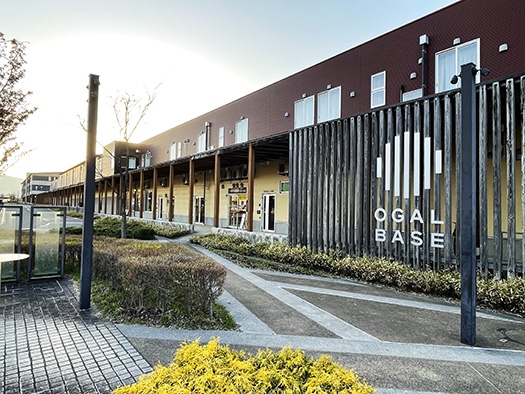
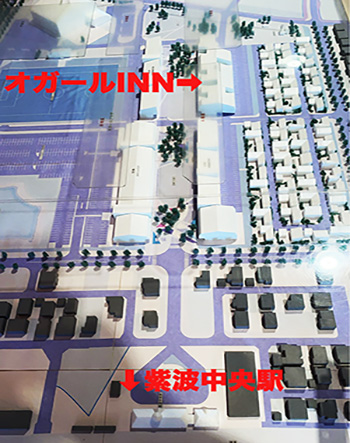
 旅程の大枠はすべてそれに従っております。で、宿泊ホテルの選定はすべておまかせ。そういうなかで今回2日間は東北道にほど近くてクルマで東北中をあちこち飛び回るのにその真ん中あたりということで、紫波中央駅に近いオガールINNを選定していた。「あ、オガールINNって、なんか聞いたことある・・・あ、昔、行ったことがある」と思い出していた。そうなんです、知人の建築家で設計ユニット・みかん組の竹内昌義氏が関与した建築構想の関連施設。2014年7月に建設され岩手県紫波町の公民連携プロジェクト(オガールプロジェクト)の一環として建設されたもので興味を持って訪れていた。 <オガールインは、近隣のオガールプラザ(2012年6月オープン)に続く、同プロジェクトの主要施設として整備されました。>というブログ記事を書いていた記憶がある。
 「あ、けっこう印象良かったよ」という返答をしていた。ただ加齢によって詳しくは忘却(笑)。
 ということなのでカミさんはほとんど忘れていたようなのでまったくの偶然。前述したような条件からコスパを含めて選定したのでしょう。いい判断。
 疲れきって即ベッドでバタンキューして宿泊の15日夜には書けませんでしたが、昨日16日はちょっと早めに帰って来て周辺をも散策。当時は建築にだけ集中していた取材だったのですが、今回はまったくの来訪・宿泊者目線。2018/11/08には当ブログ記事でも書いている。
 「紫波での暮らしを豊かにするというコンセプトで選ばれたテナントとその必要面積の表からスタートした。(中略)作りたいプログラムから建築全体の面積を割り出した。求められた防災性をRC壁式構造のメインボリュームで満たしつつ、木造アーケード部分とその縦長窓の反復が広場への表情ともなり、オガールプラザからオガール保育園への連続性を確保できた。高断熱気密性能や Low-Eペアガラス樹脂サッシなどによりサステナビリティを考慮しながら、効果的に開口を取ることで、抜けのある空間を実現している。」というのが竹内昌義氏の企画趣旨。
 時間超越型の「旅路」には大変ふさわしい偶然の積み重なりであります(笑)。涅槃感。

●お知らせ
拙書「作家と住空間」幻冬舎から電子書籍で発刊
お求めはAmazonで。
https://amzn.asia/d/eUiv9yO

English version⬇

[The Nostalgic Ogall Inn / Overall Concept by Masayoshi Takeuchi of Mikan-gumi]
The central hub of my cherry blossom-viewing journey through Tohoku—selecting a hotel based on functionality and value for money… a series of serendipitous events. A sense of nirvana…

 Well, this trip was planned by my wife. Though, to be honest, that’s usually the case (laughs).
The general outline of the itinerary follows her plan entirely. As for the hotels, I left the selection entirely up to her. With that in mind, she chose the Ogall Inn, located near Shiwa Chuo Station, because it’s close to the Tohoku Expressway and right in the middle of the region—perfect for driving around all over Tohoku for two days. “Ah, Ogall Inn… I feel like I’ve heard that name before… Oh, I’ve actually been there before,” I recalled. That’s right—it’s a facility related to an architectural concept involving Masayoshi Takeuchi, an architect I know who is part of the design unit Mikan-gumi. It was built in July 2014 as part of a public-private partnership project (the Ogall Project) in Shiwa Town, Iwate Prefecture, and I had visited it out of interest. I recall writing a blog post that said, “Ogall Inn was developed as a major facility of the same project, following the nearby Ogall Plaza (opened in June 2012).”
I remember replying, “Oh, I actually had a pretty good impression of it.” But due to old age, I’ve forgotten the details (lol).
 Since my wife had apparently forgotten all about it, this was a complete coincidence. Given the conditions I mentioned earlier, she must have chosen it based on value for money. Good call.
I was so exhausted that I collapsed into bed immediately and couldn’t write anything on the night of the 15th, but yesterday, the 16th, I came home a little early and took a stroll around the area. Back then, my visit was purely for reporting, focused solely on the architecture, but this time, I was purely a visitor and guest. I also wrote about this in a blog post on November 8, 2018.
 “We started with a table listing the tenants selected based on the concept of enriching life in Shiwa and their required floor areas. (Omitted) We calculated the total floor area of the building based on the programs we wanted to create. While meeting the required disaster resilience through the main volume’s reinforced concrete wall structure, the wooden arcade sections and the repetition of their vertical windows also create a dynamic facade facing the plaza, ensuring continuity from Ogall Plaza to Ogall Nursery School. “By considering sustainability through high thermal insulation and airtightness, as well as Low-E double-pane glass and resin sashes, and by effectively placing openings, we have realized a space with a sense of openness,” states Masayoshi Takeuchi’s project concept.
It is a series of coincidences that is very fitting for a “journey” that transcends time (laughs). A sense of nirvana.

● Announcement
My book, “Writers and Living Spaces,” has been published as an e-book by Gentosha.
Available on Amazon.
 

【 東北周遊〜最初地「蕪島」からサクラ満開の展勝地へ】


 カミさんの日程管理に従順に従っての東北〜道南サクラを愛でる旅路であります。
 とはいっても、現地に着いたら勝手にクルマを運転してあちこち「あ、ここだ。そしたらちょっとここにも」と連れ回す・振り回すの夫婦旅。波乱もまた楽しからずや(笑)。
 八戸までのフェリー旅は、ふだんまったく就寝の時間に運転〜乗船という非日常行動。なので八戸上陸後の1日も含めて、丸2日ワンデー感覚。さすがに本日早朝までホテル到着後バタンキュー。さすが2日分で疲れがあり爆睡ぶりが強烈。むしろ疲れが一気に晴れたかのよう。不思議。多少の負荷が効果的か?
 八戸では楽しみにしていた「八食センター」参観・朝食がなんと「水曜定休」という悲しい仕打ち。こういう調査不足は当然あり得ますね。事前準備はメンドイ。即アタマ切り替え。
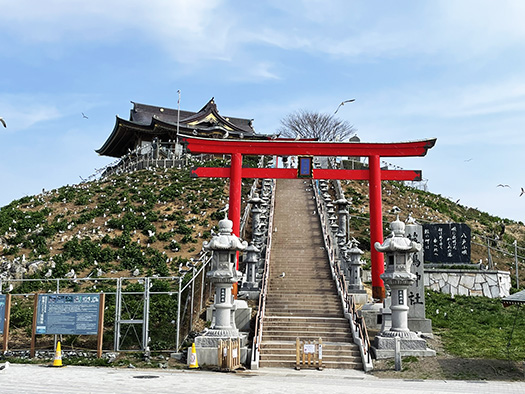
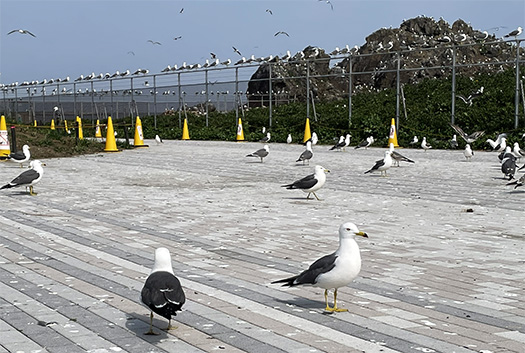
 で、東北太平洋側北部の自然探訪で写真の蕪島〜種差海岸方面へ。蕪島の名物・海鳥さんたちのお迎えを受けておりました。ヒッチコックの「鳥」の恐怖大ファンのカミさんは大喜びで逃げ回っておりました。恐怖の実態はどうも「糞害」への恐怖のようで、着衣への攻撃に逃げ惑う一択。
 まぁそういう貴重な現場体験からの旅路スタート。

 で、青森県八戸周辺から一気に東北道を南下して北上展勝地へ。
 途中の高速名物「最高速度120km」地帯を抜けて2時間弱で到着。どうも前に比べて120km地域は拡大してきているようです。さすがに東北道は通行が活発。石油の供給不安下ですが備蓄放出もあってガソリン価格も小康状況。しかしさまざまに建築業界では影響が出てきつつあるようです。ぜひ沈静化期待。まぁ戦争での影響なので、一般人としては落着を願うばかりですね。
 到着した北上展勝地では、ウィークデーにもかかわらず展勝地駐車場への大渋滞が発生していました。これは困難と早めに切り上げ、北上駅周辺の駐車場までUターンして、そこから往復1万歩越えのウォーキングコースに切り替え。これは大正解でした。急がば回れ。
 展勝地のサクラは満開アナウンスでしたが、すでにやや「桜吹雪」気味。
 以前と比べるととにかく海外客がすごい。どうしても会話の言語に注意が向かってしまいますね。円安はこういう状況を長期化させるのでしょう。ぜひ日本のマナーを守って楽しんでいただきたい。

●お知らせ
拙書「作家と住空間」幻冬舎から電子書籍で発刊
お求めはAmazonで。
https://amzn.asia/d/eUiv9yO

English version⬇

[Tohoku Road Trip: From Our Starting Point, “Kabushima,” to a Scenic Spot in Full Bloom]
A road trip in our own car, taken with a brief break from helping raise our grandchildren. Due to a lack of proper planning here and there, our couple’s adventure begins…

 This is a trip to admire the cherry blossoms in Tohoku and southern Hokkaido, strictly following my wife’s itinerary.
That said, once we arrive, I’ll be the one driving the car around on a whim, dragging her here and there—saying things like, “Ah, here it is. Then let’s pop over here too”—so it’s a typical couple’s trip where I end up running her ragged. But isn’t that part of the fun? (lol)
 The ferry trip to Hachinohe involved driving right up to bedtime—a completely out-of-the-ordinary routine. So, including the day after we landed in Hachinohe, it felt like a full two-day trip packed into a single day. As expected, after arriving at the hotel, I crashed out until early this morning. With two days’ worth of fatigue, I slept like a log. It was almost as if all my exhaustion had vanished at once. Strange. Is a little stress actually beneficial?
In Hachinohe, we were looking forward to visiting the “Hachinohe Food Center” and having breakfast there, but we suffered the sad blow of finding out it’s “closed on Wednesdays.” This kind of oversight is, of course, bound to happen. Advance planning is a hassle. We switched gears immediately.
So, we headed out to explore the nature of northern Tohoku’s Pacific coast, heading toward Kabushima and the Tanezashi Coast, as seen in the photos. We were greeted by Kabushima’s famous seabirds. My wife, a huge fan of the horror in Hitchcock’s *The Birds*, was overjoyed and ran around frantically. It seems her actual fear stemmed from the “danger of bird droppings,” so her only option was to flee in panic from the attacks on her clothes.
Well, our journey began with that kind of valuable on-site experience.

 So, I headed south on the Tohoku Expressway from the Hachinohe area in Aomori Prefecture straight to the Kitakami Tenjōchi scenic spot.
After passing through the famous “120 km/h speed limit” zone along the highway, I arrived in just under two hours. It seems the 120 km/h zones have been expanding compared to before. As expected, traffic on the Tohoku Expressway is heavy. Despite concerns over oil supply, gasoline prices have stabilized somewhat thanks to the release of strategic reserves. However, it seems the construction industry is starting to feel the impact in various ways. I really hope things calm down. Well, since this is due to the war, as an ordinary person, all I can do is hope for a resolution.
Upon arriving at Kitakami Tenshochi, there was a massive traffic jam leading to the park’s parking lot, despite it being a weekday. Realizing this would be a struggle, I decided to cut the trip short, made a U-turn back to a parking lot near Kitakami Station, and switched to a walking route that totaled over 10,000 steps round-trip. This turned out to be the perfect decision. Haste makes waste.
The cherry blossoms at Tenshoji were announced to be in full bloom, but they were already starting to look a bit like a “blizzard of petals.”
Compared to before, the number of foreign tourists is simply staggering. I can’t help but notice the languages they’re speaking. The weak yen will likely prolong this situation. I sincerely hope they enjoy their visit while observing Japanese etiquette.

● Announcement
My book, “Writers and Living Spaces,” has been published as an e-book by Gentosha.
Available on Amazon.

【 北海道大学構内・原始の札幌の森/山並み】


 わたしの好きな風景。って言ってもなんのことはないごく普通の札幌の風景なんですが、3才からこの地で育ってきた感性から言うと、やはり「素」の光景の残滓に思いが向くものです。そう、人間の都市開発がはじめられる以前のこの地の残響を聞きたくなってくるのですね。
 わたしは現在の札幌市中央区北3条西11丁目の北大植物園に面した家で3歳頃を過ごしていた。
 当時すでに北海道地元の「エゾオオカミ」は絶滅寸前で植物園の檻に収容されていた個体が、月夜になると月に向かって高く咆哮をあげるその声を聞きながら寝入っていた。・・・いま考えるとなんとも夢のように豪奢な「子守歌」を聞いて寝ていたのだと驚かされる(笑)。いや、マジで。その高く余韻を残して発せられる叫び声には、種を超えて共鳴してくるものがたしかにあったと思う。その性別までは知らなかったけれど、まるではるかな「母性」がなにかに訴えかけてくるように感じられていた。
 そして植物園自体も、北海道開拓の中核都市として完全な計画都市として造営された札幌のなかにあって、太古からの森の樹相が保全されていた。円山公園緑地一帯も、開拓技術者として来日していたアメリカの人びとが主導して自然林保護したと伝わる。開拓期のひとびとのこの地の自然へのリスペクトを感じていた。
 ほかの日本列島各地域とはまったく違う「自然相」の片鱗が感じられていたのだ。幼年期以来、どうしてもそういう喪失された風景に対しての憧憬の思いがわたしには強くあるのだ。
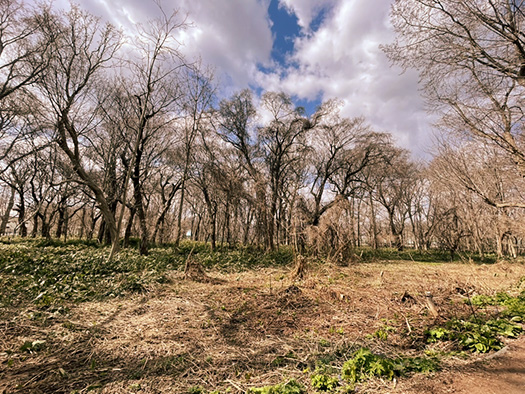
 この北海道大学構内が好きなのは、そういった土地の空気感がそのままに近い形で保全されていることが大きい。写真は、北大構内のメイン道路から「恵迪寮」方向に向かっての歩道沿いにある光景。この場所には「原始の札幌の自然」が色濃く残されていると案内板が置かれている。
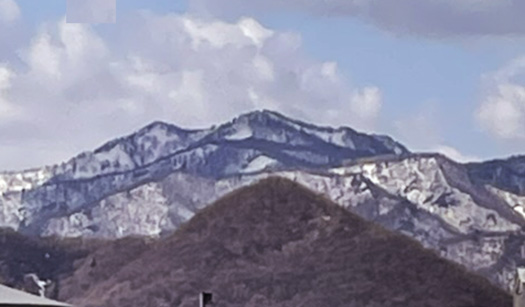
 こういった太古以来この地の環境に適合して生き延びてきた木々たちが「語り合って」いたような景色が広がっていたのだろう。次の写真は市内で特徴的な「三角山」の奥に「百松沢山」がそびえている光景。
 エゾオオカミはいま絶滅していないけれど、通りすがると面白い鳴き声の鳥たちがさざめいてくれる。
 そういう瞬間が訪れてくると、こころがしずかに敏感になってきて、そば耳状態になってくる。いまは遠い時の涯になったこの地の在りし日「涅槃」の叫び声が聞こえてくるかのようなのだ。
 ヘンな書き方だけれど、加齢してくるとこういう時間を超えた場所感覚に敏感になってくる。
 ことしも雪が融けてヒグマの猖獗もあり得るので、そういう心配が少なそうな北大構内は、格好の散歩道として大いに歩きまわってみたいものです。

●お知らせ
拙書「作家と住空間」幻冬舎から電子書籍で発刊
お求めはAmazonで。
https://amzn.asia/d/eUiv9yO

English version⬇

[Hokkaido University Campus · Sapporo’s Primeval Forest / Mountain Ranges]
Today’s journey begins with a ferry ride from Hachinohe in Tohoku, but my thoughts suddenly turn to the native landscapes of Sapporo, and I’m utterly captivated. Basho, is life truly just a fleeting guest passing through a hundred generations? …

 My favorite scenery. Though it’s nothing special—just an ordinary view of Sapporo—from the perspective of someone who grew up here since the age of three, my thoughts naturally drift toward the remnants of this place’s “raw” landscape. Yes, I find myself longing to hear the echoes of this land from before human urban development began.
I spent my early childhood in a house facing the Hokkaido University Botanical Garden, located at Kita 3-jo Nishi 11-chome in Chuo Ward, Sapporo.
 At that time, the Ezo wolf was already on the brink of extinction, and I would fall asleep listening to the howls of the individuals kept in the botanical garden’s enclosure as they raised their voices high toward the moon on moonlit nights. … Thinking about it now, I’m amazed that I used to fall asleep to such a dreamlike, opulent “lullaby.”
 Moreover, the botanical garden itself, situated within Sapporo—a city built as a fully planned metropolis at the heart of Hokkaido’s development—preserved the tree formations of a primeval forest, with marshes fed by spring-fed ponds known as “memu” dotted throughout.
I could sense a glimpse of a “natural landscape” entirely distinct from that of other regions across the Japanese archipelago. I cannot help but feel a strong longing for those lost landscapes.
 I believe a major reason I love the Hokkaido University campus is that the atmosphere of the land has been preserved in a form that remains remarkably close to its original state. The photo shows the view along the sidewalk heading toward “Keidai Dormitory” from the main road on campus. An information board at this spot states that “the natural landscape of early Sapporo” remains strongly preserved here.
 A vast landscape must have once stretched out before me, where trees like these seemed to be “conversing” with one another. The next photo shows Mt. Hyakumatsuzawa towering behind Mt. Sankaku, a distinctive landmark in the city.
Although the Ezo wolf has long since gone extinct, as I pass by, birds with interesting calls chirp to me.
When moments like that arrive, my heart grows quietly sensitive, and I find myself listening intently. It’s as if I can hear the “nirvana” cries of this land, which now lies far away.
It’s a strange way to put it, but as I get older, I’ve become more sensitive to that sense of place—that “blending” of the past and present.
Since the snow has melted this year and there’s a possibility of brown bears running rampant, I’d like to explore the Hokkaido University campus—where such concerns seem minimal—as an ideal walking path.

● Announcement
My book, *Writers and Living Spaces*, has been published as an e-book by Gentosha.
Available on Amazon.

【 中国 <.cn>発の迷惑メール昨日24時間に321通】


 きのうからの続報データ。<.cn>(中国)発の迷惑メールについて、きのうは3時間19分で51件のデータとお伝えしましたが、昨日4/13の1日トータル321通と抽出計算できました。1時間当たり13件超。一定の「波動」はあるようですが、おおむねこれくらいのペースで、わたしの時間手間は搾取され続けてきたことになる。コロナ禍でも大きな迷惑を受けたところですが、こういうメールでも迷惑を受け続けているのですね。
 ただ、メールソフトの設定などでこのように回避して、同時に「可視化」もすることができる。日本人としては冷静に事実を確認し続けることですね。天は見ている。
 聖徳太子の昔から、どうしてもあちらさんとは付き合う関係は避けられない。しかし、日本社会は明治以降の西洋文明の受容で、バランスの取れた関係性に転換することができてきた。
 家系史の探究で、江戸期の庶民の目線ということを考え続けてきていますが、鎖国というのはたぶん日本人が考え出した究極的な「防衛思想」だったのでしょうね。現代は開国して世界の常識を基本とした社会になって来ているワケですが、しかし余計ないさかいは避け、巧妙に無力化させるという対応は日本的な知恵。
 さて、暗い話題から一転。本日から1週間ほど夫婦旅で東北・道南地域を巡って参ります。
 リタイヤ後の恒例の日程。今回はフェリーで八戸まで行って、昨年たいへん楽しかった十和田から、北上の展勝地などにも足を伸ばしたいと思っています。事前の情報ではちょうどサクラ前線も良い感じかなぁと。昨日はその用意でクルマを点検していただいておりました。いつもの愛車でノンビリあちこち巡れるというのは、最高の喜ばしさであります。レンタカー利用もあれはあれで良いのですが、いつものマイカーだとまるで、家にいるような慣れた環境のママ、新鮮な景観に満たされていられる。しかも、ちょっと楽しい日本語環境(笑)。東北は長い間、お世話になったのですっかり第2の地元感もある。
 旅先でも毎日更新は続けて参りますので、ご愛読願えれば幸いです。ではでは。

●お知らせ
拙書「作家と住空間」幻冬舎から電子書籍で発刊
お求めはAmazonで。
https://amzn.asia/d/eUiv9yO

English version⬇

[321 Spam Emails from China <.cn> in the Past 24 Hours]
Bad news: The flood of spam emails continues unabated. Self-defense measures are proving highly effective. Good news: Off to the southern part of the Tohoku region. So exciting…

 Follow-up data from yesterday. Regarding spam emails originating from <.cn> (China), I reported yesterday that 51 emails were received over a period of 3 hours and 19 minutes, but I have calculated that a total of 321 emails were received throughout the day on April 13. That’s over 13 emails per hour. While there seem to be certain “fluctuations,” this has generally been the pace at which my time and effort have been continuously exploited. We’ve already suffered significant hardships due to the COVID-19 pandemic, yet we continue to be plagued by spam like this as well.
However, by adjusting email software settings, we can avoid this while simultaneously “visualizing” the problem. As Japanese people, we must continue to calmly verify the facts. Heaven is watching.
Ever since the time of Prince Shōtoku, we have been unable to avoid having some kind of relationship with “them.” However, through the adoption of Western civilization since the Meiji era, Japanese society has managed to shift toward a more balanced relationship.
 In my research into family history, I have been constantly considering the perspective of the common people during the Edo period. The policy of national isolation was likely the ultimate “defense philosophy” devised by the Japanese. Today, we have opened our country and are becoming a society based on global norms, but the Japanese wisdom lies in avoiding unnecessary conflicts and skillfully neutralizing them.
Now, let’s shift from this somber topic. Starting today, my wife and I will be traveling around the Tohoku and southern Hokkaido regions for about a week.
It’s our annual post-retirement tradition. This time, we’re taking a ferry to Hachinohe, and from Towada—where we had such a wonderful time last year—we’d like to venture out to places like the Kenshochi scenic spot in Kitakami. According to the latest reports, the cherry blossom front should be in full swing. Yesterday, we had the car inspected in preparation for the trip. Being able to leisurely explore here and there in my trusty old car is the greatest joy. Renting a car has its own merits, but with my own car, it’s just like being at home—surrounded by a familiar environment while still being immersed in fresh scenery. Plus, it’s a bit of a fun Japanese-language environment (lol). I’ve spent so much time in Tohoku over the years that it feels like a second home to me.
I’ll continue to post daily updates even while I’m traveling, so I’d be grateful if you’d keep reading. See you later.

● Announcement
My book, “Writers and Living Spaces,” has been published as an e-book by Gentosha.
Available on Amazon.