
北東北の観桜夫婦旅。マイカー「平常運転」なので興味分野は自由気ままに拡散(笑)。
前宿泊地・紫波の東北道ICから秋田県の観桜スポット・角館に向かったのですが、途中「田沢湖」経由での途次。峠近くで危険な場所から山並み撮影している人に吊られ、その先の平坦地スポットに停車した次第。名前もよく知らない。
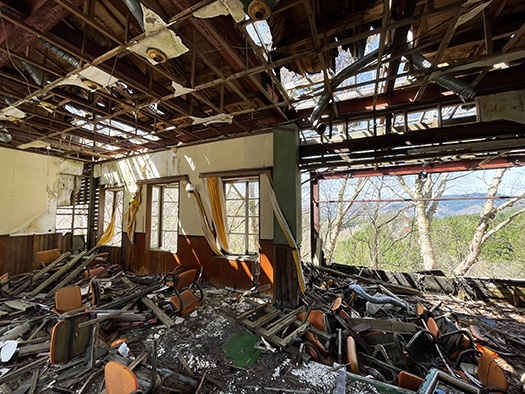
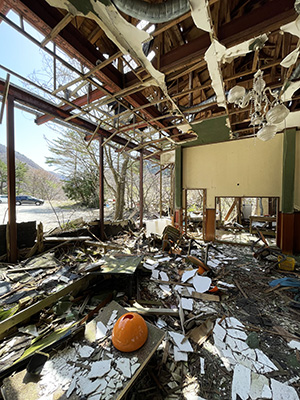
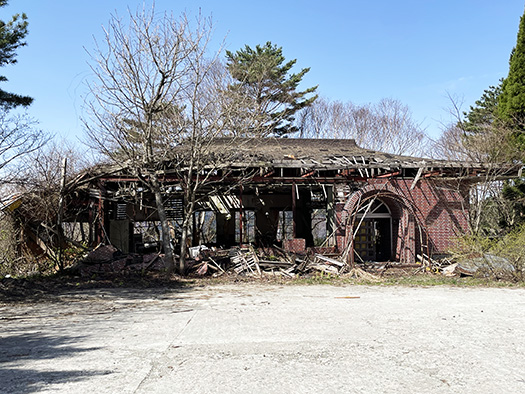
単純に危険を顧みず写真撮影しているくらいだから、眺望がすばらしいに違いないと思えたのですが、駐車してみると目の前に「廃墟」化したモダン「峠の茶屋」廃屋。
わたしの密かな「数寄」に、建築の機能用途破綻の結果での「廃屋」探究があり、そのポイントが刺激されてしまった。
「どうしてこの建築は破綻に至ったのだろうか」と謎解き探偵心理がムクムクと立ち上ってきてしまう。建築数寄の一部には、こういう人間性領域があるのだと思う。
巨視的には日本は江戸期の3,000万人口から明治の開国を越えて6,000万人人口社会に移行し、さらに現代日本は戦後以降の人口増加によって、1億2,000万人口時代まで変容してきた。
その高度成長期を超えてきて、いまは
1 このまま成長を維持するために「移民受け入れ」に移行するか?
2 それとも低成長での成熟型ニッポン独自社会を選択するか?
大きくは、そういう時代の分岐点に立ち至っているのでしょうか。
この社会変容のなかでさまざまな「投資」がある。秋田県田沢湖への岩手県方面からの「観光流入」増加を展望して田沢湖直前の眺望スポットにドライブの「ひと休み」需要を見込み、モダンな飲食施設・外壁レンガ調のレストラン建築を企図したのだろう。
それが、どのような経緯でか、このような破綻に立ち至った痕跡。
で、現代建築としての破綻ぶりが目に飛び込んでくる。興味深く観ていたら危険箇所で写真撮影していた高齢の方がこちらに声掛けしてきた。なんでもインスタグラマーとして5,000フォロワーを持っていると最初に自慢げに話しかけてこられていた。別に聞いていませんが(笑)。
「廃屋、面白いですか?」
まぁ前述の「解析」がマーケティング的試みだろうけれど、と。そこからだんだんと表題テーマに興味が展開してくる。現代文化もやがて廃墟になっていくとすれば、どういうカタチになっていくのかと。
拡散しすぎかなぁ・・・。
●お知らせ
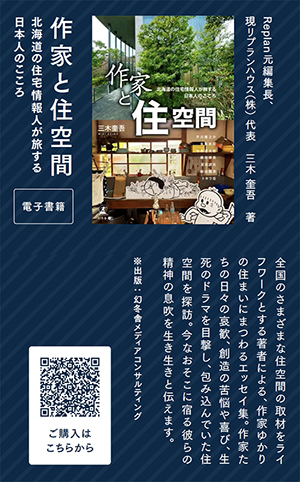
拙書「作家と住空間」幻冬舎から電子書籍で発刊
お求めはAmazonで。
https://amzn.asia/d/eUiv9yO
English version⬇
[How Does Modern Civilization Become a “Ruined City”?]
A certain architectural quirk: a fondness for abandoned buildings. The feeling of the reality of decay sinking into one’s heart. Is this a “view of impermanence” reminiscent of *The Tale of the Heike*? The sense of impermanence in commercial buildings where cost-effectiveness is the top priority. …
A couple’s cherry blossom viewing trip through Northern Tohoku. Since we were driving our own car and taking it easy, our interests wandered freely (lol).
We headed from the Tohoku Expressway IC in Shiwa—where we’d stayed the night before—to Kakunodate, a cherry blossom spot in Akita Prefecture, but took a detour via Lake Tazawa along the way. Near a mountain pass, we were drawn in by someone photographing the mountain range from a dangerous spot, so we pulled over at a flat spot further ahead. I didn’t even know the name of the place.
Since they were taking photos without a second thought for their safety, I figured the view must be spectacular. But when we pulled over, right in front of us stood the ruins of a modern “mountain pass teahouse”—a derelict building.
One of my secret passions is exploring “ruins”—structures that have fallen into disrepair due to the failure of their original function—and this sight immediately piqued my interest.
A detective-like curiosity began to bubble up within me: “Why did this building come to such a state of ruin?” I believe this kind of human element is part of the fascination with architecture.
From a macro perspective, Japan transitioned from a population of 30 million during the Edo period to a society of 60 million after the Meiji Restoration and the opening of the country, and modern Japan has further transformed into a society of 120 million people due to post-war population growth.
Having moved beyond that period of rapid economic growth, we now face a choice:
1. Should we shift toward “accepting immigrants” to maintain this level of growth?
2. Or will we choose a mature, low-growth society unique to Japan?
Broadly speaking, have we reached such a turning point in history?
Amid this social transformation, there are various forms of “investment.” Anticipating an increase in “tourist influx” from the Iwate Prefecture area to Lake Tazawa in Akita Prefecture, and expecting demand for a “rest stop” for drivers at a scenic spot just before the lake, they likely planned a modern dining facility—a restaurant with brick-style exterior walls.
Yet here are the traces of how, for whatever reason, this project ended in such failure.
And the sheer failure of this modern architecture immediately catches the eye. As I was observing it with interest, a person who had been taking photos in a dangerous spot called out to me. He proudly introduced himself, boasting that he was an Instagrammer with 5,000 followers. Not that I asked (laughs).
“Do you find abandoned buildings interesting?”
Well, I suppose the “analysis” I mentioned earlier was likely a marketing ploy. But from there, my interest gradually shifted to the theme of the title. If modern culture is eventually destined to become ruins, what form will it take?
Am I getting too off track here…?
● Announcement
My book, “Writers and Living Spaces,” has been published as an e-book by Gentosha.
Available on Amazon.
共有:

Posted on 4月 18th, 2026 by 三木 奎吾
Filed under: 未分類




コメントを投稿
「※誹謗中傷や、悪意のある書き込み、営利目的などのコメントを防ぐために、投稿された全てのコメントは一時的に保留されますのでご了承ください。」
You must be logged in to post a comment.