
トータル8日間だった春旅から帰ってきて、キンピラゴボウを大量に作ったり孫の世話をしたりと、留守中の時間感覚と整合させて行くスイッチ切り替えには、一定時間が必要。いわば「日常感覚」と旅での感覚の違いがあって、その「調整」に脳内の切り替えが不可欠なのでしょう。
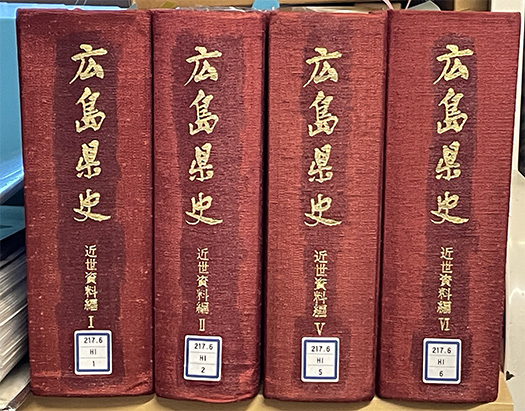
わたしの場合、家系が絡んできた日本史・地方史の調査活動を著述の対象分野としてきているので、下の写真にあるような基本資料の精読調査が欠かせないのですが、さすがに即座に復帰とはならない。昨日は病院にも行く用事があって、整理整頓は本日目覚めてからようやく本格化。写真の資料もどうしても確認したい点があったので、この分厚い資料4冊を借りて丹念に点検するのですが、この資料の到着が帰札した当日21日だった。とりあえず借りるのに手続きをして36時間近く整理することも出来なかった。
8日間の非日常からの復帰に丸2日近く掛かっていることになりますね。老化かなぁ・・・。
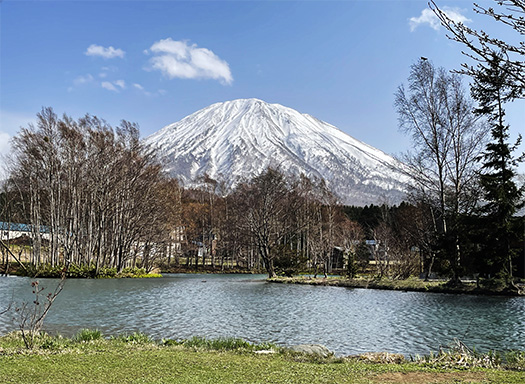
上の写真は旅路の最後、ようやく帰って来たねと迎えてくれた羊蹄山。今回の旅路では大好きな山として、岩手山が長い時間見守ってくれていました。また岩木山の方はほとんど雲の中で、ときおり「探していたっしょ(笑)」と顔を覗かせてくれる程度。また、道南の駒ヶ岳も近づいてからクッキリと見えていた。北東北〜札幌までの道のりにはこうした山並みが顔を見せてくれる。
日本人ってご近所の山並みと会話し続けてきた民族なのでしょうが、札幌はどうもこういう独立火山系の様相ではなく日本アルプス的な「連山」系の山並みですね。富士山が大好きなのが日本文化の母体だとすれば、札幌以北はすこし違いがありますね。ただ、関西圏から中国四国は連山系とも思える。
・・・こんなあたりから、歴史系探訪の世界に復帰していきたいと思います。カラダの感覚もかなり復元してきたので、頑張りたいと思います。
●お知らせ
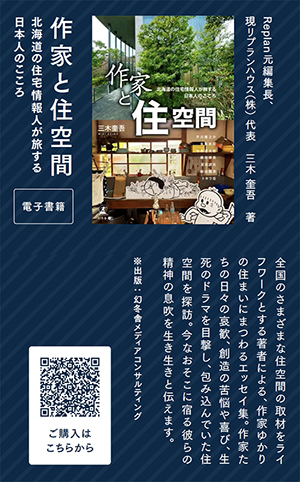
拙書「作家と住空間」幻冬舎から電子書籍で発刊
お求めはAmazonで。
https://amzn.asia/d/eUiv9yO
English version⬇
[It takes a while to get back into the swing of things after a trip…]
It seems I need to go through quite a few steps to flip the switch in my head. I wonder if this is just a mental phenomenon of aging…
I’ve returned from my spring trip, which lasted a total of eight days. Whether it’s making a large batch of kinpira gobo or looking after my grandchild, it takes some time to adjust my mindset and realign it with the sense of time that existed while I was away. In other words, there’s a difference between my “sense of daily life” and the sensation I experienced while traveling, and this “adjustment” likely requires my brain to switch gears.
In my case, since my research and writing focus on Japanese and regional history—which involves my family lineage—it’s essential to carefully read and analyze primary sources like the ones shown in the photo below. Naturally, I can’t get back into the swing of things immediately. I had to go to the hospital yesterday, so I didn’t really get started on organizing things until I woke up today. There were some points in the materials in the photo that I absolutely needed to verify, so I borrowed these four thick volumes to examine them carefully—but they didn’t arrive until the 21st, the very day I returned to Sapporo. It took nearly 36 hours just to go through the borrowing procedures, so I couldn’t even begin organizing them.
It seems it’s taking me nearly two full days to return to normal after eight days of being away from my usual routine. Maybe I’m just getting old…
The photo above shows Mt. Yotei, which welcomed me back at the end of my journey, as if to say, “You’re finally home.” During this trip, Mt. Iwate, one of my favorite mountains, watched over me for a long time. Mt. Iwaki, on the other hand, was mostly hidden in the clouds, only occasionally peeking out as if to say, “You were looking for me, weren’t you? (laughs).” Also, Mt. Komagatake in southern Hokkaido only became clearly visible once I got close. Along the route from Northern Tohoku to Sapporo, mountain ranges like these make their appearance.
I suppose the Japanese are a people who have long conversed with the mountain ranges in their neighborhood, but Sapporo doesn’t really have the look of these isolated volcanic peaks; instead, it has a “mountain range” landscape reminiscent of the Japanese Alps. If the love for Mount Fuji is the foundation of Japanese culture, then the area north of Sapporo is a bit different. That said, the Kansai region through to the Chugoku and Shikoku regions also seem to form a continuous mountain range.
…Starting from around here, I’d like to return to the world of historical exploration. My physical condition has recovered quite a bit, so I’m going to do my best.
● Announcement
My book, “Writers and Living Spaces,” has been published as an e-book by Gentosha.
Available on Amazon.
共有:

Posted on 4月 23rd, 2026 by 三木 奎吾
Filed under: 未分類




コメントを投稿
「※誹謗中傷や、悪意のある書き込み、営利目的などのコメントを防ぐために、投稿された全てのコメントは一時的に保留されますのでご了承ください。」
You must be logged in to post a comment.