本文へジャンプ

【水ぬるむ in 札幌円山・カモたちと再会】


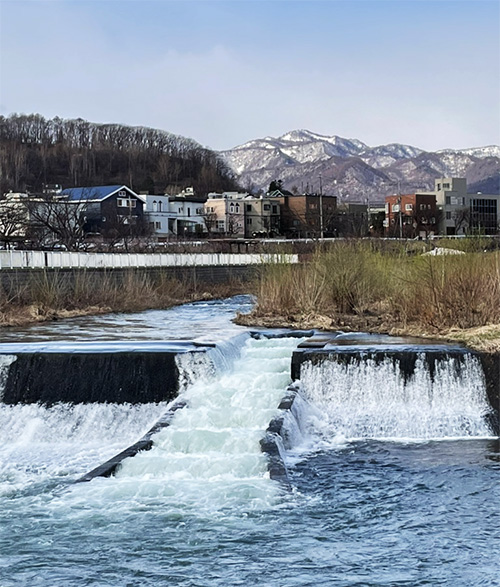
 写真は、ひさしぶりに散歩道に選んだ札幌円山公園~北海道神宮周辺の池の畔の光景。
 厳寒期にも散歩していたとき、結氷していてイキモノの痕跡を確認することはできませんでした。が、昨日訪れてみるとご覧のような光景が広がっていた。カモたちは基本は「渡り」するのでしょう。厳寒期にはこの場所にいなくて、それがやや春の融雪時期のイマドキにこの程度の数を確認できた。無上にうれしい。
 うれしいのは、やはり「ようやく春になるよ」という自然界からの明確なメッセージだと思えるから。北国の人間は、冬の季節の揺れ動きに慣れているので、すこし気温上昇が見られてもすぐに寒が戻ってくると警戒的で「まだ簡単にはだまされないぞ」と心理を緩めない習慣性を持っている。
 そういう心理に対して、こういう「水ぬるむ」光景は一番、納得感がある。「お、これなら少し警戒を解除気味にしてもいいかな」と思えるのですね。
 東京や関西~広島県などにチョコチョコ移動するとき、朝の日課として散歩を欠かしません。上野不忍池などの水辺を歩きますが、カモたちは独特の生態を見せてくれる。ふつうのカモとオシドリなど異種の混淆ぶりがどうかは、よく記憶していないけれど、この札幌円山ではオシドリがかなり目立つと思う。男女ペアの仲が良い象徴の名付け。恋の町サッポロかなぁ。⇐かなり昭和(笑)。
 さて、さきの衆院選を受けた国会論戦が始まっていますね。最近は若い世代の投票行動がこれまでと隔絶して大きくなって来ている。それがこれまでの常識を打ち破る方向に向かっていると感じます。オールドメディアというコトバが流行語大賞に選ばれる昨今、「権力の監視」という存在価値自体も大きく「問われて」来ていると思える。
 事実上「第4の権力」と言われる民主主義社会での位置にオールドメディアはあるけれど、考えて見ればほかの3権に対しては国民の選択手段が保証されているけれど、オールドメディアへのチェックは「不買・無視」しか有権者に手段はない。
 ただ、その有権者行動はすでに相当レベルで「盛り上がって」きているとも思えます。ふ~む。

●お知らせ
拙書「作家と住空間」幻冬舎から電子書籍で発刊
お求めはAmazonで。
https://amzn.asia/d/eUiv9yO
English version⬇

【Water Warms in Sapporo’s Maruyama Park: Reuniting with the Ducks】
A manifestation of nature’s cycle of life and death. Is this the most joyful sign of seasonal change? From bitter cold and heavy snow, winter’s dangers gradually ease. But is it really safe yet…?

 The photo shows the scene along the pond’s edge near Sapporo Maruyama Park and Hokkaido Jingu Shrine, which I chose as my walking route for the first time in a while.
During the harshest winter months when I walked here, the pond was frozen solid, and I couldn’t find any signs of life. But when I visited yesterday, this scene unfolded before me. Ducks are migratory birds, after all. They weren’t here during the deep freeze, and now, just as the snow is melting in early spring, I could see this many of them. It’s supremely delightful.
What makes me happy is that I feel this is a clear message from nature saying, “Spring is finally coming.” People in northern regions are accustomed to winter’s fluctuations. Even when temperatures rise slightly, we remain wary, expecting the cold to return. We have a habit of not letting our guard down, thinking, “I won’t be fooled so easily yet.”
Against this mindset, scenes like this “thawing water” are the most convincing. It makes you think, “Oh, maybe I can ease up on my guard a little now.”
When I travel back and forth between Tokyo, Kansai, and Hiroshima Prefecture, I never skip my morning walk. I stroll along watersides like Ueno’s Shinobazu Pond, where the ducks display their unique behaviors. I don’t recall exactly how mixed the species are—regular ducks and mandarin ducks, for instance—but here in Sapporo’s Maruyama, the mandarin ducks seem quite prominent. Named as a symbol of harmonious male-female pairs. Sapporo, the town of love, perhaps? ⇐ Quite Showa-era (laugh).
Now, parliamentary debates have begun following the recent House of Representatives election. Lately, the voting behavior of younger generations has become markedly different from before. I feel it’s heading in a direction that shatters conventional wisdom. In an era where “old media” was selected as a buzzword of the year, I believe the very existence and value of “monitoring power” is being seriously questioned.
While old media occupies a position in democratic society often called the “fourth estate,” consider this: while the people have guaranteed means to choose among the other three branches of government, the only checks voters have against old media are “boycott or ignore.”
 However, it seems this voter action has already reached a considerable level of “momentum.” Hmm.

●Notice
My book “Writers and Living Spaces” published as an e-book by Gentosha
Available on Amazon.

【年間積雪5m超の200万都市「除排雪」は】


 既報のように大雪から一転して、春の陽気になってきてグシャグシャ道路化している札幌市内。
 きのうは住宅街のわが家周辺を抜けて、直近の「琴似」のメイン道路を見たら除排雪作業が徹底して行われていた。市内各所で「まだら模様」の除排雪状況。いわゆる生活道路・住宅地域は後回しのよう。
 写真はわが家の向かい側の中学校のグランドに面した通学路の様子。8m道路ですが、除雪はクルマ1台分の広さで、中学生のみなさんはクルマが来たら、脇に避けての通学風景。道路の半分は堆雪雪山で、例年であれば、少なくとも2回程度は排雪が行われていましたが、ことしはまだ。今年の札幌の道路除排雪は全てが後手後手になってしまっている感が・・・。
 路面はそれなりに「平滑」になっていますが、これは周辺住民挙げての協力の結果。
 一部には舗装路面が見えたりもしているので、このまま、春の雪融けまで至るのかも。よかったね、それほど予算を掛けなくて市民の自助だけで勝手に春になりそうです。って、オイ。
 〜現在の札幌の生活道路の除排雪は、
・道路脇の雪山を小さくして排雪回数を減らすため除雪回数を減らす。厳冬期30cm程度の圧雪路盤。
・学校周辺道路は除雪回数を多くして圧雪路盤は造らない。(実態は写真の通り)
・生活道路で圧雪路面を剥がすタイミングを逸すると、春先に車はスタックする。(自動車の最低地上高は15cm位)・・・こういう流れ。〜
 ・・・という話題を書いていたら、読者の方から情報が寄せられた。そのなかには旭川市の市長の「政治家の方針提示の明確さ」に従って整合的な除雪体制構築されているという事例が挙げられていた。
 旭川では政治家たる市長が「生活道路は年間2回排雪します」という公約で当選したので、納得できる整然とした除排雪状況がある。政治的な考えは様々ですが、札幌の場合もこういう政治主導がないと、このままズルズルで改善の可能性を見いだせないまま。たかがザクザク、されどザクザク道。
 北海道日本ハムファイターズに愛想を尽かされた現体制ですが、やはり「指導力」に疑問。

●お知らせ
拙書「作家と住空間」幻冬舎から電子書籍で発刊
お求めはAmazonで。
https://amzn.asia/d/eUiv9yO

English version⬇

【Snow Removal in a City of 2 Million with Over 5m of Annual Snowfall】
Even when dealing with unpredictable snow, there should be consistency in how it’s handled. Around my home near the middle school commute route, is resident self-help the main approach? …

 As previously reported, Sapporo has shifted from heavy snow to spring-like weather, leaving roads slushy and messy throughout the city.
Yesterday, passing through my residential neighborhood, I noticed thorough snow removal on the main road in nearby Kotoni. Snow clearance remains patchy across the city. Residential streets and neighborhoods seem to be getting the short end of the stick.
 The photo shows the school route facing the junior high school grounds across from my house. It’s an 8-meter-wide road, but snow removal only cleared enough space for one car. The junior high students have to step aside when a car comes by to get to school. Half the road is piled with snow mountains. Normally, snow removal would have been done at least twice by now, but not this year. It feels like all of Sapporo’s road snow removal this year is lagging behind…
 The road surface is reasonably “smooth,” but this is thanks to the combined efforts of the surrounding residents.
In some spots, the paved surface is even visible, so it might just stay like this until the spring thaw. Well, that’s good news—it seems spring will arrive on its own, without much budget spent, just through the citizens’ self-help. Hey, wait a minute.
~Current snow removal practices on residential roads in Sapporo:
・Reduce the number of snow removal passes to cut down on snow disposal runs.
・Increasing snow removal frequency around schools to prevent compacted snow layers from forming. (Reality is as shown in the photo)
・If the timing to break up compacted snow layers on residential roads is missed, cars get stuck in early spring. (Minimum ground clearance for cars is about 15cm)… That’s the flow. ~
 …While writing about this topic, I received information from readers. Among the examples cited was Asahikawa City, where a consistent snow removal system is built following the mayor’s “clear policy direction as a politician.”
In Asahikawa, the mayor, as a politician, was elected on the promise of “removing snow from residential roads twice a year,” resulting in a comprehensible and orderly snow removal situation. Political views vary, but without this kind of political leadership in Sapporo, things will just drag on with no sign of improvement. It’s just slushy roads, but still… slushy roads.
The current administration, which has lost the favor of the Hokkaido Nippon-Ham Fighters, really makes you question their “leadership.”

●Notice
My book “Writers and Living Spaces” published as an e-book by Gentosha
Available on Amazon.

【四百年間のいのちの履歴書、あらすじ確定!】


 さてすっかりグシャグシャ雪道対応に追われるブログになっていましたが、最近の本筋「四百年間のいのちの履歴書」シリーズはジミジミと探究を続けていまして、ようやく「あらすじ」判明。
 歴史ものでも四百年間というスパンのものはあんまり見かけない。古事記か(笑)。
 まぁ名も無い日本人一家系の歩みと、その時間の流れの中で遭遇したさまざまな事象を具体像として現実的な空気感シーンに落とし込む作業。点と点を結んでいる内にほぼ近似のDNAとしての同質性の高い想像力が盛り上がってくることに気付かされております。
 ひとの人生には常に生々流転があり、英雄・偉人・有名人には大成功というカタルシスがあるので一般的にわかりやすく心情投影できるけれど、一般庶民はそういう「成功」の幅は大きくなく、むしろ失敗と転落のジェットコースターは無限(笑)。ハラハラドキドキばかり。
 しかしそれはそれとしてどうやら一気通貫で400年間のおおむねの動向がわかったのはウレシイ。
 さまざまな古文書資料の読み込みと伴走する秘書としてAIを活用することで可能になった。とくにAIへの「プロンプト」の書き方がイマドキはどうも決定的ですね。詳細に手順と資料探査の「方向性」指示が不可欠のようです。現代人にとっての一種のテクニックかと。
 とはいえやはりわたしの場合、肉親が丹念にお寺の過去帳などの古記録調査を続けてきてくれた、その基盤が強固に存在してくれているので、本当に頼もしく感じられました。
 400年間の「流れ」の概要はようやく間違いなさそうにまとまってきたので、今後は詳細な資料固めで細部を補強していくことになります。・・・なんですが、現在と自分自身についての部分には「戸惑い」がありますねやはり。いちばん詳細に描けるけれど、差し障りも大きすぎる。自分だけならまだ良いけど、関係する多くの人に迷惑は掛けられない。それに解明する動機が希薄ですね。
 当面は祖父くらいまでの年代について、さらに補強していきたいと思います。
 でもまぁ、あらすじが固まって、やや一段落の心境であります。ふ〜む。

●お知らせ
拙書「作家と住空間」幻冬舎から電子書籍で発刊
お求めはAmazonで。
https://amzn.asia/d/eUiv9yO

English version⬇

【400 Years of Life’s Resume, Synopsis Finalized!】
It didn’t take half a year, but finally, “One Continuous 400 Years.” Full house, huh? (lol) Not a yaku-man, more like a tanyao. A chronicle of ordinary people’s joys and sorrows. …

 Well, my blog has been completely bogged down dealing with slushy snowy roads lately, but the main series I’ve been quietly pursuing—the “Four Hundred Years of Life’s Resume”—has finally revealed its outline.
Even in historical works, you don’t often see ones spanning four hundred years. The Kojiki, maybe? (laugh)
 Well, it’s the work of translating the journey of an anonymous Japanese family lineage and the various events they encountered within that flow of time into concrete, realistic scenes with a palpable atmosphere. As I connect the dots, I’m realizing that a highly homogeneous imagination, almost like approximate DNA, is building up.
 Human lives are constantly in flux. While heroes, great figures, and celebrities offer cathartic moments of great success, making them easy for the general public to emotionally project onto, ordinary people rarely experience such dramatic “successes.” Instead, their rollercoaster of failures and downfalls seems endless (lol). It’s nothing but heart-pounding suspense.
Still, it’s gratifying to have gained a comprehensive understanding of roughly 400 years of continuous movement.
This became possible by utilizing AI as a companion secretary alongside reading various ancient documents. Especially crucial these days is how you craft the “prompt” for the AI. Detailed instructions on procedures and the “direction” for document exploration seem indispensable. It’s a kind of technique for modern people.
 That said, in my case, the solid foundation laid by my relatives diligently researching ancient records like temple registers was truly reassuring.
The broad outline of the 400-year “flow” finally seems solid, so next comes reinforcing the details with specific documents. …But I still feel hesitant about the parts concerning the present and myself. It’s the part I can describe most thoroughly, but the potential consequences are too great. If it were just about me, it might be okay, but I can’t cause trouble for the many people involved. Plus, the motivation to unravel it is rather weak.
For now, I want to focus on further strengthening the information up to my grandfather’s generation.
But well, the outline has solidified, and I feel like I’ve reached a bit of a milestone. Hmm.

●Notice
My book “Writers and Living Spaces” published as an e-book by Gentosha
Available on Amazon. 

【梅と雪うめ・・・角地わが家前「スタック」防止除雪三昧】


 さて、この連休、みなさんいかがお過ごしだったでしょうか?
 温暖地域からはウメ開花のお便り。まことに麗しい限りと羨望の思いですが、雪国人はただただ肉体酷使の除雪三昧ホリデーであります。南のウメと北のクルマ雪ウメ(泣笑)。
 ここ2−3日ブログでご報告の通り、大雪からの融雪、グシャグシャ路面から市内各所でのクルマの雪埋め危険性MAX状況であります。写真は今朝5時ころのわが家前道路の状況。わが家は中学校の校庭、図書館などの文教地区にあるのですが、とくに図書館などに来訪されるみなさんのクルマが転回する角地の立地。雪国の道路角地というのは、除雪作業などで両方向からの「押しつけ」圧力から堆雪しやすい。そこに多量のクルマ通行があれば、雪が積層固化しやすい。
 そういう環境下で一気に「グシャグシャ」化すると、クルマの「雪埋め〜スタック」が発生しやすいのですね。クルマ通行では角地で減速した後、アクセルを踏み込むので回転数が高まる。結果、積層固化した路面がどんどん摩擦を受けてグシャグシャの進展が加速化するのでしょう。
 市の公共除雪もほとんどマヒ状態の中、連日、周辺住民の助け合い除雪でしのいできている状況。そうやって安全路確保させてきての今朝の様子であります。見方はいろいろでしょうが、それなりにクルマ交通の安全は確保されていたようなタイヤ痕と雪道の状況でした。
 その除雪作業だけで疲れきったので、昨日は外に出たのはそれだけで、歩数表示はピッタリ5,000。表示を見ると4回ほどのピークがありますが、それが除雪出動の痕跡。
 先日来、雪かき労務の歩数換算の試算を2-3倍程度と書いてきましたが、それに準拠すれば10,000〜15,000歩程度。しかしさすがに「重たい雪」なので腰に来る。
 本日から連休明けで、通常のクルマ交通が開始されますが、さてこの路面状況がどのように推移して行くか。わたしもクルマでの外出が予定されているので、ハラハラドキドキ。しかし一方で春の季語として、温暖地の梅の開花に対比させて「雪埋め」を、北国らしい日本の新・季語として、広く日本語文化圏に提案したくもなります。多少ヤケ気味ではありますが(笑)・・・。

●お知らせ
拙書「作家と住空間」幻冬舎から電子書籍で発刊
お求めはAmazonで。
https://amzn.asia/d/eUiv9yO

English version⬇

【Plum Blossoms and Snow… Nonstop Snow Clearing to Prevent “Stacks” at Our Corner Lot】
A holiday break spent utterly exhausted from shoveling heavy, slushy snow. Even as the plum blossoms bloom, beware of snow “burials.” A new seasonal word proposal for Japanese culture this spring. …

 So, how did everyone spend this holiday weekend?
News of plum blossoms blooming in warmer regions. Truly beautiful and enviable, but for us snow country folks, it’s just a holiday of relentless, physically grueling snow removal. Southern plums versus northern cars buried in snow (cry/laugh).
 As reported on my blog these past few days, the melting snow after heavy snowfall has created a MAX danger situation for cars getting buried in slushy roads all over town. The photo shows the road in front of my house around 5 AM this morning. My house is in an educational district near a junior high school playground and a library, but it’s especially located on a corner where cars visiting places like the library turn around. Road corners in snow country are prone to snow piling up due to the “pushing” pressure from snow removal efforts in both directions. Add heavy vehicle traffic, and the snow easily layers and hardens.
Under these conditions, when it suddenly turns to “slush,” cars easily get “snowed in and stuck.” Vehicles slow down at corners before accelerating hard, increasing RPMs. Consequently, the layered, compacted surface experiences increasing friction, accelerating the progression of the slushy mess.
With municipal snow removal nearly paralyzed, we’ve been managing day after day through mutual aid snow clearing among nearby residents. This morning’s scene is the result of those efforts to secure safe roads. Opinions may vary, but the tire tracks and snowy road conditions suggested vehicle traffic safety was reasonably ensured.
 Exhausted just from that snow removal, yesterday I only went outside for that task, resulting in exactly 5,000 steps. Looking at the display, there are about four peaks, which are traces of snow removal outings.
Recently, I’ve been estimating the step count equivalent for snow shoveling labor at about 2-3 times the normal rate. Based on that, it would be around 10,000 to 15,000 steps. But this “heavy snow” really takes a toll on the back.
 Today marks the end of the holiday break, and normal car traffic resumes. Now, how will these road conditions evolve? I have car trips planned myself, so I’m feeling a bit nervous. On the other hand, as a spring seasonal word, I’m tempted to propose “snow burial” (雪埋め) as a new, distinctly northern Japanese seasonal term for the Japanese cultural sphere, contrasting it with the plum blossoms blooming in warmer regions. It’s a bit of a desperate attempt, I know (laugh)…

●Notice
My book “Writers and Living Spaces” published as an e-book by Gentosha
Available on Amazon.


【凍結路面の融雪で「クルマ雪埋め(スタック)」発生】


 写真はわが家周辺の中学校通学路でのクルマの車輪の「空回り」雪埋め状況。最近の通称では英語の「スタック」というコトバが一般名になってきた雪国晩冬の悲しい風景(泣)。
 今年の札幌は例年の1.5倍といわれる大雪に見舞われてきましたが、急激な最近の気温上昇でその固く降り積もった雪道が、一気にグチャグチャ化しています。わが家は中学校の通学路幅員8m道路に面しているので優先的に除排雪がこれまではされてきたけれど、どうやら最近の札幌市の財政状況から除排雪予算が厳しくなってきて、ほとんど「排雪」はされることがなくなっている。8m道路が実質クルマ1台の通行がやっとの状況。通学の中学生さんたちもやむなくその道路を通学している。
 クルマが通る度に、歩行者とクルマで見合い、譲り合って交通するほかない。
 周辺市民としてはできるだけ自力手作業で除雪して高々と堆雪雪山に盛り上げている状況。
 しかし、さすがにグチャグチャ化+スタック発生では完全に参った、であります。
 昨日も外出先から車で帰ってきたら、やっと1台通行可能な路地道で対向車と遭遇。やむなく近場の「切り返し」可能な場所に当方が後退して、やっと行き違うことができた。午後には娘夫婦がクルマでやってきたけれど、大回りしてやっとたどりついていた。
 でもその「帰り」には写真のようなスタック車両2台の出現。中学校正面ヘの曲がり角では深さ40-50cmのグシャグシャ雪が恐怖の姿を露わにしていた。急遽、多数のわが家前通行車両を「交通整理」。
 なかには約150mくらいバック運転させて方向転換させたりもしていた。「この時期には不要不急のクルマ移動、避けた方がいいですよ」との声掛け。
 最後は各道路前の戸建ての家の方の除雪だけが頼りで、共同住宅やマンションなどの周辺はそういう除雪は、まずされていない。ごらんのスタックもとあるマンション前の道路でした。
 本日は夜から朝方まで、より融雪を加速化させる高温と「降雨」。
 昨日に引き続き、自宅前などのグシャグシャ雪を除雪する作業を覚悟していますが、さて・・・。

●お知らせ
拙書「作家と住空間」幻冬舎から電子書籍で発刊
お求めはAmazonで。
https://amzn.asia/d/eUiv9yO

English version⬇

【Snow-covered roads thawing causes vehicles to become stuck】
With public snow removal services paralyzed, is ensuring school route safety and eliminating the danger of vehicles becoming stuck left to residents to handle? …

 This photo shows cars spinning their wheels on the snow-filled path along the middle school route near my home. In recent years, the English term “stuck” has become the common name for this sad late-winter scene in snow country (sob).
Sapporo has been hit by heavy snowfall this year, said to be 1.5 times the usual amount. However, the recent sharp rise in temperature has turned the solidly packed snow roads into a complete mess all at once. My house faces an 8-meter-wide road used as a middle school commute route, so it used to get priority snow removal. However, due to Sapporo City’s recent financial situation, the snow removal budget has become tight, and “snow removal” has practically stopped. The 8-meter road is now barely wide enough for one car to pass. The middle school students commuting to school have no choice but to use this road.
 Every time a car passes, pedestrians and drivers must face each other and yield to proceed.
Local residents are doing their best to clear snow manually, piling it high into snowbanks.
But with the slushy conditions and cars getting stuck, we’re completely at a loss.
Yesterday, when I returned home by car from an outing, I encountered an oncoming vehicle on the barely passable road. I had no choice but to back up to a nearby spot where we could both turn around, and we finally managed to pass each other. In the afternoon, my daughter and her husband came by car, but they had to take a huge detour to finally reach us.
But on their “return trip,” two stuck vehicles appeared, like in the photo. At the corner facing the junior high school entrance, the 40-50cm deep, slushy snow revealed its terrifying form. I urgently directed traffic for numerous vehicles passing in front of my house.
Some had to back up about 150 meters to turn around. I advised, “It’s best to avoid non-essential car trips at this time of year.”
Ultimately, only the snow removal done by the owners of detached houses at the front of each road can be relied upon. Areas around apartment buildings and condominiums are rarely cleared. The stuck vehicles you see were on the road in front of a certain apartment complex.
 Tonight through tomorrow morning, we’re expecting high temperatures and rain to accelerate snowmelt.
I’m prepared to tackle the slushy snow in front of my house again, just like yesterday… but we’ll see.

●Notice
My book “Writers and Living Spaces” is now available as an e-book from Gentosha.
Available on Amazon.

【急変! 大雪から一気にグシャグシャ雪道へ】


 ことしは北海道内でもピンポイント的に札幌周辺が大雪の様相。例年だと石狩地方よりも空知、岩見沢方面の方が積雪が多いのが一般的なのですが、ことしは札幌の多雪が極端。写真は、わが家前の中学校側の「雪山」の様子。除雪車が中学校側に堆雪を盛り上げていったので、ごらんのようなアルプス型山系。
 そのような状況のところに昨日から暖気上昇で、案の定、道路は至る所で軟弱路面〜グシャグシャ雪道へ一変してきています。昨日は、連休初日でここのところの多忙からゆったりしていたのですが、ちょっとばかりクルマで買い物に出掛けたら、恐怖の「スタック」道!
 まぁ当方は4WD車なので、注意深くハンドルを扱っていれば大丈夫なのですが、札幌市内の至る所、写真同様の道路脇の連山状況なので、そのすき間からクルマが出てきたり人が出てきたりで、慎重運転。
 とにかく溶け出した雪が車輪の空回りを誘発させる可能性が非常な高率で加速してくる。
 除雪の行き届いた主要道路以外はあんまり走りたくない状況であります。

 この図は2/21午前9時段階でのわが家周辺の「積雪深」の様子。
 例年だと2月末/3月はじめが積雪の深さのピークなんですが、ことしは1ヶ月早くピークが来ているようで、例年の様子から見て、今後は一気呵成に堆雪は急減していく時期。
 どう考えても「グシャグシャ雪道」の緊急警告ランプが点滅しはじめています。
 一方で、歩行者としてもこの「大雪〜グシャグシャ雪道」は危険そのもの。歩道でも固くなった中心部とグシャグシャな端部が極端にアンバランスなのですね。ちょっと雪道を踏み誤ると転倒の危険がある。
 こういう状況の中でも1日1万歩はムリでも6,000歩程度は歩いていますが、普段とは比較できないほどの「慎重歩行」が不可欠。疲れます・・・。
 本州地域、関東以南地域の知人たちからは「梅は咲いたか、サクラはまだか」みたいな報告があります。北国人の地域差忍耐力が試される時期(笑)。ご同慶の至りと思う反面、じっと耐えるわが身・・・。
 
●お知らせ
拙書「作家と住空間」幻冬舎から電子書籍で発刊
お求めはAmazonで。
https://amzn.asia/d/eUiv9yO

English version⬇

【Sudden Change! From Heavy Snow to Slushy Roads】
Will Sapporo be declared a heavy snowfall year? From heavy snow to slushy roads—the terror of getting stuck. In stark contrast to the plum blossoms, the northern land endures silently. …

 This year, heavy snowfall has been concentrated around Sapporo within Hokkaido. Typically, the Sorachi and Iwamizawa areas see more snow than the Ishikari region, but this year Sapporo’s heavy snowfall has been extreme. The photo shows the “snow mountain” on the junior high school side in front of my house. Snowplows piled the snow up on the junior high side, creating this Alpine-like mountain range.
With warm air rising since yesterday in this situation, predictably, roads everywhere have transformed into soft surfaces—turned into slushy, messy snow-covered roads. Yesterday was the first day of the holiday, and I was relaxing after a busy period. But when I ventured out briefly by car for shopping, I encountered the dreaded “stuck” road!
 Well, my car is 4WD, so careful steering should keep me safe. But all over Sapporo, roadsides look like the mountain ranges in the photo, with cars and people emerging from the gaps, demanding cautious driving.
The melting snow is accelerating at an alarming rate, making wheel spin extremely likely.
Honestly, I’d rather not drive anywhere except the main roads where snow removal is thorough.

 This diagram shows the snow depth around my house as of 9:00 AM on February 21st.
Typically, late February/early March marks the peak snow depth, but this year it seems to have peaked a month early. Based on past patterns, this means the snow will rapidly decrease from here on out.
No matter how you look at it, the emergency warning lights for “slushy snow roads” have started flashing.
 On the other hand, as a pedestrian, this “heavy snow → slushy snow” situation is pure danger. Even on sidewalks, the hard-packed center and the slushy edges are extremely unbalanced. One wrong step on the snowy path means a risk of falling.
Even in these conditions, while 10,000 steps a day is impossible, I’m still managing about 6,000 steps. But it requires an extreme level of “cautious walking” unlike anything normal. It’s exhausting…
 Friends in Honshu and regions south of Kanto are reporting things like “Have the plum blossoms bloomed? Are the cherry blossoms coming yet?” It’s a time when northerners’ regional endurance is tested (lol). While I’m genuinely happy for them, here I am, just enduring…
●Notice
My book “Writers and Living Spaces” published as an e-book by Gentosha
Available on Amazon.

【江戸期「家名・身分」ロンダリング武家縁組 to商家/家系史】


「四百年間のいのちの履歴書」シリーズ。1718年から1728年のまでの期間中にわが家系は大転身した。
 記録を1815年に「原氏由来の事」という巻物として残してくれた三木寛蔵・先祖の記載では、以下のような大転身の内容記述がある。
 〜津野郷村本谷阿部十兵衛末葉何某娘、福山御家中吉田端守殿え縁付く(嫁にいく)。其の妹も吉田氏の厄介に相成り、源七是を娶る。其より尾道阿賀屋へ養子に参る。源七改名して三木治右衛門に是也」〜
 繰り返しわが家系は1718年に「打ち毀し」にあったと記したのですが、その後わが家系は福山藩領の松永で「塩浜づくり」に転身していた。そして「福山御家中吉田端守殿え縁付く」と記載。
 浅野藩で徴税責任者として庄屋層を束ねていたとはいえ、身分としては一介の「庄屋層」。その身分のものが、福山藩の「郡奉行」という地方財政担当者と「縁組み」したと書かれている。
 そしてそこからさらに、尾道の商家へと「夫婦として」養子に参るとの記述。
 その上で晴れて「改名して三木治右衛門に是也」という高々とした商家宣言に至っている。
 こういう経緯をAI/Geminiに問い合わせたら、「結論から申し上げれば、江戸時代の身分制社会において、一介の庄屋階層と隣藩の郡奉行(幹部武士)が一門関係を持つことは、決して一般的」なことではありません。むしろ極めて例外的な現代で言えば「国家間をまたぐ極秘のヘッドハンティング」や「高度な政治亡命」に近い性格を持った特殊な事例と言えます。」という回答。
 さらに重ねて「浅野領の所務役といういわば競合他社の元CFO(最高財務責任者)が一族を連れて技術とノウハウを持って自藩に来てくれる。これは婚姻関係を結んででも自藩の身内として囲い込む価値がある特級の案件だった」と言い切っている。
 下手をすれば「間者(スパイ)」の嫌疑をかけられる。それが奉行一門と縁を結ぶことで、その身元を藩の最高幹部が保証する形になるのだ、という回答。
 そして生産された塩を全国流通させるチャンネルとして尾道の「商家株」を入手している。
 わが先祖の原平七はこういう機微にまみれた社会的立場のロンダリングを仕掛けたのだと言えるのです。
 百姓一揆の首謀者たちは打ち毀しを通して、自ら獄門打ち首になりながら百姓の要求を全面的に藩に受け入れさせ「義人」という尊称を地域社会の中で獲得していった。一方で、打ち毀された家系も、高度の「生存戦略」を発動させていた・・・。江戸期社会の深い実相。

●お知らせ
拙書「作家と住空間」幻冬舎から電子書籍で発刊
お求めはAmazonで。
https://amzn.asia/d/eUiv9yO

English version⬇
 
【Edo Period “Family Name and Status” Laundering: Samurai Marriages to Merchant Houses / Family History】
Within the rigid Edo period class system taught in history lessons, a strategic maneuver unfolded, shrouded in subtlety, leading to a major transformation. …

The “Four Hundred Years of Life’s Resume” Series. Between 1718 and 1728, my family underwent a major transformation.
According to the records left by my ancestor Miki Kanzo in 1815, preserved as a scroll titled “The Origin of the Hara Clan,” the details of this major transformation are described as follows:
 ~A certain daughter of Abe Jubei of Motoya, Tsuno Village, was betrothed to Lord Yoshida Tamori of the Fukuyama retainers. Her younger sister also came under the care of the Yoshida family, and Genjiro married her. Thereafter, he went to Onomichi Aga-ya as an adopted son. Genjiro changed his name to Miki Jiemon.~
 I have repeatedly noted that our family suffered a “destruction” in 1718. After that, our family transformed into salt field workers in Matsunaga within the Fukuyama domain. And it is recorded that they “were married into the household of Lord Yoshida Tamamori of the Fukuyama domain.”
Even though he was a tax collector responsible for managing the village headmen in the Asano domain, his status was merely that of a “village headman.” It is written that someone of that rank formed a “marriage alliance” with the Fukuyama domain’s “gunbugyo,” a local fiscal administrator.
Then, further on, there is a description of him being adopted “as a married couple” into a merchant family in Onomichi.
On top of that, it culminates in the lofty merchant declaration: “He was then formally renamed Miki Jiemon.”
 When I queried this sequence with AI/Gemini, it responded: “To state the conclusion first, within the hierarchical society of the Edo period, it was by no means common for a mere village headman to form a family alliance with a district magistrate (senior samurai) from a neighboring domain. Rather, it was an extremely exceptional case, akin in modern terms to ‘top-secret cross-border headhunting’ or ‘high-level political asylum’.”
 It further emphasized: “The former CFO of a rival domain—the Asano domain’s administrative officer—bringing his entire family, along with their technology and know-how, to join our domain. This was a top-tier opportunity worth securing as family through marriage.”
 At worst, he could have been suspected of being a spy. By forming a bond through marriage with the magistrate’s family, his identity was effectively guaranteed by the domain’s highest-ranking officials.
Furthermore, he secured a merchant share in Onomichi as a channel for distributing the produced salt nationwide.
It can be said that my ancestor, Genpei Shichi, orchestrated this socially sensitive position laundering.
 The leaders of the peasant uprising, through their execution by beheading, forced the domain to fully accept the peasants’ demands while they themselves faced the gallows. This earned them the revered title of “righteous men” within the local community. Meanwhile, the families of those executed also activated sophisticated “survival strategies”… The profound reality of Edo period society.

●Notice
My book “Writers and Living Spaces” published as an e-book by Gentosha
Available on Amazon.

【松永塩田と福山の北「中津原」地域/家系史】


 「四百年間のいのちの履歴書」シリーズ。浅野藩領・入野から1718年頃と推定の移転地「松永塩田・今津浜」の探究の項。
 家系史の事実確認では、この1743-1771年当時を生きていた「2代三木治右衛門」は、今津塩田から14-5km離れた地図の「中津原」周辺から嫁さんが来てくれている。そしてその末子「寛蔵」は、その中津原の母の実家で育てられ、ご近所から嫁取りしたあと「故地2.0」の今津本陣宿・河本家に手代奉公した。
 そこから続く3代の当主も、この中津原周辺の家々から嫁取りしている。トータル5代の縁。
 あまりの「縁の近さ」に驚かされるばかりなのだ。現代のような広域交流社会ではない時代、人間の婚姻はその「家」の社会的な結合ぶりの表現であると見なせる。男女の婚姻は家同士の「結合」を表すとすれば、おのずとわが家系にとってこの中津原地域というのは、大きな血脈ポイント。
 そうした「意図」についてわが家には明示的な文書などはない。なのでわたしはこの現地・中津原地域を実見してみた(以前、このブログで探訪記述)。
 上の写真は地形図。石鎚山を囲むように芦田川が大きく湾曲した地形が明瞭な土地。
 そして現地を歩いてみると長大な「築堤」がこの芦田川の蛇行に沿って整然と区画されている。現在はこの築堤の内側はゴルフ場になっていてその夕景に出会っていた。東側の堤上から西に落ちていく夕陽の光景に激しく「胸騒ぎ」を覚え続けていた。わたしはどっちかといえばロマンチスト系の人間ではあるけれど(笑)、それを差し引いても、なにか母性に似たやすらぎをその風景に感じさせられていた。

 家系史ではこの時代からはるか200年弱の後年、わたしの父はこの上図の地形の農地に生まれていた。幌向川という北海道岩見沢市近郊を流れる河川の「湾曲地」だった。たびたび水害に悩まされていたので、父は自力で「築堤」工事をやり続けていたと、家族から伝聞している。
 このことが、どうも「遠雷」のように響いてくる。
 松永塩田、そこから生産〜流通へと塩業ビジネスの最前線で江戸後期を生き抜いていくのに際して、この地形によって育まれた家々の「築堤技術・土地管理作法」が生き残り戦略を支えたのではないか?
 そういう直感的な「理解」・・・。

●お知らせ
拙書「作家と住空間」幻冬舎から電子書籍で発刊
お求めはAmazonで。
https://amzn.asia/d/eUiv9yO

English version⬇

【Matsunaga Salt Fields and the Nakatsuhara Region North of Fukuyama / Family History】
Salt field management is the technology of controlling water through embankments. Focusing on the Nakatsuhara region, home to the closest embankment technology to Matsunaga. And an encounter with the maternal lineage of the family. …

 The “Four Hundred Years of Life’s Resume” Series. Section on exploring the presumed relocation site “Matsunaga Salt Fields, Imazu Beach” from Irino in the Asano Domain around 1718.
In verifying family history facts, the “2nd Miki Jiemon” who lived during this period (1743-1771) had a wife who came from the “Nakatsuhara” area on the map, about 14-15 km from the Imazu Salt Fields. His youngest son, “Kanzō,” was raised at his mother’s family home in Nakatsuhara. After marrying a local woman, he served as a clerk at the Kawamoto family’s inn in Imazu Honjin, the “Hometown 2.0.”
Subsequent third-generation heads also married women from families in the Nakatsuhara area.
The sheer closeness of these connections is astonishing. In an era without modern-style wide-area exchange, human marriage can be seen as an expression of the social bonds between “houses.” If marriage between a man and woman represents a “union” between houses, then naturally, for my family lineage, this Nakatsuhara region is a major bloodline hub.
There are no explicit documents in my family regarding such “intent.” So I went to see this Nakatsuhara region for myself (previously documented in this blog).
 The photo above shows a topographic map. It clearly depicts the land where the Ashida River curves dramatically around Mount Ishizuchi.
Walking the site, I found a long “embankment” neatly dividing the land along the meandering Ashida River. Today, the area inside this embankment is a golf course, and I encountered its sunset view. Watching the sun sink westward from the eastern embankment left me with a persistent, intense sense of unease. While I’m admittedly a bit of a romantic at heart (laugh), even setting that aside, I felt a sense of peace akin to motherly warmth emanating from that landscape.

 In our family history, nearly 200 years after this era, my father was born on farmland in the terrain shown above. It was a “meander loop” of the Horomukai River, which flows near Iwamizawa City in Hokkaido. I’ve heard from family that my father, plagued by frequent flooding, persistently undertook embankment construction on his own.
This fact resonates with me like distant thunder.
 When navigating the late Edo period at the forefront of the salt business—from production to distribution at Matsunaga Salt Fields—didn’t the “embankment techniques and land management practices” cultivated by households shaped by this terrain underpin their survival strategy?
That intuitive “understanding”…

●Notice
My book “Writers and Living Spaces” published as an e-book by Gentosha
Available on Amazon.


【1710年に築堤の備後松永「今津浜」塩田/家系史】


 さて、家系にとって隣藩の福山藩・松永で勃興しつつあった藩総力での塩田事業。
 上の地図は「松永はきもの資料館」で確認した塩田地図。松永地域でもたくさんの新開塩田が時系列的に分かれていることがわかる。そのなかで「今津」と記された場所が、わたしの家系がその後明治期に至るまで本拠地としていた地域。この地域から北海道に「仏壇を背負って」渡って来たのです。在地の蓮華寺は真言宗で家系の祖先の墓がたくさんある。
 1718年の百姓一揆で浅野藩・入野の家宅が打ち毀された、浅野藩・所務役だった家系当主、原平七はまだ10歳だった次世代・源七とともにこの地へ一族で転身した。浅野藩・竹原塩田の大成功をみて隣の福山藩はここで活発に塩田開拓事業を行っていた。
 そのなかで「今津」の時代特定がされていなかったのですが、今回AI・Geminiで再度「今津の塩田開拓時期は?」とプロンプトしたら、1710年に第1期工事が完成していたという回答。AI回答なので、しっかり証拠を確定させる必要はあるのですが当面それを受け入れれば、たしかに家系の1718年の打ち毀し受難からの「再起」のステージとして時代相も適合している。
 江戸期の塩産業についての概要は以下:
 江戸期の塩は、現代と比較して非常に価値の高い商品であり、藩の経済を支える重要な財源。 
•藩の財源: 製塩業は幕府や藩の許可制であり特に瀬戸内の有力藩にとって、その生産・販売による収入は米の生産以上に安定した利益をもたらす重要な財源(塩田収入は水田の10倍、良い時は20倍になったとする試算もある)。
•生活必需品: 食生活に不可欠であることはもちろん、魚や野菜の保存、味噌・醤油などの調味料製造にも不可欠な、最重要の生活必需品。
•厳格な管理: 藩財政を支えるため密売は厳しく取り締まられ生産から流通販売に至るまで管理体制が敷かれていた。〜
 こういう背景事情の中、藩を越えて身分も家名も変えざるを得なかった境遇で移転先を求めていた浅野藩で「所務役」だった家系の存在は、福山藩にとっても「使い出」のある家系と映っていただろうことは疑いがない。「あんた、業界構造の裏のウラまで知ってる、だろう?」「ま、それほどでもありませんが、それなりには・・・」
 そういった「相見互い身」の関係性が浮かんでくる。・・・

●お知らせ
拙書「作家と住空間」幻冬舎から電子書籍で発刊
お求めはAmazonで。
https://amzn.asia/d/eUiv9yO

English version⬇

【The Imazu Beach Salt Fields of Bingo Matsunaga, Established in 1710 / Family History】
The Bingo Matsunaga region reached through a “survival strategy” that even changed the family name. Then came the encounter with “Imazu,” the ancestral homeland 2.0. …

 Now, regarding the salt field enterprise that was emerging with the full force of the neighboring Fukuyama Domain in Matsunaga for our family lineage.
The map above is a salt field map confirmed at the Matsunaga Hakimono Museum. It shows that numerous newly opened salt fields in the Matsunaga area are separated chronologically. Among them, the location marked “Imazu” is the area my family lineage used as its base until the Meiji period. It was from this region that my ancestors crossed over to Hokkaido, “carrying Buddhist altars on their backs.” The local Rengeji Temple, a Shingon sect temple, holds many graves of my family ancestors.
During the 1718 peasant uprising, the residence of the family head, Hara Heishichi, who served as an administrative official for the Asano domain in Irino, was destroyed. He, along with his 10-year-old son, the next generation, Genji, relocated their entire clan to this land. Seeing the great success of the Asano Domain’s Takihara salt fields, the neighboring Fukuyama Domain actively pursued salt field development projects here.
While the specific era for “Imazu” hadn’t been determined, prompting AI Gemini again with “When was the Imazu salt field development period?” yielded the answer that the first phase of construction was completed in 1710. As this is an AI response, definitive evidence is still needed, but provisionally accepting it aligns well with the historical context as a stage of “rebirth” following the family’s 1718 persecution and ruin.
An overview of the Edo period salt industry follows:
Salt in the Edo period was a commodity of far greater value than today, serving as a crucial revenue source supporting domain economies. 
• Domain Revenue: Salt production required permission from the shogunate or domain. For powerful domains in the Seto Inland Sea region, income from its production and sale provided more stable profits than rice production, making it a vital revenue source (some estimates suggest salt field income was 10 times that of rice paddies, and up to 20 times in good years).
• Essential Commodity: Salt was indispensable not only for daily meals but also for preserving fish and vegetables, and for producing essential seasonings like miso and soy sauce.
• Strict Regulation: To support domain finances, illicit sales were rigorously suppressed, with a management system established covering everything from production to distribution and sales.
Given these circumstances, the existence of a family line that had served as “domain officials” in the Asano domain—forced to relocate beyond domain borders while changing both status and family name—would undoubtedly have appeared to the Fukuyama domain as a lineage with “useful connections.” “You know the ins and outs of the industry’s hidden workings, don’t you?”
“Well, not quite that much, but I know my way around…”
Such a relationship of mutual understanding emerges. …

●Notice
My book “Writers and Living Spaces” published as an e-book by Gentosha
Available on Amazon.

【1718年浅野領で打ち毀し〜福山藩領松永へ大転身/家系史】


 さて「四百年間のいのちの履歴書」シリーズ、松永塩田へ「藩境を越えた移転」篇。
 広島・浅野藩の徴税責任者としての「所務役」であった家系の当主・原平七は1718年の百姓一揆で「打ち毀し」されてしまった。その時点でのわが家系の次世代当主(原源七)はまだ10歳だった。そして結婚と同時に「原」姓を捨て「三木姓」へ家名も変え身分も商家へ転身している。
 〜はじめ源七、故有りて備後松永にて塩浜を営む。のち結婚して尾道三木阿賀屋に入家す〜と、家系に伝わる「原氏由来の事」文書を書いた筆者の「三木寛蔵」にとって、原源七は顔を見ることもなかった祖父に当たる。いや、寛蔵はその父すらも1歳の時点で失っている。そこから寛蔵は母方の祖母と母から深い愛情を一身に受け、やがて今津の有力者の支援を受けて商家を「再興」させるのだが。・・・
 この間の「身分と姓の変転」がわが家系の伝世推移のひとつのクライマックス。
 市場経済資本主義の現代とは倫理感も社会常識もまったく相違する江戸社会での生き様の地殻変動。
 この家系の大変動には、やはり究極的な社会の変動ぶりが反映していると考えられるのだ。
 まず第1に浅野藩から福山藩への移動がある。それも藩の「所務役」という公人格を有した家がこのように転身するには、容易ならざる制度桎梏のクリアが必要だったこと。浅野藩からすれば藩の重要機密が他藩に漏洩することを意味するが、そこをクリアするのに商家に転身して姓を変えるのは、非常に的確。
 そして第2として、その飛躍をさせた「経済的根拠」として当時の瀬戸内海沿岸地域の塩業産業の活性化が考えられる。地域史書として「福山市史」を参照すると、福山藩はこの当時の浅野藩領・竹原の塩業の隆盛ぶりをみて、藩経済振興策の最重点として新田開発を藩の公共事業として推進していた。

 そして福山市史での重要な記述として「他領の者は塩田地主になれないとする藩法」があったと記載。
 そこにはその藩法に適合させて「名義上浜主(塩田地主)」を立てるとの記述。う〜む、であります。
 さらに第3に、当時の塩の主要な移出先として、北前交易の船便で環日本海の各地が挙げられている。言うまでもなく、それは「尾道の商家株」が必須の身分要件になってくることがわかる。
 わが家系はこうした諸条件へ最も適応していった事実が浮かび上がってくるのだ。

●お知らせ
拙書「作家と住空間」幻冬舎から電子書籍で発刊
お求めはAmazonで。
https://amzn.asia/d/eUiv9yO

English version⬇

【1718: Expelled from Asano Domain ~ Grand Transition to Matsunaga in Fukuyama Domain / Family History】
The climax of the family lineage’s transmission. Execution of the “sublimation” strategy for family traces across domain borders. A strategic decision to change names and live for practical gain. …

 Now, in the “Four Hundred Years of Life’s Resume” series, the chapter on “Relocation Across Domain Borders” to Matsunaga Salt Fields.
Hara Heishichi, the head of our family line who served as the “tax collector” for the Hiroshima Asano domain, was “executed” during the 1718 peasant uprising. At that time, the next head of our family line (Hara Genjichi) was only ten years old. Upon marriage, he abandoned the “Hara” surname, changed the family name to “Miki,” and transformed his status into that of a merchant family.
~Genji, for certain reasons, began operating a salt field in Matsunaga, Bingo. Later, he married and entered the Miki Agaya household in Onomichi~. For the author of the family document “The Origin of the Hara Clan,” Miki Kanzao, Hara Genji was a grandfather he never met. In fact, Kanzao lost his own father when he was just one year old. From then on, Kanzao received profound love solely from his maternal grandmother and mother. Eventually, with the support of influential figures in Imazu, he “revived” the merchant house. …
This period of “transition in status and surname” represents one climax in the succession of our family lineage.
It signifies a tectonic shift in how people lived within Edo society, whose ethics and social norms differed entirely from those of modern market-driven capitalism.
This profound upheaval in our family lineage undoubtedly reflects the ultimate nature of societal transformation itself.
 First, there was the move from the Asano domain to the Fukuyama domain. For a family holding the official position of “domain administrator” to make such a transformation required overcoming formidable institutional barriers. From the Asano domain’s perspective, this meant the risk of important domain secrets leaking to another domain. Transforming into a merchant family and changing their surname was an extremely effective way to overcome this hurdle.
 Second, the “economic basis” enabling this leap was likely the revitalization of the salt industry along the Seto Inland Sea coast at that time. Referring to the regional historical text “History of Fukuyama City,” the Fukuyama domain, observing the flourishing salt industry in Takehara (then part of the Asano domain), promoted new rice field development as a domain public works project, making it the top priority of its domain economic revitalization policy.

 And as a key entry in the Fukuyama City History, it states: “A domain law stipulated that individuals from other domains could not become salt field landowners.”
It further describes establishing a “nominal beach master (salt field landowner)” to comply with this domain law. Hmm, indeed.
Thirdly, it lists various locations around the Sea of Japan as primary destinations for salt shipments via Kitamae trade routes. Needless to say, this makes “Onomichi merchant shares” an essential status requirement.
The fact emerges that my family lineage was best suited to meet these various conditions.

●Notice
My book “Writers and Living Spaces” published as an e-book by Gentosha
Available on Amazon.