
さて入野郷土誌を入手以降「四百年間のいのちの履歴書」として祖先の足跡を探査しています。
1712年ころ、安芸国の浅野藩領内においてわたしの家系の先祖「原平七」は、広島県東広島市河内町の入野(当時は領内でも有力な村だった)で庄屋役を代々承わっていた。この江戸時代中期に至って構造的な藩財政の危機が顕在化してきていたので、その再建のため、ひたすら農業生産力を上げコメ収量の増大を企図した藩の政策のなか、広域地域・豊田郡の「所務役」を仰せつかっていた。その政策実現の最前線に立たされた。
後世のわれわれから見れば、江戸期幕藩体制経済のどん詰まり状況とわかるけれど、そういった情報認識があるワケもなく「お上」の支配のなかで生き抜く道しかなかっただろう。
で、1718年にこの藩の財政再建方針としての「増税」政策に対して百姓一揆が広範に勃発して、豊田郡領内でも2万数千人が増税方針に対して異議申し立てを行っていた。
人口規模が全国で3,000万人レベルの時代に、広島藩領地域でこれだけの人数が集結した。
単純に人口4倍になっている現代からすれば、ごく一部の広島県西部の一部でこれだけの人数というのは、想像を絶する巨大な「民意」だったことだろう。結果として藩の増税方針の多くは撤回されるに至った。そのなかで、増税方針を現場で遂行させられていたわたしの家系は「打ち毀し」デモの対象になった。
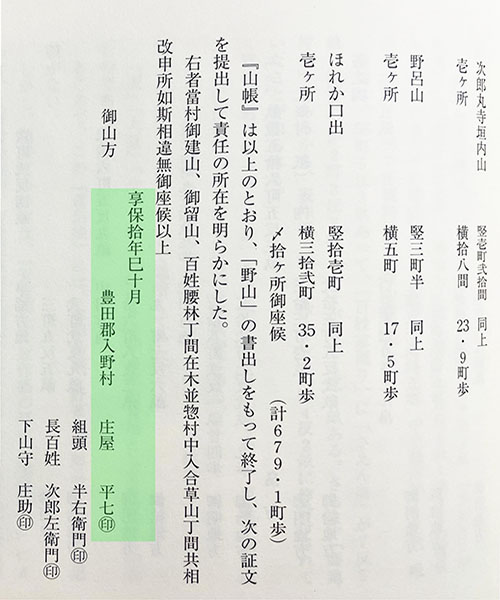
・・・ということを理解していたが、公式記録として、その7年後の1725年段階の「地域動態調査」の資料が確認できたのだ。そこには、明確に「庄屋・平七」という名前が記載されている。打ち毀しという一揆の政権批判行動の対象になったにも関わらず、他の百姓組織の責任者たちと連名で記録に記名捺印している。
江戸期の百姓一揆とは、非常に理性的な「政策変更嘆願」行動であり、打ち毀しなども非常に冷静な「抗議意思の表明」だったことが理解できる。また、現実の庄屋階層の屋敷打ち毀し行動は、他村の一揆衆が行って、同村のひとびとが関わることはなかったとされる。だから、一揆後でもこういう記述がごく普通に行われていたということだろう。
江戸期社会の「深層・真相」が伝わってくるように思われた次第・・・。
●お知らせ
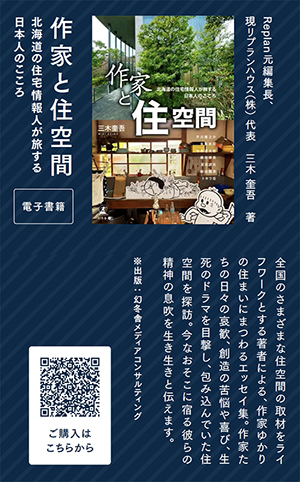
拙書「作家と住空間」幻冬舎から電子書籍で発刊
お求めはAmazonで。
https://amzn.asia/d/eUiv9yO
English version⬇
[Traces of My Ancestors in Official Records from 1725…]
In 1718, my ancestor, who served as a clerical official for the domain, was attacked by a group of rebels. However, seven years later, there is evidence of his name and seal appearing in official records…
Since acquiring the *Iri no Local History*, I have been tracing my ancestors’ footsteps, viewing it as a “400-year chronicle of life.”
Around 1712, within the territory of the Asano Domain in Aki Province, my ancestor Hara Heishichi had served as village headman for generations in Iri, Kawachi-cho, Higashi-Hiroshima City, Hiroshima Prefecture (which was a prominent village within the domain at the time). By the mid-Edo period, a structural crisis in the domain’s finances had become apparent. To rebuild the domain’s finances, the domain implemented policies aimed solely at boosting agricultural productivity and increasing rice yields. As part of these efforts, my ancestor was appointed as the “Administrative Officer” for the wider Toyoda District. He found himself on the front lines of implementing these policies.
From our perspective today, we can see that the Edo-period shogunate and domain system had reached an economic dead end, but they had no way of knowing this; their only option was to survive under the rule of “the authorities.”
Then, in 1718, a widespread peasant uprising erupted in response to the domain’s “tax increase” policy—a measure intended to rebuild its finances—and within Toyoda District alone, over 20,000 people lodged objections to the tax hike.
In an era when the national population was around 30 million, such a large number of people gathered in the Hiroshima domain.
From the perspective of today, where the population is simply four times larger, the fact that so many people gathered in just a small part of western Hiroshima Prefecture must have represented a massive “public will” that was beyond imagination. As a result, many of the domain’s tax increase policies were ultimately withdrawn. Amidst this, my family—which had been tasked with enforcing the tax policies on the ground—became the target of “Uchikudashi” demonstrations.
…I understood this, but I was able to confirm official records from a “Regional Dynamics Survey” conducted seven years later, in 1725. There, the name “Shōya Heishichi” is clearly listed. Despite being the target of the “Uchikudashi”—a form of uprising aimed at criticizing the government—he had signed and affixed his seal to the record alongside the leaders of other peasant organizations.
This demonstrates that peasant uprisings during the Edo period were highly rational acts of “petitioning for policy change,” and that even the “Uchikudashi” was a very calm “expression of protest.” Furthermore, it is said that the actual destruction of village headmen’s residences was carried out by rebels from other villages, and the people of the same village were not involved. Therefore, it seems that such descriptions were quite common even after the uprising.
It felt as though the “underlying truths” of Edo-period society were being revealed to me…
● Announcement
My book, “Writers and Living Spaces,” has been published as an e-book by Gentosha.
Available on Amazon.
共有:

Posted on 4月 10th, 2026 by 三木 奎吾
Filed under: 未分類



コメントを投稿
「※誹謗中傷や、悪意のある書き込み、営利目的などのコメントを防ぐために、投稿された全てのコメントは一時的に保留されますのでご了承ください。」
You must be logged in to post a comment.