
さて今回の旅路は北海道と九州の人間の「結縁」での孫の人生通過儀礼が主目的。
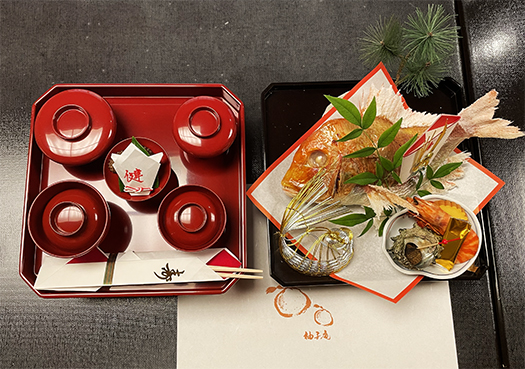
それに沿って孫にとっての人生「儀式」機会をともに過ごさせてもらった。戦後生まれの北海道人としては、まったく体験していなかったことを「初体験」。しかも男子の縁者として男性「最高齢者」ということで、お食い初め儀式の〝養い親〟という役目も務めておりました。
事前にWEBで以下の「作法」が縁者から示され、その役目を果たしていた次第。以下概要。
〜■お食い初め儀式のやり方 赤ちゃんと同姓の最年長者が果たす。男子なら祖父が膝に抱いて食べさせる真似をすることが多い。「飯椀→汁物→飯椀→焼き物」の順に食べ物を口元へ持っていき食べる真似をさせる。一般的な意味としては赤ちゃんを育ててくれる親という意味の言葉で伝統的な儀式の場では「長寿にあやかる」という大切な願いが込められた役割を指す。
●「歯固めの儀」 小石を用意しその小石を赤ちゃんにかませ「歯が丈夫になりますように」と祈願する。この小石は半紙に包み臍の緒と一緒に保存する。〜〜
・・・ということだそうです。
伝統的価値観からは比較的自由で、インターナショナルな価値観を受け入れ続けてきた北海道人には興味深く、いかにも「伝統的な人生儀礼」という気分でおりました。こういう通過儀礼が、北海道と九州人の結縁としてはふさわしいとも思っておりました。ニコニコと無事役目を完遂。孫は箸を口元に持っていくと、なんだかわからないままごく自然に「咥えよう」と反応(笑)。
この儀礼前には「水天宮総本宮」を無事の成長祈願のために参詣。源平の壇ノ浦で崩壊した平家の一位の局が、安徳天皇の御霊を慰めるために筑後川のほとりに祀ったのが始原とされる。
久留米のひとにとってこの水天宮は全国に広がる水天宮信仰の発祥地という強い思いがある。日曜日なので、たくさんの参詣者で、本殿内でありがたく神主さんの「お祝い」を受けさせていただいていました。クライマックスではまるで「瀧の水音」のような神楽鈴からの妙なる美音を浴びさせていただいていた。
〝養い親〟として神妙に、しかし内心では合理的北海道人の伝統的日本文化体験として、目が「醒まささる」思いで、たのしく過ごさせていただいた。キョトンとしつつもときどき笑顔を見せて神妙にしていた孫ともども、こういったご縁に深く感謝。
昨日の「怨念」的告白とは隔絶・超絶の神妙体験の1日(笑)。
●お知らせ
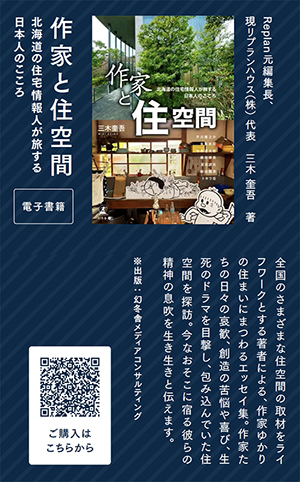
拙書「作家と住空間」幻冬舎から電子書籍で発刊
お求めはAmazonで。
https://amzn.asia/d/eUiv9yO
English version⬇
[Visiting Suitengu Shrine: Experiencing the Role of “Foster Parents” at the Okuizome Ceremony]
As a Hokkaido native accustomed to an international mindset, experiencing this kind of traditional rite of passage was a real eye-opener. It was a solemn yet joyful occasion filled with gratitude…
The main purpose of this trip was to participate in a rite of passage for my grandson, marking the “bond” between people from Hokkaido and Kyushu.
In line with that, I was able to share this life “ceremony” with my grandson. As a Hokkaido native born after the war, this was a “first-time experience” for me—something I had never experienced before. Moreover, as the “eldest male” among the relatives of the boy, I also served as the “godparent” for the Okuizome ceremony.
The relatives had provided the following “protocol” online in advance, and I carried out my duties accordingly. Here is a summary.
〜■How to Perform the Okuizome Ceremony: The oldest person sharing the baby’s surname performs this role. For a boy, the grandfather often holds the baby on his lap and mimics feeding him. The food is brought to the baby’s mouth in the order of “rice bowl → soup → rice bowl → grilled dish,” and the baby is made to mimic eating. In general terms, this refers to the parents who raise the baby, but in the context of this traditional ceremony, the role carries the important wish to “share in the baby’s longevity.”
● “Teeth-Hardening Ceremony” (Hagatame no Gi): A small stone is prepared and placed in the baby’s mouth while praying, “May your teeth grow strong.” This stone is wrapped in rice paper and preserved along with the umbilical cord. ~~
…That’s apparently how it goes.
As someone from Hokkaido—a region relatively free from traditional values and one that has consistently embraced international perspectives—I found this fascinating and truly felt the atmosphere of a “traditional rite of passage.” I also thought that such a rite of passage was fitting as a bond between people from Hokkaido and Kyushu. I completed my role with a smile. When my grandchild brought the chopsticks to their mouth, they instinctively reacted as if to “bite down” on them, without really knowing what was happening (laughs).
Before the ceremony, we visited the “Suiten-gu Sohon-gu” shrine to pray for his safe growth. It is said to have originated when Lady Ichii of the Heike clan, whose family was defeated at the Battle of Dan-no-ura between the Genji and Heike clans, enshrined Emperor Antoku’s spirit on the banks of the Chikugo River to console him.
For the people of Kurume, this Suiten-gu holds a strong significance as the birthplace of the Suiten-gu faith that has spread throughout the country. Since it was Sunday, the shrine was crowded with worshippers, and we were grateful to receive the Shinto priest’s “blessings” inside the main hall. At the climax, we were treated to the wondrous, beautiful sound of the kagura bells, which sounded just like “the rush of a waterfall.”
As a “foster parent,” I behaved reverently, though inwardly, as a rational Hokkaido native experiencing traditional Japanese culture, I felt my eyes being “opened” and had a wonderful time. I am deeply grateful for this opportunity, along with my grandchild, who looked a bit bewildered but occasionally smiled and remained solemn.
It was a day of profound spiritual experience, a world apart from yesterday’s “vengeful” confession (laughs).
● Announcement
My book, “Writers and Living Spaces,” has been published as an e-book by Gentosha.
Available on Amazon.
共有:

Posted on 5月 25th, 2026 by 三木 奎吾
Filed under: 未分類



コメントを投稿
「※誹謗中傷や、悪意のある書き込み、営利目的などのコメントを防ぐために、投稿された全てのコメントは一時的に保留されますのでご了承ください。」
You must be logged in to post a comment.