
さて佐賀県の探訪フィニッシュはこれまでも2回ほど来ている「吉野ヶ里遺跡」。
吉野ヶ里町は佐賀県でもいちばん九州の中央部に近接していて、高速道路網の九州でのセンターとも思える「鳥栖JC」からも近接している。名残惜しいのですが、佐賀県最後のポイントとしてはまことに「有終の美」感が迫ってくる。
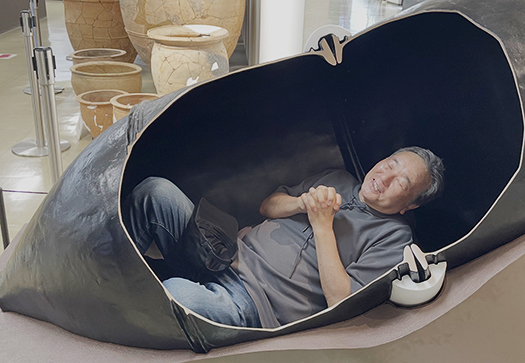
今回はお茶目なカミさんのはからいでわたしは「甕棺」入りの写真を取られてしまった(泣)。入って写真を取られることになると、不思議に輪廻感が内心に芽生えてきていました。弥生のこの頃、この列島社会ではこういう黄泉への旅立ちが「定め」とされていた実感が湧いていた。
歴史好きとしては、わたしの人生時間に発掘されて遺跡調査が進んだこの吉野ヶ里と、青森県の三内丸山には、格別の思いがある。数寄を深めてくれた遺跡として、過去の多くの日本人以上に「体験」させていただけたことに感謝しています。
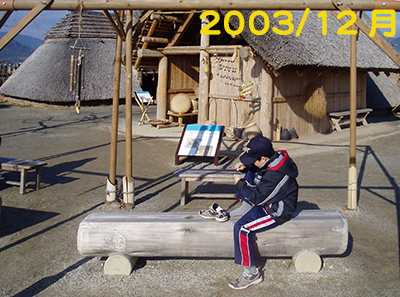
この写真は2003年の正月に小学校低学年だった息子を強制的に連れ立って訪問したときのもの。「こんな遺跡見物はもういやだ」感が出ている様子(笑)。かわいそうに・・・。
ま、しかし父親としては自分の数寄を「伝える」機会でもあるわけで、なんとも言えない。
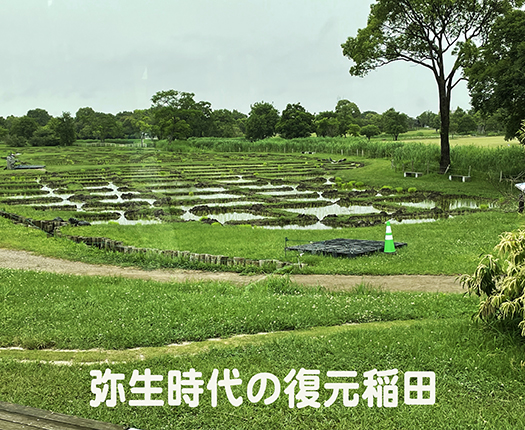
さて今回の訪問で「あ、もっと居たかったなぁ」と思えたのが上から2枚目の「田んぼ」写真。どうしても遺跡の復元建築にばかり興味が向かうけれど、園内を廻遊するバスから見えていた、この復元された稲作の痕跡のありようには、唸らされていた。
その規模感や、あぜ道、水路の作られようには、最新の研究知見が集約的に表現されていることが遠目にもあきらかだと感じられていた。「こんなふうに最初期の稲作はおこなわれていたのかなぁ」であります。日本の気候風土条件の中に展開されていった主食生産のコア構造。
まぁ研究探索はこういう遺跡現地での「実感」からスタートして、自分なりに深めて行くのにはWEBや書籍などを活用すればいい。本当にありがたい時代に「生かされている」ことを感じる。
今回の吉野ヶ里体験では「日本」という社会のさまざまな「最初期」というものについての知見が深まってきているのだと感じさせられていた。
家に帰ってこれらの写真を整理整頓し「数寄」を深めたいと思わされていました・・・。
●お知らせ
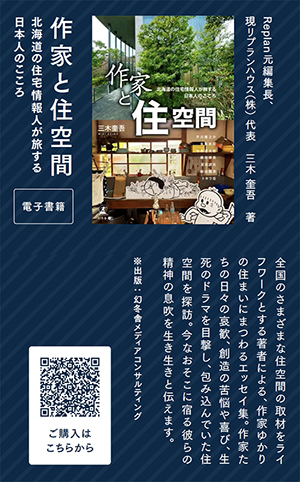
拙書「作家と住空間」幻冬舎から電子書籍で発刊
お求めはAmazonで。
https://amzn.asia/d/eUiv9yO
English version⬇
[Returning to Yoshinogari for the First Time in 23 Years: Contemplating the Jar Coffins…]
Yoshinogari and Sannai-Maruyama have dramatically deepened my passion for history. I’m grateful to have experienced these archaeological sites while I’m still alive—and I even ended up contemplating the jar coffins (lol)…
Well, the final stop on my tour of Saga Prefecture is the “Yoshinogari Ruins,” a place I’ve visited about twice before.
Yoshinogari Town is located in the part of Saga Prefecture closest to the center of Kyushu, and it’s also near the “Tosu Interchange,” which could be considered the hub of Kyushu’s expressway network. Although I’m a bit reluctant to leave, as the last stop in Saga Prefecture, it truly feels like a fitting finale.
This time, thanks to my playful wife’s scheme, I ended up having my picture taken inside a “jar coffin” (sob). As I stepped inside to have my photo taken, a strange sense of reincarnation began to stir within me. I could really feel that, back in the Yayoi period, this kind of journey to the afterlife was considered “fate” in the society of these islands.
As a history enthusiast, I have a special attachment to Yoshino-gari—which was excavated and studied during my lifetime—and Sannai-Maruyama in Aomori Prefecture. I am grateful that these sites, which have deepened my appreciation for history, have allowed me to “experience” them more fully than many Japanese people of the past.
This photo was taken during a visit I forced my son—who was in the lower grades of elementary school at the time—to join me on during the New Year holidays in 2003. He looks like he’s thinking, “I never want to visit ruins like this again” (lol). Poor thing…
Well, as a father, it was also an opportunity to “pass on” my own passion, so I can’t really say anything.
Now, what made me think, “Ah, I wish I could have stayed longer,” during this visit was the second photo from the top, the one of the “rice paddies.” While my interest inevitably gravitates toward the reconstructed ruins, I was truly impressed by the sight of these restored traces of rice cultivation, which I could see from the bus touring the grounds.
Even from a distance, it was clear that the scale of the site, along with the construction of the ridges and irrigation channels, was a concentrated expression of the latest research findings. It made me wonder, “Is this how rice farming was practiced in its earliest days?” The core structure of staple food production that evolved within Japan’s unique climate and geographical conditions.
Well, research and exploration start with this kind of “real-life experience” at the site itself, and I can use the internet and books to deepen my understanding in my own way. I feel truly grateful to be “living in” such a wonderful era.
This experience at Yoshinogari made me realize that my understanding of the various “earliest stages” of Japanese society is deepening.
I found myself wanting to go home, organize these photos, and further cultivate my “passion” for the subject…
● Announcement
My book, “Writers and Living Spaces,” has been published as an e-book by Gentosha.
Available on Amazon.
共有:

Posted on 5月 28th, 2026 by 三木 奎吾
Filed under: 未分類




コメントを投稿
「※誹謗中傷や、悪意のある書き込み、営利目的などのコメントを防ぐために、投稿された全てのコメントは一時的に保留されますのでご了承ください。」
You must be logged in to post a comment.