本文へジャンプ

【軟弱地盤対応型「木組み」と維新期・佐賀の英傑たち】


 きのうに続き、佐賀城の「構造」についての現地説明の補足。
 いわゆる「在来工法」といえば、室内空気と構造材からの「除湿」を最優先するその通風重視の思想に対して、北海道においては積雪寒冷条件に適合させるため「高断熱高気密化」の方向へと大きく技術進化させてきた歴史。いわばこれが北方圏の常識だけれど、ここ佐賀で出会ったのは明治までの木造技術の一断面として、日本の風土の基本的な難題である「軟弱地盤」対応に特化した、性能技術的な進化内容だった。
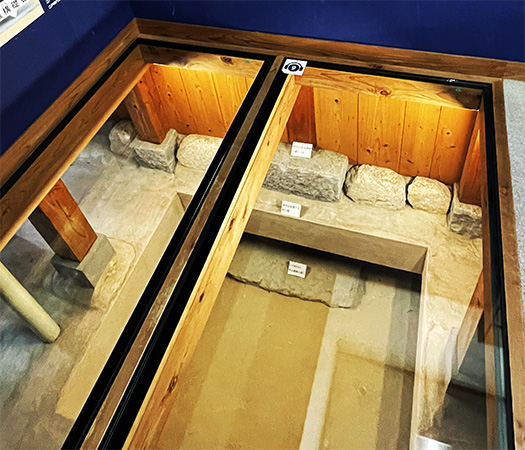
 1枚目の写真のように礎石を保護して建設された床下の上で、垂直方向の柱と水平方向の足固(あしがため)をガッチリと固定する独特の木組み技術。
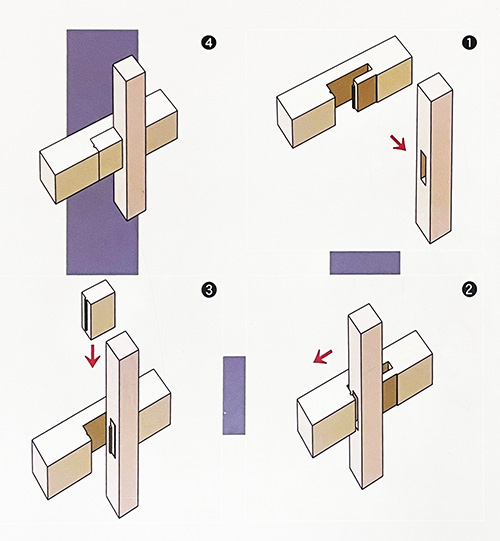
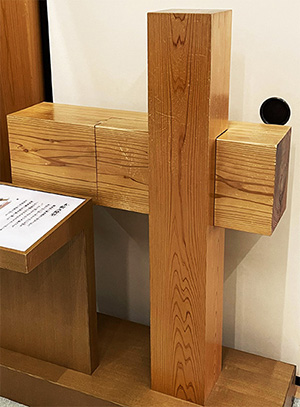
 2枚目のイラストと3枚目の模型が見せてくれる精緻な仕口(しぐち)は、建物のゆがみを極限まで抑え込み、泥深い佐賀平野の土壌を克服するための「佐賀独特」の工夫なのだということ。
 伝統工法の職人さんたちもまた、この佐賀藩という開明的で進歩的な風土の中で、果敢なチャレンジを行っていた。地元の建築関係者による地域特有の条件への飽くなき対応努力の痕跡に、専門外ながら非常に知的好奇心を揺さぶられてしまった。実に興味深い。

 そして、こうした「課題解決型」の開明的な風土が、維新期に驚くほど多くの社会変革人材を輩出したという事実に、不勉強ながらガツンと頭を叩き込まれたような衝撃を受けた。館内では藩主・鍋島直正、島義勇のほかに、佐賀が誇る「五人の英傑」たちが鮮やかに紹介されていた。
 ●佐野常民:藩精煉方の主任として先端科学を極め、のちに海軍創建や日本赤十字社の創設を成し遂げた男。
 ●副島種臣:外務卿として高い国際外交評価を得、のちに民撰議院設立建白書を提出した硬骨漢。
 ●大木喬任:東京府知事や初代文部卿を歴任し、近代日本の法体制と近代教育(学制)の基礎を確立した立役者。
 ●江藤新平:初代司法卿として司法権の独立と人権擁護の法制化に情熱を注ぎ、最期は島義勇と共に佐賀の乱で散った先駆者。
 ●大隈重信:早稲田大学の創立者であり、日本初の政党内閣を組織して内閣総理大臣に上り詰めた巨人。
 科学技術による軍事や建築のイノベーション(自己改革)を徹底的にやり抜いた佐賀藩だからこそ、その延長線上で、明治ニッポンの「法・教育・外交・医療」の骨格をデザインする天才たちが同時に育ったということか。
 明治維新という大転換が武家社会による壮大な「自己革命」の結果として達成された事実が、この佐賀城で非常にわかりやすいカタチで脳裏に焼き付けられた。この年齢にして、実に「基礎」学習をさせてもらった気分。
 

●お知らせ
拙書「作家と住空間」幻冬舎から電子書籍で発刊
お求めはAmazonで。
https://amzn.asia/d/eUiv9yO
English version⬇

[“Timber-Frame” Construction for Soft Soil and the Heroes of Saga During the Restoration Era]
Efforts to advance traditional construction techniques in the progressive Saga Domain. And it was this region’s innovative spirit that nurtured the key figures of Meiji-era Japan’s reforms. …

 Following up on yesterday’s post, here are some additional notes on the on-site explanation regarding the “structure” of Saga Castle.
While the so-called “traditional construction methods” prioritize ventilation—with the primary goal of “dehumidifying” indoor air and structural materials—Hokkaido has a history of significantly advancing its technology toward “high insulation and airtightness” to adapt to snowy and cold conditions. While this is, so to speak, standard practice in northern regions, what I encountered here in Saga was a specific aspect of wooden construction techniques dating back to the Meiji era—a performance-oriented technological evolution specifically tailored to address “soft ground,” a fundamental challenge of Japan’s climate and terrain.
 As shown in the first photo, this unique timber-framing technique firmly secures vertical posts and horizontal bracing to a raised floor constructed to protect the foundation stones.
 The intricate joints shown in the second illustration and the third model represent a “Saga-specific” innovation designed to minimize building distortion to the utmost extent and overcome the muddy soil of the Saga Plain.
 Craftsmen practicing traditional construction methods also took on bold challenges within the enlightened and progressive culture of the Saga Domain. Although I am not an expert in the field, I found my intellectual curiosity deeply piqued by the traces of the relentless efforts made by local architects to adapt to the region’s unique conditions. It is truly fascinating.

 Furthermore, I was struck—as if I’d been hit over the head—by the fact that this “problem-solving” and enlightened culture produced an astonishing number of leaders of social reform during the Meiji Restoration era, despite my own lack of knowledge on the subject. Inside the museum, alongside the feudal lord Naomasa Nabeshima and Yoshiyuki Shima, the “Five Heroes” of whom Saga is so proud were vividly introduced.
 ● Tsunehito Sano: A man who mastered cutting-edge science as the head of the domain’s refining department and later achieved the establishment of the Imperial Japanese Navy and the founding of the Japanese Red Cross Society.
 ● Taneomi Soejima: A man of unyielding character who earned high international acclaim as Minister for Foreign Affairs and later submitted a petition calling for the establishment of a popularly elected parliament.
 ● Takatoshi Ōki: A key figure who served as Governor of Tokyo Prefecture and the first Minister of Education, laying the foundations for modern Japan’s legal system and modern education (the School System).
 ● Shinpei Eto: A pioneer who, as the first Minister of Justice, devoted himself passionately to the independence of the judiciary and the legal protection of human rights, and who ultimately fell alongside Yoshitake Shima in the Saga Rebellion.
 ● Shigenobu Ōkuma: A giant of a figure who founded Waseda University and rose to become Prime Minister after organizing Japan’s first party-based cabinet.
 Perhaps it was precisely because the Saga Domain thoroughly pursued innovation (self-reform) in military affairs and architecture through science and technology that, as a natural extension of that spirit, geniuses capable of designing the framework of “law, education, diplomacy, and medicine” for Meiji Japan emerged simultaneously.
 The fact that the Meiji Restoration—a massive transformation—was achieved as the result of a grand “self-revolution” by samurai society was etched into my mind in a very clear and tangible way right here at Saga Castle. At my age, I feel as though I’ve truly been given a lesson in the “fundamentals.”
 

● Announcement
My book, *Writers and Living Spaces*, has been published as an e-book by Gentosha.
Available on Amazon.

【天保9(1838)年再建時の復元建築・佐賀城の構造】


 幕末から明治の動乱期に大きな影響力を与えた肥前佐賀藩。36万石余という外様藩のなかで8番目の石高という雄藩であり、藩主・鍋島直正は幕末屈指の名君として知られる。長崎からの海外情報にいち早く接することで経済を活性化させ、医学・科学技術・軍事技術などの近代化を驚異的なスピードで推し進めた。その先見性と実績が、のちの明治帝からの強い信頼へと繋がっていったのだろう。
 かれは明治政府でも議定や初代の「北海道開拓使長官」を務めたが、明治4年に早逝してしまう。もしもう少し長命であれば、その後の日本史、ひいてはわが北海道の歴史も少し違ったものになっていたかもしれない――そんな思いが頭をよぎることがある。
 現在に残る佐賀城本丸歴史館は、かれが天保9(1838)年に再建した本丸御殿の建物を忠実に復元させたものとされる。実地で見てみると、その建築構造としての完成度の高さに圧倒される思い。
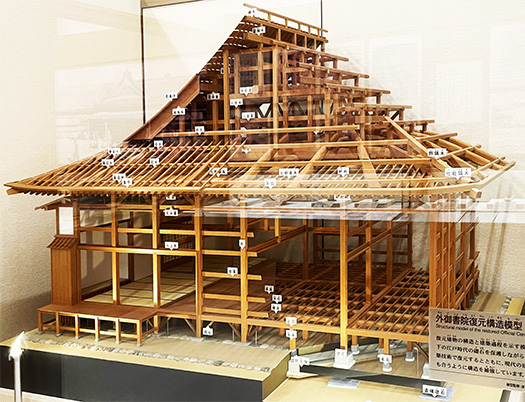
 1枚目の写真は展示されている外御書院の復元構造模型。礎石を保護して建設された床下や、複雑にからみあった天井裏の小屋組、防水の役目をする土居(どい)葺きの上に瓦を載せる仕組みなど、当時の知恵が視覚的に実によく理解できる展示になっていた。
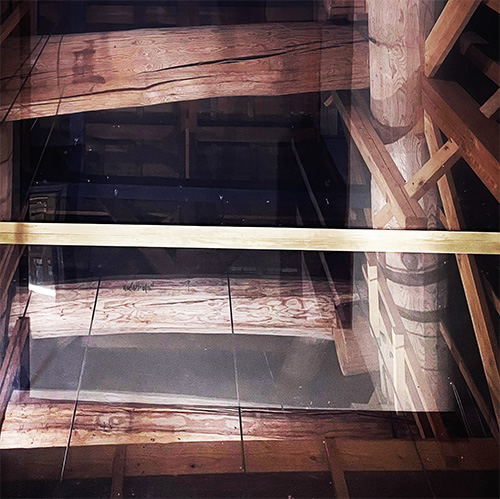
 2枚目の写真は大きな屋根を支える実際の「小屋組」で、館内では天井をガラス張りにして見せてくれていた。天井裏の木組みには周囲2m、長さ10mもの楠や杉の巨大丸太梁が縦横に組まれて、その迫力に息を呑む。
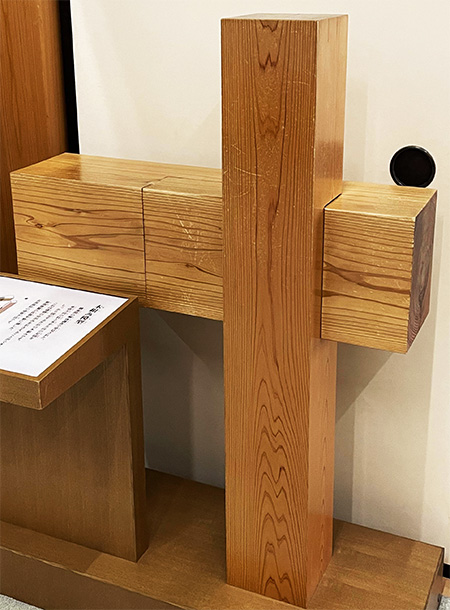
 さらに3枚目の写真のように、垂直方向の柱と水平方向の足固めを強固に固定する独自の木組み模型もあった。建物のゆがみを極限まで抑えるというこの工法は、軟弱地盤である佐賀平野特有の知恵なのだという。こうした合理的かつ強靭な建築工法を見ていると、のちに薩摩藩が技術を「教わりに来た」という、あの製鉄「反射炉」を完成させた佐賀藩の先端的な科学精神が、そのまま木造建築の構造にも息づいているように思えてならない。
 開拓使の初代長官である鍋島直正の病に伴って家臣・島義勇が「判官」となり、開拓の基本方針、首府・札幌の都市計画のグランドデザインを領導したわけですが、その後の「佐賀の乱」を経て、開拓のヘゲモニー(主導権)は薩摩閥へと握られていくことになっていく。

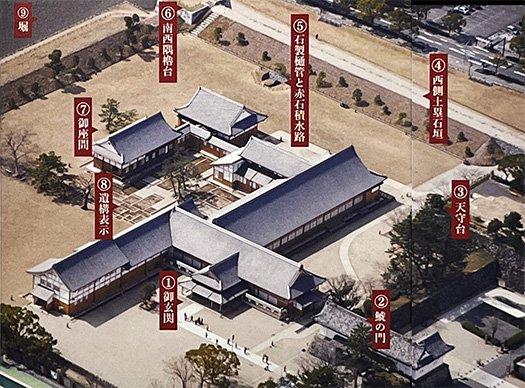
 4枚目の写真に広がる壮大な本丸の縄張りを眺めながら、もし鍋島直正がそのまま生きて長命であったなら、私たちの北海道は今ごろどんな風景を残していただろうか、と。
 佐賀城の端正な空間の中で、そんな歴史の異次元を静かに彷徨っていた。

●お知らせ
拙書「作家と住空間」幻冬舎から電子書籍で発刊
お求めはAmazonで。
https://amzn.asia/d/eUiv9yO

English version⬇

[The Structure of Saga Castle: A Reconstruction Based on the Design from Its Rebuilding in Tenpō 9 (1838)]
As a Hokkaido native with deep ties to the region, I found myself deep in thought, reflecting on the Saga Domain’s progressive spirit—evidenced by, among other things, the success of the “reflecting furnace,” a steel-making process directly linked to innovations in cannon technology. …

 The Hizen Saga Domain exerted significant influence during the turbulent period from the end of the Edo period through the Meiji era. It was a powerful domain, ranking eighth in kokudaka (rice yield) among the outer domains, with a kokudaka of over 360,000 koku; its lord, Naomasa Nabeshima, is known as one of the most renowned rulers of the late Edo period. By being among the first to access information from overseas via Nagasaki, he revitalized the domain’s economy and drove forward modernization in fields such as medicine, science and technology, and military technology at an astonishing pace. It was likely this foresight and track record that led to the strong trust he later earned from Emperor Meiji.
He served as a councilor in the Meiji government and as the first “Commissioner-General of the Hokkaido Development Commission,” but he passed away prematurely in Meiji 4. Sometimes the thought crosses my mind that if he had lived a little longer, the subsequent history of Japan—and by extension, the history of our Hokkaido—might have unfolded somewhat differently.
 The Saga Castle Honmaru History Museum that stands today is said to be a faithful reconstruction of the Honmaru Palace, which he rebuilt in Tenpō 9 (1838). Seeing it in person, one is overwhelmed by the high level of craftsmanship in its architectural structure.
 The first photo shows a scale model of the reconstructed Otsu-no-Shoin on display. The exhibition provided a visually clear understanding of the wisdom of the time—from the floor structure built to protect the foundation stones, to the intricately interwoven roof trusses in the ceiling cavity, and the system of laying roof tiles over the “doi” that serves as a waterproof layer.
 The second photo shows the actual “roof trusses” supporting the large roof; inside the museum, the ceiling was made of glass to allow visitors to view them. The wooden framework in the attic features massive round beams of camphor and cedar—2 meters in circumference and 10 meters long—arranged in a crisscross pattern, and their sheer scale is breathtaking.
 Furthermore, as shown in the third photo, there was a model of a unique timber-framing technique that firmly secures the vertical posts to the horizontal bracing. This construction method, designed to minimize building distortion to the utmost extent, is said to be a unique solution developed specifically for the Saga Plain, which is characterized by soft ground. Observing such rational and robust architectural techniques, I cannot help but feel that the cutting-edge scientific spirit of the Saga Domain—which later enabled them to complete the iron-smelting “reflecting furnace” that the Satsuma Domain came to “learn” from—is very much alive in the structure of this wooden architecture.
 When Naomasa Nabeshima, the first Commissioner of the Development Commission, fell ill, his retainer, Yoshiyuki Shima, assumed the role of “Vice-Commissioner” and led the formulation of the basic policies for the development project as well as the grand design for the urban planning of the capital, Sapporo. However, following the subsequent “Saga Rebellion,” hegemony (leadership) over the development project gradually shifted into the hands of the Satsuma faction.

As I gazed at the vast grounds of the Honmaru spread out in the fourth photograph, I wondered: if Naomasa Nabeshima had lived a long life, what kind of landscape would our Hokkaido have retained by now?
 Amid the elegant spaces of Saga Castle, I quietly wandered through that alternate dimension of history.

● Announcement
My book, *Writers and Living Spaces*, has been published as an e-book by Gentosha.
Available on Amazon.


【薩長土肥の維新主導/佐賀藩の実力】


 北海道は明治維新によって欧米列強に学び、同時にその脅威と対峙することになった日本社会にとって、「北門の鎖鑰(さやく)」とされ、ロシア南下政策の脅威への最前線地域とされた歴史があります。
 その明治維新は、いわゆる「薩長土肥」勢力が主体となって江戸幕府を倒しました。最後の「肥」こそが肥前・鍋島藩であり、先日も書いたように、その維新の主力人材・島義勇が明治帝の詔勅と開拓三神を背負って札幌にやってきたことをもって、わが街の始原としています。
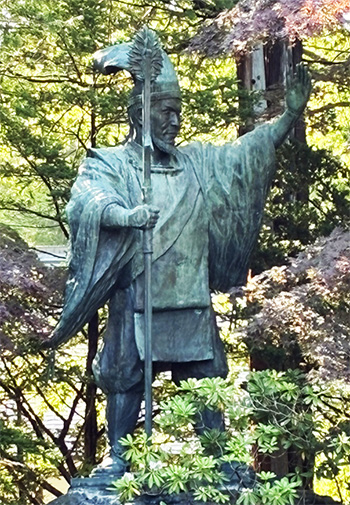
 1枚目の写真は、わたしの朝の散歩道である北海道神宮にいまも残されている島義勇の像。こころなしか「やぁ、北海道でヨロシクね(笑)」とでも挨拶されているようで、個人的に大好きな像であります。
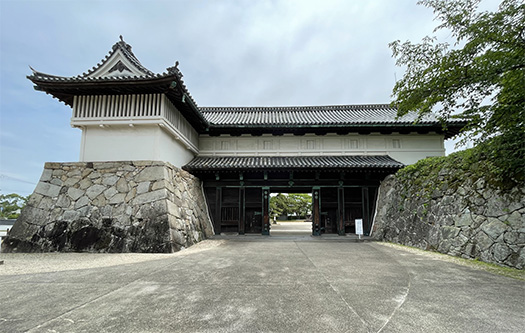
 今回、その彼の故地である佐賀市中心部の佐賀城(4枚目の写真・40407-04-1.jpg)を訪ね、城内の展示を参観していたときのこと。案内の方が同伴して色々と解説をしてくださったのですが、わたしが「この島義勇さんには、札幌で毎日のように会っていますよ」と話したところ、「おお、よくぞ言ってくれた!」とばかりに歓喜爆発。
 ついついこちらもテンションが上がって「いやぁ、薩長土肥と一緒にされるけれど、薩摩は実に奸佞(かんねい)で……」と案内の方のホンネが大爆発(笑)。
 案内人の方には「それはまぁ……」と差し障りのない対応をさせていただいたものの、歴史の熱が伝わったのか、どんどんと口舌が激されていく。北海道からの旅人・異邦人としては、内心「同じ九州なんだから仲良く、よろしく(笑)」と思うのですが、それだけ島義勇や江藤新平を誇りに思い、悼む気持ちが、いまも佐賀の人々の胸の奥に深く納められているのだなと、こちらも居住まいを正される思いでした。
 幕末期の肥前佐賀藩は、長崎に近くいち早く西洋の科学技術や産業を取り入れ、近代国家の基盤となる制度作りに貢献しました。大隈重信、江藤新平、そして島義勇。島は1874年(明治7年)2月の「佐賀の乱」で非業の死を遂げることになりますが、彼らを生んだ佐賀の地力は凄まじいものがあります。


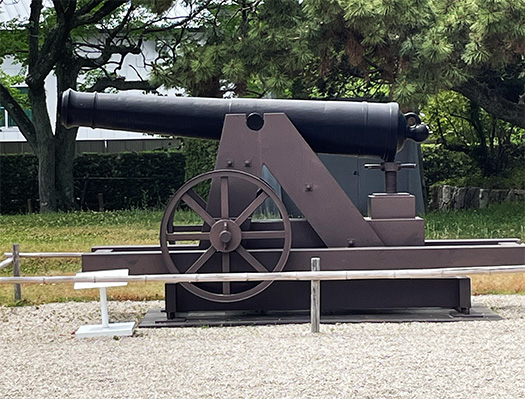
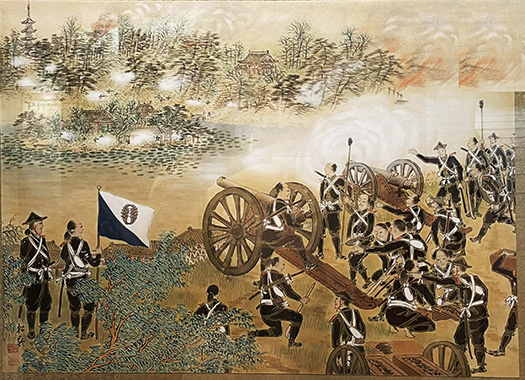
 この写真の大砲や、錦絵が語るように、肥前は近代的な製鉄技術である「反射炉」を国内でいち早く完成させ、そこから製造した強力な大砲によって幕府軍を凌駕していったとされています。
 そして驚いたのは、その極限の高温に耐えるレンガや鋳造技術の基礎には、有田や唐津などの「焼き物・陶器」の伝統技術が下支えしていたのだという事実。
 伝統の美意識が、巡り巡って近代国家の軍事力と、北海道の開拓へと繋がっていく。
 「そうか、そこか!」と、腑に落ちる感動に満ちた佐賀城探訪でありました。

●お知らせ
拙書「作家と住空間」幻冬舎から電子書籍で発刊
お求めはAmazonで。
https://amzn.asia/d/eUiv9yO

English version⬇

[The Satsuma-Chōshū-Tosa-Higo Leadership of the Meiji Restoration / The Power of the Saga Domain]
This is the final stop on my tour of the four domains that served as the driving force behind the Meiji Restoration. I’m finally visiting the birthplace of Shima Yoshiyuki, the “Pioneer Magistrate,” whom I often encounter on my daily walks…

 Hokkaido has a history of being regarded as the “key to the northern gate” for Japanese society—a society that, following the Meiji Restoration, sought to learn from the Western powers while simultaneously confronting the threats they posed—and was considered the frontline region against the threat of Russia’s southward expansion.
 The Meiji Restoration was led primarily by the so-called “Satsuma-Chōshū-Tosa-Higo” factions, which overthrew the Edo Shogunate. The final “H” in that acronym refers to the Hizen-Nabeshima Domain, and as I wrote the other day, the founding of our city is traced back to the arrival in Sapporo of Shima Yoshiyuki—a key figure in the Restoration—who came bearing the imperial edict of Emperor Meiji and the “Three Gods of Land Development.”
 The first photo (40407-4-4.jpg) shows the statue of Yoshiyuki Shima that still stands at Hokkaido Jingu, which is part of my morning walking route. It almost feels as if he’s saying, “Hey, nice to meet you here in Hokkaido (laughs),” and it’s a statue I personally love very much.
 On this trip, I visited Saga Castle (fourth photo: 40407-04-1.jpg) in central Saga City, his hometown, and was touring the exhibits inside the castle grounds. A guide accompanied me and provided various explanations, but when I mentioned, “I see this statue of Yoshiyuki Shima almost every day in Sapporo,” the guide burst into joy, as if to say, “Oh, I’m so glad you said that!”
 I couldn’t help but get caught up in the excitement myself, and before I knew it, the guide’s true feelings came pouring out: “Well, he’s often grouped with the Satsuma-Chōshū-Tosa-Higo alliance, but Satsuma was truly treacherous…” (laughs).
Although I responded to the guide with a diplomatic “Well, that’s…” to avoid causing any trouble, perhaps my passion for history came through, because his words grew increasingly impassioned. As a traveler and outsider from Hokkaido, I found myself thinking inwardly, “We’re all from Kyushu, so let’s get along (laughs),” but I was also struck by the realization that the pride in and grief for figures like Shima Yoshiyuki and Eto Shinpei are still deeply rooted in the hearts of the people of Saga—a realization that made me sit up straight with renewed respect.
 During the late Edo period, the Hizen Saga Domain—located near Nagasaki—was quick to adopt Western science, technology, and industry, contributing to the creation of the institutional foundations of a modern nation. Shigenobu Ōkuma, Shinpei Eto, and Yoshiyuki Shima. Although Shima met a tragic end during the “Saga Rebellion” in February 1874 (Meiji 7), the strength of Saga—the land that gave birth to these men—is truly remarkable.

 As the cannons and ukiyo-e prints in this photograph suggest, Hizen is said to have been one of the first regions in Japan to successfully develop the “reflecting furnace”—a modern iron-smelting technology—and to have gained the upper hand over the shogunate’s forces with the powerful cannons produced using this technology.
 What was surprising, however, was the fact that the traditional techniques of “pottery and ceramics” from places like Arita and Karatsu formed the foundation for the bricks and casting techniques capable of withstanding those extreme temperatures.
 The aesthetic sensibilities of tradition, in a full circle, led to the military power of a modern nation and the development of Hokkaido.
It was a visit to Saga Castle filled with a sense of deep understanding and emotion—I found myself thinking, “Ah, so that’s it!”

● Announcement
My book, *Writers and Living Spaces*, has been published as an e-book by Gentosha.
Available on Amazon.
 

【唐津から佐賀市へは山道の一般国道一択、むむむ】


 さて、唐津という魅力的な街に別れを告げ、県庁所在都市・佐賀市のお城見物へ向かった。
書いてきた通り、九州全県を回るのが今回のツアーの初心であり、その中でも佐賀県というのは大分県と並んで、全国でなぜかこれまで一度も来たことがなかった。まぁ北海道人としては特別に用事がなければ、九州では福岡中心に、鹿児島までの中央部縦断型の旅路が一般的でしょうね。
 そういうこともあって、佐賀県という存在への知見はまったくないに等しい。
 有田や唐津といった「焼き物・陶芸」というイメージがある程度で、あとは北海道の開拓期に「肥前(佐賀)」の島義勇が、北海道神宮の主祭3神を天皇の命令で背中にくくりつけて(背負って)持ってきてくれたことへの感謝の念を持っているというところだろうか。これはわたしのふだんの散歩道として、北海道神宮を朝、参拝するのが日課になっていることが大きい。わたし以外の人は、あまり縁を感じないかも知れない。
 わたしもその程度しか知識がなく、佐賀県についての正確なMAP感すら持っていなかった。事前に訪問先を調べておくこともカミさんにすべてお任せで、せいぜい縁づいた福岡県久留米市周辺について、すこし知識を得ていた程度。まぁ成り行き任せ、カーナビ任せのノー天気旅(笑)。

 まぁでも、そういうカラッポが無垢にその土地を感じられ、ジワジワとくる感じが楽しい。
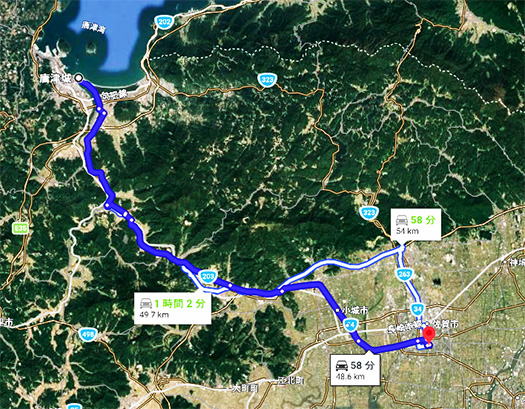
 ・・・なんですが、2泊した唐津から早朝に佐賀市の中心部に向かって走り始めて、カーナビに任せていたルートなのに、どこまでも一般道を走っていることに気付く。自分でもそれくらいは事前に調べろよ、と思うのですが、高速道路になかなかたどりつかない。
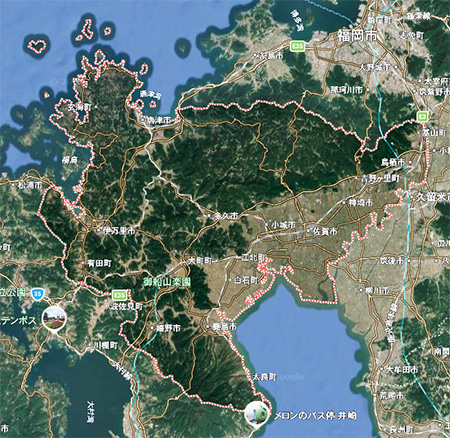
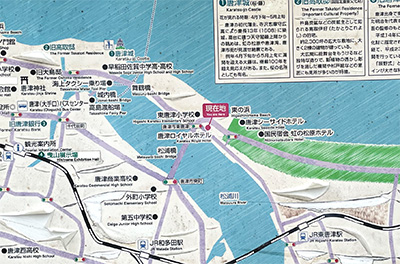
 2枚のMAPの通り、一応断続的に高速道路はあるのだけれど、かえって遠回り(一般道で48.6km、高速併用で54km)になっていた。ナビが選んだのは山林を縦断する国道203号線。日本海・玄界灘から県庁所在地への重要動線とは思えないほどの見事な「山道」ぶりでした。
 北海道で札幌から各主要都市に行くのに、メインが高速道路ではないというのはなかなか遭遇しないので、ちょっと驚き半分の道中体験。佐賀市というのは県の各地域の「中心」的な交通動線とは言い切れないのだなぁ、という実体験。
 でもそれが九州の地形や風土、そして地域の歴史の縮尺を感じさせてもらったドライブで、非常に印象深いモノがありました。

●お知らせ
拙書「作家と住空間」幻冬舎から電子書籍で発刊
お求めはAmazonで。
https://amzn.asia/d/eUiv9yO

English version⬇

[The only way from Karatsu to Saga City is via a mountain road on a national highway—hmm…]
This is a carefree trip where I’ve left all the travel planning to my wife. It’s nice to be spontaneous, but we’ve reached the point where I’m thinking, “Wait, aren’t we on the highway yet?” …

 Well, after bidding farewell to the charming town of Karatsu, I headed to Saga City, the prefectural capital, to visit the castle.
As I’ve mentioned before, the original goal of this tour was to visit every prefecture in Kyushu, and among them, Saga Prefecture—along with Oita Prefecture—was one of the few places in the country I, for some reason, had never visited before. Well, as someone from Hokkaido, unless I have a specific reason to go elsewhere, my typical trip to Kyushu usually centers on Fukuoka and follows a route running north-south through the central region all the way to Kagoshima.
 For that reason, my knowledge of Saga Prefecture was practically nonexistent.
 My impression was limited to the “pottery and ceramics” associated with places like Arita and Karatsu, and perhaps a sense of gratitude for the fact that during Hokkaido’s pioneering era, Shima Yoshiyuki of “Hizen (Saga)” brought the three principal deities of Hokkaido Jingu Shrine to Hokkaido by tying them to his back (carrying them) on the Emperor’s orders. This is largely because visiting Hokkaido Jingu in the morning has become part of my daily routine—it’s my usual walking route. Other people might not feel much of a connection to the place.
 My knowledge was limited to that extent as well; I didn’t even have a clear mental map of Saga Prefecture. I left all the research on where to visit to my wife beforehand, and at most, I’d gained a little knowledge about the Kurume area in Fukuoka Prefecture, which I had some connection to. Well, it was a carefree trip where I just went with the flow and relied on the car’s GPS (lol).

 But actually, that kind of blank slate allows me to experience the land with a pure, innocent eye, and I enjoy the way the feeling gradually sinks in.
 …That said, after spending two nights in Karatsu, I set off early in the morning toward the center of Saga City. Even though I was following the route the GPS suggested, I realized I was driving on local roads with no end in sight. I thought to myself, “You should’ve checked that much beforehand,” but I just couldn’t seem to get onto the expressway.
As shown on the two maps, there are expressways here and there, but taking them actually made for a longer route (48.6 km on local roads vs. 54 km using a mix of local and expressways). The navigation system had chosen National Route 203, which cuts straight through the mountains and forests. It was such a spectacular “mountain road” that it was hard to believe it was a major route connecting the Sea of Japan and the Genkai Sea to the prefectural capital.
 In Hokkaido, it’s quite rare to travel from Sapporo to major cities without using the expressway as the main route, so this was a journey that left me half surprised. It was a firsthand experience that made me realize Saga City cannot be described as the “central” transportation hub for all regions of the prefecture.
 However, it was a drive that allowed me to get a sense of the scale of Kyushu’s topography, climate, and regional history, and it left a very deep impression on me.

● Announcement
My book, *Writers and Living Spaces*, has been published as an e-book by Gentosha.
Available on Amazon.

【玄界灘・日本海/江戸期までの日本史の主舞台】


 九州佐賀県・唐津探訪篇であります。
 北海道の人間として長く生きてきたのですが、一線を離れたこともあって近年は四国や近畿、中国地方などを巡り歩くことが「数寄」になってきています。とくに島根県や鳥取県、さらには「海の京町家」として知られる「伊根の舟屋」などを探訪してからは、その都市集落形成に深く「日本海交易」が関わっていたことが遠雷のように響いてきて、日本人としての心象をえぐられるような思いに深く沈殿させられています。
 北海道もたしかに小樽・函館など、主に日本海を舞台とする交易圏で生かされてきた歴史があります。
しかし、戦後以降の社会を生きてきた実感からすると、千歳空港からひとまたぎで移動できる「東京とのつながり」が最大のものになっていったなかで生きてきたように思っている。事実としてビジネスを考えれば、現代では東京とのつながりをどう担保し続けるかがキモでしょうね。
なんだけれど、いわば日本人的なこころの底部には、この環日本海的な景観が胸に迫ってくる(笑)。
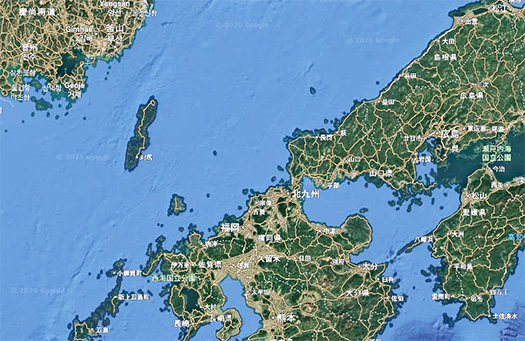
 2枚目の広域地図を見ても分かる通り、この海は地続きのようにして北陸、東北、そして北海道へと繋がっています。イマドキは忘却されはじめた「演歌」の世界があるけれど、あの短調の旋律はいかにもこの日本海で生きてきた日本人の生き様が反映しているように感じられてならない。
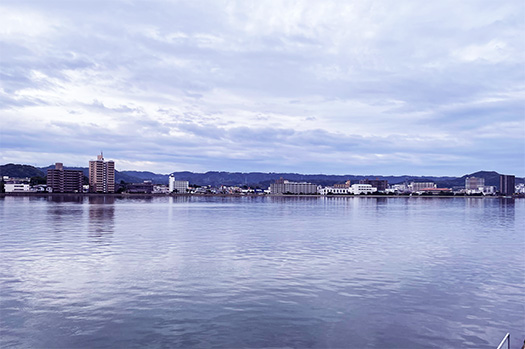
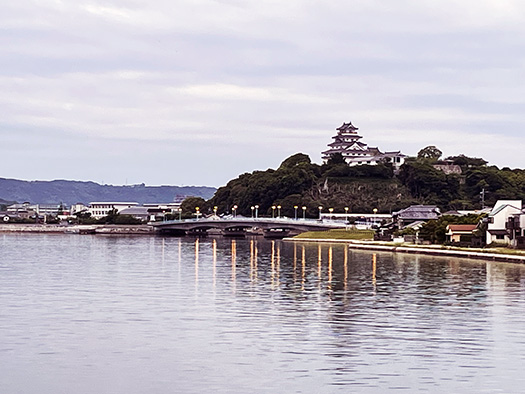
 1枚目の写真は、九州唐津の「内海」的な水面に面した街並みの様子。滞在したホテルはこういう静謐な臨海景観を見せてくれていたので、そういう歴史のリズム感に浸っていました。

 司馬遼太郎さんは江戸期の日本人で誰に会いたいか、と自ら問うて「高田屋嘉兵衛」を挙げていた。
 瀬戸内海海運の世界に生まれた彼は、独立して北前交易の世界を縦横に生き切った男のように思っている。最後にはたったひとりで日本社会の商道徳のようなものでロシア人と「相互理解」を創造して、硬直した幕府の外交を強制的に変更させたのだと思う。そういう人間を生み出したのが、環日本海の交易が持つ「開明性」だったのだと思える。
 その交易圏の最西端とも思える唐津の臨海ぶりを見て、湧き上がってくるロマンチズムがある。ながく日本社会の物流を支え、アジア世界との関係性の主要ルートでもあった。とくに北九州・玄界灘に面したこうした風景は、魏志倭人伝の頃からの連綿とした交流をも呼び覚まされる。すべてを包み込んできた歴史の「母性」を感じてたまらなかった・・・。

●お知らせ
拙書「作家と住空間」幻冬舎から電子書籍で発刊
お求めはAmazonで。
https://amzn.asia/d/eUiv9yO

English version⬇

[Genkai Sea and Sea of Japan / The Main Stage of Japanese History Through the Edo Period]
The scenery of the westernmost stretch of sea along Hokkaido’s Sea of Japan coast, which has long been connected through trade. I can’t help but feel the melodies of enka welling up inside me (laughs). …

 This is the Karatsu Exploration Edition from Saga Prefecture, Kyushu.
Although I’ve lived most of my life in Hokkaido, having stepped back from the front lines of my career, traveling around Shikoku, the Kinki region, and the Chugoku region has become a “passion” of mine in recent years. Especially since visiting Shimane and Tottori Prefectures—and in particular the “Ine Funaya,” known as the “Kyoto-style townhouses of the sea”—the realization that “trade across the Sea of Japan” was deeply involved in the formation of these urban settlements has resonated with me like a distant thunderclap, leaving a profound impression that cuts deep into my identity as a Japanese person.
 Hokkaido, too, certainly has a history of being sustained by trade circles centered primarily on the Sea of Japan, such as those in Otaru and Hakodate.
However, based on my personal experience of living in postwar society, I feel as though I’ve lived in an era where the “connection to Tokyo”—accessible in a single leap from Chitose Airport—has become the most significant factor. As a matter of fact, from a business perspective, the key issue today is how to continue securing that connection with Tokyo.
And yet, deep down in the Japanese psyche, so to speak, this panoramic view of the Sea of Japan really tugs at my heartstrings (laughs).
 As you can see from the second wide-area map, this sea connects seamlessly to the Hokuriku, Tohoku, and Hokkaido regions. There’s a world of “enka” music that’s starting to fade from memory these days, but I can’t help but feel that those melancholic melodies truly reflect the way of life of the Japanese people who have lived by the Sea of Japan.
The first photo shows the townscape of Karatsu, Kyushu, facing a “landlocked sea”-like body of water. The hotel where I stayed offered this kind of serene seaside view, so I found myself immersed in that sense of historical rhythm.

 When asked whom he would most like to meet from Edo-period Japan, Ryotaro Shiba named “Kabe Takadaya.”
 Born into the world of Seto Inland Sea shipping, I see him as a man who struck out on his own and lived life to the fullest, crisscrossing the world of the Kitamae trade. In the end, I believe he single-handedly forged “mutual understanding” with the Russians—based on a kind of Japanese business ethics—and forced the rigid shogunate to change its diplomatic stance. I feel that it was the “enlightened spirit” inherent in trade around the Sea of Japan that gave rise to such a man.
 Looking at the seaside scenery of Karatsu—which seems to mark the westernmost edge of that trade sphere—a sense of romanticism wells up within me. For a long time, it supported the logistics of Japanese society and served as a major route for relations with the Asian world. In particular, these landscapes facing the Genkai Sea in Northern Kyushu evoke memories of the unbroken exchange that has continued since the time of the “Record of the Wa People” in the *Wei Zhi*. I couldn’t help but feel the “motherly warmth” of history that has embraced it all…

● Announcement
My book, *Writers and Living Spaces*, has been published as an e-book by Gentosha.
Available on Amazon.

【足下からアラート・土踏まずの痛み/対応作戦】


 さて、このブログでもいかにも「ドヤ顔」で日々の健康維持のために1日1万歩超の散歩習慣を公言してきましたが、ここ1-2週間前くらいから徐々に足下からアラートが発信されてきていた。左足の土踏まずの部分からの「痛み」であります。
 それまでも多少の「違和感」を感じることはあって、ウォーキングシューズ選びではいろいろ店頭で悩みまくっていた。お店のみなさん、面倒客でごめんなさい、であります。
 いま履いているウォーキングシューズは、そういう経過を経て「ま、これならいいんでないかなぁ」と実際に履いてみて選択してきたもの。
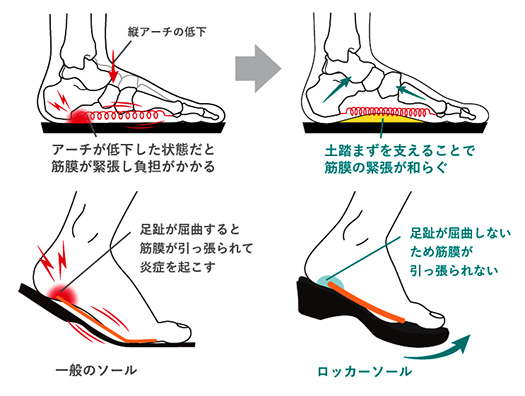
 しかし前記のように、徐々にアラートが強まってきている次第。それでも特段ウォーキングに支障が出ている段階ではないので、病院ではなく、痛みを和らげ対応する作戦で調べはじめております。<上の写真はその調査プロセスで見たWEBページでAKAISHIさんという靴メーカーのHPより>

 靴の選択で科学的に歩行運動を分析して、自分に適した選択をするみたいなことは、これまで思い至らなかった。どうやら「足の縦アーチの低下」などが関係していそうです。前向きに考えて見れば、加齢と言うことはこういったことにも気付かせてくれる。高齢期というものを迎えた人間として、多少は後の人のために役に立つことをと考えてみれば、こういう実地検証も意味があるでしょう。
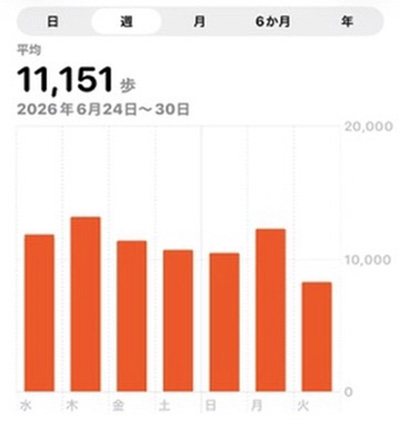
 とりあえず今は身体状況の原因を突き止めつつ、まずは歩数についてムリをせずにペースダウンさせて、1日1万歩から8,000歩ほどにすることにしました。2枚目の写真はiPhoneのヘルスケアアプリの歩数推移。1週間単位ですがコンスタントに1万超えだったものを昨日は8,302歩に。

 本日からは、このデータと分析を元に、本格的に「靴選び」と「インソール」の検討を進めていきたいと思っています。
この年齢になって来て自分の数寄は、いろいろな土地を探訪して、そこでの「人間と住宅・建築空間」を実地で体感することにあるのだと思っています。そのためにはまず、健康に「歩けること」が大前提。しっかりとそれを自分でコントロールして自由度を確保しておきたいのですね。
 そのためにしっかりと「歩いて探せる」ほどには、まだまだ痛みは軽いレベル。日常生活的にはまったく痛みは感じておりません。さて、どうなることやら……。

●お知らせ
拙書「作家と住空間」幻冬舎から電子書籍で発刊
お求めはAmazonで。
https://amzn.asia/d/eUiv9yO

English version⬇

[Alert: Pain in the Arch of the Foot / Action Plan]
Today, I’m taking a slight detour from my travel diary. This is the emergency response edition of “Walking Ability,” a fundamental requirement for freedom of movement. I want to address this properly while it’s still mild. …

 Now, on this blog, I’ve been proudly boasting about my habit of walking over 10,000 steps a day to stay healthy, but recently—for the past week or two—I’ve gradually started getting warning signs from my feet. Specifically, I’ve been feeling “pain” in the arch of my left foot.
 I’d felt a slight “discomfort” even before that, and I’d spent ages agonizing over which walking shoes to buy while browsing in stores. To everyone at the stores: I’m sorry for being such a hassle.
 The walking shoes I’m wearing now are the ones I finally chose after going through that process, thinking, “Well, I guess these will do,” after actually trying them on.
 However, as mentioned earlier, the warning signs have been gradually getting stronger. Still, since it hasn’t reached the point where it’s particularly hindering my walking, I’ve decided to skip the doctor and start researching ways to alleviate the pain and manage it on my own.
 It never occurred to me before that I could scientifically analyze my gait to choose the right shoes for me. Looking on the bright side, getting older does make me aware of things like this. As someone who has entered old age, I think this kind of hands-on research is meaningful if it can be of some help to future generations.
 For now, my priority is to pinpoint the cause of this physical condition—the pain in the arch of my foot—and gradually explore possible solutions. However, regarding my step count, I’ve decided to ease up and slow down my pace, reducing it from 10,000 steps a day to around 8,000. The second photo shows my step count trend from the iPhone Health app. While it’s recorded on a weekly basis, my count had consistently exceeded 10,000, but yesterday it dropped to 8,302 steps.
 Starting today, I’d like to focus on researching “shoe selection” and “insoles.”
At my age, I’ve come to realize that my passion lies in exploring various regions and experiencing firsthand the relationship between “people, housing, and architectural spaces” in those places. To do that, being able to walk healthily is an absolute prerequisite. I want to maintain control over that and ensure I have the freedom to do so.
 Fortunately, the pain is still mild enough that I can “walk and explore” to my heart’s content. I don’t feel any pain at all in my daily life. Well then…

● Announcement
My book, *Writers and Living Spaces*, has been published as an e-book by Gentosha.
Available on Amazon.
 

【佐賀県唐津/城と水路に抱かれる庶民のくらし】


 さて、薩摩鹿児島にはたった1日で弾丸往復したのだけれど、デジタル写真を整理整頓すればするほどに、その土地で感じていたことが脳内に復元されてきてなかなか静止してくれない(笑)。おいおいであります。この他にも九州を全県回ったので、たくさんの記憶が積層しているのだ(笑)。どうもデジタル写真というものには、そういう脳内刺激を起こす「機縁」が仕組まれているように思えてならない。
 人類と写真映像との「付き合い」は、まだそう長い時間経過してはいない。
 日本社会で言えば、まだ100年前後の経験にしか過ぎないのだろう。それまでの人類の「映像」体験とは比較にならないほどの量的な記憶蓄積環境、とくに画像デジタル化によって「自分の脳活動経験」を濾過した画像が、ひとりひとりに巨大保存され続けているのだろう。
 こういったいわば「記憶資産」の可能性は大きいと思える。
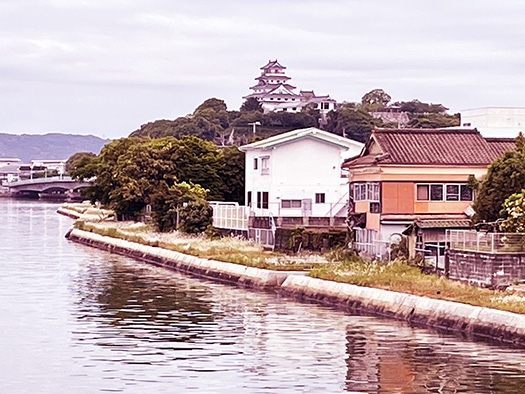
 ・・・ということですがキリがないので(笑)、本日の写真は佐賀県唐津の様子であります。
 わたしは人生時間を札幌を主として、一時期東京で過ごし、東北各地や関西各地を転々と旅客的に過ごしてきたけれど、近年、高齢期になって夫婦で四国・九州を巡る機会を得ている。とくに札幌や東京(横浜市域)では城郭と「濠」の風景というものとはまったく無縁だった。そういう存在が日々の暮らしの背景風景になるということを想像したしたことすらない。歴史は大好きで武士の世の光芒をみつめることが数寄なのに、そういうものが日常生活的に親和している風景には縁がなかった。
 唐津という都市はたまたまカミさんが選んでくれた土地だけれど、数日間の滞在だったけれど、その生活感・息づかいにすっかり耽溺してしまっていた。滞在中にはカミさんが城の近くの病院に掛かっていたりしたので、ホテルから送迎していて、暮らし的な実感も得られていた。
 観光ばかりの目線ではない、生きる環境という側面まで感じられた。そして写真を整理していると、そのような生きた感覚が呼び覚まされてくる。人為的利用と自然条件の合体した運河の風情、それが城郭という剥き出しの暴力的権力と調和した時間を、この風景は見せてくれるけれど、「なんもさ」というような庶民の暮らしの穏やかさも、そこから伝わってくる。・・・という「やはり」旅人の目線。

●お知らせ
拙書「作家と住空間」幻冬舎から電子書籍で発刊
お求めはAmazonで。
https://amzn.asia/d/eUiv9yO

English version⬇

[Karatsu, Saga Prefecture / Everyday Life Amid Castles and Waterways]
The daily lives of ordinary people set against a landscape shaped by both natural topography and man-made waterways. Digital photographs that bring this sense of life to the surface and invite close examination. The explosive power of mental stimulation. …

 Well, I made a whirlwind round trip to Satsuma-Kagoshima in just one day, but the more I organize my digital photos, the more the feelings I had there come flooding back into my mind and just won’t settle down (lol). It’s quite something. On top of that, I’ve visited every prefecture in Kyushu, so I have layers upon layers of memories piling up (lol). I can’t help but feel that digital photos are somehow designed to trigger this kind of mental stimulation.
 Humanity’s “relationship” with photography and visual imagery hasn’t been going on for very long.
 In the context of Japanese society, it’s probably only been around 100 years. We now live in an environment where memories accumulate on a scale incomparable to humanity’s previous “visual” experiences—especially with the digitization of images, which allows each of us to continuously store vast amounts of images that have been filtered through our own brain activity.
 I believe the potential of this so-called “memory asset” is enormous.
 …But since this could go on forever (laughs), today’s photo shows a scene from Karatsu in Saga Prefecture.
 I’ve spent most of my life in Sapporo, with a stint in Tokyo, and have traveled extensively as a tourist throughout various parts of Tohoku and Kansai. In recent years, now that I’m getting older, my wife and I have had the opportunity to tour Shikoku and Kyushu together. In particular, in Sapporo and Tokyo (the Yokohama area), I was completely unfamiliar with the scenery of castles and “moats.” I had never even imagined that such sights could form the backdrop of daily life. Although I love history and take great pleasure in contemplating the splendor of the samurai era, I had never encountered a landscape where such elements were so intimately woven into everyday life.
Karatsu was a place my wife happened to choose, and although our stay was only a few days, I found myself completely captivated by its sense of daily life and the rhythm of the town. During our stay, my wife had appointments at a hospital near the castle, so I drove her back and forth from the hotel, which gave me a real sense of what life there is like.
 I was able to sense not just the tourist perspective, but the aspect of it as a living environment. And as I sort through my photos, that vivid sense of life is reawakened. This landscape reveals a time when the charm of the canal—a fusion of human intervention and natural conditions—harmonized with the raw, violent power of the castle walls, yet it also conveys the tranquility of ordinary people’s lives, as if to say, “It’s nothing special.” …Such is the “typical” traveler’s perspective.

● Announcement
My book, *Writers and Living Spaces*, has been published as an e-book by Gentosha.
Available on Amazon.


【薩摩島津家訪問。鹿児島は江戸期「藩」が残照する】


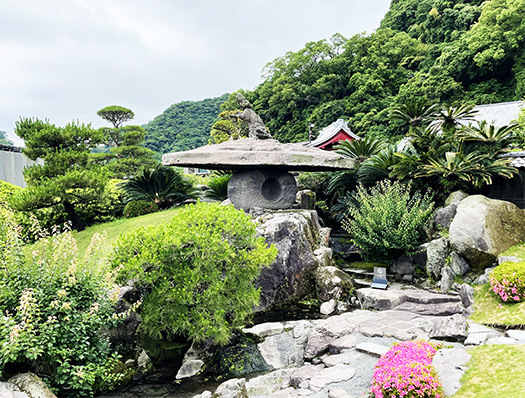
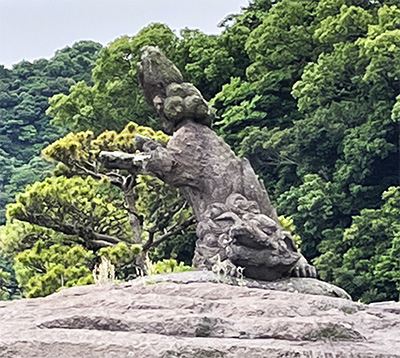
 5/28に訪問していた鹿児島県の「仙巌園」地域篇。この薩摩・島津家の屋敷地・磯に残っている邸宅は当然、島津家の建築遺構をベースにしたモノ。写真は「獅子乘大石灯籠」という石灯籠。
 大名家の私邸ということで当然ながら、その「好み」のようなものが反映したエクステリア装置。由緒書きには以下の説明。
 〜29代島津忠義が明治17年(1884)に造らせた園内最大の石灯籠です。灯籠の上部には、江戸時代の別邸、花倉御仮屋にあった飛獅子が乗っています。笠石はかつて磯浜の海岸にあったもので、たたみ 8畳ほどの大きさがある非常に大きなものです。〜
 わたしは北海道で寒冷地での家づくりの様相を映し出す住宅雑誌を志してきた人間。北海道は全国各地から集まってきた人びとが、その積雪寒冷というキビシイ自然風土に耐えて生きていけるように、まずは防寒性を満たすことに意識を集中させて住文化を作ってきた。
 そのプロセスでは基本的には住宅内部の居住環境要件に心底があって、冬場には積雪して屋根からの落雪による危険性もあって「庭園」文化へのこだわりは、それほどの興味は持たれなかった。せっかく丹精込めた庭を造作しても、北海道に似合う樹種選定やその保守管理を一生懸命にやったとしても、半年はその庭木の「越冬」保護のための作業に追われ、やっと半年の「楽しむ」時間はなかなか見出しにくかったと言えるのだろうか。やはり「雪対応」というのが北海道人の住宅についての半屋外部位での興味の大半を占めている。その機能的処理こそが屋外空間への興味の大半を占めているというのがホンネ。
 そういう人間には、こういう「石灯籠」へのフェッチに「異国」感。
 家臣である黒田清隆や永山武四郎などは北海道開拓と深く関係して、薩摩藩には強い繋がりを意識させられますが、こういう気候風土に根ざす住文化の隔絶ぶりには目が点にさせられる。
 薩摩藩という存在は、藩主が「ところでオレはいつ将軍になれるのだ」と明治維新後、家臣に話した逸話が示すように、最後まで生き残った大名家ということなのでしょう。石灯籠に示される武家貴人の偏愛ぶり住文化に、思いが沈殿するような時間でした。

●お知らせ
拙書「作家と住空間」幻冬舎から電子書籍で発刊
お求めはAmazonで。
https://amzn.asia/d/eUiv9yO

English version⬇

[A Visit to the Satsuma Shimazu Clan: Kagoshima, Where the Afterglow of the Edo-Period “Han” Lingers]
The “smug” lifestyle of the samurai aristocracy. While the strong influence of their vassals remains in Hokkaido, a sense of unease creeps in…

 This is the “Sengan-en” regional feature from my visit to Kagoshima Prefecture on May 28. The residence remaining on the Iso site—the former estate of the Satsuma Shimazu clan—is, of course, based on the architectural remains of the Shimazu family. The photo shows a stone lantern called the “Lion-Riding Large Stone Lantern.”
As the private residence of a daimyo family, the exterior features naturally reflect their personal tastes. The historical plaque provides the following explanation:
 “This is the largest stone lantern in the garden, commissioned by the 29th head of the Shimazu clan, Tadayoshi, in Meiji 17 (1884). Perched atop the lantern is a flying lion that once stood at the Edo-period villa, Hanakura Okariya. The capstone was originally found on the coast of Isohama and is exceptionally large, measuring about eight tatami mats in size.”
 I am someone who has dedicated myself to publishing a home design magazine in Hokkaido that reflects the characteristics of home construction in cold climates. In Hokkaido, people who have gathered from all over the country have built a housing culture focused first and foremost on meeting thermal insulation requirements, so that they can endure and live in the harsh natural environment of heavy snowfall and extreme cold.
 In this process, the primary focus has always been on the living environment inside the home. Given the snow accumulation in winter and the danger posed by snow falling from the roof, there hasn’t been much interest in cultivating a “garden” culture. Even if one went to the trouble of meticulously crafting a garden and worked hard to select tree species suited to Hokkaido and maintain them, one would be so busy for half the year with tasks to protect those trees during the winter that it would be difficult to find even half a year to actually “enjoy” the garden. After all, “snow management” accounts for the majority of Hokkaido residents’ interest in the semi-outdoor aspects of their homes. The truth is that this functional approach is what drives most of their interest in outdoor spaces.
 To people like that, this fascination with “stone lanterns” feels “exotic.”
While vassals like Kiyotaka Kuroda and Takeshiro Nagayama were deeply involved in the development of Hokkaido, reminding us of the strong ties to the Satsuma Domain, the sheer disconnect between their residential culture and the local climate and environment leaves one speechless.
 The Satsuma Domain was, after all, one of the last daimyo families to survive until the very end—as illustrated by the anecdote in which the domain lord reportedly asked his vassals after the Meiji Restoration, “By the way, when am I going to become shogun?” It was a moment when my thoughts sank into the residential culture of the samurai aristocracy, as reflected in their particular fondness for stone lanterns.

● Announcement
My book, *Writers and Living Spaces*, has been published as an e-book by Gentosha.
Available on Amazon.

【住宅解体作業を見学。お見事のひとこと。】


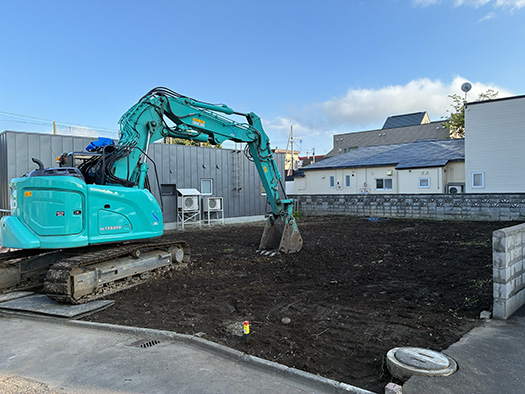
 4−5日前からご近所で住宅解体工事が行われていて、散歩の道すがら見学させていただいていた。
 ご近所なので時折騒音が発生したりするし、どうも建築の様式としてブロック造と木造のハイブリッド的な建てられ方だったので、興味も増していた。敷地面積は目測で80-100坪前後。油圧ショベル(バックホー・ユンボ)のほぼ標準タイプとおぼしき重機で作業していた。
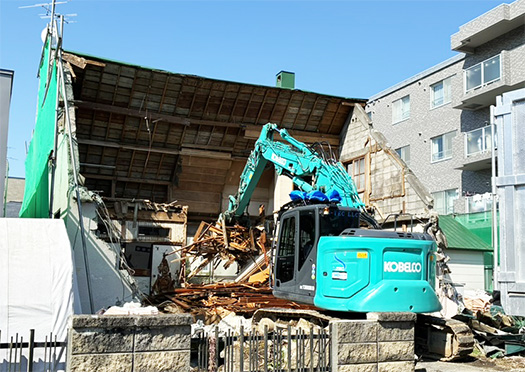
 上の写真はその途中状況。こういう作業にも「作法」があることは、この写真でも理解できる。外部側に建材の飛散などが生じないように、内部と外部の「構造」をわきまえながら、慎重に作業していた。写真の右側にはコンクリートブロックの壁面が三角屋根の形状のままにきれいに姿を現している。
 内部は木造で造作されていたようで、柱梁や床材などを重機で「つかんで」道路脇で待っている運搬用のトラックの荷台に器用に運び出している。動きにムダがなく、また素人目にもムリも感じられない。人間の作業意思が正確に発揮されている様子は、見ている側にも伝わってきていた。
 こういう様子は隣人としてありがたい。
 日常生活に対して多少の不都合〜道路のある程度の「専有」による人間動線の変更などはあっても、このように自制的で配慮の行き届いた作業を見せられると、内心では徐々に「応援」したくなってくる。実際に夕方に作業を手仕舞いしている瞬間に遭遇して「おつかれさま。作業、安心してみさせてもらいましたよ」と声掛けしたら、おお、とよろこびの表情で応えてくれていた。たぶん近所のひとに自分の工事作業がひょっとして迷惑になっているのではないかと、内心で心配していたかのよう。声掛けにそういう意図がないと知れて、思わず安堵の念が盛り上がったかのようだった。
 そして、下の写真は昨日の夕方、雨が上がってまた10,000歩越えの散歩の帰り道、覗いてみた様子。
 重機の安定を心がけているような「作業終了」の様子。いいね。
 戦後社会で旺盛に新築されてきた住宅建築。人口縮小局面で、これからこういう解体工事も増えていく趨勢でしょう。なにより安全第一の姿勢で、市民の日常生活を守っていって欲しいですね。

●お知らせ
拙書「作家と住空間」幻冬舎から電子書籍で発刊
お求めはAmazonで。
https://amzn.asia/d/eUiv9yO

English version⬇

[Observing a House Demolition Project. All I can say is, “Impressive!”]
The trend is for new construction to decline, while rebuilds, relocations, and renovations are on the rise. Demand for demolition work like this is likely to increase as well. A firsthand look at the work in progress…

 For the past 4–5 days, a house has been undergoing demolition in my neighborhood, and I’ve been watching the process while out on my walks.
 Since it’s right next door, there’s been some noise from time to time, and because the building seemed to be a hybrid of concrete block and wood construction, my interest kept growing. The lot area is roughly 80–100 tsubo, based on a rough estimate. They were working with what appeared to be a standard hydraulic excavator (backhoe or “yumbo”).
 The photo above shows the work in progress. As you can see from this photo, there is a “proper procedure” even for this kind of work. They were working carefully, mindful of the “structure” between the interior and exterior, to prevent building materials from scattering outside. On the right side of the photo, a concrete block wall is neatly emerging, retaining the shape of the triangular roof.
 The interior appeared to have been constructed of wood, and the workers were using heavy machinery to “grab” the posts, beams, and flooring materials, skillfully hauling them out onto the bed of a transport truck waiting by the roadside. Their movements were efficient, and even to a layperson’s eye, there was no sense of strain. The way the workers’ intent was precisely executed was clearly evident to anyone watching.
 As a neighbor, I’m grateful to see this kind of work.
 Even though there are some inconveniences in daily life—such as having to adjust my route due to the road being partially “occupied”—when I witness work carried out with such self-restraint and consideration, I gradually find myself wanting to “root for” them in my heart. In fact, when I happened to see them wrapping up for the day in the evening and said, “Good work today. I felt completely at ease watching you work,” they responded with a delighted “Oh!” It seemed as though they had been secretly worried that their construction work might be causing a nuisance to the neighbors. Once they realized there was no such intention behind my comment, a sense of relief seemed to well up in them.
 And the photo below shows what I saw yesterday evening on my way back from a walk—another one exceeding 10,000 steps—after the rain had stopped.
 It looks like they’re wrapping up the work while taking care to stabilize the heavy machinery. Nice.
 Housing construction boomed in the postwar era. With the population now in decline, we’ll likely see more demolition projects like this in the future. Above all, I hope they’ll prioritize safety to protect the daily lives of citizens.

● Announcement
My book, *Writers and Living Spaces*, has been published as an e-book by Gentosha.
Available on Amazon.

【高齢人口向け新領域開発は、アタマの整理整頓から】


 高齢期だけれど、そのスタンスを逆に生かしての新領域開発。ジミジミ取り組んでおります。
 まぁ直接的にビジネスというよりも高齢期の人間の「人生ふりかえり」のきっかけ作りとでも呼べるような企図。
 現代社会では、世界中で高齢者人口割合が増えていく。そしてその最先端に日本はトップランナーで差し掛かりつつある。この状況要因はこれまで否定的に捉えられてきたけれど、むしろこれを肯定的に捉えて「新領域」開発につなげる「地鎮」的な取り組みか。
 とりあえず、アタマのなかではひとつの領域アイデアが出現したのですが、それを組み立てて行くには、同時に「底固め」的なものが必要になってくる。高齢者なので既に所有しているのに、まだ気付かれていない情報資産の概念の確定から。
 仕事人生では新事業への取り組みをやってきた自分なりに高齢期の面白領域と感じてゆったり格闘中。いまは友人知人たちに少し情報開示してその反応から、目星を落とし込み中。さて。
 本日は関東以南地域では梅雨まっ盛りのような雨模様だそうで、しかも台風の通過も近々想定されているとのこと。札幌でも昨晩からけっこうな土砂降りであります。最近ずっと毎日10,000歩以上の散歩運動量なのですが、自分自身でも多少は「怠け心」ムクムク気味(笑)。どうするかなぁ・・・。
 それと活発化してきている日本列島の地震発生ぶり。昨日の岩手県沖地震に引き続いて、昨晩は山梨県で局地的な震度6発生とのこと。どうもやや用心が肝心という局面に差し掛かってきているように思える。
 こういう状況のなかでは、油断なく災害に備えていくべきでしょうね。用心。
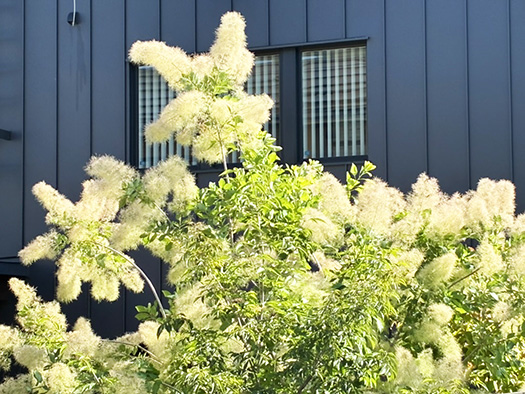
 <写真はご近所の花。スモークツリー。ボリュームのあるふわふわとした白い「煙」が個性的>

●お知らせ
拙書「作家と住空間」幻冬舎から電子書籍で発刊
お求めはAmazonで。
https://amzn.asia/d/eUiv9yO

English version⬇

[Developing New Areas for the Elderly Starts with Getting Your Thoughts in Order]
It’s been pouring rain today for the first time in a while. It makes me want to skip my walk (lol). The flowers on the smoke tree seem to be mocking me…

 Although I’m in my later years, I’m using that very fact to my advantage to develop new areas. I’m steadily working on this.
 Well, rather than being directly about business, it’s more of an initiative aimed at creating opportunities for older adults to “reflect on their lives.”
 In modern society, the proportion of the elderly population is increasing worldwide. And Japan is emerging as a frontrunner at the forefront of this trend. While this trend has traditionally been viewed negatively, perhaps this is a “groundbreaking” initiative that reframes it positively and channels it into developing “new frontiers.”
 For now, an idea for one such frontier has emerged in my mind, but to flesh it out, I need to lay a solid foundation. Starting with defining the concept of information assets—assets that older adults already possess but haven’t yet realized they have.
 Having spent my working life tackling new business ventures, I’m currently taking my time grappling with what I personally find to be an intriguing area of focus in my later years. Right now, I’m sharing a bit of information with friends and acquaintances and using their reactions to narrow down my options. Well then.
 It seems the rain today is typical of the peak of the rainy season in regions south of the Kanto region, and a typhoon is also expected to pass through soon. Here in Sapporo, it’s been pouring quite heavily since last night. Lately, I’ve been walking over 10,000 steps every day, but even I’m starting to feel a bit of “laziness” creeping in (laughs). I wonder what to do…
 Also, earthquakes along the Japanese archipelago are becoming more frequent. Following yesterday’s earthquake off the coast of Iwate Prefecture, there was a localized magnitude 6 quake in Yamanashi Prefecture last night. It seems we’re entering a phase where it’s essential to be a bit more cautious.
 In situations like this, we should stay vigilant and prepare for disasters. Be careful.
 

● Announcement
My book, “Writers and Living Spaces,” has been published as an e-book by Gentosha.
Available on Amazon.