
九州佐賀県・唐津探訪篇であります。
北海道の人間として長く生きてきたのですが、一線を離れたこともあって近年は四国や近畿、中国地方などを巡り歩くことが「数寄」になってきています。とくに島根県や鳥取県、さらには「海の京町家」として知られる「伊根の舟屋」などを探訪してからは、その都市集落形成に深く「日本海交易」が関わっていたことが遠雷のように響いてきて、日本人としての心象をえぐられるような思いに深く沈殿させられています。
北海道もたしかに小樽・函館など、主に日本海を舞台とする交易圏で生かされてきた歴史があります。
しかし、戦後以降の社会を生きてきた実感からすると、千歳空港からひとまたぎで移動できる「東京とのつながり」が最大のものになっていったなかで生きてきたように思っている。事実としてビジネスを考えれば、現代では東京とのつながりをどう担保し続けるかがキモでしょうね。
なんだけれど、いわば日本人的なこころの底部には、この環日本海的な景観が胸に迫ってくる(笑)。
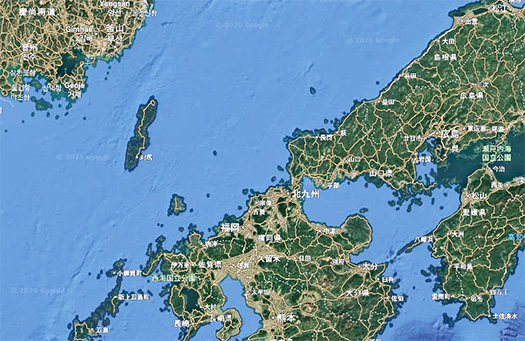
2枚目の広域地図を見ても分かる通り、この海は地続きのようにして北陸、東北、そして北海道へと繋がっています。イマドキは忘却されはじめた「演歌」の世界があるけれど、あの短調の旋律はいかにもこの日本海で生きてきた日本人の生き様が反映しているように感じられてならない。
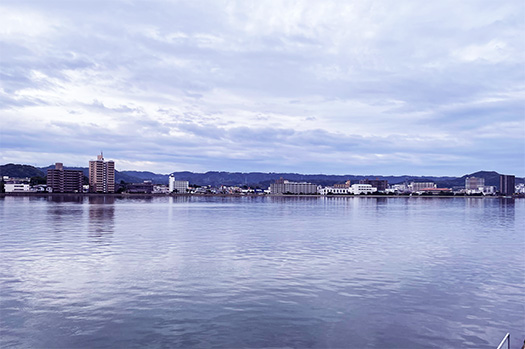
1枚目の写真は、九州唐津の「内海」的な水面に面した街並みの様子。滞在したホテルはこういう静謐な臨海景観を見せてくれていたので、そういう歴史のリズム感に浸っていました。
司馬遼太郎さんは江戸期の日本人で誰に会いたいか、と自ら問うて「高田屋嘉兵衛」を挙げていた。
瀬戸内海海運の世界に生まれた彼は、独立して北前交易の世界を縦横に生き切った男のように思っている。最後にはたったひとりで日本社会の商道徳のようなものでロシア人と「相互理解」を創造して、硬直した幕府の外交を強制的に変更させたのだと思う。そういう人間を生み出したのが、環日本海の交易が持つ「開明性」だったのだと思える。
その交易圏の最西端とも思える唐津の臨海ぶりを見て、湧き上がってくるロマンチズムがある。ながく日本社会の物流を支え、アジア世界との関係性の主要ルートでもあった。とくに北九州・玄界灘に面したこうした風景は、魏志倭人伝の頃からの連綿とした交流をも呼び覚まされる。すべてを包み込んできた歴史の「母性」を感じてたまらなかった・・・。
●お知らせ
拙書「作家と住空間」幻冬舎から電子書籍で発刊
お求めはAmazonで。
https://amzn.asia/d/eUiv9yO
English version⬇
[Genkai Sea and Sea of Japan / The Main Stage of Japanese History Through the Edo Period]
The scenery of the westernmost stretch of sea along Hokkaido’s Sea of Japan coast, which has long been connected through trade. I can’t help but feel the melodies of enka welling up inside me (laughs). …
This is the Karatsu Exploration Edition from Saga Prefecture, Kyushu.
Although I’ve lived most of my life in Hokkaido, having stepped back from the front lines of my career, traveling around Shikoku, the Kinki region, and the Chugoku region has become a “passion” of mine in recent years. Especially since visiting Shimane and Tottori Prefectures—and in particular the “Ine Funaya,” known as the “Kyoto-style townhouses of the sea”—the realization that “trade across the Sea of Japan” was deeply involved in the formation of these urban settlements has resonated with me like a distant thunderclap, leaving a profound impression that cuts deep into my identity as a Japanese person.
Hokkaido, too, certainly has a history of being sustained by trade circles centered primarily on the Sea of Japan, such as those in Otaru and Hakodate.
However, based on my personal experience of living in postwar society, I feel as though I’ve lived in an era where the “connection to Tokyo”—accessible in a single leap from Chitose Airport—has become the most significant factor. As a matter of fact, from a business perspective, the key issue today is how to continue securing that connection with Tokyo.
And yet, deep down in the Japanese psyche, so to speak, this panoramic view of the Sea of Japan really tugs at my heartstrings (laughs).
As you can see from the second wide-area map, this sea connects seamlessly to the Hokuriku, Tohoku, and Hokkaido regions. There’s a world of “enka” music that’s starting to fade from memory these days, but I can’t help but feel that those melancholic melodies truly reflect the way of life of the Japanese people who have lived by the Sea of Japan.
The first photo shows the townscape of Karatsu, Kyushu, facing a “landlocked sea”-like body of water. The hotel where I stayed offered this kind of serene seaside view, so I found myself immersed in that sense of historical rhythm.
When asked whom he would most like to meet from Edo-period Japan, Ryotaro Shiba named “Kabe Takadaya.”
Born into the world of Seto Inland Sea shipping, I see him as a man who struck out on his own and lived life to the fullest, crisscrossing the world of the Kitamae trade. In the end, I believe he single-handedly forged “mutual understanding” with the Russians—based on a kind of Japanese business ethics—and forced the rigid shogunate to change its diplomatic stance. I feel that it was the “enlightened spirit” inherent in trade around the Sea of Japan that gave rise to such a man.
Looking at the seaside scenery of Karatsu—which seems to mark the westernmost edge of that trade sphere—a sense of romanticism wells up within me. For a long time, it supported the logistics of Japanese society and served as a major route for relations with the Asian world. In particular, these landscapes facing the Genkai Sea in Northern Kyushu evoke memories of the unbroken exchange that has continued since the time of the “Record of the Wa People” in the *Wei Zhi*. I couldn’t help but feel the “motherly warmth” of history that has embraced it all…
● Announcement
My book, *Writers and Living Spaces*, has been published as an e-book by Gentosha.
Available on Amazon.
共有:

Posted on 7月 2nd, 2026 by 三木 奎吾
Filed under: 未分類




コメントを投稿
「※誹謗中傷や、悪意のある書き込み、営利目的などのコメントを防ぐために、投稿された全てのコメントは一時的に保留されますのでご了承ください。」
You must be logged in to post a comment.