
北海道は明治維新によって欧米列強に学び、同時にその脅威と対峙することになった日本社会にとって、「北門の鎖鑰(さやく)」とされ、ロシア南下政策の脅威への最前線地域とされた歴史があります。
その明治維新は、いわゆる「薩長土肥」勢力が主体となって江戸幕府を倒しました。最後の「肥」こそが肥前・鍋島藩であり、先日も書いたように、その維新の主力人材・島義勇が明治帝の詔勅と開拓三神を背負って札幌にやってきたことをもって、わが街の始原としています。
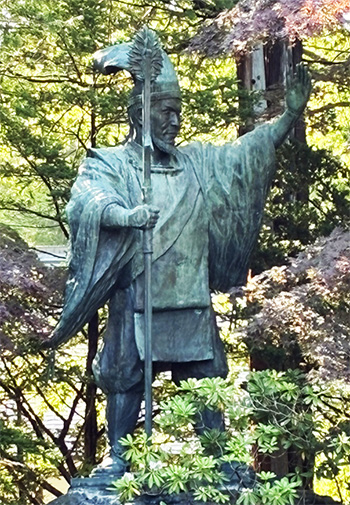
1枚目の写真は、わたしの朝の散歩道である北海道神宮にいまも残されている島義勇の像。こころなしか「やぁ、北海道でヨロシクね(笑)」とでも挨拶されているようで、個人的に大好きな像であります。
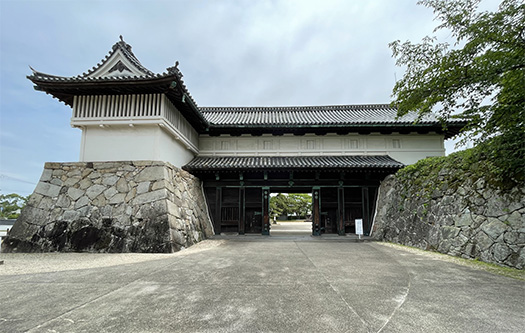
今回、その彼の故地である佐賀市中心部の佐賀城(4枚目の写真・40407-04-1.jpg)を訪ね、城内の展示を参観していたときのこと。案内の方が同伴して色々と解説をしてくださったのですが、わたしが「この島義勇さんには、札幌で毎日のように会っていますよ」と話したところ、「おお、よくぞ言ってくれた!」とばかりに歓喜爆発。
ついついこちらもテンションが上がって「いやぁ、薩長土肥と一緒にされるけれど、薩摩は実に奸佞(かんねい)で……」と案内の方のホンネが大爆発(笑)。
案内人の方には「それはまぁ……」と差し障りのない対応をさせていただいたものの、歴史の熱が伝わったのか、どんどんと口舌が激されていく。北海道からの旅人・異邦人としては、内心「同じ九州なんだから仲良く、よろしく(笑)」と思うのですが、それだけ島義勇や江藤新平を誇りに思い、悼む気持ちが、いまも佐賀の人々の胸の奥に深く納められているのだなと、こちらも居住まいを正される思いでした。
幕末期の肥前佐賀藩は、長崎に近くいち早く西洋の科学技術や産業を取り入れ、近代国家の基盤となる制度作りに貢献しました。大隈重信、江藤新平、そして島義勇。島は1874年(明治7年)2月の「佐賀の乱」で非業の死を遂げることになりますが、彼らを生んだ佐賀の地力は凄まじいものがあります。
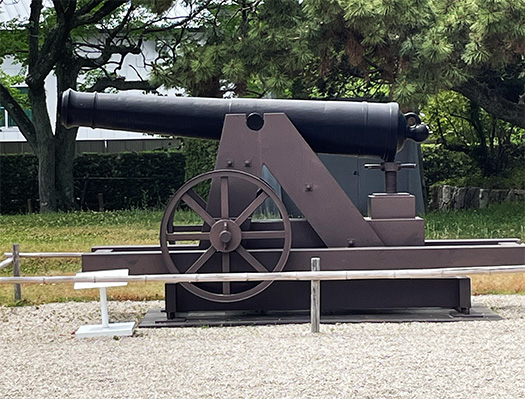
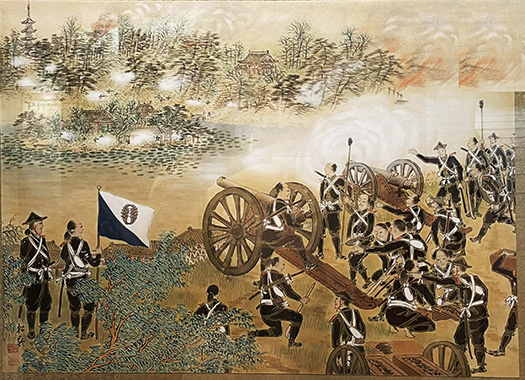
この写真の大砲や、錦絵が語るように、肥前は近代的な製鉄技術である「反射炉」を国内でいち早く完成させ、そこから製造した強力な大砲によって幕府軍を凌駕していったとされています。
そして驚いたのは、その極限の高温に耐えるレンガや鋳造技術の基礎には、有田や唐津などの「焼き物・陶器」の伝統技術が下支えしていたのだという事実。
伝統の美意識が、巡り巡って近代国家の軍事力と、北海道の開拓へと繋がっていく。
「そうか、そこか!」と、腑に落ちる感動に満ちた佐賀城探訪でありました。
●お知らせ
拙書「作家と住空間」幻冬舎から電子書籍で発刊
お求めはAmazonで。
https://amzn.asia/d/eUiv9yO
English version⬇
[The Satsuma-Chōshū-Tosa-Higo Leadership of the Meiji Restoration / The Power of the Saga Domain]
This is the final stop on my tour of the four domains that served as the driving force behind the Meiji Restoration. I’m finally visiting the birthplace of Shima Yoshiyuki, the “Pioneer Magistrate,” whom I often encounter on my daily walks…
Hokkaido has a history of being regarded as the “key to the northern gate” for Japanese society—a society that, following the Meiji Restoration, sought to learn from the Western powers while simultaneously confronting the threats they posed—and was considered the frontline region against the threat of Russia’s southward expansion.
The Meiji Restoration was led primarily by the so-called “Satsuma-Chōshū-Tosa-Higo” factions, which overthrew the Edo Shogunate. The final “H” in that acronym refers to the Hizen-Nabeshima Domain, and as I wrote the other day, the founding of our city is traced back to the arrival in Sapporo of Shima Yoshiyuki—a key figure in the Restoration—who came bearing the imperial edict of Emperor Meiji and the “Three Gods of Land Development.”
The first photo (40407-4-4.jpg) shows the statue of Yoshiyuki Shima that still stands at Hokkaido Jingu, which is part of my morning walking route. It almost feels as if he’s saying, “Hey, nice to meet you here in Hokkaido (laughs),” and it’s a statue I personally love very much.
On this trip, I visited Saga Castle (fourth photo: 40407-04-1.jpg) in central Saga City, his hometown, and was touring the exhibits inside the castle grounds. A guide accompanied me and provided various explanations, but when I mentioned, “I see this statue of Yoshiyuki Shima almost every day in Sapporo,” the guide burst into joy, as if to say, “Oh, I’m so glad you said that!”
I couldn’t help but get caught up in the excitement myself, and before I knew it, the guide’s true feelings came pouring out: “Well, he’s often grouped with the Satsuma-Chōshū-Tosa-Higo alliance, but Satsuma was truly treacherous…” (laughs).
Although I responded to the guide with a diplomatic “Well, that’s…” to avoid causing any trouble, perhaps my passion for history came through, because his words grew increasingly impassioned. As a traveler and outsider from Hokkaido, I found myself thinking inwardly, “We’re all from Kyushu, so let’s get along (laughs),” but I was also struck by the realization that the pride in and grief for figures like Shima Yoshiyuki and Eto Shinpei are still deeply rooted in the hearts of the people of Saga—a realization that made me sit up straight with renewed respect.
During the late Edo period, the Hizen Saga Domain—located near Nagasaki—was quick to adopt Western science, technology, and industry, contributing to the creation of the institutional foundations of a modern nation. Shigenobu Ōkuma, Shinpei Eto, and Yoshiyuki Shima. Although Shima met a tragic end during the “Saga Rebellion” in February 1874 (Meiji 7), the strength of Saga—the land that gave birth to these men—is truly remarkable.
As the cannons and ukiyo-e prints in this photograph suggest, Hizen is said to have been one of the first regions in Japan to successfully develop the “reflecting furnace”—a modern iron-smelting technology—and to have gained the upper hand over the shogunate’s forces with the powerful cannons produced using this technology.
What was surprising, however, was the fact that the traditional techniques of “pottery and ceramics” from places like Arita and Karatsu formed the foundation for the bricks and casting techniques capable of withstanding those extreme temperatures.
The aesthetic sensibilities of tradition, in a full circle, led to the military power of a modern nation and the development of Hokkaido.
It was a visit to Saga Castle filled with a sense of deep understanding and emotion—I found myself thinking, “Ah, so that’s it!”
● Announcement
My book, *Writers and Living Spaces*, has been published as an e-book by Gentosha.
Available on Amazon.
共有:

Posted on 7月 4th, 2026 by 三木 奎吾
Filed under: 未分類



コメントを投稿
「※誹謗中傷や、悪意のある書き込み、営利目的などのコメントを防ぐために、投稿された全てのコメントは一時的に保留されますのでご了承ください。」
You must be logged in to post a comment.