
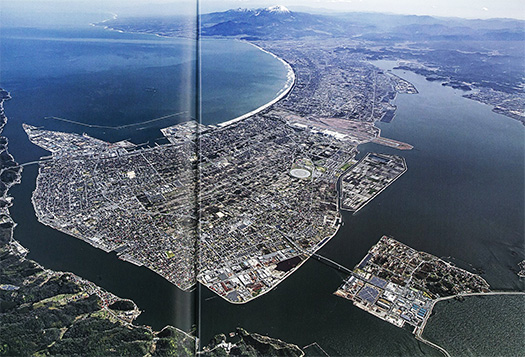
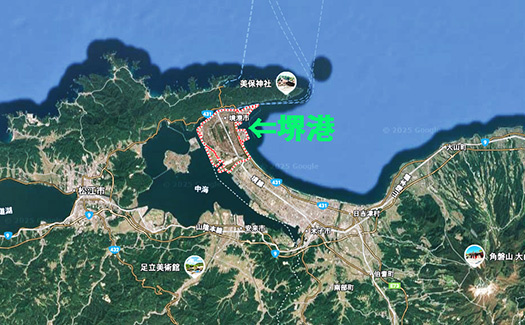
山陰・島根〜鳥取から岡山・神戸と旅したのですが、やはりカミさんの「足立美術館訪問希望」がきっかけでしたので、今回は松江を拠点にあちこちと日本海側を巡った旅でした。わたし自身の家系的には広島県福山が縁のある地域なので訪れることが多い。山陰海岸側は出雲大社参詣機会は多いけれど、それ以外はほとんど見たこともなかった。そもそも島根県の県庁所在地が松江だと今回初めて知ったし、また鳥取県の県庁所在地としてまんまの「鳥取市」がある事実さえ、あいまいだったのだ。
一方、小中学生当時に手塚治虫から始まった戦後マンガ文化革命の空気感に包まれて育った人間なので、そういったマンガ作家群のなかでゲゲゲの鬼太郎の作者として水木しげるへの多少の知識を持っていた程度。今回の旅で「そういえば」と人生記憶復元してきたのがホントのところ。
しかし出雲や白ウサギ伝説、国譲りなどなど神話の豊穣な世界が現代にまで息づいている地域柄から、このマンガ作家のことを再探索してみるとこの地域の「文化的」環境性が大きく迫ってくる。水木の「妖怪譚」のルーツにこの地域全体が色濃く関わっていることが浮かび上がってくる。
一方でこの地域・境港は日本海交易の重要な拠点地域だとその最終目的地に当たる北海道人として認識している。事実として水木しげる〜本姓「武良」家〜は戦国期以来の武家の有力勢力であり、日本海交易が盛んになった時代には「廻船問屋」を営んでいた家系なのだという。日本の地域の歴史を通してこういった血脈の動態「変遷」は普遍的であり、そういう背景環境から水木しげるという人間は成立したことがわかる。マンガ作家として未曾有の成功を収めたかれは、晩年期、建て替えた生家で日本海と「中海」をつないでいる「境水道」に面してその海の船の往来を眺めて暮らしていたと言われる。その生家は水木しげるのマンガ作品を集団制作する「水木プロダクション」の所有として現在に至っているのだという。
旅していろいろな体験をするけれど、最後は人間への強い興味が、そこに投影されて記憶が深まっていくものだと思う。しばし、そういう世界に浸ってみたい。
●お知らせ
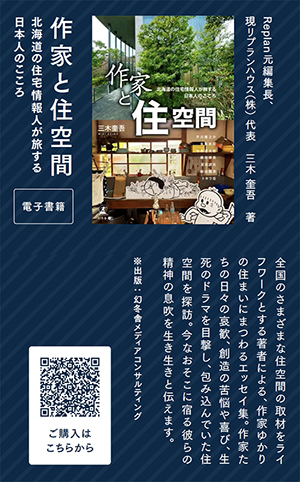
拙書「作家と住空間」幻冬舎から電子書籍で発刊
お求めはAmazonで。
https://amzn.asia/d/eUiv9yO
English version⬇
The human exploration starts from the understanding of the environment and blood. The family lineage that ran a shipping wholesaler in the Sea of Japan trade. The search for “human” from the geopolitical environment and bloodline traditions. The family’s history and history of the people.
I traveled from San’in/Shimane/Tottori to Okayama/Kobe, and since my wife wanted to visit the Adachi Museum of Art, this trip was based in Matsue, and we toured around the Sea of Japan side. My family has a connection with Fukuyama in Hiroshima Prefecture, so I often visit there. On the San’in Coast side, there are many opportunities to visit Izumo-taisha Shrine, but other than that, I had never seen much of the area. This was the first time I learned that the capital of Shimane Prefecture is Matsue, and even the fact that Tottori City is the capital of Tottori Prefecture was vague to me.
As someone who grew up surrounded by the atmosphere of the postwar manga cultural revolution that began with Osamu Tezuka when I was in elementary and junior high school, I had some knowledge of Shigeru Mizuki as the author of Gegege no Kitaro among such manga artists. In fact, this trip has restored my life memory of Shigeru Mizuki.
However, the area is rich in mythology, including Izumo, the legend of the White Rabbit, and the handing over of the country to the Japanese, and when I re-explored this manga artist, the “cultural” environment of the region came to the fore. The roots of Mizuki’s “yokai tales” are strongly connected to the region as a whole.
On the other hand, as a Hokkaido resident, I recognize Sakaiminato as an important hub for trade on the Sea of Japan, the final destination of which is the port of Sakaiminato. As a matter of fact, Shigeru Mizuki, whose family name is Takara, has been a powerful warrior family since the Warring States period, and his family was a “shipping agent” when trade on the Sea of Japan was flourishing. This dynamic “transition” of the bloodline is universal throughout the history of Japan’s regions, and it is clear that Shigeru Mizuki was established in such a background environment. In his later years, Mizuki, who achieved unprecedented success as a manga artist, is said to have lived in his newly rebuilt house facing the Sakai Waterway, which connects the Sea of Japan and the Naka Sea, and watched the ships come and go. The house is now owned by Mizuki Productions, the company that produces Shigeru Mizuki’s manga works.
When you travel, you experience many things, but in the end, your strong interest in people is projected onto them and deepens your memories. I would like to immerse myself in such a world for a while.
●Notice
My book “Writers and Living Space” is published as an e-book by Gentosha.
Please visit Amazon for more information.
共有:

Posted on 6月 18th, 2025 by 三木 奎吾
Filed under: 日本社会・文化研究




コメントを投稿
「※誹謗中傷や、悪意のある書き込み、営利目的などのコメントを防ぐために、投稿された全てのコメントは一時的に保留されますのでご了承ください。」
You must be logged in to post a comment.