
北海道人にとって「伊豆」というのは、まことに縁遠い。
4月に「作家と住空間」を出版しましたが、月イチほどの関東関西などの訪問機会が別件であるので、そのテーマ領域での探訪をセットする「自由な取材」を継続しています。いわゆる文学好きという種類の興味ではなく、わたしの場合は「人間がそこで暮らした住空間の実相を訪ねる」というのが主体。今回は、旭川で発見した「井上靖文学館」を知ってから、そのかれの人生模様に沿って「そこで生きた」空間を探訪してみた次第。
人間、いくつになっても生きてきた興味分野というのは面白いもの。こんなふうな行脚を続けていると、深掘りができるようになってきて、だんだんと「対話型」の取材活動にもつながってくる。昨日も、都合4箇所を巡り歩いていましたが、そのうち2箇所ではかなり「話し込む」取材になった。とくに井上家のご親族の方とも偶然にお目にかかれて、さらに「また、今度じっくり訪ねて来てください」と言ってくれるまで、ディープな取材をすることができました。通り一遍の空間取材だけでなく、このような人間取材が加わると理解が一気に深みに入っていく感じがありますね。
「この窓からから井上靖は富士を見て育っていた、と聞いている。きょうは曇りで見えないけど・・・」という証言もいただいたのですが、取材からの別れ際、ふと見るとなんと富士山が遠く姿を現してくれていた。その旨告げると満面の笑みを返していくれていました。出会いの深まり感。
作家という存在は、日本社会では非常に存在感が大きい。海外の作家たちはそういう状況を見てたいへん驚き、うらやましがるのだそうです。この列島社会では人間の生き様というような領域についての共通性・共有感が大きいということなのでしょうか。そういう「機縁」で人と人のコミュニケーションが機能するというのは、考えて見ると興味深いことだと思える。
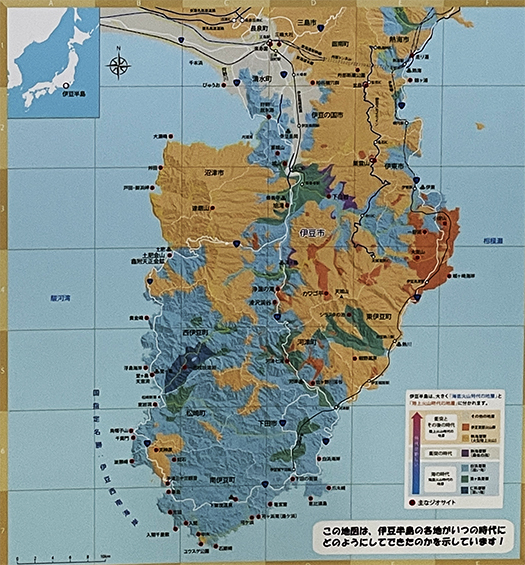
こういう伊豆半島の隅々にまで海外観光客の姿が多く見られる。
日本社会でのこのようなコミュニケーションについてまでは理解は難しいだろうと想像しますが、先般は三島由紀夫文学館を山中湖畔に探訪しましたが、そこではある程度海外でも知られている三島らしく、それらしき外人の方もチラホラしていた。そこまでディープに日本を探訪されている様子。
こういう領域のニーズはそういう対象としても意味があるかも知れませんね、勝手な妄想(笑)。
●お知らせ
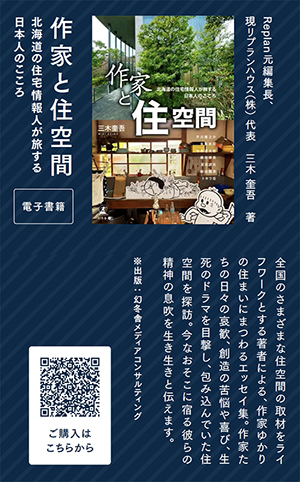
拙書「作家と住空間」幻冬舎から電子書籍で発刊
お求めはAmazonで。
https://amzn.asia/d/eUiv9yO
English version⬇
The writer, Yasushi Inoue, was born in 1931 in Izu, Hokkaido.
He once lived in Tokyo, but Hokkaido people have no connection to the depths of Izu. The writer’s visit was a good guide. I was delighted to hear the writer say, “Come again. I am very happy to hear from him again.
For Hokkaido people, “Izu” is a very remote place.
I published “Writers and Living Spaces” in April, and since I have other opportunities to visit Kanto, Kansai, etc. about once a month, I am continuing my “free coverage” to set up explorations in that thematic area. My main interest is not the so-called “literature lover” kind of interest, but in my case, “visiting the reality of the living spaces where people have lived there. This time, after learning about the “Yasushi Inoue Literature Museum” in Asahikawa, I decided to visit the space where he “lived there” in accordance with the pattern of his life.
It is always interesting to know about the fields of interest in which we have lived, no matter how old we are. As I continue to make such trips, I become able to dig deeper, which gradually leads to “interactive” reporting activities. Yesterday, I visited four places, and at two of them, I was able to “talk” with the people I met. In particular, I was able to meet a relative of the Inoue family by chance, and was even able to conduct in-depth interviews until he said, “Please take the time to visit us again next time. I feel that my understanding of the place is deepened when I add this kind of human interview to my coverage, rather than just covering the space in general.
I heard that Yasushi Inoue grew up watching Fuji from this window. Fuji appeared in the distance when we were parting from the interview. When I told him this, he gave me a big smile. It was a deepening sense of encounter.
Writers have a very strong presence in Japanese society. Writers from overseas are very surprised and envious of such a situation. Perhaps it is because there is a great deal of commonality and shared understanding of the human way of life in this archipelagic society. It is interesting to think that communication between people functions through such “kiki-en” (opportunity).
Many foreign tourists can be seen in every corner of the Izu Peninsula like this.
I imagine it would be difficult to understand up to this kind of communication in Japanese society, but I recently explored the Yukio Mishima Literature Museum by Lake Yamanaka, and there were a few foreigners who seemed to be Mishima, who is known overseas to some extent, there. They seemed to be exploring Japan that deeply.
I think the needs in this area may be meaningful as a target for such a visit.
●Notice
My book “Writers and Residential Space” is published by Gentosha as an e-book.
Please visit Amazon to purchase it.
共有:

Posted on 5月 27th, 2025 by 三木 奎吾
Filed under: 日本社会・文化研究



コメントを投稿
「※誹謗中傷や、悪意のある書き込み、営利目的などのコメントを防ぐために、投稿された全てのコメントは一時的に保留されますのでご了承ください。」
You must be logged in to post a comment.