

わたしは、東京に来るといくつかの美術館・博物館などを参観するのがルーティン。やはり首都と地方のいちばんの「格差」はこと「文化」面ということはあきらかだと思います。その国の歴史的文化についての蓄積利用においてこうした「格差」はいかんともしがたいし、そのことには蓋然性があるとも思っています。その国の伝統文化について、首都機能がその維持保全の役割を担うのは、自然だと思える。
ただし地方居住者としては、上京の折にそうした文化施設を参観するには、それなりの「格差是正」の姿勢の表現があってしかるべきだとも思っています。具体的には国立の施設においては地方からの上京者の入場料などに「優遇処置」をもって対応すべきだと考えます。ぜひご検討ください。金額の問題ではないと思います。たとえ数パーセントだとしても、有意義だと考えます。
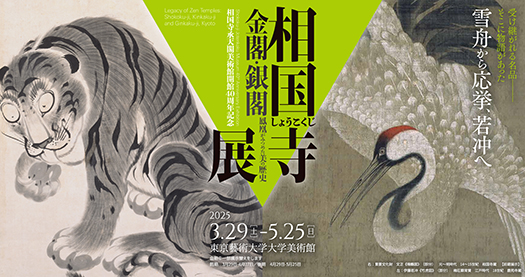
さて、本題の「相国寺展」〜金閣・銀閣 鳳凰がみつめた美の歴史。東京上野の「東京藝術大学大学美術館」にて開催されていた。昨日5/25が開催最終日。ギリギリの日程でようやく参観することが出来た次第。さすがに会場はけっこうな入場者でしたが、会場自体、上野でもあんまり知られていないので、参観はスムーズに終えることができました。なんとか「図録」も購入できたので芸術作品自体は書物の形式で「じっくり」受容し学習させていただくことにしております。
ブログに以前書いたこともあるのですが、こうした展覧会の図録自体、芸術作品収録の貴重きわまりない事物だと考えられます。実際にわたしの書棚の中で、いちばん参照回数が多いのはこうした図録の類い。こうした展示会では日本の斯業の最先端知見が集約されるので、その記録としてありがたいのです。
さらに今回は会場にはじめて入った「東京藝術大学大学美術館」。個人的に青春期に大きな位置を占めていたあるひととの「出会い」のシンボルでもあるのです。高齢期を迎えて、なにか「人生の経験を再度、ふりかえり見る」のに、ひとつの機会とも思えた。その意味でも「最終日」はふさわしかった(笑)。
展覧会自体の様子は〜創建相国寺 ―将軍義満の祈願「吾れ、新たに小寺を建てんと欲す」——室町幕府3代将軍・足利義満(1358~1408)が発したその一言に、相国寺の歴史は始まります。寺は夢窓派の高僧たちの進言により小さな寺ではなく大伽藍の禅寺であることが望まれ、御所の北側、室町幕府の傍らに開かれました。明徳3年(1392)、発願から10年を経て伽藍が完成し落慶供養が行われました。〜というフレーズから始まる案内がWEBサイトなどでも確認できます。・・・深く興味深いです。
●お知らせ
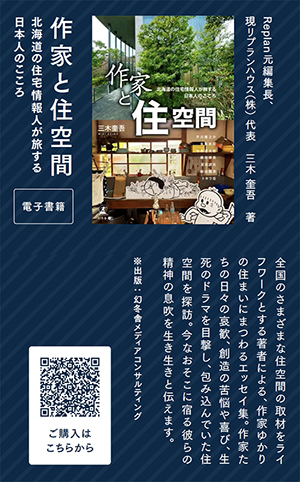
拙書「作家と住空間」幻冬舎から電子書籍で発刊
お求めはAmazonで。
https://amzn.asia/d/eUiv9yO
English version⬇
The exhibition of Shokokuji Temple: The History of the Golden Pavilion and the Silver Pavilion, the history of beauty as seen through the phoenixes.
I visited the Tokyo National University of Fine Arts and Music on the “last day of the exhibition” at an architectural facility that is connected to my personal experience. The sudden revelation of the change of the situation was funny even to myself. I was surprised to find myself in a strange situation.
Whenever I come to Tokyo, I make it a routine to visit several art galleries and museums. I think it is obvious that the biggest “gap” between the capital and the countryside is in “culture. I believe that this disparity in the use of a country’s accumulated historical culture is unavoidable and probable. It is natural for the capital city to play a role in the maintenance and preservation of a country’s traditional culture.
However, as a resident of a rural area, I also believe that there should be a certain level of “correction of disparities” in the cultural facilities that I visit when I come to Tokyo. Specifically, I believe that national facilities should offer “preferential treatment” in terms of admission fees to visitors from the provinces. Please consider this. I don’t think it is a question of the amount. Even if it is only a few percent, it would be meaningful.
Now, the main subject of this exhibition, “Shokokuji Temple Exhibition” – History of the Golden and Silver Pavilions and the Phoenixes. The exhibition was held at the University Art Museum of Tokyo University of the Arts in Ueno, Tokyo. Yesterday, May 25, was the last day of the exhibition. I was finally able to visit the exhibition at the very last minute. As expected, there were quite a few visitors, but the venue itself is not so well known even in Ueno, so the visit went smoothly. I managed to purchase a “catalogue” of the exhibition, so I will be able to “carefully” accept and study the works of art themselves in book form.
As I have written in my blog before, the catalogue of such an exhibition itself is considered to be an invaluable object that contains a work of art. In fact, these catalogs are the most frequently referenced items on my bookshelf. I appreciate them as records of the cutting-edge knowledge of Japan’s art and culture that is gathered at these exhibitions.
In addition, this was my first time to visit the University Art Museum of Tokyo University of the Arts. It is also a symbol of an “encounter” with a person who occupied a significant place in my personal youth. As I entered my old age, it seemed like an opportunity to “look back and reflect on life’s experiences”. In this sense, too, the “last day” of the exhibition was appropriate (laughs).
The history of Shokokuji Temple begins with the words of Ashikaga Yoshimitsu (1358-1408), the third shogun of the Muromachi Shogunate, “I desire to build a new small temple. The temple was opened on the north side of the Imperial Palace, beside the Muromachi Shogunate, in accordance with the advice of the high priests of the Muso school, who wanted the temple to be a large Zen temple rather than a small one. In 1392 (Meitoku 3), 10 years after the temple was founded, it was completed and a memorial service was held to celebrate the completion of the temple. 〜The information starting with the phrase “The temple was built in 1392,” can be found on the website. It is deeply interesting.
Notice
My book “Writers and Residential Space” is published by Gentosha as an e-book.
Please visit Amazon for more information.
共有:

Posted on 5月 26th, 2025 by 三木 奎吾
Filed under: 日本社会・文化研究





コメントを投稿
「※誹謗中傷や、悪意のある書き込み、営利目的などのコメントを防ぐために、投稿された全てのコメントは一時的に保留されますのでご了承ください。」
You must be logged in to post a comment.