本文へジャンプ

【歩道の自転車「危険走行」への自己防衛は?】


 毎日のウォーキング、ほぼ10,000歩超え程度で元気に動いています。
 カミさんもわたしに連れられ昨年10月からダイエットのため「伴歩」して習慣化。昨日無事に帰ってきた韓国旅行の間中も同行の友人たちが驚くほど行動的だったと歓びの表情。
 やはり「歩くこと」は人間の原初的な営為であって元気の源だと思います。
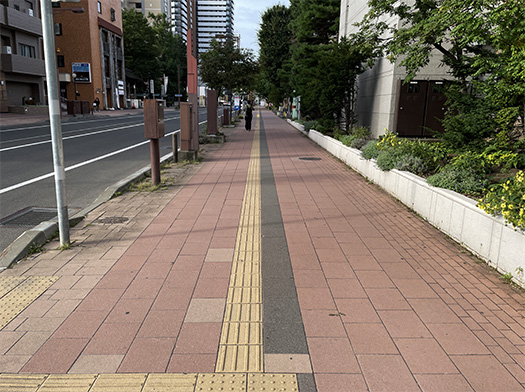
 で、ウォーキングのコースは「意欲を盛り上げる」意味合いから近場のなかから選択しています。写真は最近よく歩いている「琴似本通り」の片側6m歩道。反対側にも同じ歩道があって実に歩きやすい。旧5号線との交差点からJR琴似駅までの区間、約1km徒歩10分〜15分程度。非常に歩きやすく整備され、多くの通行者が往来している「基幹」的な歩道。
 ここを先日歩行中、反対側の同様の歩道に「横断歩道」から渡ろうと「方向転換」した瞬間、猛スピードで後方からわたしを追い抜く自転車と激突寸前になった。強い「風圧」がわたしの左半身を直撃した。思わず呆然と立ち尽くしてしまった。
 暴走自転車は意気揚々と、猛速ではるかに疾走して行ってしまった。
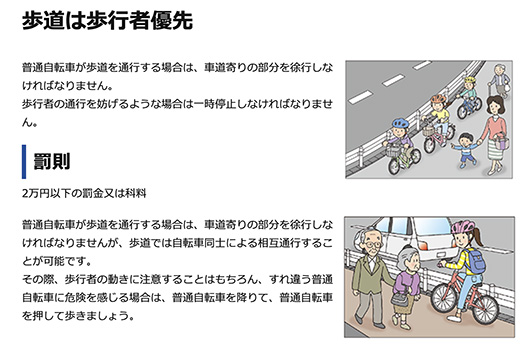
 万が一、こういう状況で歩行者と自転車が激突した場合、どうなるのか、と考えざるを得なかった。
 法律は歩行者最優先であることは当然の旨の記載があるが、どこをどう読んでも自転車側についての「罰則規定」全般に疑問符がつく。というか、加害者としての責任者特定があまりにゆるすぎる。自動車であれば運転免許証や自動車の登録規定などで容易に「犯罪者」特定が可能だけれど、自転車については非常にゆるゆる。もし重大事故があっても容易に「逃げ切り」可能と思える。
 そういうことがあって、聞き取りしてみると、けっこう事故が起こっているようです。
 わたし自身も複数人の高齢の方がゆっくり歩かれているところに対面方向から走行してきた自転車の人物が「どけろよな、オマエら」みたいな表情で迫っていた光景を見たことがあった。怖ろしい。
 このような危険状況がある中で、歩行者として「自己防衛」の権利は認められないのだろうか?歩行者はただおとなしい羊として危険にさらされなければならないのか?
 危険性が高いと判断しうる自転車走行に対して、それを抑止させる行動は不可能なのか?

 あわせて。昨日大雨が降り続き夜間になって非常に視界が困難になった札幌市内車道で、視認自体が困難な「全身黒ずくめ」の競走用と思える自転車走行者がわたしの自動車と併走する十数分間があった。けっこう「車線変更」を繰り返し、自動車側としては危険度MAXと言わざるを得なかった。自動車運転者としてひたすら安全最優先運転は心がけるけれど、さて。

●お知らせ
拙書「作家と住空間」幻冬舎から電子書籍で発刊
お求めはAmazonで。
https://amzn.asia/d/eUiv9yO
English version⬇

【How to Protect Yourself Against Dangerous Bicycle Riding on Sidewalks?】
Bicycles riding dangerously on sidewalks as if they own the place. Must pedestrians just be docile sheep in response? …

 My daily walks keep me active, averaging just over 10,000 steps.
 My wife, dragged along by me, started “walking together” last October to lose weight and has made it a habit. She was beaming yesterday, saying she was amazed at how active our friends were throughout our recent trip to Korea.
Walking really is a fundamental human activity and the source of vitality, I think.
So, I choose walking routes nearby to “boost motivation.” The photo shows the 6-meter-wide sidewalk on one side of Kotoni Main Street, where I walk often lately. The opposite side has an identical sidewalk, making it incredibly easy to walk. The section from the intersection with the old Route 5 to JR Kotoni Station is about 1km, taking 10-15 minutes on foot. It’s a well-maintained, “main artery” sidewalk that’s very walkable and bustling with many pedestrians.
 While walking here the other day, just as I turned to cross over to the similar sidewalk on the opposite side from the crosswalk, I nearly collided with a bicycle speeding past me from behind. A powerful gust of wind hit my right side directly. I stood there stunned, unable to move.
The reckless cyclist sailed past me, riding away at breakneck speed, looking completely unfazed.

 I couldn’t help but wonder what would happen if, in such a situation, a pedestrian and a cyclist collided violently.
The law naturally states that pedestrians have priority, but no matter how you read it, the “penalty provisions” for cyclists raise questions. Or rather, the identification of responsibility as the perpetrator is far too lax. With automobiles, it’s easy to identify the “offender” through driver’s licenses and vehicle registration regulations, but for bicycles, it’s extremely lax. It seems like even if a serious accident occurs, it would be easy to “get away with it.”
Given this, when I asked around, it seems quite a few accidents actually happen.
I myself have witnessed scenes where cyclists approaching head-on from the opposite direction, seeing multiple elderly people walking slowly, would press forward with expressions like “Get out of the way, you guys.” Terrifying.
Given these dangerous situations, isn’t the right to “self-defense” recognized for pedestrians? Must pedestrians simply submit to danger?
Is it impossible to take action to deter bicycle riding that can be judged highly dangerous?

Also. Yesterday, heavy rain continued into the night, making visibility extremely poor on Sapporo city roads. For over ten minutes, a cyclist wearing what appeared to be racing gear – completely clad in black, making them nearly invisible – rode alongside my car. He repeatedly changed lanes, making it a maximum danger situation from the driver’s perspective. As a driver, I always prioritize safety above all else, but still…

●Notice
My book “Writers and Living Spaces” published as an e-book by Gentosha
Available on Amazon.


【IT活用・革新で各人のルーツ・過去の事跡がたどれる】


 わたしの家系では、次兄とか叔父とかがいくつかの「先祖情報」を探究してくれております。
 北海道に渡って来た人々にはそういう「ルーツをたどってみたい」という心情が強いのでしょう。日本社会の中で北海道が歩んできた歴史時間を考えて見れば、ごく自然なことでしょう。日本各地から渡って来てこの地で生き抜いていこうとしたのが、北海道の現代史の「事始め」。
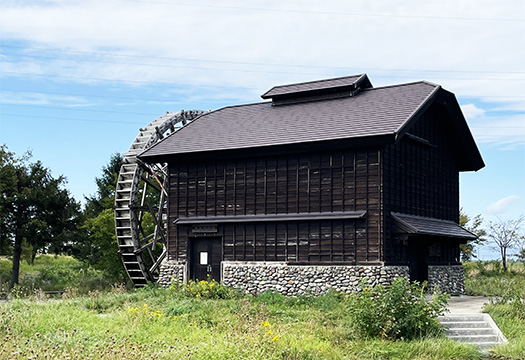
 現役世代の時期には、そういうことにまで時間的ゆとりを持てないのが一般的なのでこれまでは、興味は強かったけれど、そういうことを本格的には追究できなかった。まぁようやくすこしづつ、現代の情報利器と言えるNET活用・AI活用なども交えながら、情報の整理整頓を始めております。写真は、わたしの家系が北海道に渡って来た時期に祖父が造作していたという「水車小屋」の参考写真。この写真の被写体は北海道三笠市の道の駅に隣接してイメージ的に建てられている水車小屋です。
 WikiのAIに尋ねると「水車小屋の役割は、水車を用いて様々な機械的工程を駆動し、穀物の精米、製材、織物の生産、金属加工など、動力源を必要とする作業を機械的に行うことです。具体的には、水車の軸とつながった歯車や羽を使って杵を動かし玄米を精米したり、ソバの実をひいたりする役割がありました」ということですが、入植地は北海道岩見沢市近郊の栗沢だったので、その当時、どのような活用方法があったのか、丹念に調べてみる必要性があると思っています。地域での「人間関係」も探っていくことで、モノクロ写真が徐々に「カラー化」させられるようにリアリティに迫れるのではと期待しています。
 やっぱり現代の情報利器はすばらしく利活用できる。現代ではこういう利活用機会がごくふつうにあるので、わたしの先祖探査も工夫次第かと。
 さらに言えば、こういう「個人レベル」のIT活用で時空超越型の探究が可能になってくると、文芸作品のような架空のお話し、というようなものへの興味は普遍性を失っていくような気がしてなりません。いわば「想像力」というものが特定の人物に「だけ」専有されるということ自体が消滅していくのではないか。
 多くの普通一般人が、自らの興味分野に対して、すばらしい「想像力の翼」を得ると思えるのです。
 そういうことが出版の世界で、どのように現実化していくのか、これも興味深い。

●お知らせ
拙書「作家と住空間」幻冬舎から電子書籍で発刊
お求めはAmazonで。
https://amzn.asia/d/eUiv9yO

English version⬇

【IT Utilization and Innovation Enable Tracing of Each Person’s Roots and Past Achievements】
The realization of modern AI technology is dramatically advancing “imaginative” work. Perhaps the question now is how to spread the wings of imagination? …

 In my family, my second eldest brother and uncle have been researching various pieces of “ancestral information.”
People who came to Hokkaido likely feel a strong desire to trace their roots. Considering the historical journey Hokkaido has taken within Japanese society, this is only natural. The very beginning of Hokkaido’s modern history lies in those who came from all over Japan, determined to survive and thrive in this land.
 For the working generation, having the time to delve into such matters is generally difficult. So, while interest was strong, serious pursuit wasn’t possible until now. Well, finally, little by little, we’re starting to organize the information, incorporating modern tools like the internet and AI. The photo is a reference image of a “watermill hut” that my grandfather apparently built around the time my family migrated to Hokkaido. The subject in this photo is a watermill house built for visual effect adjacent to a roadside station in Mikasa City, Hokkaido.
When I asked the Wiki AI, it explained: “The role of a watermill house is to use a waterwheel to drive various mechanical processes, mechanically performing tasks requiring a power source such as rice milling, lumbering, textile production, and metalworking. Specifically, it used gears and blades connected to the waterwheel’s shaft to drive pestles for polishing brown rice or grinding buckwheat.” However, since the settlement was in Kurisawa near Iwamizawa City, Hokkaido, I believe it’s necessary to diligently research what specific uses existed at that time. By also exploring the “human relationships” within the region, I hope to gradually bring the monochrome photographs to life, as if adding color, and approach their reality.
Modern information tools are truly remarkable and highly useful. Since such opportunities for utilization are quite common today, my ancestral research depends on how resourceful I can be.
 Furthermore, as this kind of “individual-level” IT utilization enables trans-temporal exploration, I can’t help but feel interest in fictional narratives, like literary works, may lose its universality. In a sense, the very notion that “imagination” is exclusively possessed by specific individuals might disappear.
I believe many ordinary people will gain remarkable “wings of imagination” for their own areas of interest.
 How this will materialize in the publishing world is also fascinating.

●Notice
My book “Writers and Living Spaces” published as an e-book by Gentosha
Available on Amazon. 

【下鴨神社楼門と東京ビッグサイト夕景の「朱色」】


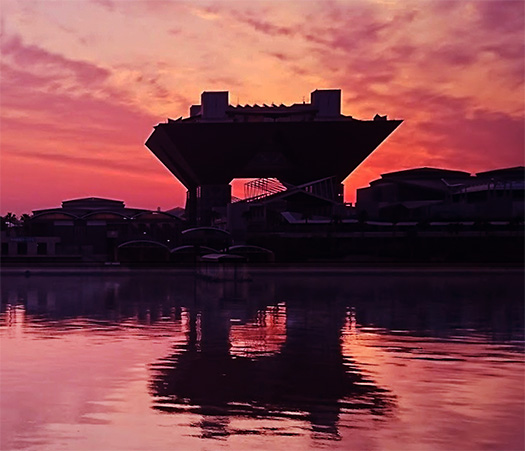
 現代建築の中で、たぶんいちばん多くそこに行っているスポットと思えるのが「東京ビッグサイト」。いろいろな業界での全国イベントの会場として、北海道人としても参集することが多い。上の写真は、その東京ビッグサイトの夕景の瞬間を、日本建築伝統の「水面の映り込み」とのバランスを考えて捉えてみたもの。
 言うまでもなく、人類やイキモノすべてはその生死の日々において天候が条件付けば、必ず夕陽を見続ける。その印象はイキモノの脳髄深く刻み込まれていく。その自然が生み出す夕景の色に、完膚なきまでに決定的な色彩感を抱くに違いない。たぶん歴世の画家たちも、その光景に息を呑んでいたに違いない。この惑星での最大のイキモノ共通心情かも。

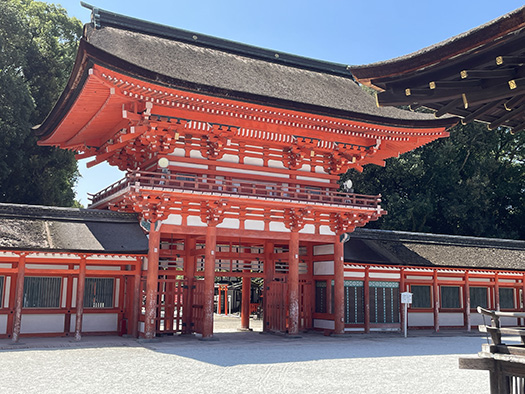
 一方こちらは世界遺産に指定されている下鴨神社の「楼門」。
 当然ながら、木造の重厚な木組みを魅せながら高層建築とするためにこのような造形になる。そしてその木組みに対して、このように「朱色」が彩色されるのが、宗教建築の約束事。このような配色の約束事にはいろいろな意味があるのだろうけれど、イチ参観者としては、前述のような自然現象からの基底的「刷り込み」を想起させられる。
 朱色は、たぶんイキモノの脳にもっとも決定的な打撃力を持っているのだと思う。
 共産主義も赤い旗を振るのには、ある原初的なアジテーション要素があるのだろう。怒りとか、攻撃性のような心情にはもっともふさわしい、それを「利用する」という基層心理。
 宗教がそういったイキモノの精神作用を利用しない手はない。そのような意味合いが濃厚。以前2023.7.25にも【東京ビッグサイトと宗教建築デザイン】https://kochihen.replan.ne.jp/?p=41321 と題してブログを書いてみたけれど、それは「カタチ」のことだったと思う。
 今回はその色彩について、同意できると思えるようになった次第。
 自分では加齢とともにより「単純」なことにこころが向かってきている。多くの過去の人びとも同様だったのではないかと、いわば対話的な心情を持ってきております。

●お知らせ
拙書「作家と住空間」幻冬舎から電子書籍で発刊
お求めはAmazonで。
https://amzn.asia/d/eUiv9yO

English version⬇

【Vermilion: Shimogamo Shrine’s Tower Gate and Tokyo Big Sight at Sunset】
Within Earth’s natural cycle, the sun’s journey is like a heartbeat, a breath. The rhythm it creates resonates in our sense of color. Overwhelmed by its power…

 Among modern architecture, the spot I probably visit most often is Tokyo Big Sight. As a venue for national events across various industries, I frequently attend gatherings there as a Hokkaido resident. The photo above captures a moment of Tokyo Big Sight at sunset, balancing the traditional Japanese architectural concept of “reflections on water surfaces.”
 Needless to say, all humans and living creatures, as long as the weather permits during their days of life and death, will inevitably keep watching the sunset. That impression is deeply engraved into the very marrow of living beings. They must feel an utterly decisive sense of color in the hues of that sunset created by nature. Probably, painters throughout the ages must have been breathless at that sight too. It might be the greatest shared sentiment among all living creatures on this planet.

 On the other hand, this is the “Romon Gate” of Shimogamo Shrine, designated as a World Heritage Site.
Naturally, to achieve this form as a tall structure while showcasing the solid wooden framework, it takes on this shape. And for this wooden framework, painting it “vermilion” like this is a convention of religious architecture. While such color conventions likely hold various meanings, as a mere visitor, it evokes that fundamental “imprinting” from the natural phenomena mentioned earlier.
 Vermilion, I suspect, possesses the most decisive impact on the brains of living creatures.
Communism, too, likely employs the waving of red flags for some primal agitational element. It taps into a foundational psychology that “exploits” this color as most fitting for emotions like anger or aggression.
 Religion certainly wouldn’t pass up the chance to utilize such mental processes in living beings. That connotation is quite strong. I previously wrote a blog post titled [Tokyo Big Sight and Religious Architecture Design] https://kochihen.replan.ne.jp/?p=41321 on 2023.7.25, but I think that focused on the “form.”
 This time, I’ve come to agree with the perspective on its color scheme.
Personally, as I age, my heart seems drawn more toward “simple” things. I feel a kind of dialogic connection, thinking many people in the past likely felt the same way.

●Notice
My book “Writers and Living Spaces” published as an e-book by Gentosha
Available on Amazon. 

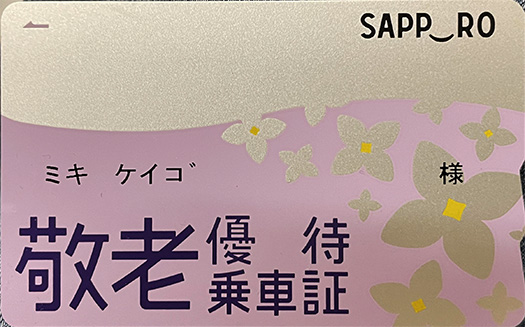
【敬老パス利用♬ 往復1時間半の札幌市内行脚】


 わたしはクルマ移動一択で、ほとんど札幌地下鉄などを利用しないライフスタイルで生きてきました。そういうことで、札幌市が「敬老パス」という制度を取り入れ、高齢者におトクな割引料金制度を提供しているという情報にすっかり無関心でいた。
 で、前回1ヶ月前8/15に「ワクワク」という記事投稿したのですが、やはりこれまでのライフスタイルに不整合なのでなかなか利用する機会はやってきてくれない。というか、「あ、そうだ」と思いつかないとどんどんスルーしてしまうのですね。
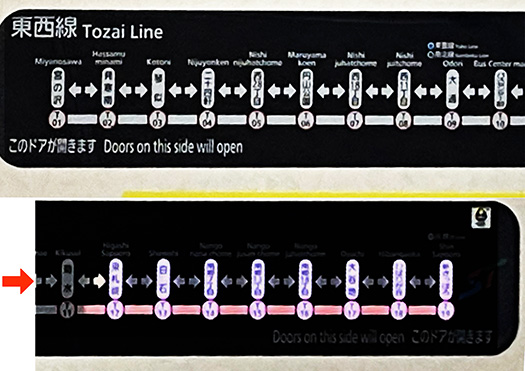
 ということで一昨日、ある要件で札幌地下鉄の「東西線」で西の果てから3駅目である「琴似駅」から合計15駅目の東方地点の「ひばり野」駅まで意を決して利用させていただきました。その結果でようやく昨日時点までで利用したのは、合計で2,000円弱(実費で200円)であります。1,000円で入手した10,000円の券面のうちようやく1/5が消化出来た次第。なかなか利用は進まない。
 なんですが、さすがに15駅の移動はなかなかで時間は30分ほど。往復利用で1時間超。移動歩行(最大の狙いは実はこれ!)を含めて約1.5〜2時間。ながらく「自宅兼用」の仕事環境にどっぷりとハマっていて、現代人にほぼ一般的な「通勤地獄」を忘却した人生だったのだと思い至る時間。〜行きは昼前後の時間で帰り時間が夕方6時前後と少し退勤時間に掛かった程度。みなさんの労苦の足許にも及びません。
 そういえば東京での会社勤務時代はエラかったなぁと人生回想・・・。
 ということでしたが、まだまだ敬老パス「追加購入」まで至りません。できればJR線にも適応してくれれば、とは思うのですが、ムリなのでしょう、いろいろ事情は理解できる。
 自分で考えてみて、日常的な移動手段を転換するというのは意識チェンジが難しい。わたしは札幌市内よりもそれ以外との交流の方がはるかに大きいということも再認識。札幌市内中心部に行くのは非常にレアで、むしろ新千歳空港〔タウン)の方がはるかに日常感覚に近い。新千歳空港の駐車場が大幅値上げする超混雑状況だそうですが、たしかに臨空ゾーンの社会的ウェートは比重が高まっていくでしょうね。
 しかしせっかくの特典。なんとか健康・歩数稼ぎの移動手段として、大いに活用したいです。

●お知らせ
拙書「作家と住空間」幻冬舎から電子書籍で発刊
お求めはAmazonで。
https://amzn.asia/d/eUiv9yO

English version⬇

【Using the Senior Citizen Pass ♬ A 1.5-Hour Round-Trip Journey Through Sapporo】
A wonderful service for seniors. Trying to use it creates mismatches in daily routines. I’ll figure out how to make it work and increase opportunities for walking for my health. …

 I’ve lived a lifestyle where driving is my only option for getting around, hardly ever using the Sapporo subway or similar transit. Because of that, I was completely oblivious to the fact that Sapporo City had introduced a system called the “Senior Citizen Pass,” offering discounted fares for the elderly.
 Then, about a month ago on August 15th, I posted an article titled “Exciting News.” But since it didn’t really fit my lifestyle, I never really had a chance to use it. Or rather, unless I suddenly thought, “Oh, right,” I just kept forgetting about it.
 So, the day before yesterday, for a specific errand, I finally resolved to use the Sapporo Subway Tozai Line. I rode from Kotoni Station, the third station from the western terminus, all the way to Hibarino Station, the 15th station eastward. As a result, my total usage up until yesterday amounted to just under 2,000 yen (200 yen out of pocket). I’ve finally used up 1/5 of the ¥10,000 face value I got for ¥1,000. Progress is slow.
Still, traveling 15 stations took about 30 minutes. Round trip was over an hour. Including walking (which was actually the main goal!), it took about 1.5 to 2 hours. It made me realize how deeply immersed I’d been in my “home-office hybrid” work environment, forgetting the “commuting hell” that’s almost universal for modern people. ~My departure was around noon, and my return was around 6 PM, slightly overlapping with the evening rush hour. It’s nothing compared to everyone else’s struggles.
Come to think of it, my corporate days in Tokyo were pretty tough… reminiscing about life…
 That said, I’m still not quite at the point of needing to buy an additional senior citizen pass. I wish it could be used on JR lines too, but I understand it’s probably not feasible given the circumstances.
Thinking about it myself, changing your daily transportation habits requires a significant shift in mindset. I’ve also realized again that my interactions outside Sapporo far outweigh those within the city. Going to central Sapporo is extremely rare; in fact, New Chitose Airport (Town) feels much more like my daily reality. I hear New Chitose Airport’s parking is extremely crowded with a significant price hike. Indeed, the social weight of airport zones will likely grow heavier.
Still, it’s a valuable perk. I want to make the most of it as a means to boost my health and step count.

●Notice
My book “Writers and Living Spaces” published as an e-book by Gentosha.
Available on Amazon.


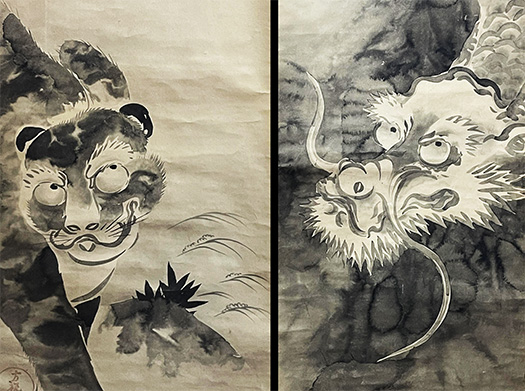
【江戸期画家たちの「龍虎」図/木曽馬籠宿・清水屋】


 昨日の続きです。この「清水屋」さんの展示で「尾形光琳・土佐光則・富岡鉄斎」と画家名が記されていた掛け軸画たち。そのなかで写真の軸装画の画風はこれまでたくさん見て来ていたので、おお、とウレシクなっていた。ただ、写真撮影後「説明文」でもあるだろうと思っていたら、どうもその絵と作者をつなぐ記載がない。う〜む、ですが、まぁしょがない。たぶん画風から言って富岡鉄斎はないだろうと思います。
 別々の軸装画ですが、たのしい「龍虎」図。
 わたしであれば、こういう楽しい絵があったらしっかり装丁を楽しんで、その家具としての配置にルンルンとするだろうなと思っていましたが、こちらではたくさんの他の浮世絵たちに埋もれて、ひっそりと微笑を返してくれていたに過ぎませんでした。やや不意打ち。
 きっと江戸期にはこの中山道・馬籠宿で逗留する貴人たちの休息のいっときを豊かに彩ったことでしょうね。幕末・公武合体のために幕府14代将軍・家茂に嫁いだ、孝明天皇の妹である和宮(かずのみや)はこの馬籠宿を華やかに彩ったと記録されている。この宿は幕府の代官が治める地域なので、この宿に泊まったりすることはなかったでしょうが、付き添いの宮廷高級官人たちはこの宿に宿泊したりしたことでしょう。
 わたしの家系伝承では、江戸期、備後福山の「今津宿」でその用向きを承っていた商人として活動していた歴史があり、薩摩藩がその宿場宿を「御用」としていたという。そういった目線から見ても、宿としての魂魄のようなものを感じさせていただいていた。著名画家の絵に投資する心情に思いが至る。

 そういう旅宿としての「品格」を装飾するために、こうした書画は床の間を豪華に彩っていた。
 こういう時空超越感は得がたい。とくにわたしのような北海道人には、ありがたい光景。歴史時間を肌で感じられるような体験は、たかだか150年、それもいきなりアメリカスタイルの生活文化にあふれた土地の人間には、その深みがたまらない。
 やや目が飛んでいてユーモアもある龍虎。しみじみと見入らされていた。
 
●お知らせ
拙書「作家と住空間」幻冬舎から電子書籍で発刊
お求めはAmazonで。
https://amzn.asia/d/eUiv9yO

English version⬇

【Edo-Period Painters’ “Dragon and Tiger” Scrolls / Kiso Magome Post Station, Shimizuya Inn】
Princess Kazunomiya’s splendid wedding procession also graced this post station. The hanging scroll paintings of dragon and tiger that have gazed upon the passage of history.・・・

 Continuing from yesterday. At this “Shimizuya” exhibition, the hanging scroll paintings were labeled with the artists’ names: “Ogata Kōrin, Tosa Mitsunori, and Tomioka Tessai.” Among them, the painting style in the photo’s scroll mounting was one I’d seen many times before, so I was delighted. However, after taking the photo, I thought there would surely be an explanatory text, but it seems there’s no notation connecting the painting to its artist. Hmm, but oh well. Judging by the style, I doubt it’s by Tomioka Tessai.
Separate hanging scrolls, but a delightful “Dragon and Tiger” painting.
 I thought to myself, if I had such a delightful painting, I’d take great pleasure in its mounting and be thrilled about its placement as a piece of furniture. Yet here, it was merely buried among many other ukiyo-e prints, quietly returning a smile. A bit unexpected.
It surely enriched the brief moments of rest for the noble guests staying at this Magome Post Station on the Nakasendo Road during the Edo period. Records state that Princess Kazunomiya, sister of Emperor Komei who married the 14th Shogun Iemochi for the sake of the Bakufu-Kobu Gattai (Shogunate-Imperial Court Alliance) in the late Edo period, brought splendor to this Magome-juku. Since this post station was governed by a shogunate magistrate, she likely didn’t stay here herself, but her accompanying high-ranking court officials probably lodged here.
 According to my family tradition, during the Edo period, my ancestors operated as merchants handling official business at Imazu-juku in Bingo Fukuyama. The Satsuma domain designated that post station as an “official” stop. Viewed through this lens, I felt the very soul of the inn. It made me understand the sentiment behind investing in paintings by renowned artists.

 Such paintings and calligraphy adorned the alcove, lending a sense of dignity to the inn.
This feeling of transcending time and space is rare. For someone like me from Hokkaido, it’s a truly welcome sight. Experiences where you can feel history and time on your skin are profoundly moving for someone from a land that’s only 150 years old and suddenly flooded with American lifestyle culture.
 The dragon and tiger, their eyes slightly wild yet humorous, drew me in deeply.
●Notice
My book “Writers and Living Spaces” published as an e-book by Gentosha
Available on Amazon.

【木曽「馬籠宿」探訪・浮世絵書画との出会い】


 さて先般の「中部日本の旅」の探訪先について、断片的にしか書いておりません。ブログですべての探訪先について書くのはとてもムリかも知れない。
 現代では紙の出版という形式、それも特定テーマでの単行本で読んでもらうのはよほどの難事。一方でブログという書きやすく読んでいただきやすい領域はある。なんですが旅行記などは、毎日書いていっても現地体験の総量が多すぎるので、整理整頓が難しい。わたしの場合、書いてみたい旅先のテーマが多すぎて、まことに困惑しております。
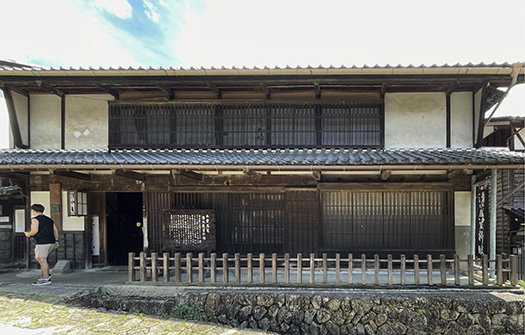
 写真の中山道・木曽路「馬籠宿」は滞在時間にして3時間ほどでしたが、そのなかで「清水屋」という老舗があり、女将さんのご好意で蔵や内庭まで特別参観させていただけた。しかも軸装された尾形光琳作品などが無造作に展示されていた。
 「これは、もっときれいに額装し直したら、あっと驚かれますね」
 「あはは、昔はこの宿場随一の名店と言われましたので・・・」
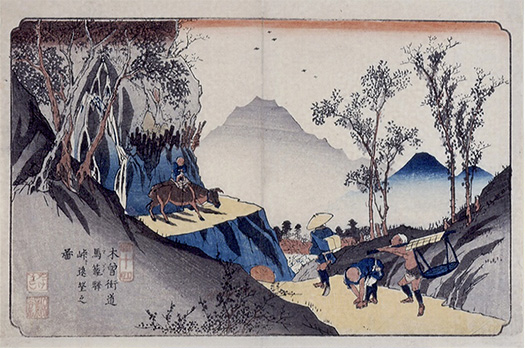
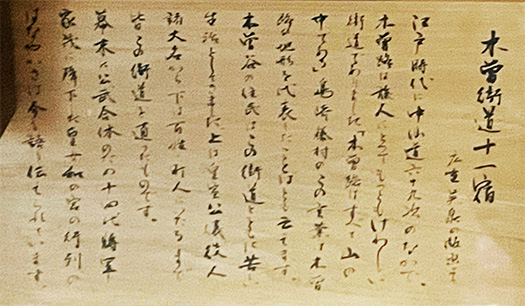
 中山道は江戸期に東海道と双璧とも言える東西交通路。さかんに江戸と上方交流の経済の状況が刻印された。上の図はそのなかでも「木曽街道十一宿」の馬籠宿を活写した図。画家は渓斎英泉で、歌川広重ととも合作した「木曽街道六十九次」よりの浮世絵。
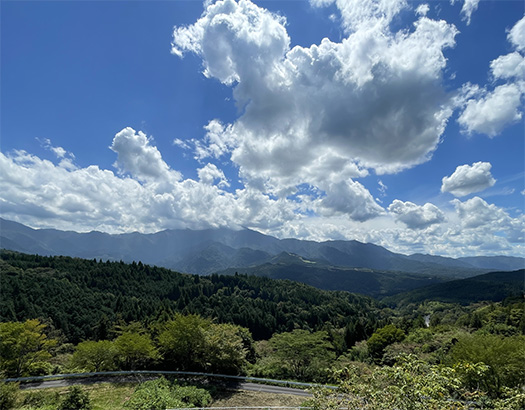
 正面に描かれた山は「南木曽岳(なぎそだけ)」のようです。その下に今回遭遇した山容の写真を載せました。まことに中山道中でももっとも峻険な山道だったことがわかる。時空を超えて昔人のこの宿場への思いが伝わってきて胸アツ。
 馬籠宿はけっこうな「高低差」でしかもたくさんの見どころがあって、心身共にウットリさせられる。高山の風景が心象にジワジワと迫ってくるのです。
 やはりこのように建築・街並みが保存され建築の空気感を体験することで、時空を超越した「旅」が可能になるもの。昔人の作家・画家などの痕跡もさらに一体となって襲ってくる。
 やはり日本という歴史を共有する各地域の痕跡には、民族の「共感」がある。
 でもまぁ探訪している人びとは、多様な国籍人種(笑)。それも現代という時代を表しているのでしょうね。

●お知らせ
拙書「作家と住空間」幻冬舎から電子書籍で発刊
お求めはAmazonで。
https://amzn.asia/d/eUiv9yO

English version⬇ 

Exploring Kiso’s Magome-juku: An Encounter with Ukiyo-e Paintings
The vibrant east-west exchange within Japanese society comes alive as the raw atmosphere of the Edo period. Ultimately, the economy is a trace of human communication. …

 Now, regarding the destinations from my recent “Journey through Central Japan,” I’ve only written about them in fragments. It might be impossible to cover all the places I visited in this blog.
 In this day and age, getting readers to pick up a paper publication—especially a single-volume book focused on a specific theme—is an incredibly difficult task. On the other hand, blogs offer an accessible space that’s easy to write in and read. However, travelogues, even if written daily, are challenging to organize and tidy up because the sheer volume of on-site experiences is overwhelming. In my case, I have far too many travel destinations I’d like to write about, and I’m truly at a loss.
 The Nakasendo/Kiso Road “Magome-juku” in the photo was only a three-hour stay, but during that time, there was an old-established inn called “Shimizuya.” Thanks to the kindness of the proprietress, we were granted special access to the storehouse and inner courtyard. Moreover, works by Ogata Korin, mounted on scrolls, were casually displayed.
“If these were reframed more beautifully, they’d really take your breath away, wouldn’t they?”
 “Ahaha, well, back in the day, this was considered the finest establishment in the entire post town…”
The Nakasendo was a major east-west thoroughfare during the Edo period, often considered the counterpart to the Tokaido. It vividly reflects the economic exchange and interaction between Edo and the Kansai region. The illustration above vividly depicts Magome-juku, one of the “Eleven Post Towns of the Kiso Road.” The artist is Keisai Eizan, and this ukiyo-e print is from the “Sixty-Nine Stations of the Kiso Road” series, a collaborative work with Utagawa Hiroshige.
The mountain depicted in the foreground appears to be Mount Nagiso. Below it, I’ve included a photo of the mountain’s profile encountered this time. It truly shows this was one of the most rugged mountain passes along the Nakasendo. Crossing time and space, the feelings of those who came before for this post station come through, warming the heart.
 Magome-juku offers considerable elevation changes and numerous points of interest, captivating both mind and body. The scenery of the high mountains slowly seeps into one’s consciousness.
Indeed, it is through experiencing the preserved architecture and streetscapes, feeling the atmosphere of the buildings, that a journey transcending time and space becomes possible. The traces of writers and painters from the past also converge and overwhelm you.
 Indeed, the traces found in each region sharing Japan’s history carry a sense of national “empathy.”
But well, the people exploring these places are of diverse nationalities and races (laugh). That, too, represents the modern era, I suppose.

●Notice
My book “Writers and Living Spaces” published as an e-book by Gentosha
Available on Amazon.

【日ハム球場「BallPark Fビレッジ」/初観戦】


 子育て時期が終わって、こどもたちの成長期によく行っていた地元プロ野球チーム・北海道日本ハムファイターズの野球観戦から遠ざかっていました。
 別に地元チームへの関心がまったくなくなったワケではないけれど、子育て時期の終わりとともにすっかり足が遠のいた。興味の主要な分野は関東と関西へのほぼ月イチ行脚に転換していったのかなぁ。
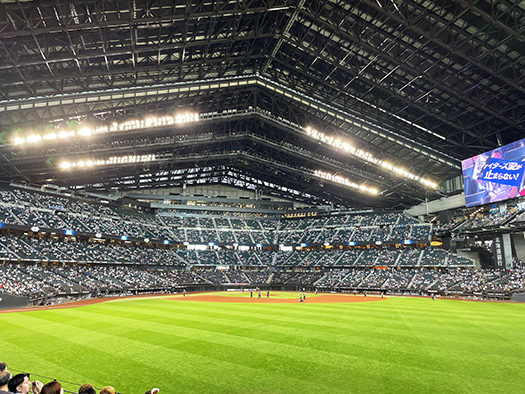
 そういうなか息子が強く誘ってくれたので、はじめてこの新設球場にて試合観戦。
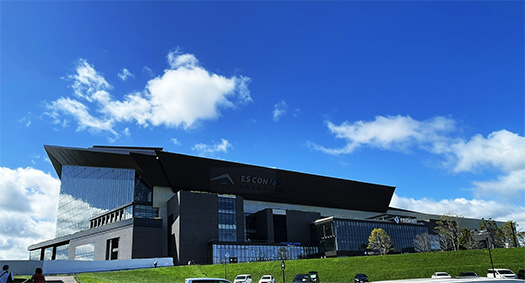
 札幌の隣町ではありますが、まことに雄大な北海道的な景観のなかに突然出現した牧歌的な超現代ドームと言った趣の球場。やや高台に建っているので、試合後に帰路に着くときには遠くの山並みが、試合の勝ち負けの矮小な気分を吹き飛ばしてくれるかのようです。☜それが大きな狙いかなぁ(笑)。
 この地元チームは、札幌市職員で構成される球場運営の第3セクター組織の超官僚主義的な対応にガマンの限界を突破してしまって、この隣接地域に球団が考える理想の「BallPark」を作り上げた。そのような姿勢の方が、むしろ本来のフロンティアスピリットで北海道らしい。開拓から1世紀半近くを経過してきて、地域自治体組織の制度疲労蓄積を垣間見せてくれていた。
 そういった経緯を耳にしながら、しかし、子育て時期の終焉とともに野球観戦の基本動機が失われていて、すっかり縁遠くなっていたのですね。
 最近は遠出はマイカー移動一択で徒歩10分ほどの周辺駐車場との往復でしたが、昨日の歩数はいつもの6割程度に留まった。夫婦とも健脚を持て余し。野球観戦のための物足りない歩数。
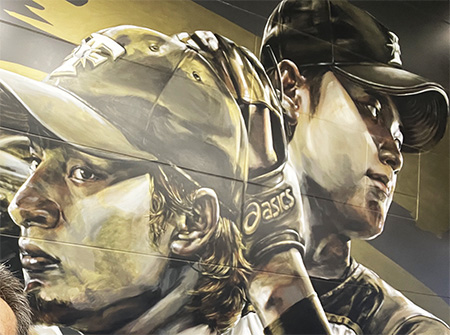
 カミさんはこれじゃ歩き足りないと、野球観戦の半ばではあちこち球場内散歩。わたしは野球観戦の楽しみにどうしても没頭してしまっていた。つくづくと、野球はピッチャーという思いを強く感じていた。1球1球、その球種と球速、コースの投げ分けでいろいろな個性の打者と対峙する。それを捕手と2人3脚で工夫しながらゲームを組み立てていく。スゴい、エラい。
 双方の投手のみなさんの戦いぶりを堪能させていただきました。最後を締めた日ハム守護神・斉藤投手のユニークな感想もヒーローインタビューで聞けて超オモシロかった。
 さて、今後の終活生活のなかでこの球場とのかかわりはどう展開していくかなぁ・・・。

●お知らせ
拙書「作家と住空間」幻冬舎から電子書籍で発刊
お求めはAmazonで。
https://amzn.asia/d/eUiv9yO

English version⬇ 

【Nippon-Ham Fighters Stadium “BallPark F Village”/First Time Watching a Game】
First time watching baseball in ages. Impressed by the architecture’s ingenuity. Savored both teams’ pitching staffs’ game management. Now then, what will my future relationship with baseball be? …

 After my children grew up, I drifted away from watching the local professional baseball team, the Hokkaido Nippon-Ham Fighters, whom I used to frequently see during their formative years.
It’s not that I lost all interest in the local team, but as the child-rearing period ended, I simply stopped going. My main interests shifted to traveling to the Kanto and Kansai regions almost monthly.
 Amidst this, my son strongly urged me to go, so I attended a game at this newly built stadium for the first time.
Though it’s in a town next to Sapporo, the stadium feels like an idyllic, hyper-modern dome suddenly appearing amidst truly grand, quintessentially Hokkaido scenery. Built on a slight hill, the distant mountain ranges visible on the way home after the game seem to blow away any petty feelings about the game’s outcome. ☜ That might be the main goal, I suppose (laugh).
This local team, fed up with the ultra-bureaucratic attitude of the third-sector organization running the stadium (composed of Sapporo city employees), broke through their limits of endurance and built their ideal “BallPark” in this adjacent area. That kind of attitude feels more like the true frontier spirit, more Hokkaido-like. Nearly a century and a half after the pioneering days, it offered a glimpse into the accumulated institutional fatigue within the local government organization.
 Hearing about these events, I realized that as the child-rearing phase ended, my fundamental motivation for watching baseball had faded, and I’d grown quite distant from it.
Lately, long trips meant driving my own car, just walking back and forth to a nearby parking lot about 10 minutes away. Yesterday’s step count was only about 60% of usual. Both my wife and I had our sturdy legs going to waste. It felt like an insufficient number of steps for a baseball game.
 My wife, finding this insufficient, started wandering around the stadium midway through the game. I, however, was completely absorbed in the joy of watching baseball. It really drove home how much baseball revolves around the pitcher. Pitch by pitch, they face off against batters of various personalities, varying their pitch types, speeds, and locations. They build the game together with the catcher, working in tandem. Amazing, truly impressive.
 I thoroughly enjoyed watching both teams’ pitchers battle it out. Hearing the unique thoughts of Nippon-Ham’s closer, pitcher Saito, during the hero interview at the end was super interesting.
Well, I wonder how my relationship with this stadium will unfold in my future end-of-life activities…

●Notice
My book “Writers and Living Spaces” published as an e-book by Gentosha
Available on Amazon.

【花鳥風月文化を揺籃する至上空間/鴨長明「方丈庵」-5】


 日本人の感受性を象徴する花鳥風月というもの。
 やはりこの「方丈の庵」では、その日本人らしさを素で味わわせてもらっていた。
 そして、北海道でより過酷な「花鳥風月」雪と氷が支配する世界がそこに加わって、なによりも住環境がより母性的に進化しなければ人間を守り切れない環境に生を得た人間には、この方丈の庵の居住環境には、愛着ではなく、愛惜の念を持つと記した。
 たしかに日本人的感性はこのような居住環境構成のなかで永く育まれてきたのだろう。
 こうした感性の「揺籃」の過程から「七五調」の短文文化も生成してきたのではないだろうか。たしかに「はな」「つき」「かぜ」「とり」などの2音節名詞群が日本語の基本であり、それに1音節の「を」「か」「が」「の」「と」などが接続することで基本的なコミュニケーションの「場」が形成出来る。それが基本的な音感的リズム感を派生させていって、言の葉を語り合う「よろこび」が担保されてきた。
 日本人は漢字文化導入を経て、ベースにあった「やまと言葉」との調和を、民族挙げて取り組んでいった結果、かな文字を発明して独自言語を創成していったのだろう。漢字文化の全面導入という世界でも有数の「文化大革命」を咀嚼して来る中で、七五調短文文化も整理整頓されていった。

 そういった日本人的「花鳥風月」世界観には、この「方丈の庵」のありようは適合的だろう。京都市年平均気温 15.9℃という環境の中では、開口部を締め切って囲炉裏で採暖すれば、冬もなんとか「受け流す」ことができてサクラの開花とともに穏やかな花鳥風月を満喫できるのだろう。それはそれで喜ばしいけれど、北海道人には「たしかにそこから移っては来た民ですが・・・」という心理的留保が発生する。ちなみに北海道の年平均気温は5℃から10℃程度。
 やはりまったく新たな「花鳥風月」感性を寒冷地人は創造しなければならないのだろう、と。
 考えて見ると、漢字文化導入期と比肩するような「文化大革命」を、少ない割合の民の人数で成し遂げなければならないということなのか。深い「愛惜と哀愁」感が募ってくる・・・。

●お知らせ
拙書「作家と住空間」幻冬舎から電子書籍で発刊
お求めはAmazonで。
https://amzn.asia/d/eUiv9yO

English version⬇ 

【The Supreme Space Cradling the Culture of Flowers, Birds, Wind, and Moon / Kamo no Chōmei’s “Hōjō-an” -5】
The differences between us and them that this spatial arrangement allows us to endure. The 7-5 syllable rhythm language culture born from that sensibility. What of our sensibilities within this isolated environment of snow and ice? …

 The concept of “flower, bird, wind, moon” symbolizes the Japanese sensibility.
Indeed, at this “Hōjō no Iori,” I was able to experience that quintessential Japanese quality in its purest form.
 And then, in Hokkaido, where a harsher “flower, bird, moon, and wind”—a world dominated by snow and ice—was added to this, I wrote that for humans born into an environment where the living conditions must evolve more maternally to fully protect them, the living environment of this Hojo no Iori evoked not affection, but a feeling of cherishing.
 Indeed, the Japanese sensibility must have been nurtured over time within such living environments.
Didn’t the culture of short, seven-five syllable phrases also emerge from this cradle of sensibility? Indeed, the two-syllable nouns like “hana” (flower), “tsuki” (moon), “kaze” (wind), and “tori” (bird) form the foundation of Japanese. By connecting these with one-syllable particles like “wo” (with), “ka” (that), “ga” (that), “no” (of), and “to” (to), the fundamental ‘space’ for communication is established. This derived a basic sense of phonetic rhythm, ensuring the “joy” of exchanging words.
 After introducing kanji culture, the Japanese people, as a nation, worked to harmonize it with the existing “mountain language” (native Japanese). This effort likely led to the invention of kana characters and the creation of a unique language. As they assimilated the comprehensive introduction of kanji culture—a “cultural revolution” unparalleled in the world—the seven-five rhythm short-sentence culture was also refined and systematized.

 The existence of this “Hōjō’s Hut” would be well-suited to that Japanese worldview of “flowers, birds, wind, and moon.” In Kyoto’s environment, with an annual average temperature of 15.9°C, sealing off the openings and warming oneself by the hearth allows one to somehow “weather” the winter, enjoying the gentle beauty of nature alongside the cherry blossoms. While that is certainly delightful, for a Hokkaido native, a psychological reservation arises: “True, we are people who moved here from there…” Incidentally, Hokkaido’s annual average temperature ranges from 5°C to 10°C.
 It seems we cold-climate dwellers must forge an entirely new sensibility for “flower, bird, wind, moon.”
Thinking about it, does this mean we must achieve a “cultural revolution” comparable to the era of introducing kanji culture, but with a much smaller population? A deep sense of “regret and melancholy” wells up…

●Notice
My book “Writers and Living Spaces” published as an e-book by Gentosha
Available on Amazon.

【七五調短文文化と簡素な「庵」住空間/鴨長明「方丈庵」-4】


 今週は亡父の命日供養での兄弟姉の集いや、幹事役を務めた高校同期の友人たちとの再会イベントも無事終了して、ようやく一段落。日常への復元。日常とはブログの執筆・思索や写真の整理整頓、さまざまな画像編集など「表現する」営為のことと自覚しています。
 今回のイベント集中のためAdobe-Photoshopの画像編集機能のAI的進化と考えられる「カラー化」技術を本格的に利用していました。同窓会で保持している記録は55年前の写真類なのでほぼモノクロ画像。それに対してこのソフトの技術を適用させた。同時に、父母の記録写真などもほとんどモノクロだったので、これもカラー化させてみた。結果は、過去と現在との時間差の擬似的な超越体験。
 そうしたら不思議と、いまブログで興味を持って考えつづけている「日本的・七五調短文文化」の心理のコアな部分への気付きも得られたと感じられた。日本的気候風土環境の中で特徴的な「庵」住文化を求める日本的心情と、この七五調短文文化の基本旋律はきわめて近縁的なのではないかと。
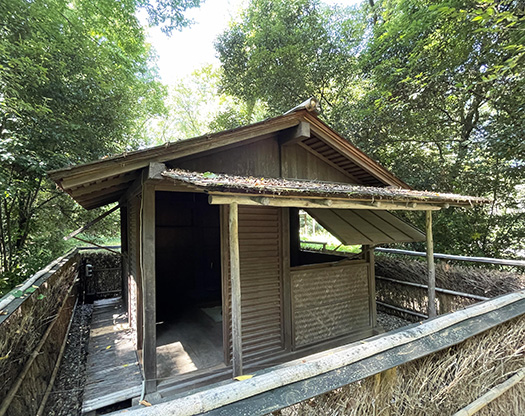
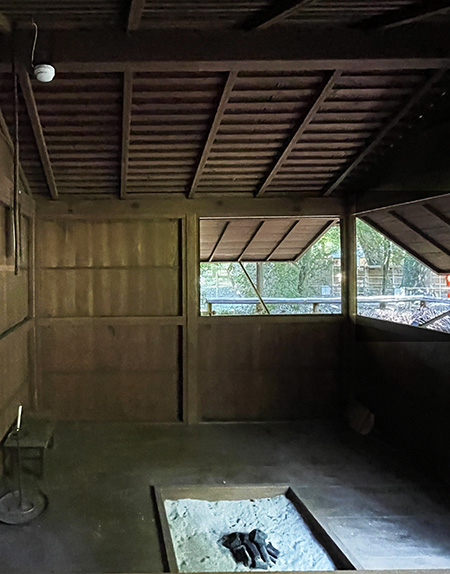
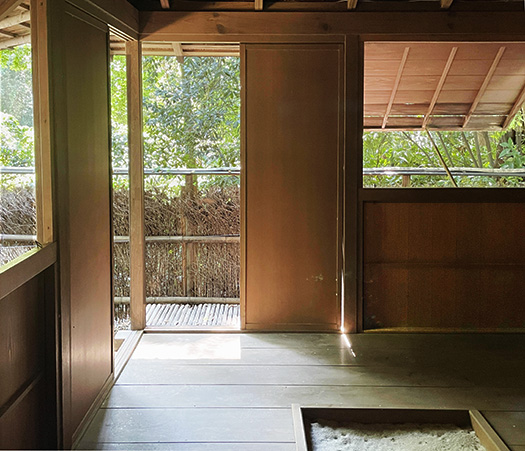
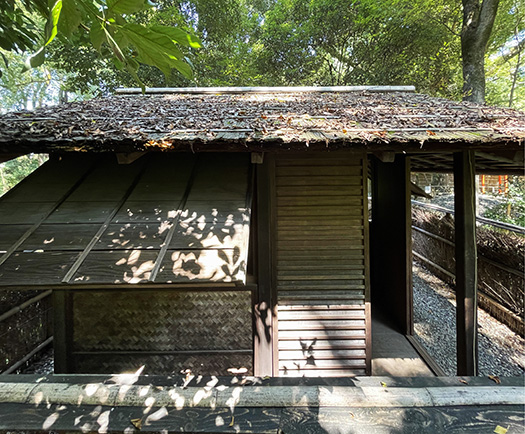
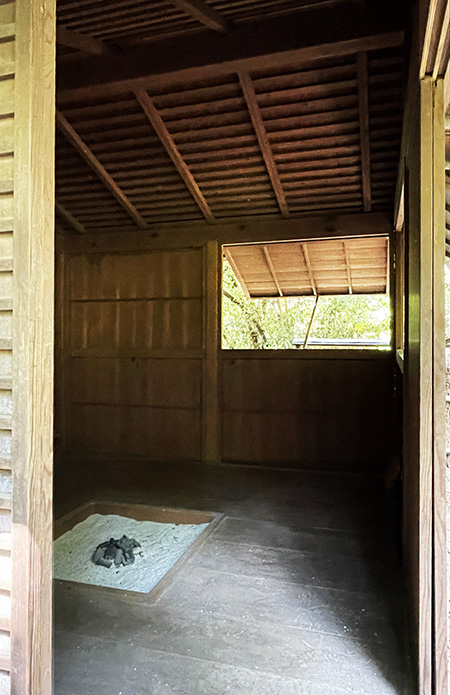
 この写真の方丈庵は日本の短文的随筆の3大傑作のひとつとされる「方丈記」執筆と深い相関性がある。戦乱期と京都の大火の連続期に遭遇した作家・鴨長明は、そこに「もののあはれ」と「無常感」を深く感受し、この復元された庵住居に「終の住み処」心理を見出していたと気付かされた。
 さらに思索を進めれば、七五調短文文化を住形式で表現するとすればこのような「庵」が最適解だとも思えてくる。後の世の「侘び寂び」的茶室志向とも通底するように思える。こういった住宅文化が、やがて「立って半畳・寝て一畳」という達観的住宅観に日本人を誘ったとも言える。

 一方わたしたち積雪寒冷の地の日本人として「よき住宅」を望んだとき、こうした七五調短文文化と通底する住形式文化には「技術思想」を学ぶことはできなかった。比喩的に言えば、やわらかき母性を求めたのに、過酷な父性的精神性を唱えられてしまった、みたいな無力感と言えるだろうか。
 やむなく北海道人は、北欧スウェーデンの住宅哲学「よき住宅」に範を求めた。
 いまだに写真のような「庵」と高断熱高気密住宅技術は邂逅していない。
 しかし北海道人も日本人であり、こうした鴨長明さんのたどりついた住宅意識それ自体には深い愛惜も感じている。愛着ではなく「愛惜」というコトバの選択だけれど。・・・
 そして現代のわたしたち積雪寒冷地域人間にとって、七五調短文文化は今後どうなっていくのか。
 どうも迷宮のような、スフィンクスの問いかけのような心理が木霊してくる。

●お知らせ
拙書「作家と住空間」幻冬舎から電子書籍で発刊
お求めはAmazonで。
https://amzn.asia/d/eUiv9yO

English version⬇ 

【The Culture of Seven-Five Syllable Short Prose and the Simple “Hermitage” Living Space / Kamo no Chōmei’s “Hōjō-an” -4】
Hermitages that visualize the pathos of things, wabi-sabi tea rooms. Will modern Hokkaido residents, who cherish high insulation and airtightness, be abandoned by Japanese culture? …

 This week, with the memorial service for my late father and the reunion event with my high school friends—where I served as organizer—both successfully concluded, things have finally settled down. Back to daily life. I realize that daily life means engaging in the act of “expression”: writing and reflecting on my blog, organizing photos, and various image editing tasks.
 To prepare for these events, I began seriously utilizing Adobe Photoshop’s “colorization” technology, which represents an AI-driven evolution in image editing. The photos preserved from our high school reunion are nearly all monochrome, dating back 55 years. I applied this software’s technology to them. Simultaneously, since most of my parents’ photographs were also monochrome, I colorized those as well. The result was a pseudo-transcendent experience bridging the temporal gap between past and present.
Then, strangely enough, I felt I gained insight into the core psychology of the “Japanese 7-5 rhythm short-form prose culture” I’m currently exploring with interest on my blog. The Japanese sentiment seeking the characteristic “hermitage” dwelling culture within Japan’s climate and environment, and the fundamental melody of this 7-5 rhythm short-form prose culture, seem to be extremely closely related.
 This photo of the Hōjō-an hermitage has a deep correlation with the writing of the “Hōjōki,” considered one of the three great masterpieces of Japanese short essay writing. I realized that the author, Kamo no Chōmei, who encountered a period of continuous war and the great fires of Kyoto, deeply sensed the “mono no aware” (pathos of things) and the “sense of impermanence” there, finding in this restored hermitage dwelling the psychology of a “final place to live.”
 Taking this thought further, if one were to express the culture of short, seven-five syllable verse in a dwelling form, such a “hut” seems the optimal solution. It also appears to share a common ground with the later “wabi-sabi” aesthetic found in tea ceremony rooms. This residential culture may well have gradually led the Japanese to embrace the detached view of housing encapsulated in the saying: “Standing, half a tatami mat; lying down, one tatami mat.”

 On the other hand, as Japanese people living in snowy, cold regions who desired “good housing,” we could not learn “technical thinking” from this housing culture that shares a common ground with the culture of short, rhythmic prose. Metaphorically speaking, it might be described as a sense of helplessness—like seeking gentle motherly warmth, only to be presented with a harsh, fatherly spirituality.
 Thus, Hokkaido residents inevitably sought inspiration in the Nordic Swedish housing philosophy of “good housing.”
To this day, the “hut” depicted in photographs has yet to encounter high-insulation, high-airtightness housing technology.
Yet Hokkaido residents are also Japanese, and they feel a deep sense of cherishing for the very housing consciousness that Kamo no Chōmei arrived at. Note the choice of the word “cherishing” rather than “attachment.” …
And for us modern inhabitants of snowy, cold regions, what will become of the culture of short, rhythmic prose?
A labyrinthine, sphinx-like question echoes in my mind.

●Notice
My book “Writers and Living Spaces” published as an e-book by Gentosha
Available on Amazon.


【現代人の永き交友の行く末は?】


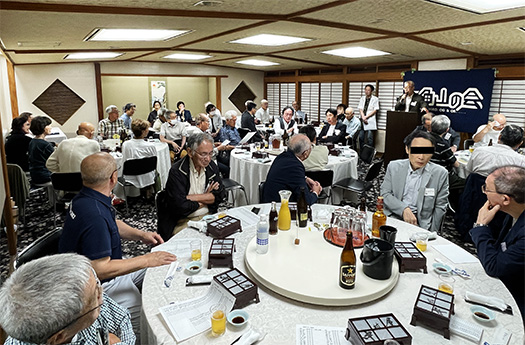
 さて昨日は卒業後55年を経てきた高校同期のみんなとの同期会。
 1970年春に卒業した北海道札幌西高同期の連中との再会でありますが、わたしはことしこの会の幹事担当クラスだったので、事前の打ち合わせなどで、このところ同期の会合が引き続いていた。一昨日はゴルフ大会、そして昨日も昼から麻雀大会などで顔を合わせ続けていました。
 わたしたちの同期は在学中、70年安保闘争の最盛期に学年が当たっていたので、在学中から政治的活動テーマでの「生徒総会」などを活発に開いて、その高揚の結果、学内デモを行ったり、その後も有志が街頭デモ活動などに明け暮れていた年代だった。濃い目の青春期。
 そういったいわば「共犯」関係意識が共有されているのか、その高校時代が人生模様の中で深く沈殿し、半ばは「有機的反応」を引き起こしてきたのかも知れない。総数はおおむね450人で、そのうち判明している物故者が40数人という状況の中、今回は72人が同期会に参加していた。「〔死ぬまでに)もういっかい、逢うべや」というコンセプトで、再会を果たしていたのです。
 そんなことで、ふと、ここまで深い集団的人間関係というのはこれまでの人間社会であり得ていたのだろうかという想念に駆られていた。
 わたしたちよりも年長の親たち世代では戦争という惨禍で、見知らぬ同士が戦場でいのちを掛けて戦い、その「戦友」は生死の境をともにくぐり抜けてきたという感性を共有していたと思う。そういう「交友」関係に比べればはるかに平和な人間関係だけれど、長寿化現象の進展の中、このように永き人間関係というものも、人類未体験ゾーン的な未曾有のことのように思える。
 物故していく仲間のことは、やはり内心深く「刺さってくる」。
 現在の寿命データでは、われわれ年代はこれから7-8年で「平均寿命」を迎えて、そのころには男性は約半数が世を去って行く趨勢になっている。そうすると、それまでの歳月が、こうした人間関係の期間として定まっていくことになるのだろう。
 つくづく、現代という環境に感謝するところ。楽しく酒を酌み交わしながら、そういうなかで残された歳月をどのように重ねていくべきか、内心では黙考させられていた。

●お知らせ
拙書「作家と住空間」幻冬舎から電子書籍で発刊
お求めはAmazonで。
https://amzn.asia/d/eUiv9yO

English version⬇ 
 
【What Lies Ahead for Modern Friendships?】
Unlike our parents’ generation, we’ve shared a profound sense of belonging through these precious years of peace. Now, how shall we spend the time we have left? …

 Yesterday marked our class reunion, 55 years after graduating high school.
It was a reunion with my classmates from Hokkaido Sapporo Nishi High School, who graduated in the spring of 1970. Since I was in charge of organizing this year’s gathering, I’d been meeting with them frequently lately for planning. The day before yesterday, we had a golf tournament, and yesterday we kept meeting up for things like mahjong starting in the afternoon.
Our class year coincided with the peak of the 1970 Security Treaty protests during our school days. Even back then, we actively held “student assemblies” centered on political themes. The result of that heightened spirit led to demonstrations on campus, and afterward, a group of us devoted ourselves to street protests and similar activities. It was an intense period of youth.
 Perhaps this shared sense of “complicity” from those days, or the deep sedimentation of that high school era within our life patterns, has half-triggered an “organic reaction.” Out of roughly 450 total classmates, with over 40 confirmed deceased, 72 attended this reunion. We gathered under the concept of “Let’s meet one more time (before we die).”
 This made me wonder: Could such profound collective human bonds have ever existed in human society before?
For our parents’ generation, older than us, the catastrophe of war meant strangers risked their lives together on the battlefield. I believe they shared a sensibility forged by having crossed the threshold of life and death alongside their “comrades in arms.” Compared to that kind of “comradeship,” our relationships are far more peaceful. Yet, amid the progression of longevity, even these enduring human connections feel like uncharted territory, something humanity has never truly experienced before.
The passing of friends still stabs deep within me.
Current life expectancy data suggests our generation will reach the “average lifespan” in about 7-8 years. By then, roughly half of the men will have passed away. This means the years leading up to that point will likely define the duration of these relationships.
It makes me deeply grateful for the modern environment. While joyfully sharing drinks, I found myself silently contemplating how we should spend the remaining years we have left.

●Notice
My book “Writers and Living Spaces” published as an e-book by Gentosha
Available on Amazon.