
個人ごとながら、昨日は46年目になった亡父の回忌で檀家寺から住職も来てくれての法要。
父は大正元年に産まれ祖父の末っ子として育ち、兄たちが相次いで家を離れた結果、家の経済的成り立ちを支え続けた人生。「小作」としての農地を祖父から受け継いだけれど、盛んに商品性の高い作物農業に邁進して、地域では「農業試験場」とまで言われ、それらの多くを成功させて基盤を固め、戦後の「農地解放」によって即座に地域のトップ自作農家になっていった。その後、より広い経済マーケットで自分を試したくなって札幌に徒手空拳で進出して、食品製造業で地歩を固めて行った。
・・・というような来歴なのですが、その父が亡くなってからすでに半世紀近く。
そういう父なので、わたしたち子ども世代は篤く弔う気持ちを持ち続けてきた。毎年必ず命日の法要を行い続けてきています。親への感謝は人間の基本。
わたしたち兄弟くらいの世代ではこういう「家意識」は基底的で「もっとも優先すべき規範」というものなのですが、さて、こういう認識は今後の日本社会で「安定的」か、という大テーマであります。
次兄から「家系史探索」のバトンタッチを受けてから、こうした「家」制度を尊重してきたのが日本社会の歴史的実相であることをまざまざと「深掘り探訪」してきていますが、しかし現代社会は必ずしもこういう先祖・家系意識に積極的・肯定的とは言えないと思う。
むしろ「個人主義」が基調の社会であって、家制度、さらには寺院などに表出する「先祖意識」というもの、さらに墓制そのものも大きく揺らぎはじめている。わが家は札幌市の里塚霊園に墓域を持っていますが、周辺のお墓がどんどんとというか今や急激に「墓仕舞い」の趨勢になってきている。僧侶と話していても、ひしひしとそういう趨勢は感じさせられるという証言。
この問題には少子化社会の進行と、そのなかでの先祖供養の負担感が逼迫してきていることを表しているのだろうと思います。家族意識というものも大きく変容してきている。しかし、日本社会はこれまでも多くの「ルネサンス」を何度も経験してきている。
この問題がどういう未来になっていくのか、注視していく必要がありますね。
●お知らせ
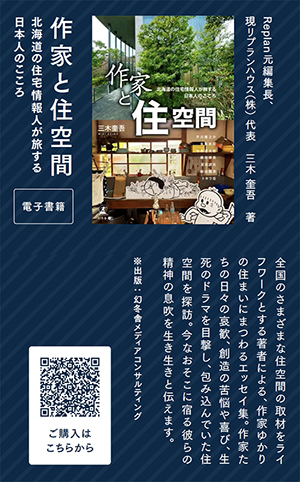
拙書「作家と住空間」幻冬舎から電子書籍で発刊
お求めはAmazonで。
https://amzn.asia/d/eUiv9yO
English version⬇
[What Will Happen to the Family System and the Burial System?]
The “family system” has long been the highest value in Japanese society. It is now being severely shaken by the declining birthrate and the rise of individualism. So, what will tomorrow bring? …
On a personal note, yesterday marked the 46th anniversary of my late father’s passing, and the head priest from our family temple came to conduct a memorial service.
My father was born in the first year of the Taisho era and grew up as my grandfather’s youngest son. As his older brothers left home one after another, he spent his life sustaining the family’s financial stability. Although he inherited farmland from my grandfather as a “tenant farmer,” he threw himself wholeheartedly into growing high-value commercial crops. He became so renowned in the region that people even called his farm an “agricultural experiment station.” By successfully cultivating many of these crops, he solidified his foundation and, following the postwar “agricultural land reform,” immediately rose to become the region’s leading independent farmer. Later, wanting to test himself in a broader economic market, he ventured to Sapporo with nothing but the clothes on his back and gradually established a foothold in the food manufacturing industry.
…That is the story of his life, and it has already been nearly half a century since my father passed away.
Given who he was, we, his children, have continued to hold a deep sense of reverence for him. We have continued to hold a memorial service on the anniversary of his death every single year. Gratitude toward one’s parents is a fundamental human value.
For our generation—my siblings and I—this sense of “family” is fundamental and represents the “highest priority norm.” However, whether this mindset will remain “stable” in future Japanese society is a major question.
Since taking over the baton of “family history research” from my second-eldest brother, I have been conducting in-depth investigations that have vividly revealed how respecting this “family” system has been a historical reality of Japanese society. However, I do not believe modern society is necessarily positive or supportive of this sense of ancestry and family lineage.
Rather, it is a society rooted in “individualism,” and the “family system,” the “awareness of ancestors” manifested in temples and other institutions, and even the grave system itself are beginning to waver significantly. My family owns a plot at Satotsuka Cemetery in Sapporo, but the graves around us are increasingly—or rather, rapidly—being abandoned. Even when speaking with Buddhist priests, they attest to a palpable sense of this trend.
I believe this issue reflects the progression of a low-birthrate society and the growing burden of honoring ancestors within that context. The concept of family is also undergoing significant transformation. However, Japanese society has experienced many “renaissances” throughout its history.
We need to keep a close eye on how this issue will unfold in the future.
● Announcement
My book, “Writers and Living Spaces,” has been published as an e-book by Gentosha.
Available on Amazon.
共有:

Posted on 9月 10th, 2026 by 三木 奎吾
Filed under: 未分類



コメントを投稿
「※誹謗中傷や、悪意のある書き込み、営利目的などのコメントを防ぐために、投稿された全てのコメントは一時的に保留されますのでご了承ください。」
You must be logged in to post a comment.