
どうも生活密着的な話題が続いておりますが、本日もその極地。
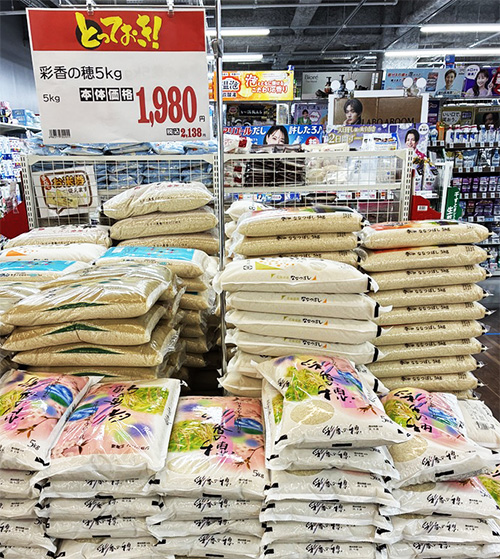
昨年勃発した令和のコメ騒動で、大幅に値上がりしたコメ価格。今年になって大きく状況が変化してきた。写真は一昨日のあるスーパー店頭・コメ売り場のコーナー。先日までは首都圏発の情報で「5kg/2,000円を切る」という報道がありましたが、その価格が北海道の札幌でも目に見えてきた様子。
報道ではことし令和8年産のコメは価格低下の趨勢とのこと。ヘタをすると古米よりも新米の方が価格が安くなるという曲面もあり得るという。もしそういった趨勢に流れていくとすれば、急激な価格上昇で一説では250%の上昇と言われ市中在庫が極端に減少していたものが、大変化することになる。
主食であるコメですが、昨年来の価格上昇から一般人は右往左往せずに、パンや麺類などに食生活を多様化させて「市場混乱」への耐性を涵養してきていることが浮かび上がって来ている。
一転して価格が急低下したとしても、だから争って購入するという心理ではないように思う。
やはり主食の「多様化」で柔軟に対応してきた日本人一般大衆は、耐性を獲得したということでしょう。
さて、でありますね。
やはり流通曲面での価格吊り上げ作用が強烈で、そのことにユーザー側から「天罰」を下そうとする状況のように思えている。さまざまな理由からの「物価高」の曲面で「コメだけはどうして上がらないのか」という業界構造全体の焦りにも似た心理が、この令和のコメ騒動の実相だったようにも思える。
国民一般からの「天罰」はまだまだ継続するのではないか。パンや麺類へのシフトは、それほどの違和感ではなく、そうなってみればそれほどいごこちは悪くない。
流通側からの反応ではさっそくに「農家が意欲を無くす」のでかわいそう、みたいなキャンペーンの流れを感じるけれど、ユーザー側からすると「はは〜ん、案の定、その作戦かい」という心理がまだ強く存在する。
わが家は、知人の農家からの直接購入。もうすぐの新米購入にあたっては、あくまでも個人としての信頼関係を最重視して案分を調整していきたいなと考えています。人間最優先。
●お知らせ
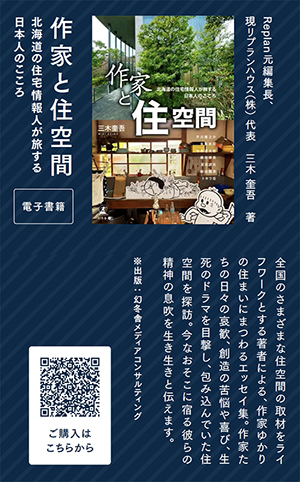
拙書「作家と住空間」幻冬舎から電子書籍で発刊
お求めはAmazonで。
https://amzn.asia/d/eUiv9yO
English version⬇
[The Current State of the Reiwa Rice Crisis]
The rice crisis, which saw prices surge by as much as 250% at one point, has taken a sharp turn, with prices now falling below 2,000 yen per 5 kg—a new low. Where will the public’s quiet anger over speculation on this staple food lead? …
It seems I’ve been covering topics closely tied to daily life lately, and today’s post takes that to the extreme.
Rice prices skyrocketed during the “Reiwa Rice Crisis” that erupted last year. However, the situation has changed significantly this year. The photo shows the rice section at a supermarket the day before yesterday. Until recently, reports from the Tokyo metropolitan area indicated that prices had fallen “below 2,000 yen per 5 kg,” and it appears those prices are now becoming visible even in Sapporo, Hokkaido.
According to reports, prices for this year’s Reiwa 8 rice crop are trending downward. There’s even a possibility that new rice could end up cheaper than old rice. If this trend continues, it will mark a major shift from the situation earlier this year, when prices skyrocketed—some estimates put the increase at 250%—and market inventories dwindled drastically.
Rice is a staple food, but it has become apparent that, in response to the price hikes since last year, the general public has not panicked but has instead diversified their diets to include bread and noodles, thereby building resilience against “market turmoil.”
Even if prices were to plummet suddenly, I don’t think there would be a rush to buy.
It seems the general Japanese public, having adapted flexibly through the “diversification” of their staple foods, has indeed developed this resilience.
Well, that’s the situation, isn’t it?
It seems the price-gouging effects within the distribution chain were intense, and consumers are now seeking to mete out “divine retribution” for this. Amid the “high prices” driven by various factors, the underlying reality of this Reiwa-era rice uproar appears to have been a sense of anxiety—almost akin to panic—across the entire industry, stemming from the question, “Why is rice the only thing that isn’t going up?”
I suspect this “divine retribution” from the general public will continue for some time. Shifting to bread and noodles doesn’t feel all that strange, and once you get used to it, it’s actually not so bad.
I sense a campaign emerging from the distribution side, quickly claiming, “It’s a pity because farmers will lose their motivation,” but from the consumer’s perspective, the mindset of “Aha, just as I thought—so that’s the strategy” remains strong.
My family buys directly from a farmer we know. As we prepare to purchase the new rice harvest soon, I intend to adjust our order based strictly on our personal relationship of trust. People come first.
● Announcement
My book, *Writers and Living Spaces*, has been published as an e-book by Gentosha.
Available on Amazon.
共有:

Posted on 9月 9th, 2026 by 三木 奎吾
Filed under: 未分類





コメントを投稿
「※誹謗中傷や、悪意のある書き込み、営利目的などのコメントを防ぐために、投稿された全てのコメントは一時的に保留されますのでご了承ください。」
You must be logged in to post a comment.