
昨日は「松永はきもの資料館(あしあとスクエア)」を中心に尾道・福山市地域の各地を探訪。
これまでも何度も訪れている地域ですが、いま現在のように「わが家系のタイムマシン的探索」からの目線で見ていなかったので、どうしても点的にしか見ていなかったことを思い知らされていました。同資料館では館員スタッフのみなさんに問われるままに来訪動機を話す機会をいただき、そのことに深く興味を持っていただいて聞いていただけました。
個人的な感覚としては、自分自身と言うよりもこの福山市ー松永ー尾道というエリアに関わって生きていた家系の人びとが、わたしという肉体を通して故地の人びとと自分発見の「対話」をしている感覚。
その上、わたしが「北海道から・・・」と言うと、このはるかな温暖な瀬戸内海世界の人たちは、一様に目を丸くされ、次の瞬間、破顔されて笑顔を持って対応していただける。こういうのって、日本人の同胞へのやさしさを物語っていると思います。「おお、あの開拓の苦労を重ねた寒冷地から・・・」というような同胞感を抱かれるのでしょう。対して「それはやや大袈裟ですよ、イマドキ(笑)」みたいなのが当方の心理ですが、みなさんどこかにそういう感覚が生起するように思う。
とくに100年を超える以前にこの土地から去った人間の子孫に対して、親愛の情を刺激されると同時にある種、異邦人的な感覚も持たれるのか、と思える。
わたしは北海道に生まれ東京で就職してやがて北海道にUターンした経験を持ち、そこから再度、本州以南社会との関係性を保ち続けて生きてきた。その終盤期に至って、家系の過ごしていた故地での時間に深く興味を抱いている。
・・・というようなことからの「異邦人」感覚なのでしょうか。珍しい・・・みたいな。
でもまぁ、そこには個人としての枠を越えたような「同胞感」の発露があると思っています。そんな心意を話す機会が多くあって、多くの方が笑顔で受け止めていただける。
そんな家系深掘り探索の旅、出会い旅。いろいろな探訪内容については、資料を整理しながら徐々にまとめていきたいと思います。ただ、故地探訪は情報整理と、探索の繰り返し。
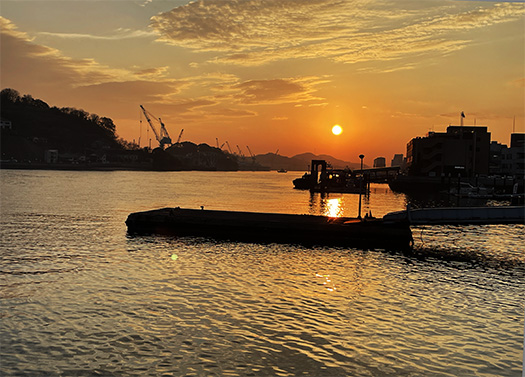
帰り際、尾道水道に落ちる残照が「まぁ、元気でまた来いよ」と語ってくれているようでした。
●お知らせ
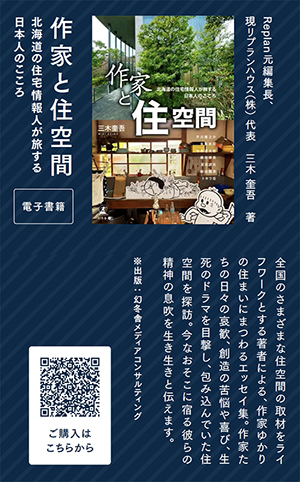
拙書「作家と住空間」幻冬舎から電子書籍で発刊
お求めはAmazonで。
https://amzn.asia/d/eUiv9yO
English version⬇
The Key to Tracing Family Roots Lies in Onomichi’s Economic History
Hokkaido, too, has accumulated over 150 years of history, gradually increasing opportunities for “dialogue” with its ancestral regions. The tangible sense of human connection…
Yesterday, I explored various locations in the Onomichi and Fukuyama City areas, focusing on the Matsunaga Kimono Museum (Ashiato Square).
Though I’ve visited this region many times before, I’d never viewed it through the lens of a “time machine exploration of my family lineage” as I am now. This made me realize how I’d only ever seen it in isolated spots. At the museum, the staff kindly asked about my reasons for visiting, and I had the opportunity to share them. They listened with deep interest.
Personally, it feels less like me and more like the people from this Fukuyama-Matsunaga-Onomichi area, who lived connected to this land, are having a “dialogue” of self-discovery with the people of their homeland through my physical form.
Furthermore, when I mention “from Hokkaido…”, the people here in this distant, warm Seto Inland Sea world invariably widen their eyes, and in the next instant, break into smiles and respond warmly. I think this speaks to the kindness Japanese people show toward their fellow countrymen. They probably feel a sense of kinship, thinking, “Oh, from that cold region where they endured the hardships of pioneering…” On my end, I feel something like, “That’s a bit exaggerated, nowadays (laugh),” but I think everyone somehow feels that sense of connection.
Especially towards descendants of people who left this land over a century ago, I suspect it stirs affection while simultaneously evoking a certain sense of foreignness.
I was born in Hokkaido, worked in Tokyo, and eventually returned to Hokkaido. From there, I’ve lived maintaining connections with society south of Honshu. Now, in this later phase, I find myself deeply interested in the time my family spent in their ancestral homeland.
…Is this “outsider” feeling stemming from something like that? Like it’s rare… or something.
But well, I believe there’s an expression of a “sense of kinship” that transcends the boundaries of the individual. I’ve had many opportunities to share this sentiment, and many people receive it with a smile.
Such is the journey of exploring my family roots, a journey of encounters. I plan to gradually compile the details of these various explorations as I organize my materials. But visiting ancestral lands is a cycle of gathering information and exploring.
As I left, the fading sunlight reflecting off the Onomichi Channel seemed to say, “Well, stay well and come back again.”
●Notice
My book “Writers and Living Spaces” published as an e-book by Gentosha
Available on Amazon.
共有:

Posted on 12月 21st, 2025 by 三木 奎吾
Filed under: 未分類



コメントを投稿
「※誹謗中傷や、悪意のある書き込み、営利目的などのコメントを防ぐために、投稿された全てのコメントは一時的に保留されますのでご了承ください。」
You must be logged in to post a comment.