

江戸末期、1818年に生まれた松浦武四郎は16歳のとき、ついに江戸への風来坊旅を行う。人生初の旅路。1834年前後ということになる。歴代将軍のなかでも在位50年という家斉の治政の末期(1837年退位)に相当する。この時代は文化文政文化の隆盛時期として知られ、江戸町人文化が成熟し、浮世絵、歌舞伎、洒落本など庶民の生活に根ざした文化が花開いた。地方にも文化が広がり、地域色豊かな文化が形成されたとされている。
この3年前1831年当時に「伊勢参り」の大ブームが起こった時代。そういう時代相の中で、伊勢参りで空前の経済活況を呈していた伊勢街道の要衝地の地方経済運営担当者の家の末っ子・松浦武四郎。そうなんです、実はわたしも「末っ子」。誕生日の近さとも相俟ってどうも縁の深さをますます痛感(笑)。わたしも本日、関東〜東北と巡る旅の予定ですが、自分自身もそういう心理を共有していると思えてならないのですね(笑)。
日本人にはこの多様な気候風土の列島の中で、移動し続けて風来坊のように過ごしたいという脈々とした心理志向があり続けているのではないか。西行や芭蕉、さらに踊り念仏の一遍上人なども抜けがたくそういう傾向を共有していると思えてならない。時代相の中で、あるいは宗教指導者になったり、歌人になったり俳人になったりするけれど、人間の傾向として風来坊的な人生模様を生きたいと考える傾向。
現代人としては「フーテンの寅さん」のような生き方への憧憬が絶対にある。それは生産手段の基本が農業であって土地というものに激しく固執せざるを得ない日本人として「叶わぬ夢のような生き方」なのかも。だから「フーテンの寅さん」は不動の人気を獲得してきたのではないか。
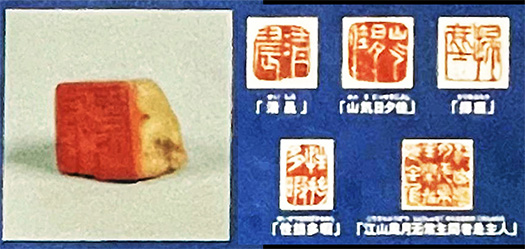
江戸期のこの時代に空前のお伊勢参りブームが起こったのも、心理の基盤はそういった部分だったに違いない。しかし一方で、現実には寅さんも、ときどきそれぞれの土地で働いたりしている。松浦武四郎も、一遍さんと同様に若いときには僧侶になったりもしているけれど、ときどき「稼いでいた」消息が聞こえてくる。上の写真は北海道の江差で1日に100コもの篆刻(石に字を彫りハンコにする)をして稼いだとされる証拠。幕末の志士、頼山陽の息子・頼三樹三郎が100の漢詩を詠み、武四郎がそれを篆刻したのだという。
メディアが成立する以前、このようないわば情報に生きる人びとの「稼ぎ」手段の実相が察せられる。
●お知らせ
拙書「作家と住空間」幻冬舎から電子書籍で発刊
お求めはAmazonで。
https://amzn.asia/d/eUiv9yO
English version⬇
[The successful and famous “Tora-san”? / Hokkaido native Takeshiro Matsuura-4]
The desire to be a “wandering monk,” shared by Japanese people bound to the land by agriculture. A psychological tendency that pulsates in Ippen Shonin, Saigyo, Basho, and others. …
Born in 1818 during the late Edo period, Matsura Takashiro finally embarked on his first journey to Edo at the age of 16. This was around 1834, corresponding to the end of the reign of Ienari, who had ruled for 50 years among the successive shoguns (retiring in 1837). This era is known as the heyday of the Bunka-Bunsei cultural period, during which Edo townspeople’s culture matured, and popular culture rooted in the lives of the common people, such as ukiyo-e prints, kabuki theater, and satirical books, flourished. Culture also spread to the regions, giving rise to culturally diverse local traditions.
Three years earlier, in 1831, there was a huge boom in pilgrimages to Ise. In this context, Matsura Takashiro, the youngest son of a local economic administrator in a key location along the Ise Road, which was experiencing unprecedented economic prosperity due to the pilgrimages, was born. Actually, I am also the youngest child. The closeness of our birthdays makes me feel an even deeper connection (laughs). I am also planning to travel around Kanto and Tohoku today, and I can’t help but feel that I share that same mindset (laughs).
Perhaps there is a persistent psychological tendency among Japanese people to want to keep moving around and live like a vagabond in this archipelago with its diverse climate and geography. I can’t help but feel that Saigyo, Basho, and even the dancing Buddhist monk Ippen also shared this tendency. Depending on the era, they may become religious leaders, poets, or haiku poets, but as human beings, there is a tendency to desire a nomadic lifestyle.
As modern people, there is undoubtedly a longing for a lifestyle like that of “Fūten no Torasan.” Perhaps, as Japanese people whose basic means of production is agriculture and who are inevitably bound to the land, this is a “dream that cannot be realized.” That is why “Fūten no Torasan” has gained such enduring popularity.
The unprecedented boom in pilgrimages to Ise during the Edo period likely stemmed from such psychological foundations. However, in reality, Torasan also occasionally worked in various places. Matsura Takashirō, like Ippen, became a monk in his youth, but there are also reports of him occasionally “earning a living.” The photo above is evidence that he earned money by carving 100 seals (carving characters into stone to make stamps) in a single day in Esashi, Hokkaido. It is said that Raizan Yō, the son of the late Edo-period patriot Raizan Yō, composed 100 Chinese poems, which Takashirō then carved into seals.
Before the advent of media, this gives us a glimpse into the actual means of earning a living for people who lived off information.
●Notice
My book “Writers and Living Spaces” has been published as an e-book by Gentosha.
Available on Amazon.
共有:

Posted on 7月 31st, 2025 by 三木 奎吾
Filed under: 歴史探訪





コメントを投稿
「※誹謗中傷や、悪意のある書き込み、営利目的などのコメントを防ぐために、投稿された全てのコメントは一時的に保留されますのでご了承ください。」
You must be logged in to post a comment.