
さてきのうまでは元の軍装備、その戦闘衣について考えて見た。これ自体は当時の日本に対してはるかに優位性をもった「戦略価値」の高いポイントだったと言える。こうした装備についての先進性に遭遇して、個人戦での勇猛さを絶対評価尺度としていた当時の日本側の軍事思想では太刀打ちできていなかったのだろうと推測できる。
しかし、戦争は単に装備の先進性だけでは勝敗の帰趨は決しない。
元軍は第1派の文永の役において10月20日の上陸地上戦では幕府・御家人軍に勝利して、博多の街を焼き払い、筥﨑の宮をも焼失させる「戦果」を得ている。通常の「征服戦争」であれば、こうした戦果を確保して、そこで征服地域の支配を確実化させるように動くだろう。それは支配=政治体制の確立と言ったことがらの着手ということになる。
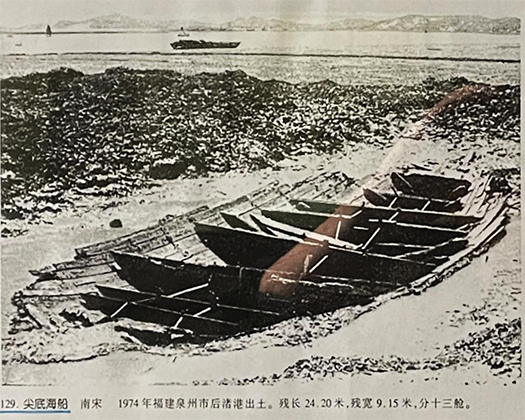
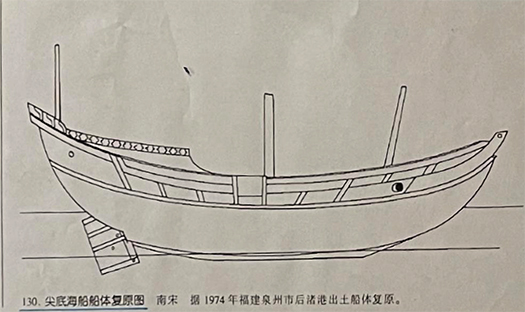
しかし元軍は初戦に勝って橋頭堡を確保できたと思われるのに、軍勢は乗ってきた軍船団に帰還していたという。このことは、兵站という機能が十分に果たされていなかった可能性を示唆する。そしてこういう渡海してまで派遣した大遠征軍の「基本戦略」の不明、政治常識の不在を証明する。
この大遠征軍の戦略的位置付けに、緻密な「兵站計画」が伴っていないことが明らか。戦争をするのに勝利後の計画がない。当たり前であれば、多くの犠牲を払って獲得した初戦の勝利からすぐに「陣地」を構築して、占領地の政治的支配の意思を露わにして行くのが当然だろう。しかしそこまでの戦略性・政治性が見られていない。
元軍の海外派兵の類似例として、ジャワ島への侵攻がある。以下、Wikiの記述概要。
〜元軍のジャワ侵攻は1293年にジャワ島に侵攻した元軍が引き起こした。皇帝クビライが派遣した使者がジャワのシンガサリ王クルタナガラによって入墨をされて返されるという事件を切掛けとして始まったジャワ遠征。元軍がジャワ島に到着するまでに当地ジャワでは内戦的状況があって、当のクルタナガラ王はジャヤカトワン王によって弑逆されていた。元軍はクルタナガラ王の女婿・ウィジャヤの計略に誘導されジャヤカトワン王を討ったものの、その後ウィジャヤの裏切りにあってジャワ島からの敗退を余儀なくされた。全くの失敗に終わった遠征。しかし遠征失敗にもかかわらず、ジャワ遠征以後中国大陸とジャワ島の貿易交流は増大し東南アジア島嶼部歴史の大転換点の事件であった。〜
この歴史事実を見ると、元軍には武力としての海外派兵はできてもその地の政権奪取ということはムリであり、その地域の政争のテコに利用されるのが関の山、ということが浮かび上がってくる。
日本史研究ではこのジャワの事例との対比研究という目線が不足しているように思える。そのように見ていけば、文永の役での元軍の戦略性の乏しい動きも理解できるのではないだろうか?
さて「神風」は吹いたのかどうか? <あした以降につづく>
English version⬇
[Was there a “strategy” in Yuan’s overseas deployment? Genkou Historiography – 5]
1274, the Battle of Bun’ei 20 Oct. Unknown strategy to turn the army back to warships even though they had achieved great successes in the first battle. What about the invasion of Java by the same Yuan army? …
Until yesterday, we looked at the original military equipment and its combat clothing. This in itself was a point of high “strategic value” with a far superiority over the Japanese of the time. It can be assumed that the Japanese military philosophy of the time, which used valour in individual battles as the absolute evaluation scale, was not able to compete with such advanced equipment.
However, the outcome of a war is not determined simply by the advanced nature of equipment.
In the first phase of the Bun’ei no Yakuwari, the Yuan forces defeated the Shogunate and the Gokenjin forces in a ground battle on 20 October, burning the city of Hakata and the Hakozaki Palace to the ground. In a normal “war of conquest”, the Shogunate would have secured such a result and moved there to secure control of the conquered area. This would be the start of establishing a political system of rule.
However, while the Yuan forces were thought to have won the first battle and secured a bridgehead, they were returning to the military fleet they had boarded. This suggests that the function of logistics may not have been fully fulfilled. It also proves the lack of a ‘basic strategy’ and absence of political common sense as a large expeditionary force that was sent across the sea like this.
It is clear that the strategic positioning of this great expeditionary force was not accompanied by a detailed “logistics plan”. There is no post-victory plan for waging war. If it were a matter of course, it would be natural to build “positions” immediately after the first victory, which was won at great cost, and go on to reveal the intention of political control of the occupied territories. However, we have not seen that much strategising and politicking.
A similar example of ex-military deployment abroad is the invasion of Java. The following is a summary of the Wiki description.
〜˜The Yuan invasion of Java was caused by Yuan troops invading the island of Java in 1293. The Javanese expedition began with an incident in which an envoy sent by Emperor Kubilai was inked and returned by the Javanese king Singhasari Kultanagara. By the time the Yuan army arrived in Java, there was a civil war situation in Java and King Krutanagara had been murdered by King Jayakatwan. The Yuan army was led by Wijaya, the son-in-law of King Kirtanagara, to defeat King Jayakatwan, but was then betrayed by Wijaya and forced to retreat from Java. The expedition was an utter failure. However, despite the failure of the expedition, trade exchanges between the Chinese mainland and Java increased after the Java expedition, and it was an incident that marked a major turning point in the history of the islands of South East Asia. 〜
This historical fact shows that, although the Yuan army could deploy overseas as an armed force, it was unable to seize power in the region and could only be used as a lever in political disputes in the region.
Japanese historical research seems to lack the perspective of contrasting this with the case of Java. If we look at it in this way, we can understand the poor strategic moves of the Yuan army in the Bun’ei no Yakuza.
So, did the “kamikaze” blow or not? <To be continued from tomorrow.
共有:

Posted on 5月 5th, 2025 by 三木 奎吾
Filed under: 歴史探訪





コメントを投稿
「※誹謗中傷や、悪意のある書き込み、営利目的などのコメントを防ぐために、投稿された全てのコメントは一時的に保留されますのでご了承ください。」
You must be logged in to post a comment.