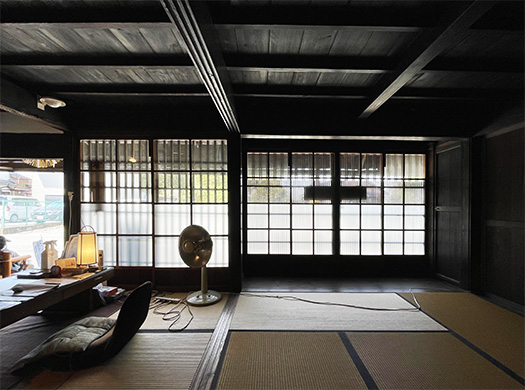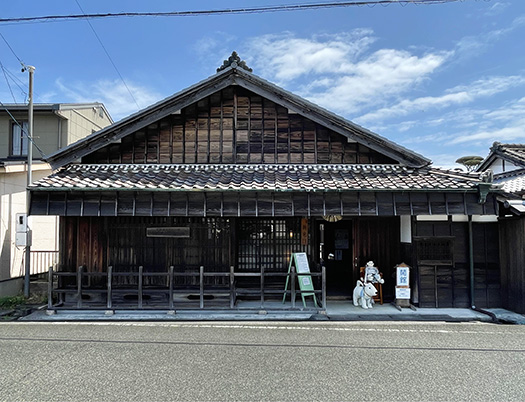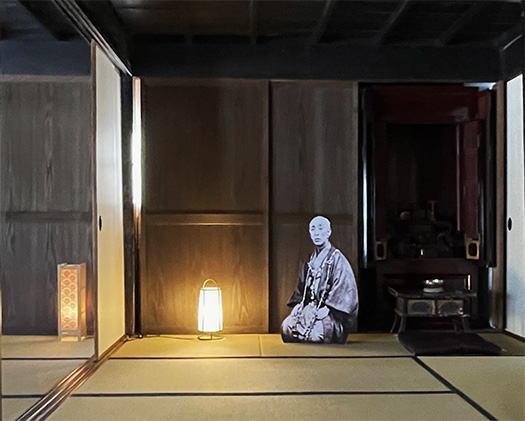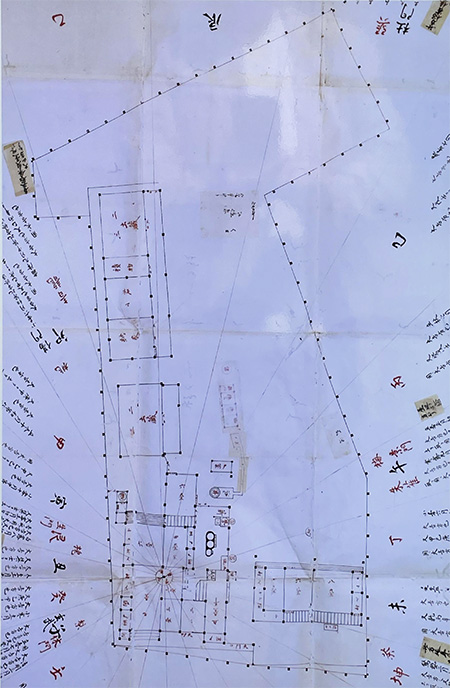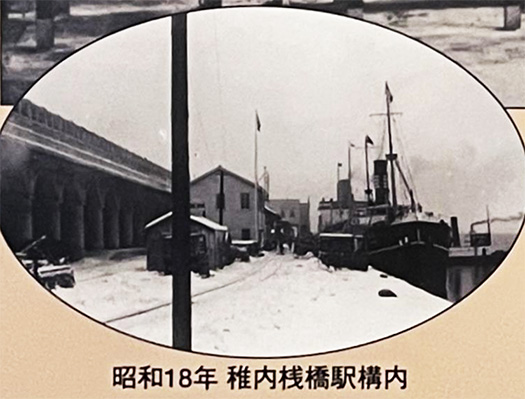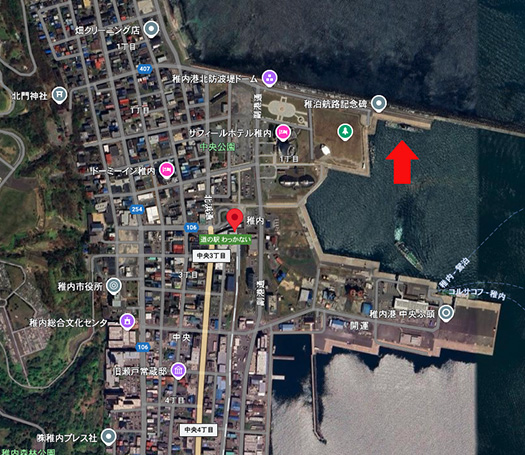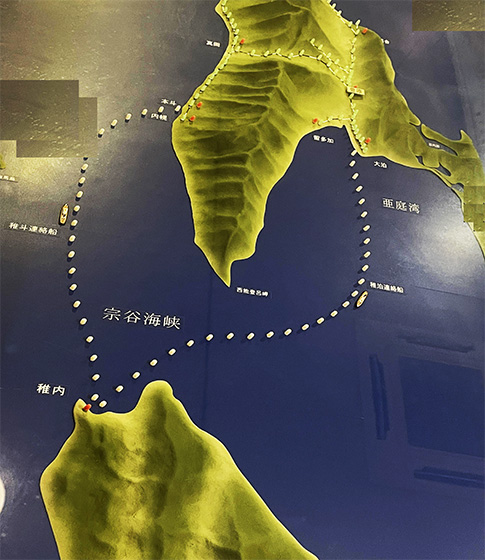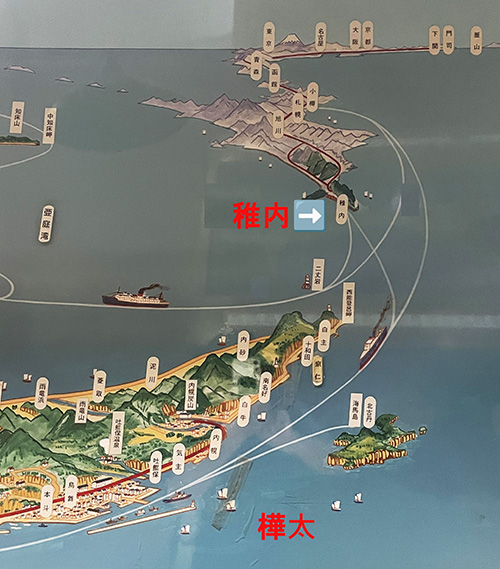
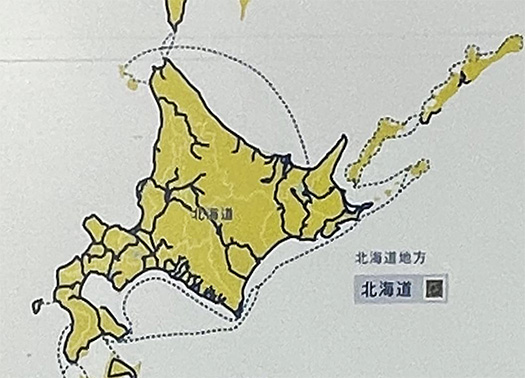
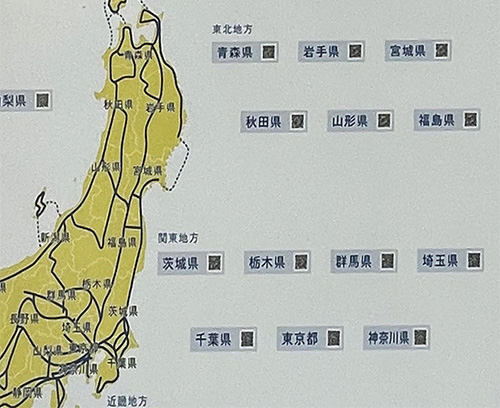
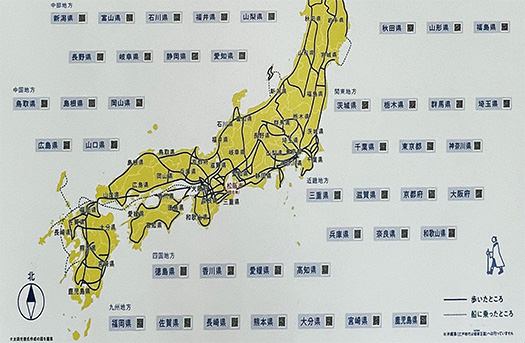
松浦武四郎の生家は伊勢街道沿いの三重県松阪市の小野江町にあり、庄屋を営む裕福な家であり図のような広大な全国への旅の資金に困ることはなかった。父・時春は庄屋を務めていた。武四郎の兄・佐七が家督を継ぎ基本の生業としては農業を営んでいた。仕事は年貢の取り立てや村のまとめ役など村の経済の管理者という立場。ここが重要だと思えるけれど、空前の「伊勢参り」大ブームによってこの地域には巨万の資力が蓄積されたことは間違いがないだろう。その上現代とは違って税務署機能すら自分たちが担っていたことになるのだ。経済の仕切りの専従家系としてその利益を享受した。幕末から明治にかけての時代相にあっては後の「資本家」になっていく典型的な階層にあたると言えるだろう。
わたしは作家を中心にして先人の家系の「素性」を見ることが多いのだけれど、明治以降の日本の経済的骨格はこうした層が担っていたことがあきらか。坂本龍馬などの明治の政争の志士たちが、三菱財閥の創始者・岩崎家などに「経済はおまえたちがやれ」と政経を分離させた「時代の雰囲気」を強く感じる。
作家・太宰治の生家なども明治になって「土地の私有」が公的に認められて、それまでの貸金業から広大な農地私有に舵を切って、大地主・富豪層になっていった。これは日本の近代化の大きな側面だろう。この政経分離ができたことが日本と中国ほかのアジア世界が大きく乖離していった根源だろうか。そういう意味では武士という支配層の強い倫理感・自己認識力が発揮されたこの歴史的経験が、欧米の価値観からしても妥当性があるとされて世界に受容されていったと思えるのだ。
松浦家というのはその先祖伝承をたどると現在の佐賀県・長崎県である肥前国「松浦」地方を拠点とした松浦水軍の流れを汲むとされている。南北朝時代には南朝方の武将であった北畠氏に仕え、伊勢国に移り住んだと伝えられる。江戸時代には御三家の紀州藩領となり、松浦家は代々「地士」として、村をまとめる役割を担っていた。地士とは有力農民層であり同時に武士身分を獲得した人々を指す。在地の有力な名主や百姓層出身で、土地を支配しつつ戦時には武士として活動した家系。階層的な特権として名字を名乗ることや刀を帯びることを許されていた。こういった背景事情が松浦武四郎という人物を生んだ。ただしかれ自身は旅の途中で手に入れた品々を売買することで、旅費を捻出したりもしたという。
●お知らせ
拙書「作家と住空間」幻冬舎から電子書籍で発刊
お求めはAmazonで。
https://amzn.asia/d/eUiv9yO
English version⬇
[Wealthy individuals in the late Edo and early Meiji periods ➡ Capitalist class / Takashiro Matsuura, a native of Hokkaido – 3]
The capitalist class of modern Japan was formed on the basis of the “shoya” class of the Edo period. A class that could control the flow of money emerged. …
Matsuura Takashiro’s birthplace was located in Onoe-cho, Matsusaka City, Mie Prefecture, along the Ise Kaido Road. His family was wealthy, running a village headman’s office, and had no trouble funding his extensive travels across the country, as shown in the diagram. His father, Tokiharu, served as the village headman. Takashiro’s older brother, Sashichi, inherited the family estate and primarily engaged in agriculture as his main occupation. His work involved collecting taxes, managing village affairs, and overseeing the village’s economy. This is an important point, but there is no doubt that the unprecedented “Ise Pilgrimage” boom led to the accumulation of immense wealth in this region. Furthermore, unlike in modern times, they even handled tax collection functions themselves. As a family dedicated to managing the economy, they reaped the benefits of this system. In the context of the late Edo to Meiji periods, they represent a typical class that would later evolve into “capitalists.”
I often examine the “background” of the family lineages of writers, but it is clear that the economic framework of Japan after the Meiji era was supported by such groups. I strongly sense the “atmosphere of the times” in which Meiji-era political figures like Sakamoto Ryoma separated politics and economics, telling the Iwasaki family, founders of the Mitsubishi zaibatsu, “You handle the economy.”
The birthplace of writer Osamu Dazai also shifted from lending money to owning vast tracts of farmland after the Meiji era, when private ownership of land was officially recognized, becoming a large landowner and wealthy class. This is a major aspect of Japan’s modernization. Could this separation of politics and economics be the root cause of the significant divergence between Japan and other Asian countries like China? In that sense, I believe that the strong sense of ethics and self-awareness of the samurai ruling class, as demonstrated in this historical experience, was accepted by the world as being consistent with Western values.
The Matsura family is said to trace its ancestry back to the Matsura naval forces based in the Matsura region of Hizen Province, which is now part of Saga and Nagasaki Prefectures. During the Nanbokucho period, they served the Kitabatake clan, who were generals of the Southern Court, and are said to have moved to Ise Province. During the Edo period, they became part of the Kishu domain, one of the three major domains, and the Matsuura family served as “jishi” (local lords) for generations, playing a role in managing the village. Jishi refers to influential farmers who also obtained samurai status. They were a lineage of powerful local landowners and peasants who ruled the land and served as samurai in times of war. They were granted the hierarchical privilege of using surnames and carrying swords. These circumstances gave rise to the figure of Matsura Takeshiro. However, he himself is said to have earned travel expenses by buying and selling items he acquired along the way.
●Notice
My book “Writers and Living Spaces” has been published as an e-book by Gentosha.
Available for purchase on Amazon.
共有:

Posted on 7月 30th, 2025 by 三木 奎吾
Filed under: 歴史探訪 | No Comments »