
責任を一切無視して居座ろうとする権力者をめぐっての参議院選挙後の混乱状況。これは予測不能な事態が発生する可能性も出てきていますね。一方で、わが家2.0の隣地での工事進捗とその伴走的な事態対応などに追われております。こちらは楽しい事態の進行。悲喜こもごも。
ということですが、稚内ー樺太についての不勉強だった戦前〜戦後直後時期の交通と建築の探訪シリーズに復帰したいと思います。
稚内で歴史的写真類を情報収集し学習させていただくことで「罪滅ぼし」的に、埋もれていた北海道の歴史に敬意を払う時間を過ごさせていただいています。たいへん喜ばしい。そして関連してわたしの家系のなかで樺太の戦場から復員できた親類の消息なども再確認することができた。ある年長の従兄弟は、終戦を樺太の日露国境線付近で迎え、そこから「密航」で稚内着岸。鉄道を乗り継いで当時のわが家・空知郡栗沢町に「復員」してきていた。わたしが生まれる7年前のことだけれど、点と線が繋がってきて生々しい実感として迫ってくる。
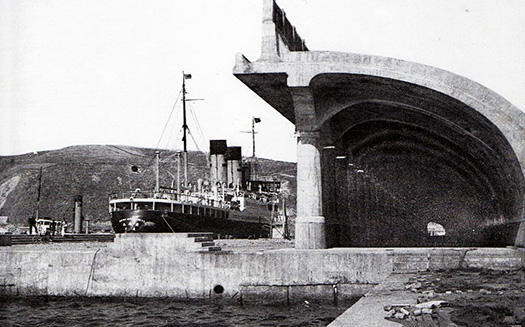
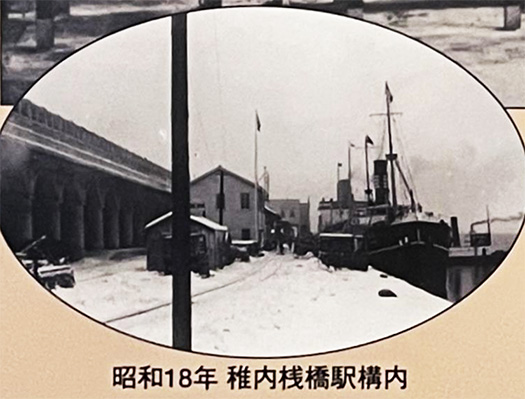
で、やはり住宅とか建築とかにメイン領域を定めていた人間としては、可視化された情報をさがしてその歴史時間の実像を掘り起こしたくなった。上の写真は樺太への航路の稚内でのポイント「稚内桟橋駅」施設の状況。
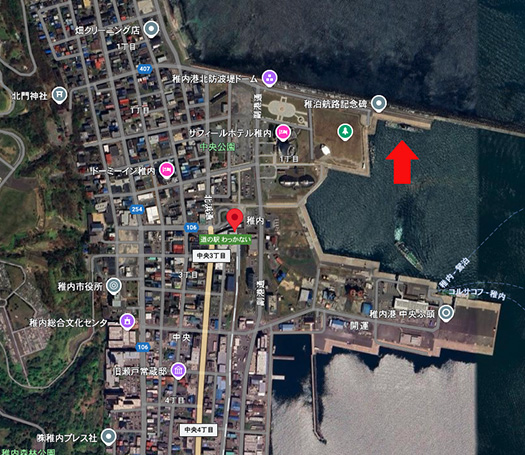
いまは遺産的建造物と思える防波堤ドームだけれど、このように実用されていた。(Wikki情報転用)わかりやすい。下の写真は現在のGoogle Mapでの地点把握と上の写真の反対側・陸地側からの目線。
大量に収集してきた写真情報と現稚内駅周辺での「体感情報」を整理整頓しながら、これらの情報を復元してみた次第ですが、時間を交叉させた情報の掘り起こしってまことにオモシロい。そしてこういう施設群を戦争という大惨禍のなか「密航」通過してきた近縁者の肉声文章をも重ねると、感慨が深い。つい80年ほど前に、わたしたち社会はこのような時空を体験をしていたのですね。
●お知らせ
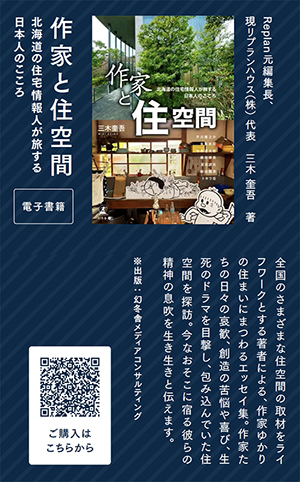
拙書「作家と住空間」幻冬舎から電子書籍で発刊
お求めはAmazonで。
https://amzn.asia/d/eUiv9yO
English version⬇
Wakkanai-Karafuto Shipping Route / Wakkanai Pier Station, the starting point of the prewar period]
The transportation route between Karafuto and Wakkanai, which is connected to our “flesh and blood” as Hokkaido people. The realities of time and space are reconstructed with vivid photographic information. ・・・・・・.
The chaotic situation after the Upper House election regarding those in power who are trying to stay in office with total disregard for their responsibilities. This is starting to create the possibility of an unpredictable situation. On the other hand, we are busy with the progress of the construction work at the lot next to our house 2.0 and its accompanying situation. This one is a pleasant progression of events. It’s a sad and joyful time.
I would like to return to the series of exploration of transportation and architecture in the prewar to immediately postwar period, which I have been uninformed about Wakkanai-Kabaruto.
By gathering information and learning from historical photographs in Wakkanai, I have been able to spend time paying respect to Hokkaido’s history, which was buried in the past, as if to “atone” for my sins. It is a great pleasure. In addition, I have been able to reconfirm the whereabouts of relatives in my family who were demobilized from the battlefields of Sakhalin. One of my older cousins came to the end of the war near the Russo-Japanese border in Karafuto, and “smuggled” himself ashore in Wakkanai. He had been “demobilized” to his home town of Kurisawa, Sorachi-gun, after taking a train. It was seven years before I was born, but the dots and lines are now connected, and I can feel it vividly.
As a person whose main field of work is housing and architecture, I wanted to search for visualized information and dig up the actual image of that historical time. The photo above shows the “Wakkanai Pier Station” facility, a point in Wakkanai on the route to Sakhalin Island.
The breakwater dome now seems to be a heritage structure, but it was used in this way. (Adapted from Wikki information) It is easy to understand. The photo below shows the current Google Map location and the view from the opposite side of the above photo.
I have restored this information by organizing the large amount of photographic information I have collected and the “sensory information” from the area around the current Wakkanai Station, and it is very interesting to dig up information that crosses time. And when I lay on top of it the voices of those who “smuggled” their relatives through these facilities in the midst of the catastrophe of war, I am deeply moved. We, as a society, experienced this kind of time and space just 80 years ago.
Notice
My book “The Writer and the Living Space” is published by Gentosha as an e-book.
Please visit Amazon to purchase it.
共有:

Posted on 7月 24th, 2025 by 三木 奎吾
Filed under: 歴史探訪



コメントを投稿
「※誹謗中傷や、悪意のある書き込み、営利目的などのコメントを防ぐために、投稿された全てのコメントは一時的に保留されますのでご了承ください。」
You must be logged in to post a comment.