

さて「北海道」の名付け親として広く知れ渡っている松浦武四郎さんの素性を考えるシリーズ。昨日のイントロにひきつづき実質的な第1回です。読者のSさんからさっそくの反応。「どうしてあの時代に、あのように全国を旅しまくるようなことが可能だったのか」と素朴な疑問。まったくその通りであります。どんな「時代背景状況」だったのか。
松浦さんは1818年3月12日に生まれ、1888年2月10日に亡くなっている。「北海道人」というのはかれ自身が自分の「号」として用いていたのですが、命名としてはかれは第1号の北海道人であるわけです。はるかな民族の後輩としてまたこの地に暮らす人間として、かれの生き様について深掘りさせていただく因果のようなものを自覚している。かれもまた深くそのことは許していただけると内意してその生誕の地を探訪した次第。
時代は134年違うけれど誕生日もわたしと1日しか違わない。人間の誕生日・星座占いなどにどれほど科学性があるかはわからないけれど、同じ「魚座」生まれとして性格的な部分では同質性があるものか。松浦さんは「旅」というもの、旅するということに深くこだわった人生を歩まれた。わたしも同じように風来坊的に日本語が通じる地域を歩きたい思いは共有しているように思う。まぁケタが違いすぎるけれど(笑)。
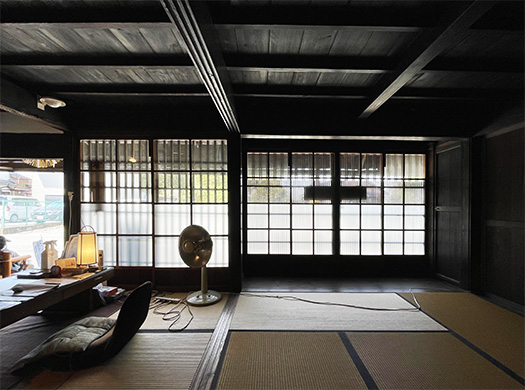
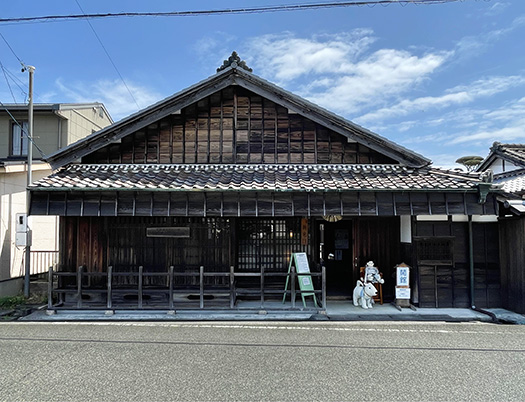
で、写真はかれの生家の正面クローズアップと、その家の中から「表通り」を見た様子。
この生家は「伊勢参り」の参詣道(伊勢街道)のど真ん前に位置していた。南に行けば伊勢神宮、北に行けば四日市・日永(ひなが)で東海道につながり、古来「おかげ参り」の旅人が行き交った場所とされる。この家は「松阪市指定史跡・松浦武四郎誕生地」として保存公開。きっと北海道からもその名号を慕って(笑)多くのひとが訪れているに違いない。
この伊勢街道において武四郎13歳の頃「文政のおかげ参り」大ブームが惹起して、なんと年間400-500万人がこの生家の前の道を参詣に往来していたのだという。往復と考えれば年間1,000万人ほどの通行。人口については各種の調査資料があるが、おおむねこの当時は全国3,000万人程度。となれば日本全体人口の1/3程度がこの前を通行していたことになる。驚異的。
こういう「環境性」が多感な人間にどのように影響を性格形成として与えるか、一種の実験に近い。この大ブームは日本社会の歴史的にも奇跡的な事象だったので、それが多感な少年にどう人格形成するかはきわめて興味深い。ヘタをすると病理のレベルで精神に影響した可能性が捨てられない。
わたし自身とまた比べるのは恐縮だけれどわたしも少年期3-15歳くらいまで札幌市内最大の「自動車通行路・ハイウェイ」とされた「石山通」という幹線道路に面して暮らしていた。自転車乗り練習であやうく轢かれ死にそうな体験もしている。だけれど、その道路を見つめ続けて、じっとその南方のはるか先に「日本社会」があるのだと憧憬の念を育ててもいた。
そのような一種、精神病理に似た「作用」が松浦武四郎さんに残影したのではと妄想している・・・。
●お知らせ
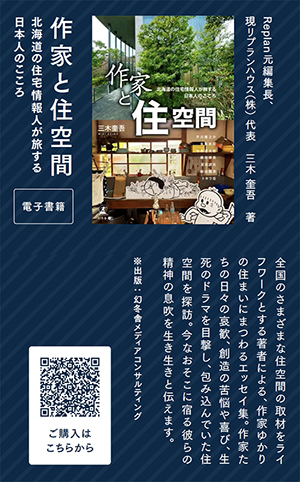
拙書「作家と住空間」幻冬舎から電子書籍で発刊
お求めはAmazonで。
https://amzn.asia/d/eUiv9yO
English version⬇
[Population: approx. 30 million; 5 million visitors annually for the Ise pilgrimage / Takashiro Matsuura, Hokkaido resident – 2]
The interrelationship between the environment and the human heart. How did the visual experience of a large influx of people, amounting to one-third of the total population, influence the formation of the spirit during a sensitive period? …
Now, let’s continue our series on the life of Matsura Takashiro, widely known as the person who named Hokkaido. Following yesterday’s introduction, this is the first installment of the series. We have already received a response from reader S, who asked a simple question: “How was it possible to travel around the country so extensively in those days?” That is exactly right. What was the historical context at that time?
Matsuura was born on March 12, 1818, and died on February 10, 1888. He used the name “Hokkaido-jin” as his own pen name, but in terms of naming, he was the first Hokkaido-jin. As a distant descendant of his people and as someone who lives in this land, I feel a sense of karmic obligation to delve deeper into his life. I visited his birthplace with the understanding that he would forgive me for doing so.
The era is 134 years different, but our birthdays are only one day apart. I don’t know how scientific birthdays and zodiac signs are, but as fellow Pisces, I wonder if we share similar personality traits. Mr. Matsura lived a life deeply committed to “travel.” I share his desire to wander freely through regions where Japanese is spoken. Though, of course, the scale is entirely different (laughs).
The photos show a close-up of the front of his birthplace and the view of the “main street” from inside the house.
This birthplace was located right in the middle of the pilgrimage route to Ise (Ise Kaido). To the south lies Ise Shrine, and to the north lies Yokkaichi and Hinaga, which connect to the Tokaido Road. It is said to have been a place where pilgrims on the “Okage Pilgrimage” have passed through since ancient times. This house is preserved and open to the public as the “Matsusaka City Designated Historic Site: Birthplace of Matsura Takashiro.” I’m sure many people from Hokkaido also visit, drawn by its reputation (laughs).
During Takashiro’s 13th year, the “Bunsei Pilgrimage” boom erupted along the Ise Kaido, with an astonishing 4 to 5 million people passing through the road in front of this birthplace annually. Considering round trips, this amounts to approximately 10 million people per year. Various survey data on population exist, but at that time, the national population was roughly 30 million. This means that approximately one-third of the entire Japanese population passed through this area. It is astonishing.
How such an “environmental factor” influences the character formation of a sensitive individual is akin to an experiment. This massive boom was a miraculous event in Japanese history, so how it shaped the personality of a sensitive young boy is extremely intriguing. It is possible that it may have had a pathological level of influence on the mind.
While it may be presumptuous to compare myself to others, I too lived along “Ishiyama-dori,” the largest “automobile thoroughfare/highway” in Sapporo, from the age of 3 to 15. I also had a close call where I nearly got hit by a car while practicing cycling. However, by staring at that road, I also nurtured a sense of longing for the “Japanese society” that lay far to the south.
I speculate that such a kind of “effect,” resembling a mental pathology, may have left a lingering impression on Matsura Takushiro…
●Notice
My book “Writers and Living Spaces” has been published as an e-book by Gentosha.
Available for purchase on Amazon.
共有:

Posted on 7月 29th, 2025 by 三木 奎吾
Filed under: 未分類




コメントを投稿
「※誹謗中傷や、悪意のある書き込み、営利目的などのコメントを防ぐために、投稿された全てのコメントは一時的に保留されますのでご了承ください。」
You must be logged in to post a comment.