本文へジャンプ

【吉野ヶ里23年ぶり再訪・甕棺にて神妙に・・・】


 さて佐賀県の探訪フィニッシュはこれまでも2回ほど来ている「吉野ヶ里遺跡」。
 吉野ヶ里町は佐賀県でもいちばん九州の中央部に近接していて、高速道路網の九州でのセンターとも思える「鳥栖JC」からも近接している。名残惜しいのですが、佐賀県最後のポイントとしてはまことに「有終の美」感が迫ってくる。
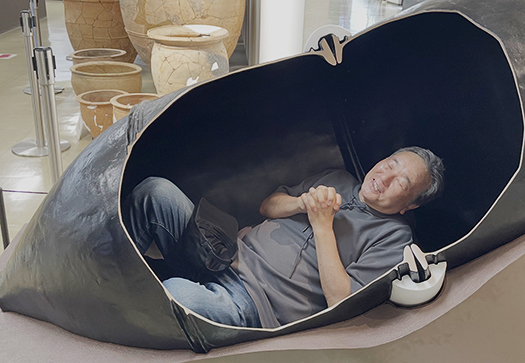
 今回はお茶目なカミさんのはからいでわたしは「甕棺」入りの写真を取られてしまった(泣)。入って写真を取られることになると、不思議に輪廻感が内心に芽生えてきていました。弥生のこの頃、この列島社会ではこういう黄泉への旅立ちが「定め」とされていた実感が湧いていた。
 歴史好きとしては、わたしの人生時間に発掘されて遺跡調査が進んだこの吉野ヶ里と、青森県の三内丸山には、格別の思いがある。数寄を深めてくれた遺跡として、過去の多くの日本人以上に「体験」させていただけたことに感謝しています。
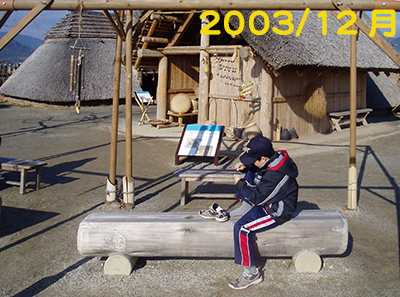
 この写真は2003年の正月に小学校低学年だった息子を強制的に連れ立って訪問したときのもの。「こんな遺跡見物はもういやだ」感が出ている様子(笑)。かわいそうに・・・。
 ま、しかし父親としては自分の数寄を「伝える」機会でもあるわけで、なんとも言えない。
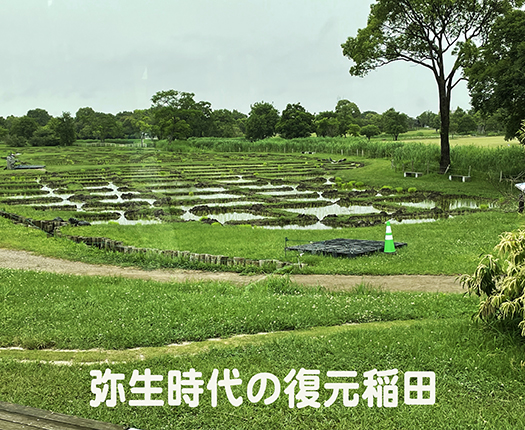
 さて今回の訪問で「あ、もっと居たかったなぁ」と思えたのが上から2枚目の「田んぼ」写真。どうしても遺跡の復元建築にばかり興味が向かうけれど、園内を廻遊するバスから見えていた、この復元された稲作の痕跡のありようには、唸らされていた。
 その規模感や、あぜ道、水路の作られようには、最新の研究知見が集約的に表現されていることが遠目にもあきらかだと感じられていた。「こんなふうに最初期の稲作はおこなわれていたのかなぁ」であります。日本の気候風土条件の中に展開されていった主食生産のコア構造。
 まぁ研究探索はこういう遺跡現地での「実感」からスタートして、自分なりに深めて行くのにはWEBや書籍などを活用すればいい。本当にありがたい時代に「生かされている」ことを感じる。
 今回の吉野ヶ里体験では「日本」という社会のさまざまな「最初期」というものについての知見が深まってきているのだと感じさせられていた。
 家に帰ってこれらの写真を整理整頓し「数寄」を深めたいと思わされていました・・・。

●お知らせ
拙書「作家と住空間」幻冬舎から電子書籍で発刊
お求めはAmazonで。
https://amzn.asia/d/eUiv9yO
English version⬇

[Returning to Yoshinogari for the First Time in 23 Years: Contemplating the Jar Coffins…]
Yoshinogari and Sannai-Maruyama have dramatically deepened my passion for history. I’m grateful to have experienced these archaeological sites while I’m still alive—and I even ended up contemplating the jar coffins (lol)…

 Well, the final stop on my tour of Saga Prefecture is the “Yoshinogari Ruins,” a place I’ve visited about twice before.
Yoshinogari Town is located in the part of Saga Prefecture closest to the center of Kyushu, and it’s also near the “Tosu Interchange,” which could be considered the hub of Kyushu’s expressway network. Although I’m a bit reluctant to leave, as the last stop in Saga Prefecture, it truly feels like a fitting finale.
 This time, thanks to my playful wife’s scheme, I ended up having my picture taken inside a “jar coffin” (sob). As I stepped inside to have my photo taken, a strange sense of reincarnation began to stir within me. I could really feel that, back in the Yayoi period, this kind of journey to the afterlife was considered “fate” in the society of these islands.
 As a history enthusiast, I have a special attachment to Yoshino-gari—which was excavated and studied during my lifetime—and Sannai-Maruyama in Aomori Prefecture. I am grateful that these sites, which have deepened my appreciation for history, have allowed me to “experience” them more fully than many Japanese people of the past.

This photo was taken during a visit I forced my son—who was in the lower grades of elementary school at the time—to join me on during the New Year holidays in 2003. He looks like he’s thinking, “I never want to visit ruins like this again” (lol). Poor thing…
 Well, as a father, it was also an opportunity to “pass on” my own passion, so I can’t really say anything.
 Now, what made me think, “Ah, I wish I could have stayed longer,” during this visit was the second photo from the top, the one of the “rice paddies.” While my interest inevitably gravitates toward the reconstructed ruins, I was truly impressed by the sight of these restored traces of rice cultivation, which I could see from the bus touring the grounds.
 Even from a distance, it was clear that the scale of the site, along with the construction of the ridges and irrigation channels, was a concentrated expression of the latest research findings. It made me wonder, “Is this how rice farming was practiced in its earliest days?” The core structure of staple food production that evolved within Japan’s unique climate and geographical conditions.
Well, research and exploration start with this kind of “real-life experience” at the site itself, and I can use the internet and books to deepen my understanding in my own way. I feel truly grateful to be “living in” such a wonderful era.
This experience at Yoshinogari made me realize that my understanding of the various “earliest stages” of Japanese society is deepening.
I found myself wanting to go home, organize these photos, and further cultivate my “passion” for the subject…

● Announcement
My book, “Writers and Living Spaces,” has been published as an e-book by Gentosha.
Available on Amazon.

【佐賀城内にて鍋島藩殿様と密談(放談)に及ぶ(笑)】


 「明治帝の北海道開拓の詔勅を背負ってもたらした藩士・島義勇はいかがでござったか?」
 「それはそれはみごとでしたよ。毎日北海道神宮社殿前に置かれた像に拝礼していますよ」
 「・・・でござるか。みごととはかたじけない」
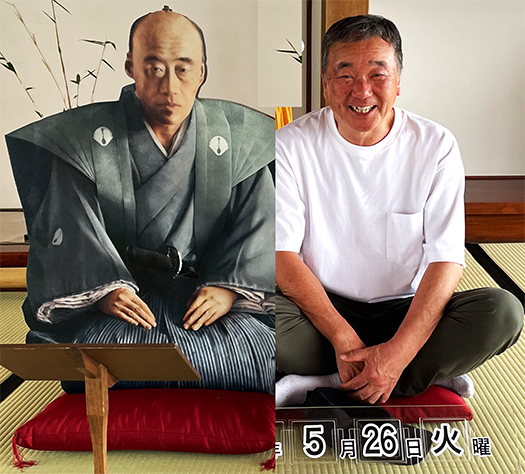
 ・・・という会話妄想に浸っていましたが、どうも写真は照れくさくての破顔一笑ぶり。失礼。はじめて訪れた佐賀県の県庁所在都市、佐賀市の中心にある佐賀城内にて、であります。写真が残されているということで明治期の最先端藩・肥前鍋島藩のお殿様・10代藩主の鍋島直正(なべしま なおまさ)公の写真とのツーショットをご案内の方に撮影していただいた。
 梅雨まっ盛りの九州の旅路と言うことで、ぐしょ濡れを覚悟していたのですが、案に相違して晴天ぶりですっかり日焼けしたにやけ顔で、申し訳ありません。ブログ記述人であります。北海道人は本来色白系なので日焼けするとご覧のような「真っ赤っか」ぶりであります(泣)。
 案内者の地元の方とは「いや、薩摩の連中は奸佞にて・・・」と悪口放言大会(笑)。「おかげで島義勇は明治帝の詔勅を背負って渡道し道都・札幌開拓の礎となったにもかかわらず、最後は政府への反乱者として征伐されてしまった経緯。
 そういう歴史の無念への思いを鎮魂するような訪問意図。そんな話題を案内の方と話していたら、さすがに地元人としてのプライドを刺激されてしまったようで、すっかり上機嫌に対応していただいて、最後にはこういう写真撮影の申し出を受けてしまった次第です。
 まことにお恥ずかしい写真でありますがお許し願いたい。
 さて、梅雨時なのに晴れ続きだったのですが、本日はさすがにこの時期本来の雨空。連日の野外露天行脚を少しはペースダウンしたいと思います。さすがに日焼け過ぎ。
 というところに実は、先般の広島県電撃往復からの家系調査に大きな進展の知らせ反応を受けた。まことにありがたい情報に感謝しておりました。ということで本日は早めにホテルに着陣して、想を練って参りたいと思います。一転して「雨あめ降れ降れ」。関係各所にこの情報を共有したい。
 あ、そういえばこのあと薩摩鹿児島にも行く予定だった・・・。さてさて。

●お知らせ
拙書「作家と住空間」幻冬舎から電子書籍で発刊
お求めはAmazonで。
https://amzn.asia/d/eUiv9yO

English version⬇
 
[Having a private chat (or rather, a casual chat) with the Lord of the Nabeshima Domain inside Saga Castle (lol)]
The Hizen Nabeshima Domain played a major role in the Meiji Restoration and the development of Hokkaido. Grateful for their kindness, I innocently snapped a photo with the Lord. I can’t help but smile—it’s a bit embarrassing…

 “What did you think of Shimazu Yoshiyuki, the samurai who carried the Meiji Emperor’s imperial edict on the development of Hokkaido?”
“He was truly magnificent. I pay my respects every day to the statue placed in front of the Hokkaido Jingu Shrine.”
“…Is that so? I am humbled by your praise.”
…I was lost in this imaginary conversation, but looking at the photo, I realize I was just grinning shyly. My apologies. This was taken inside Saga Castle, located in the center of Saga City—the prefectural capital of Saga Prefecture, which I was visiting for the first time. I was told that a photograph of Lord Naomasa Nabeshima, the 10th lord of the Hizen Nabeshima Domain—one of the most progressive domains of the Meiji era—still existed, so the person who guided me took this photo of me posing alongside it.
 Since this was a trip to Kyushu in the middle of the rainy season, I was prepared to get soaked, but contrary to expectations, the weather was sunny, and I ended up with a sunburned, grinning face—my apologies. I’m the blogger here. People from Hokkaido tend to have fair skin, so when we get sunburned, we turn “bright red” like you see here (sob).
 My local guide and I had a good old time trading insults, saying things like, “Man, those Satsuma folks were such schemers…” (laughs). We talked about how, despite Shima Yoshiyuki crossing to Hokkaido bearing the Meiji Emperor’s imperial edict and laying the foundation for the development of Sapporo, the capital of Hokkaido, he was ultimately crushed as a rebel against the government.
The purpose of my visit was to pay my respects and soothe the lingering regret of that historical injustice. As I was discussing this topic with my guide, it seems my remarks really struck a nerve—or perhaps I touched on a point of local pride—because he became quite cheerful and accommodating, and in the end, he even agreed to this photo op.
It’s a truly embarrassing photo, but I hope you’ll forgive me.
Now, even though it’s the rainy season, we’ve had nothing but sunny days, but today, as expected, we have the typical rainy skies of this time of year. I think I’ll slow down the pace of my daily outdoor excursions a bit. I’ve definitely gotten too much sun.
 Just as I was thinking that, I actually received news of a major breakthrough in the family history research I’d been conducting following my recent whirlwind round trip to Hiroshima. I was truly grateful for this valuable information. So, I plan to check into the hotel early today and reflect on my thoughts. Suddenly, I’m thinking, “Rain, rain, please fall.” I want to share this information with all relevant parties.
Well then…

● Announcement
My book, “Writers and Living Spaces,” has been published as an e-book by Gentosha.
Available on Amazon. 
 

【日本全県踏破・佐賀県で人生終盤近くに達成か(笑)】


 わたしは今から57-58年近く前の高校生の頃に、日本国内旅行、東京に行くよりも前にヨーロッパ旅行に旅立ったことが人生の「旅行始原」。ヨーロッパ旅行から帰ってきて無性に日本国内を旅したいと祈念して、帰国後その足で奈良京都方面に向かっていた経験がある。
 そこから延々と国内国外を旅してきたけれど、とりわけ国内の旅路の方に深く惹かれて来た。
 その旅路で、徐々に各地域に心が染み入ってくるものを感じ続けてきた。とくに東北各県については第2のビジネスの戦場感覚まで持って過ごしてきた。
 で、徐々に「未探訪地域」がなくなって来て、いよいよ最後に残されたのが、佐賀県地域。まぁ厳密には九州の高速道路の心臓部・鳥栖ジャンクションや「吉野ヶ里」は佐賀県であり、吉野ヶ里探訪には20年以上前に行っているのですが、今回ついに佐賀県の奥深く、有田地域から唐津にと、本格的に探訪することが出来た。(!)でも、県庁所在地名すらうろ覚えで「え、佐賀って言う街があるの?」とまでボケボケ認識ぶり(笑)。いや失礼いたしました・・・。
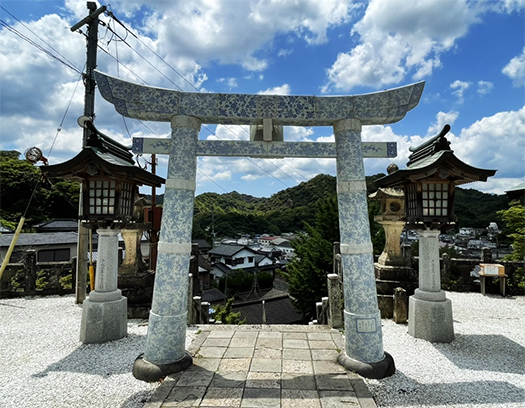
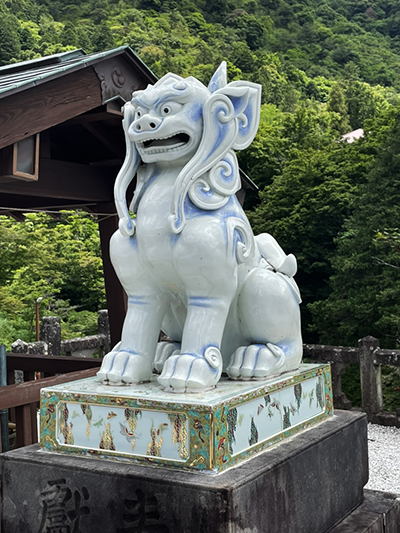
 写真は有田の「陶山神社」。有田焼の産地らしく鳥居も狛犬も「陶器製」で有名とのこと。
 佐賀県はこの有田とか、唐津、また伊万里などとにかく「焼き物陶器」が地域を名高くしている。カミさんは陶器には興味満々のようですが、わたしは料理作りはスキだけれど、その容器にはそれほどの数寄は感じないタイプ。まぁ個人的に関心が薄いのですね。
 でも、食事にはその器は絶対不可欠な要素であることを考えれば、そういう数寄傾向を強く持つことは理解できます。また、有田で初めて知ったのが、TOTOやINAXなどの住設建材企業は多くは、この陶器の産業技術が、現代の石油文明の中で活かされた典型だということにも思いが至りますね。昨年はINAXの出自が愛知・常滑にあることも探査していた。
 昨日も有田焼の現代企業を訪問していてそのスタッフの方と話していたのですが、石油関連産業であるプラスチック文明に今回のイラン戦争で改めて気付かされて、脱石油文明の基盤は再び、こうした陶器産業が再起動させる原動力になるのでは、と話し合っていた次第。
 ・・・ということで、きょうあすと佐賀県をディープに探訪したいと思います。あ、ホントは大分県もちょっとしか行っていなかった、もの忘れ満開(泣)。

●お知らせ
拙書「作家と住空間」幻冬舎から電子書籍で発刊
お求めはAmazonで。
https://amzn.asia/d/eUiv9yO

English version⬇

[Conquering Every Prefecture in Japan: Will I Finally Achieve This in Saga Prefecture, Near the End of My Life? (lol)]
Human life depends heavily on food. And “tableware” embodies a rich accumulation of culture and craftsmanship. Saga was the cradle of Japanese pottery craftsmanship. …

 The “origin of my travels” dates back to when I was a high school student, nearly 57 or 58 years ago. Before I had even traveled within Japan or visited Tokyo, I set off on a trip to Europe. After returning from that trip, I was overcome with an intense desire to travel within Japan, and I remember heading straight for the Nara and Kyoto areas as soon as I got back.
Since then, I have traveled endlessly both within and outside Japan, but I have always been particularly drawn to domestic travel.
 Throughout those journeys, I have consistently felt my heart gradually becoming imbued with the spirit of each region. In particular, I have come to view the prefectures of Tohoku as a second business battlefield.
As a result, the “unexplored regions” have gradually dwindled, and the last remaining area was Saga Prefecture. Well, strictly speaking, Tosu Junction—the heart of Kyushu’s expressway network—and “Yoshinogari” are in Saga Prefecture, and I actually visited Yoshinogari over 20 years ago. But this time, I was finally able to make a proper exploration deep into Saga Prefecture, from the Arita region all the way to Karatsu. (!) However, I was so out of it that I could barely even remember the name of the prefectural capital—I was so clueless I actually asked, “Wait, is there a city called Saga?” (lol). My apologies…
The photo shows “Touzan Shrine” in Arita. As befits a center of Arita ware production, the shrine is famous for its “ceramic” torii gate and komainu (guardian dogs).
 Saga Prefecture is renowned for its “pottery and ceramics,” with places like Arita, Karatsu, and Imari making the region famous. My wife seems to be absolutely fascinated by pottery, but while I enjoy cooking, I’m not the type to have much of a connoisseur’s eye for the vessels themselves. Well, I guess I just don’t have much personal interest in it.
 Still, considering that tableware is an absolutely essential element of a meal, I can understand why some people have such a strong appreciation for it. Also, something I learned for the first time in Arita is that many plumbing and building materials companies, such as TOTO and INAX, are prime examples of how this ceramic industry’s technology has been put to use in our modern petroleum-based civilization. Last year, I was also researching the fact that INAX has its roots in Tokoname, Aichi.
Yesterday, I visited a modern Arita ware company and was talking with the staff there. We discussed how the current war in Iran has made us acutely aware of the plastic civilization—which is tied to the oil industry—and how the foundation for moving away from this oil-based civilization might once again be driven by the revival of the pottery industry.
 …So, I plan to explore Saga Prefecture in depth today and tomorrow. Oh, actually, I’ve only been to Oita Prefecture a little bit—my memory is completely shot (sob).

● Announcement
My book, “Writers and Living Spaces,” has been published as an e-book by Gentosha.
Available on Amazon.


【水天宮参拝〜お食い初め〝養い親〟体験】


 さて今回の旅路は北海道と九州の人間の「結縁」での孫の人生通過儀礼が主目的。
 それに沿って孫にとっての人生「儀式」機会をともに過ごさせてもらった。戦後生まれの北海道人としては、まったく体験していなかったことを「初体験」。しかも男子の縁者として男性「最高齢者」ということで、お食い初め儀式の〝養い親〟という役目も務めておりました。
 事前にWEBで以下の「作法」が縁者から示され、その役目を果たしていた次第。以下概要。
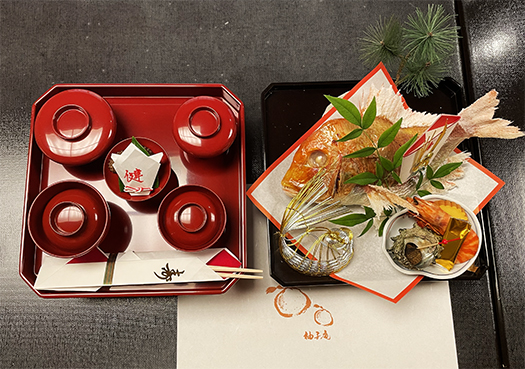
 〜■お食い初め儀式のやり方 赤ちゃんと同姓の最年長者が果たす。男子なら祖父が膝に抱いて食べさせる真似をすることが多い。「飯椀→汁物→飯椀→焼き物」の順に食べ物を口元へ持っていき食べる真似をさせる。一般的な意味としては赤ちゃんを育ててくれる親という意味の言葉で伝統的な儀式の場では「長寿にあやかる」という大切な願いが込められた役割を指す。
 ●「歯固めの儀」 小石を用意しその小石を赤ちゃんにかませ「歯が丈夫になりますように」と祈願する。この小石は半紙に包み臍の緒と一緒に保存する。〜〜
 ・・・ということだそうです。
 伝統的価値観からは比較的自由で、インターナショナルな価値観を受け入れ続けてきた北海道人には興味深く、いかにも「伝統的な人生儀礼」という気分でおりました。こういう通過儀礼が、北海道と九州人の結縁としてはふさわしいとも思っておりました。ニコニコと無事役目を完遂。孫は箸を口元に持っていくと、なんだかわからないままごく自然に「咥えよう」と反応(笑)。
 この儀礼前には「水天宮総本宮」を無事の成長祈願のために参詣。源平の壇ノ浦で崩壊した平家の一位の局が、安徳天皇の御霊を慰めるために筑後川のほとりに祀ったのが始原とされる。
 久留米のひとにとってこの水天宮は全国に広がる水天宮信仰の発祥地という強い思いがある。日曜日なので、たくさんの参詣者で、本殿内でありがたく神主さんの「お祝い」を受けさせていただいていました。クライマックスではまるで「瀧の水音」のような神楽鈴からの妙なる美音を浴びさせていただいていた。
 〝養い親〟として神妙に、しかし内心では合理的北海道人の伝統的日本文化体験として、目が「醒まささる」思いで、たのしく過ごさせていただいた。キョトンとしつつもときどき笑顔を見せて神妙にしていた孫ともども、こういったご縁に深く感謝。
 昨日の「怨念」的告白とは隔絶・超絶の神妙体験の1日(笑)。

●お知らせ
拙書「作家と住空間」幻冬舎から電子書籍で発刊
お求めはAmazonで。
https://amzn.asia/d/eUiv9yO

English version⬇

[Visiting Suitengu Shrine: Experiencing the Role of “Foster Parents” at the Okuizome Ceremony]
As a Hokkaido native accustomed to an international mindset, experiencing this kind of traditional rite of passage was a real eye-opener. It was a solemn yet joyful occasion filled with gratitude…

 The main purpose of this trip was to participate in a rite of passage for my grandson, marking the “bond” between people from Hokkaido and Kyushu.
In line with that, I was able to share this life “ceremony” with my grandson. As a Hokkaido native born after the war, this was a “first-time experience” for me—something I had never experienced before. Moreover, as the “eldest male” among the relatives of the boy, I also served as the “godparent” for the Okuizome ceremony.
 The relatives had provided the following “protocol” online in advance, and I carried out my duties accordingly. Here is a summary.
 〜■How to Perform the Okuizome Ceremony: The oldest person sharing the baby’s surname performs this role. For a boy, the grandfather often holds the baby on his lap and mimics feeding him. The food is brought to the baby’s mouth in the order of “rice bowl → soup → rice bowl → grilled dish,” and the baby is made to mimic eating. In general terms, this refers to the parents who raise the baby, but in the context of this traditional ceremony, the role carries the important wish to “share in the baby’s longevity.”
 ● “Teeth-Hardening Ceremony” (Hagatame no Gi): A small stone is prepared and placed in the baby’s mouth while praying, “May your teeth grow strong.” This stone is wrapped in rice paper and preserved along with the umbilical cord. ~~
 …That’s apparently how it goes.
 As someone from Hokkaido—a region relatively free from traditional values and one that has consistently embraced international perspectives—I found this fascinating and truly felt the atmosphere of a “traditional rite of passage.” I also thought that such a rite of passage was fitting as a bond between people from Hokkaido and Kyushu. I completed my role with a smile. When my grandchild brought the chopsticks to their mouth, they instinctively reacted as if to “bite down” on them, without really knowing what was happening (laughs).
 Before the ceremony, we visited the “Suiten-gu Sohon-gu” shrine to pray for his safe growth. It is said to have originated when Lady Ichii of the Heike clan, whose family was defeated at the Battle of Dan-no-ura between the Genji and Heike clans, enshrined Emperor Antoku’s spirit on the banks of the Chikugo River to console him.
For the people of Kurume, this Suiten-gu holds a strong significance as the birthplace of the Suiten-gu faith that has spread throughout the country. Since it was Sunday, the shrine was crowded with worshippers, and we were grateful to receive the Shinto priest’s “blessings” inside the main hall. At the climax, we were treated to the wondrous, beautiful sound of the kagura bells, which sounded just like “the rush of a waterfall.”
As a “foster parent,” I behaved reverently, though inwardly, as a rational Hokkaido native experiencing traditional Japanese culture, I felt my eyes being “opened” and had a wonderful time. I am deeply grateful for this opportunity, along with my grandchild, who looked a bit bewildered but occasionally smiled and remained solemn.
It was a day of profound spiritual experience, a world apart from yesterday’s “vengeful” confession (laughs).

● Announcement
My book, “Writers and Living Spaces,” has been published as an e-book by Gentosha.
Available on Amazon.


【丸2日いじめられ悩んだ「北九州高速道路」(泣)】


 これまでわたしは九州には7-8回は来ている。
 それは福岡市を起点として飛行機利用で来ているケースばかり。本州との自動車利用での地理的接続ポイント・北九州市には今回はじめて訪れたに近い。いまから20年近く前、息子が小学生当時福岡からクルマで「関門海峡」をピンポイントで訪れた程度。
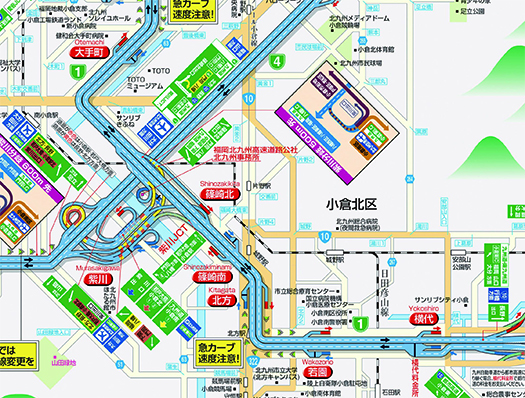
 今回は九州北部の宗像に連泊し、ブログに書いた通り一昨日本州地区・広島県地方への弾丸往復。そして昨日は北九州市小倉北区「松本清張記念館」「小倉城」などを参観に訪れ、本格的に都市高速である「北九州高速道路」を利用した次第。
 ・・・いや、参った(泣)。
 「北九州都市高速は、右左折合流の連続や複雑なジャンクションなど構造が入り組んでおり、初見では非常に迷いやすい道路」というAI回答だが、今回、丸2日いじめられ悩まされてしまった。いち旅人として困難にさらされた。
 カーナビの案内に従って「なにも考えないで」広域移動をするのがわたしの普通の旅行ライフスタイル。首都高速なども分かりにくいけれど、頻繁に利用することから経験知が加わって慣れて使えている。そういう交通常識でなにも考えずに利用したが、1日目は異様な大渋滞にいじめられ、2日目は高速料金の2度取られを経験した。
 渋滞の方は広島県からの弾丸往復でちょうど通勤の帰宅時間に重なってしまったので、まぁやむを得ないなぁと思っていましたが、その複雑な道案内ぶりに閉口させられていた。内心では本州方面から宗像に行くのに、なぜカーナビが「九州自動車道」をまっすぐ行かせてくれないのか、不思議とは感じていた。確かに数kmは距離短縮にはなるそうだが。
 昨日は宗像から小倉北区の「松本清張記念館」に向かったが、複雑きわまりない道案内の末、最後の案内箇所でそれも曲がって直後に、高速道入口と一般道の2つの「左折」分枝箇所に遭遇してしまった。
 「え、これはどっち?」という咄嗟の判断を迫られた。ほんの2−3mの違いでこれは土地に慣れたドライバーでなければ判断は絶対できない。そもそもそれまでもこういう判断の連続なのだ。疲労感MAXでの「咄嗟の判断強要」。
 すぐに後続者があったことでやむなく高速入口方向に向かわざるを得なかった。1km程度移動のために大回りさせられ、なお再度高速料金520円を追加徴収された。・・・
 目的地前あと2−3km地点での無念の高速再入場。・・・怒り爆発!
 なんでこんなに複雑怪奇に作るんだよ!であります。
 全国を走り回る人間にこんな難解さは到底容認できない。広々北海道人には想像超え。
 松本清張はこの地で産まれ「日本の黒い闇」で知られた作家だけれど、だからなのか?という八つ当たりにまで至ってしまった。・・・なんもさ、道産子の意地を見せるぜ!

●お知らせ
拙書「作家と住空間」幻冬舎から電子書籍で発刊
お求めはAmazonで。
https://amzn.asia/d/eUiv9yO

English version⬇

[The “Kitakyushu Expressway” that tormented me for two whole days (sob)]
Right after a left turn, it forces you to make a split-second decision at a fork in the road. It’s impossible for a traveler. I had no choice but to pay the toll twice. Is the complex situation of a merged city being reflected in the urban expressway? …

 I’ve been to Kyushu seven or eight times so far.
However, every single one of those trips started in Fukuoka City and involved flying. This is practically my first visit to Kitakyushu, the key land bridge connecting Kyushu and Honshu. The only time I’d been here before was nearly 20 years ago, when my son was in elementary school and we drove from Fukuoka specifically to see the Kanmon Strait.
 This time, I stayed for several nights in Munakata in northern Kyushu and, as I wrote in my blog, made a whirlwind round trip to the Honshu region—specifically Hiroshima Prefecture—the day before yesterday. Then yesterday, I visited the “Seicho Matsumoto Memorial Museum” and “Kokura Castle” in Kokurakita Ward, Kitakyushu City, and actually used the “Kitakyushu Expressway,” a full-fledged urban highway.
…Man, that was rough (sob).
 The AI response stated, “The Kitakyushu Urban Expressway has a complex structure with a continuous series of right and left turns and merges, as well as intricate interchanges, making it very easy to get lost on a first visit,” but this time, I was tormented and frustrated for a full two days. As a traveler, I was truly put to the test.
 My usual travel style is to follow the car navigation system’s directions and travel long distances “without thinking.” The Metropolitan Expressway is also confusing, but since I use it frequently, I’ve gained experience and gotten used to it. I used the expressway without a second thought, relying on that common sense of traffic, but on the first day I was tormented by an unusually massive traffic jam, and on the second day I was charged the toll twice.
 As for the traffic jam, since my round-trip from Hiroshima coincided with the evening rush hour, I figured it was unavoidable, but I was thoroughly exasperated by the complicated route guidance. Deep down, I found it strange that the car navigation system wouldn’t let me take the “Kyushu Expressway” straight to Munakata from the Honshu side. I suppose it does shorten the distance by a few kilometers, though.
 Yesterday, I headed from Munakata to the “Seicho Matsumoto Memorial Museum” in Kokura Kita Ward, but after an extremely convoluted series of directions, right after turning at the final turn, I encountered a fork in the road with two “left turn” options: one leading to the highway entrance and the other to the regular road.
I was forced to make an instant decision: “Wait, which way is it?” With a difference of just two or three meters, this is something only a driver familiar with the area could possibly decide. To begin with, the entire journey had been a series of these kinds of decisions. Being forced to make split-second decisions while exhausted to the max.
Since there was a car right behind me, I had no choice but to head toward the highway entrance. I was forced to take a huge detour just to travel about 1 km, and on top of that, I was charged an additional 520 yen in tolls. …
A frustrating re-entry onto the highway just 2–3 km from my destination. … My anger exploded!
 Why on earth do they have to make it this complicated and bizarre?!
 For someone who drives all over the country, this level of confusion is simply unacceptable. It’s beyond the imagination of us spacious-minded Hokkaido locals.
 Seicho Matsumoto was born here and is known as the author of “The Dark Side of Japan”—could that be why? I even ended up taking it out on him in a fit of frustration. …Well, I’ll show you the pride of a Hokkaido native!

● Announcement
My book, *Writers and Living Spaces*, has been published as an e-book by Gentosha.
Available on Amazon.

【九州宗像と故地・広島県を弾丸往復/壇ノ浦残照】


 まだまだ体力は満タン、元気であります(笑)。
 今回は孫の保護者「預け」役として九州に滞在する予定なのですが、いくつか、故地広島県でぜひ行きたい探訪先があり、カミさんの日程作成に従っての「いちばん近くにいられる福岡県・宗像」での滞在機会を捉えて、わたしひとりで弾丸往復ドライブ・約700kmを敢行いたしました。ちょっと過酷な日程なので、カミさんは別行動でゆったりしてもらった。
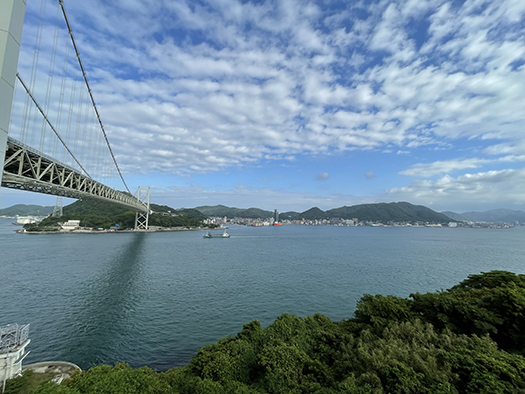
 故地での探索活動については「四百年間のいのちの履歴書」の本論部分に関わるので、また別途思索を深めたいと思いますが、この道中の1スポットとして、本州最西端・山口県の関門海峡側から「壇ノ浦」古戦場を見晴らせるポイントで一時休憩した様子であります。
 さすがに往復700kmとなると移動で運転している時間だけでも10時間程度。そのほかに故地でのあちこち探訪運転も加わるので、まぁ12-3時間はずっと運転。であるのに散歩ではない歩き行脚も約8,000歩。・・・高齢者ではありますが、なんとか冷静に日程をクリアできました。ありがたい。
 で、日本史上で関ヶ原と並ぶ「古戦場」壇ノ浦で帰路、元気を再生していた(笑)。
 壇ノ浦というと、なんとなく九州側から眺めるイメージが強かったのですが、長距離ドライブの間なので、「ここはどこ、わたしは誰?」状態で、しっかり確かめてはじめてこの画像が「本州側」からの眺望であることを再確認しておりました。疲労感MAX。
 しかし梅雨の晴れ間のダイナミックな雲の景観が愛でるような美感を見せてくれた。
 見知らぬ旅人同士、「あそこは何々で、ここはどうこう・・・」と会話を弾ませていた。こういうときお互い日本人の歴史意識には共通認識があるので、義経だ、安徳帝だと活発に意見交換(笑)。
 画角としては、右側が九州の北部海岸線・玄界灘方面で、左側が瀬戸内海方向。
 左側から攻めてきた義経・源氏方が潮のながれが開戦時には右から左に向かっていたのが、それが反転して左側からの流れに変わったタイミングを活かして戦勝した合戦ですね。それにしてもこの狭い海峡を見ていると、北海道と本州島のあいだの津軽海峡の荒々しさに思いが重なりますね。
 無事の旅路のいっとき、健康に感謝していたうれしい時間でした。

●お知らせ
拙書「作家と住空間」幻冬舎から電子書籍で発刊
お求めはAmazonで。
https://amzn.asia/d/eUiv9yO

English version⬇

[A Quick Round Trip Between Munakata, Kyushu, and My Hometown in Hiroshima Prefecture / The Afterglow of Dan-no-Ura]
I’ve successfully completed a whirlwind round trip from Munakata, Fukuoka Prefecture—the closest accommodation to Honshu on my Kyushu pilgrimage. The romance of the historic battlefields that have shaped Japanese history provided me with a moment of respite. …

 I’m still full of energy and in great shape (lol).
I’m currently in Kyushu to look after my grandchild, but since there were a few places I really wanted to visit in my hometown of Hiroshima Prefecture, I took advantage of a chance to stay in Munakata, Fukuoka—the closest location to my wife’s itinerary—and embarked on a solo round-trip drive of about 700 km. Since it was a bit of a grueling schedule, I let my wife take it easy and do her own thing.
 My explorations in my hometown are related to the main body of my book *A 400-Year History of Life*, so I’d like to delve deeper into those thoughts separately. But as one stop along the way, I took a brief break at a viewpoint overlooking the historic battlefield of Dan-no-Ura from the Kanmon Strait side in Yamaguchi Prefecture—the westernmost point of Honshu.
 As you might expect, a 700 km round trip means about 10 hours of driving alone. Add in all the driving around my hometown exploring various spots, and I was behind the wheel for a solid 12 to 13 hours. And on top of that, I walked about 8,000 steps—not just a casual stroll, but a proper pilgrimage. …I may be getting on in years, but I managed to get through the schedule without losing my cool. I’m grateful for that.
 So, on the way back, I was recharging my energy at Dan-no-Ura—a historic battlefield that ranks alongside Sekigahara in Japanese history (lol).
When I think of Dan-no-Ura, I’d always had a strong image of viewing it from the Kyushu side, but since I was in the middle of a long drive, I was in a “Where am I? Who am I?” state of mind. It wasn’t until I checked carefully that I confirmed this image was indeed the view from the “Honshu side.” Exhaustion at its peak.
However, the dynamic cloudscapes during a break in the rainy season offered a view of such beauty that I found myself admiring it.
As fellow travelers who didn’t know each other, we struck up a lively conversation: “That spot over there is such-and-such, and this one is so-and-so…” At times like this, since we share a common understanding of Japanese history, we actively exchanged opinions about Yoshitsune and Emperor Antoku (lol).
 In terms of the frame, the right side faces the northern coastline of Kyushu and the Genkai Sea, while the left side faces the Seto Inland Sea.
This was the battle where Yoshitsune and the Minamoto forces, attacking from the left, took advantage of the moment when the tidal current—which had been flowing from right to left at the start of the battle—reversed direction to flow from left to right, securing their victory. That said, looking at this narrow strait, my thoughts turn to the roughness of the Tsugaru Strait between Hokkaido and Honshu.
It was a joyful moment during my safe journey, a time to give thanks for my good health.

● Announcement
My book, “Writers and Living Spaces,” has been published as an e-book by Gentosha.
Available on Amazon.

【福岡県の食の元気良さ〜だご汁の破壊力(笑)】


 予感の通り(笑)どうも福岡県というか、久留米を含む広域圏をちょっと歩いてみて、さっそく「食」からの体感にショックを受けております(笑)。
 昨日のブログではおいしい店舗での食事を書きましたが、その印象が昨日の昼食でも「道の駅くるめ」に入っている「元気野菜食事処 ほとめき庵」で再度直撃されて参りました。完全降参であります。
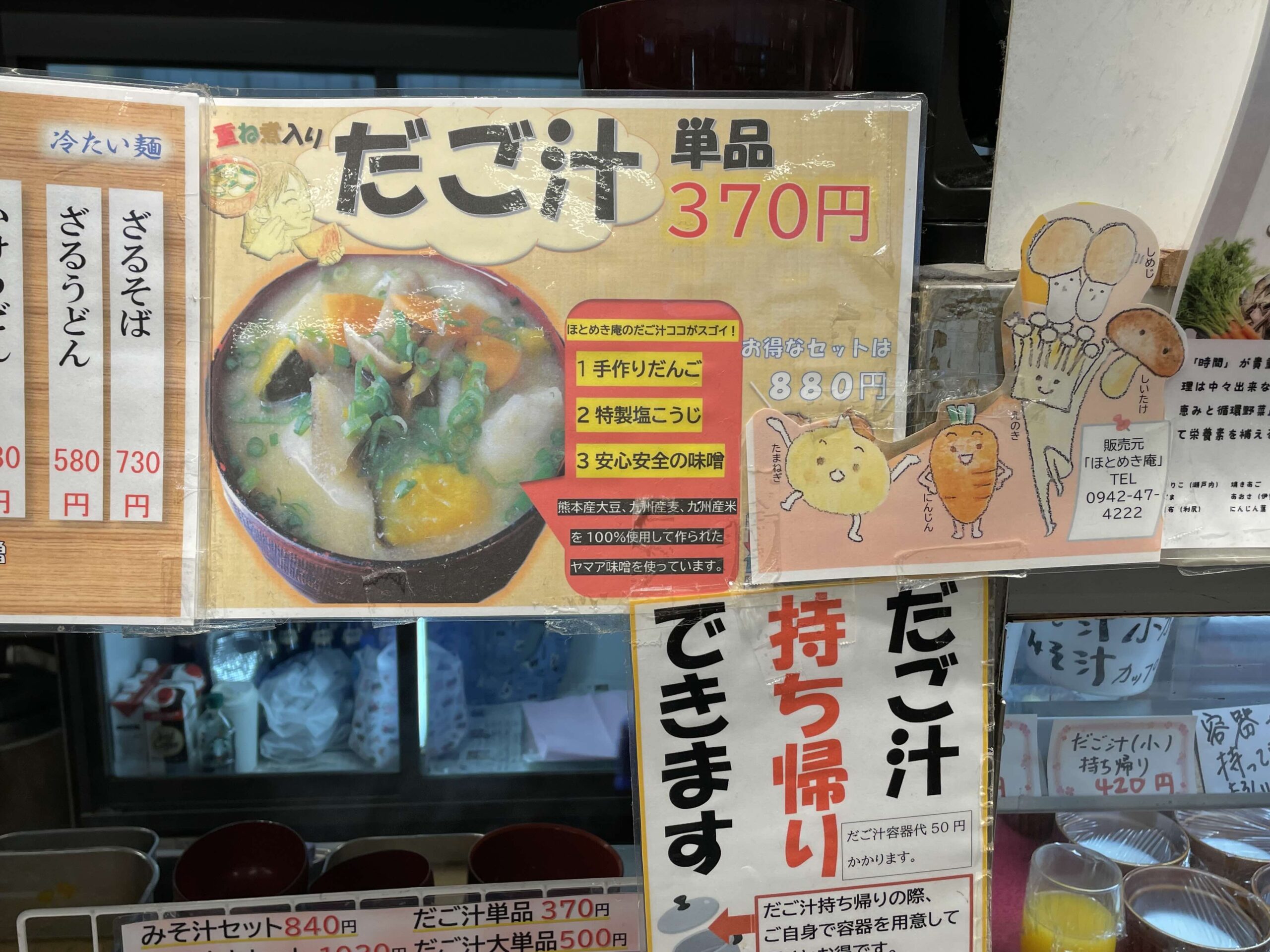
 九州にはときどき来ていると思っていましたが、カミさんと同道しての旅路なので、いかにも家庭的というか、食べるものへの注意力が盛り上がるということなのか。今回は「だご汁」という地元料理を初めて口にしてしまって、その破壊力に完全同意させられてしまった!
 わたしはまったく不勉強で、こういう料理は初めて。地元で採れるジャガイモ・タマネギ・しょうがなどの5−6種の野菜味噌汁に、小麦粉原料のうどんに似た「だご」と呼ばれる小片食材がこれでどうだ、とばかりに上部に盛大に盛り付けられている。
 味噌味の汁はやわらかい野菜のうま味が発散されていて、その「だご」と相性良く口中にさわやかな味わいが広がってくれる。
 味噌汁というものは、ごはんと共同で和の食感を盛り上げてくれる存在だと思っていましたが、この「だご」汁は、盛大に食欲を盛り上げてくるバイプレイヤー。っていうか、主役と言っても過言ではない。その食材たちが織りなす交響曲が、地域の元気をフルに発揮しているように感じる。
 ・・・う〜む、さっぽろラーメンの元気の無さにさみしさを感じさせられている北海道民としては、疎外感も若干、心底に感じさせられる次第。またしても「負けてる」感MAX。
 昨日のブログでもこの敗北感に触れましたが(笑)、どうも食事からジワジワと地域の活力を叩き込まれるように思われます。なかなかに「学びの旅」化してきたところであります。
 さて本日は福岡県地域から長躯、広島県に深夜移動して数カ所、行脚予定。くれぐれも安全運転で長距離移動したいと思います。キリッ。

●お知らせ
拙書「作家と住空間」幻冬舎から電子書籍で発刊
お求めはAmazonで。
https://amzn.asia/d/eUiv9yO

English version⬇

[The Vibrant Food Scene in Fukuoka Prefecture—The Devastating Power of Dago-jiru (lol)]
As a native of Hokkaido, I was completely blown away by the explosive flavor of “dago-jiru” the first time I tried it. I’m crushed by a strong sense of defeat once again, but hey, I’m going to bounce back! …

 Just as I suspected (lol), after taking a little stroll around Fukuoka Prefecture—or rather, the wider area including Kurume—I’ve already been blown away by the local cuisine (lol).
 In yesterday’s blog post, I wrote about a delicious meal at a restaurant, but that impression was hit me all over again during yesterday’s lunch at “Genki Yasai Shokujyo Hotomeki-an,” located inside “Michi-no-Eki Kurume.” I’m completely defeated.
I thought I came to Kyushu fairly often, but since I’m traveling with my wife, perhaps it’s because the atmosphere feels so homey, or maybe my attention to what I eat just heightens. This time, I tried a local dish called “Dago-jiru” for the first time, and I was completely won over by its sheer impact!
I’m completely uninformed—this was my first time trying a dish like this. It’s a miso soup made with five or six locally grown vegetables like potatoes, onions, and ginger, topped with a generous serving of small pieces of dough called “dago”—which resemble wheat-based udon noodles—as if to say, “Here, take a look at this!”
 The miso broth is infused with the umami of the tender vegetables, and it pairs perfectly with the “dago,” spreading a refreshing flavor throughout my mouth.
I used to think of miso soup as a supporting player that enhances the Japanese dining experience alongside rice, but this “dago” soup is a supporting actor that spectacularly boosts your appetite. Or rather, it wouldn’t be an exaggeration to call it the star of the show. The symphony created by these ingredients feels like it’s fully showcasing the region’s vitality.
 …Hmm, as a Hokkaido native who feels a sense of loneliness at the lackluster state of Sapporo ramen, I can’t help but feel a slight sense of alienation deep down. Once again, that feeling of “losing” is at its peak.
I touched on this sense of defeat in yesterday’s blog as well (lol), but it really feels like the vitality of the region is being gradually instilled in me through my meals. This has truly turned into quite the “journey of learning.”
 Anyway, today I’m making the long trek from Fukuoka Prefecture to Hiroshima Prefecture late at night, with plans to visit a few places. I’ll be sure to drive safely on this long journey. Ready, set, go.

● Announcement
My book, “Writers and Living Spaces,” has been published as an e-book by Gentosha.
Available on Amazon.

【孫見せ預けの旅。のんびり街歩き/久留米篇】


 昨日早朝から孫と息子夫婦を連れ立ってカミさんも含めて5人の旅路。息子の嫁さんの実家が九州・久留米なので、そちらの実家に孫初見参〜たっぷり「顔見せ」旅路であります。
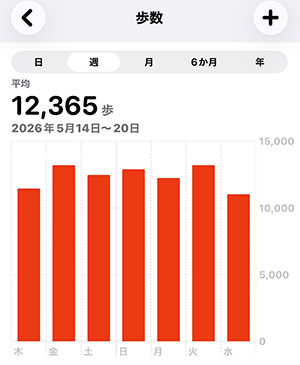
 なんですが祖父母夫婦としては、送り届けた後は「どうぞごゆっくり、孫との溺愛を」という配慮から、まったく別行動で気ままなあちこちブラブラ歩きをと計画しております。しかし、「ブラブラ」が主目的なので、それこそ1日1万歩以上のブラブラが最大の願望。昨日はさっそく夕方〜夜には久留米の街探訪。
 夫婦とも日頃からこの程度の運動量を日課にしているので、昨日は新千歳空港から福岡空港のなかでも、活発に歩きまわっていました。しかしやはりそれだけでは足りないので、夕方4時頃にホテルに入った後、さっそく周辺の散歩〜よさげな夕食店舗探しをしておりました。
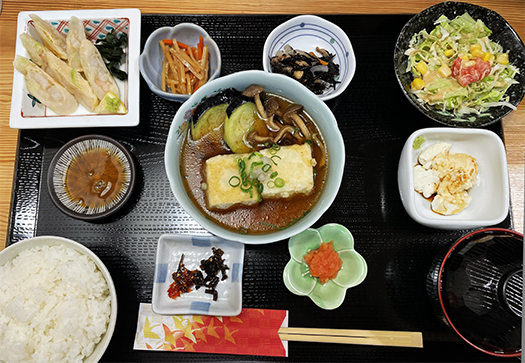
 若いときならそのままお酒が入るのでしょうが、カミさんは別としてわたしは、ほとんどお酒は「付き合い」だけなので、手づくり感のある食事店舗という目的意識で探した結果、ありついたのが上のセットメニューの和食店。「ごはん屋一の剣」さんの揚げ出し豆腐メインの定食。ちょっと軽すぎかなぁということで牛スキ焼き椀単品も追加していただいた(写真撮り忘れ)。
 しかし一番感動させられたのは、右側にひっそりとあったひと椀の「手づくり豆腐」。ひとくち味わって無言。直撃のうま味。高齢者なので、たくさん食べたくなる、という反応ではなく、その口中での「味わい」に完全に翻弄されて、ただただ無言化させられる瞬間を楽しませていただいた。
 で、その他の小皿類もそれぞれがみごとに「控えめなのにしっかりとした自己主張」を感じさせられた。
 あ、カミさんは別セットメニューでしたので、そちらもちょっと仲良く「和食」。
 街歩きで、「お、なんとなくこの店、いいかも」という瞬間的ひらめきで店選びする楽しみですが、こういうのんびり散歩がてらの時間は、なんとも至福のいっとき感があります(笑)。
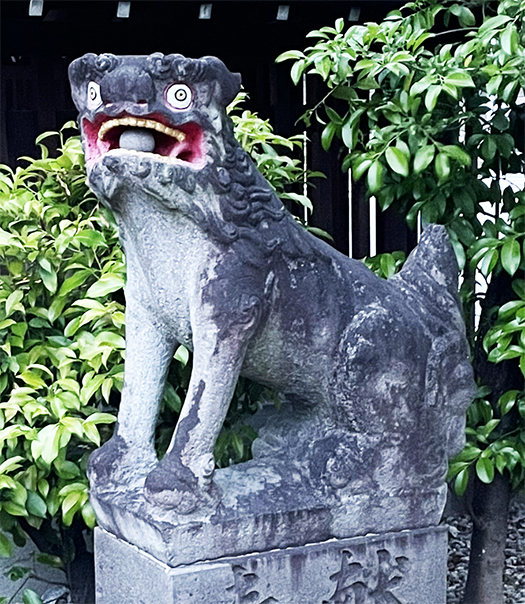
 梅雨まっ盛りの九州ですが、ひとの縁につれられてのこういう旅路を、ゆっくり楽しみたいと思っています。あ、次の写真は散歩道で「火産霊神(ホムスピノカミ)」を祀っているという秋葉神社にあった、狛犬さん。ちょっと異様ないでたちでしたが、なぜか可愛いかった。う〜む、負ける・・・。

●お知らせ
拙書「作家と住空間」幻冬舎から電子書籍で発刊
お求めはAmazonで。
https://amzn.asia/d/eUiv9yO

English version⬇

[A Trip to Leave the Grandkids with Family: A Leisurely Stroll Through the City / Kurume Edition]
A trip where we leave our grandchildren with our son’s wife’s parents so we can fully indulge in some much-needed relaxation. A carefree, spontaneous journey focused on health, with over 10,000 steps a day…

 Yesterday, starting early in the morning, the five of us—my wife, my son and his wife, and my grandchild—set off on a trip. Since my son’s wife is from Kurume in Kyushu, this was a trip to introduce our grandchild to her parents for the first time—a proper “meet-and-greet” visit.
However, as grandparents, we plan to go our own way and wander around at our leisure after dropping them off, out of consideration for them to “take your time and dote on your grandchild.” Since “wandering” is our main goal, our greatest wish is to clock over 10,000 steps a day. Yesterday, we immediately set out to explore the streets of Kurume from the evening into the night.
Since both my wife and I make it a daily habit to get this much exercise, we were already walking around energetically even during the flight from New Chitose Airport to Fukuoka Airport. But of course, that wasn’t enough, so after checking into the hotel around 4:00 p.m., we immediately went for a walk around the neighborhood to look for a nice place for dinner.
 When I was younger, I probably would have gone straight for drinks after that, but—aside from my wife—I rarely drink unless it’s for social occasions. So, with the specific goal of finding a restaurant serving home-style food, we ended up at the Japanese restaurant shown in the set menu above: “Gohan-ya Ichinokeni.” We ordered the set meal featuring deep-fried tofu. Thinking it might be a bit too light, we also added a bowl of beef sukiyaki (I forgot to take a photo of that).
 But what impressed me the most was the single bowl of “handmade tofu” sitting quietly on the right. I took a bite and fell silent. It was a direct hit of umami. As an older person, my reaction wasn’t one of wanting to eat a lot; instead, I was completely captivated by the “flavor” in my mouth, and I simply enjoyed that moment of being rendered speechless.
 As for the other small dishes, each one perfectly conveyed a sense of “subtlety with a firm sense of identity.”
Oh, my wife had a different set menu, so hers was also “Japanese cuisine.”
One of the joys of strolling through town is choosing a restaurant on a whim—that split-second flash of inspiration when you think, “Oh, this place might be nice.” These leisurely walks feel like moments of pure bliss (laughs).
 Kyushu is in the thick of the rainy season, but I intend to take my time and enjoy this journey, guided by the bonds of human connection. Oh, the next photo is of the komainu (guardian dogs) at Akiba Shrine, which I came across on my walk—a shrine said to enshrine “Homusupinokami” (the Fire-Creating Spirit). They had a slightly bizarre appearance, but for some reason, they were cute. Hmm, I’m no match for them…

● Announcement
My book, “Writers and Living Spaces,” has been published as an e-book by Gentosha.
Available on Amazon.

【AI進化時代の緊張する国際関係の断面】


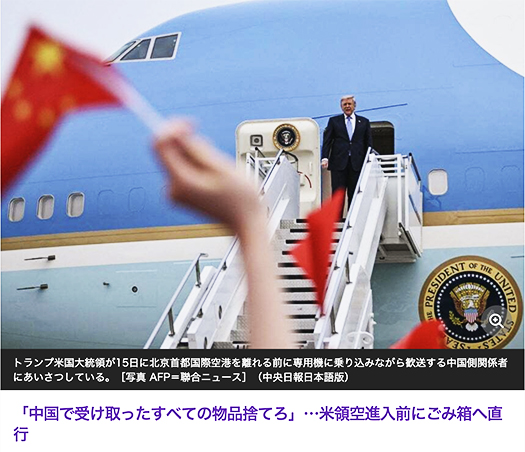
 写真は米中首脳会談を終えて、大統領専用機エアフォースワンにトランプ大統領一行が乗り込む様子。中国側から提供された「備品類」をすべて廃棄したというYahoo報道情報。
 共産党独裁下でスパイ活動を狂ったように展開している中国側に対して、あらゆるものに仕掛けているその「工作」活動のすべてを、全世界に対して明示しているに等しい。われわれ日本人が知っている日米首脳会談などでこのような情報公開などは、考えられない。
 たぶんこのように事実を「公開する」行為そのものがアメリカ・トランプ政権の意志なのだろう。
 気をつけろよ、この国はこういう危険性がMaxに高い国なのだぞ、というサイン。
 また報道ではアメリカ側は、随行員専用の食事・食材に至るまで自前で持ち込み、晩餐会などでも中国側の提供するものを用心深く忌避していたとのこと。
 たしかにイランと戦争している現段階で、敵性国家と認定している国を訪問するのには、それほどの用意が調えられていたということなのでしょう。現実にトランプはアメリカ国内でも、その生命を狙われる事件が続発し続けている。
 この報道には、現代のAIなどの情報分野での進化が明確に反映されている。
 どんなものにでも盗聴・盗撮のための装置が仕掛けられ得るのだぞ、ということ。そもそも今回のイランへの攻撃自体、最新のレーダー網無力化、ピンポイント殺傷技術の超絶な高度化が露見していた。アメリカのハイテク軍事技術の最先端ぶりを見せつけた結果だったわけだが、そうであるから、防衛体制にもそういった技術の痕跡が現れているのだと見ることができるだろう。
 一見平和的に見える首脳会談の表面とはまったく別の現代世界の最前線の「本質」がわかる。
 
 さて本日からしばらく九州〜一部広島県地方などへの旅路であります。
 平和国家ニッポンでの庶民の家族愛の旅路。巨万の富を築き、世界一の強大な軍事国家のトップであるトランプさんの最先端「防衛体制」とはまったく無縁な、ほのぼのとした旅(笑)。
 なんですが、まだ日中も肌寒さの残る北海道から、30度前後の最高気温地域への移動。さらに梅雨も盛りではないかという気候も出迎えてくれそう(笑)。健康に過ごしたいと思います。では・・・。

●お知らせ
拙書「作家と住空間」幻冬舎から電子書籍で発刊
お求めはAmazonで。
https://amzn.asia/d/eUiv9yO

English version⬇
 
[A Snapshot of Tense International Relations in the Age of AI Evolution]
Upon departing from Beijing Airport at the conclusion of his visit to China, he publicly displayed to the entire world how he had grandly “thrown away” the gifts provided by the Chinese side. Is this a manifestation of the reality of the cutting-edge high-tech war? …

 The photo shows President Trump and his entourage boarding Air Force One following the U.S.-China summit. According to a Yahoo report, they reportedly discarded all the “supplies” provided by the Chinese side.
Given that China, under Communist Party dictatorship, is frantically conducting espionage activities, this move is tantamount to openly revealing to the entire world the full extent of their “covert operations” embedded in everything. It is unthinkable that such information would be disclosed in the context of Japan-U.S. summit meetings, as we Japanese are accustomed to.
Perhaps the very act of “disclosing” these facts is the intention of the Trump administration.
It is a warning: “Be careful; this country poses the highest possible level of danger.”
Reports also indicate that the U.S. side brought their own food and ingredients—even for their entourage—and cautiously avoided anything provided by the Chinese side, even at banquets.
 Indeed, given that the U.S. is currently at war with Iran, it seems such extensive preparations were made for a visit to a country designated as an enemy state. In reality, Trump continues to face a series of incidents within the U.S. where his life is being targeted.
This report clearly reflects the advancements in modern information technology, such as AI.
It serves as a reminder that eavesdropping and surveillance devices can be planted in virtually anything. To begin with, the attack on Iran itself revealed the latest advancements in radar network neutralization and the extraordinary sophistication of precision-strike technology. While this was a demonstration of the cutting edge of American high-tech military capabilities, it can also be seen as evidence that traces of such technology are now evident in defense systems as well.
It reveals the “essence” of the modern world’s front lines—a reality entirely distinct from the seemingly peaceful facade of summit meetings.
 
 Well, starting today, I’ll be traveling for a while to Kyushu and parts of Hiroshima Prefecture.
A journey of family love for ordinary people in Japan, a nation of peace. It’s a heartwarming trip (lol) that has absolutely nothing to do with Mr. Trump’s cutting-edge “defense system”—he who has amassed immense wealth and stands at the helm of the world’s most powerful military nation.
 That said, I’m moving from Hokkaido, where it’s still a bit chilly even during the day, to a region with high temperatures around 30 degrees Celsius. It looks like I’ll be greeted by weather that feels like the height of the rainy season (lol). I hope to stay healthy throughout the trip. Well then…

● Announcement
My book, “Writers and Living Spaces,” has been published as an e-book by Gentosha.
Available on Amazon.
 

【戦後〝農地解放〟と父の人生航路の大転換】


 戦後の「農地解放」は日本社会に劇的な変化を与えた。それまでの地主と小作の関係が一気に瓦解し、農業人口の7割をも占めていた「小作」層が自作農に転換した。
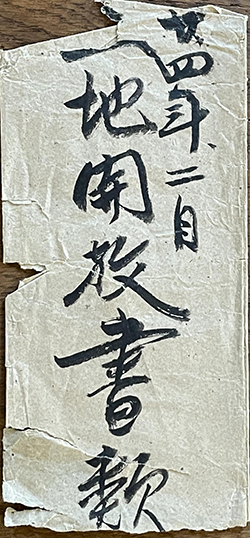
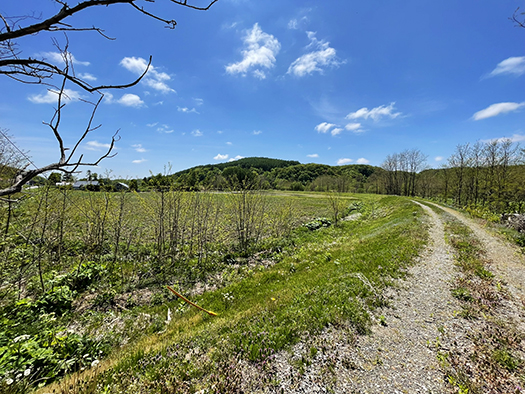
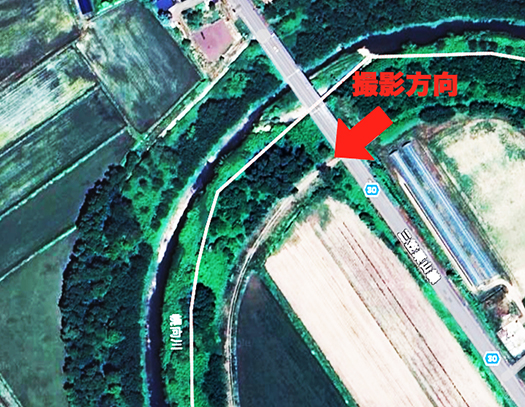
 写真は戦前まで小作だった父が、その農地を繰り返し水害として襲ってきた「幌向川」と農地との境界に自分で造作したという「堤防」上の道路と農地。こういう労作も自弁だったわけだ。さらに農地解放関係書類を入れていたと思える封筒断片。(昭和)二十四年二月という日付が書きかれている。
 GHQ占領軍統治が世界史で例を見ない「成功例」になったのにはこの農地解放が深く与っている。
 1952年生まれのわたしは歴史教育で明治以降について「時間切れ」で授業が終わるケースが多かった。また、もっとも重要と思われる庶民「経済」についてわかりやすく教えることがなかった。
 江戸幕藩体制の崩壊、明治維新くらいまでが扱い領域。勢い戦国期の勇壮な信長、秀吉,家康、そして幕末維新期の西郷隆盛、坂本龍馬などの「大スター」がもて囃されるのが「日本歴史」という刷り込み教育が行われていると思う。NHK大河ドラマの2大人気時代。
 しかし本来は税の構造、庶民の暮らし目線での分析こそが歴史理解に必要不可欠なテーマ領域だろう。
 江戸期の人口構成では農民が8割以上を占めていて武家専制権力はその農業生産、主にコメ生産高を唯一の尺度にした社会経済構造を作っていた。
 恥ずかしながら、この時代の農民の「懐具合」についてわたしは不勉強だった。今回気付かされ、いろいろ調べてみて、そもそもが自分で農地を持っている農民でも、約半分ほどは専制権力に納税させられ、さらに幕府崩壊時点で農民の大部分だった「小作人」は、さらに地主に所得を削られる構造だったことを知った次第。領主・地主・小作人の取り分がおよそ3:3:4の比率が一般的だったという。
 そうした構造が明治政府によって改革されたが地主層は優遇されていた。戦前までの農家人口の7割は依然として「小作」であり、おおむね5割の収入が地主によって収奪される構造だった。その残りの中から生産手段の経費なども自己負担させられていたと。
 それが、農地解放で構造破壊されたのだ。ハンパない「大革命」。
 日本人の歴史にとってこの改革こそが「民主主義」を実感させるものだったことは疑いがない。
 これへの日本人総体の肯定的意識が基盤にあって、アメリカとの同盟関係に至る民意の道筋が確定したのだろう。こういう認識は、不勉強そのものだったわたしには初めて得られた次第。

●お知らせ
拙書「作家と住空間」幻冬舎から電子書籍で発刊
お求めはAmazonで。
https://amzn.asia/d/eUiv9yO

English version⬇

[Postwar “Agricultural Land Reform” and the Major Turning Point in My Father’s Life]
To my shame, it was only through sorting through my father’s belongings that I learned about agricultural land reform for the first time. I am grateful. It really drives home just how drastically Japanese society changed and the magnitude of that upheaval. …

 The postwar “agricultural land reform” brought about dramatic changes in Japanese society. The traditional relationship between landlords and tenant farmers collapsed overnight, and the “tenant farmer” class—which had accounted for as much as 70 percent of the agricultural population—transformed into independent farmers.
The photograph shows the road and farmland on the “embankment” that my father, who had been a tenant farmer until before the war, built himself along the boundary between his farmland and the Horomuki River, which had repeatedly flooded the area. This labor-intensive work was, of course, funded entirely out of his own pocket. Also shown is a fragment of an envelope that likely contained documents related to the land reform. It bears the date February 1949.
This land reform played a significant role in making the GHQ occupation a “success story” without precedent in world history.
Born in 1952, I often found that history classes covering the Meiji era and beyond would end “out of time.” Furthermore, there was no clear teaching of the “economy” of the common people, which I consider the most important aspect.
The scope of instruction typically covered the collapse of the Edo shogunate and feudal system up to the Meiji Restoration. I believe we have been indoctrinated to view “Japanese history” as a narrative where the “superstars”—such as the heroic Oda Nobunaga, Toyotomi Hideyoshi, and Tokugawa Ieyasu of the Warring States period, and Saigo Takamori and Sakamoto Ryoma of the Bakumatsu and Meiji Restoration eras—are celebrated. These are the two most popular eras featured in NHK’s Taiga dramas.
However, an analysis of the tax structure and the lives of ordinary people is arguably the essential theme for understanding history.
In the Edo period, farmers made up over 80% of the population, and the feudal military elite had established a socio-economic structure where agricultural production—primarily rice yields—served as the sole measure of their authority.
I must admit, I was ignorant about the financial circumstances of farmers during this era. This realization prompted me to do some research, and I discovered that even among farmers who owned their own land, about half were forced to pay taxes to the autocratic regime. Furthermore, “tenant farmers”—who constituted the majority of the farming population at the time of the shogunate’s collapse—were subject to a system where their income was further eroded by landlords. It is said that the typical ratio of income distribution among feudal lords, landlords, and tenant farmers was roughly 3:3:4.
 Although the Meiji government reformed this structure, the landowner class continued to be favored. Even up until the pre-war period, 70% of the farming population remained “tenant farmers,” and roughly 50% of their income was extracted by landlords. Furthermore, they were forced to cover the costs of production out of the remaining portion.
It was the Land Reform that dismantled this structure. A truly monumental “revolution.”
 There is no doubt that, for the history of the Japanese people, this reform was what truly brought “democracy” to life.
It was likely this positive sentiment held by the Japanese people as a whole that laid the foundation and paved the way for public opinion to lead to the alliance with the United States. This realization was something I, having been so uninformed, was able to grasp for the very first time.

● Announcement
My book, “Writers and Living Spaces,” has been published as an e-book by Gentosha.
Available on Amazon.