
戦後の「農地解放」は日本社会に劇的な変化を与えた。それまでの地主と小作の関係が一気に瓦解し、農業人口の7割をも占めていた「小作」層が自作農に転換した。
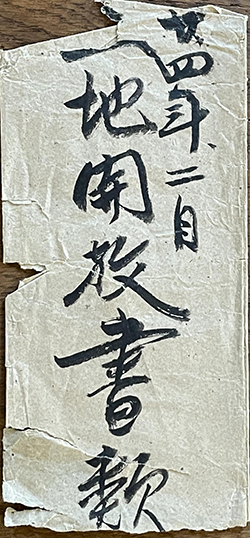
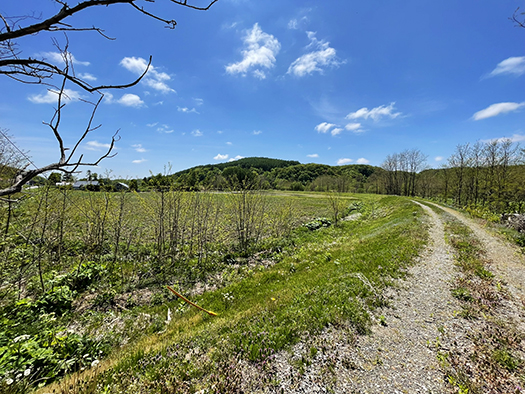
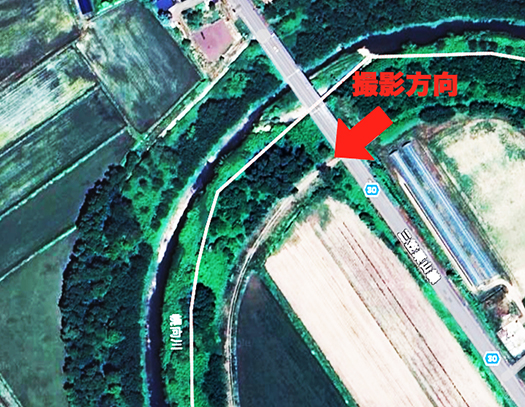
写真は戦前まで小作だった父が、その農地を繰り返し水害として襲ってきた「幌向川」と農地との境界に自分で造作したという「堤防」上の道路と農地。こういう労作も自弁だったわけだ。さらに農地解放関係書類を入れていたと思える封筒断片。(昭和)二十四年二月という日付が書きかれている。
GHQ占領軍統治が世界史で例を見ない「成功例」になったのにはこの農地解放が深く与っている。
1952年生まれのわたしは歴史教育で明治以降について「時間切れ」で授業が終わるケースが多かった。また、もっとも重要と思われる庶民「経済」についてわかりやすく教えることがなかった。
江戸幕藩体制の崩壊、明治維新くらいまでが扱い領域。勢い戦国期の勇壮な信長、秀吉,家康、そして幕末維新期の西郷隆盛、坂本龍馬などの「大スター」がもて囃されるのが「日本歴史」という刷り込み教育が行われていると思う。NHK大河ドラマの2大人気時代。
しかし本来は税の構造、庶民の暮らし目線での分析こそが歴史理解に必要不可欠なテーマ領域だろう。
江戸期の人口構成では農民が8割以上を占めていて武家専制権力はその農業生産、主にコメ生産高を唯一の尺度にした社会経済構造を作っていた。
恥ずかしながら、この時代の農民の「懐具合」についてわたしは不勉強だった。今回気付かされ、いろいろ調べてみて、そもそもが自分で農地を持っている農民でも、約半分ほどは専制権力に納税させられ、さらに幕府崩壊時点で農民の大部分だった「小作人」は、さらに地主に所得を削られる構造だったことを知った次第。領主・地主・小作人の取り分がおよそ3:3:4の比率が一般的だったという。
そうした構造が明治政府によって改革されたが地主層は優遇されていた。戦前までの農家人口の7割は依然として「小作」であり、おおむね5割の収入が地主によって収奪される構造だった。その残りの中から生産手段の経費なども自己負担させられていたと。
それが、農地解放で構造破壊されたのだ。ハンパない「大革命」。
日本人の歴史にとってこの改革こそが「民主主義」を実感させるものだったことは疑いがない。
これへの日本人総体の肯定的意識が基盤にあって、アメリカとの同盟関係に至る民意の道筋が確定したのだろう。こういう認識は、不勉強そのものだったわたしには初めて得られた次第。
●お知らせ
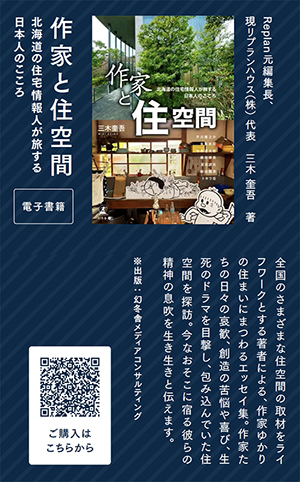
拙書「作家と住空間」幻冬舎から電子書籍で発刊
お求めはAmazonで。
https://amzn.asia/d/eUiv9yO
English version⬇
[Postwar “Agricultural Land Reform” and the Major Turning Point in My Father’s Life]
To my shame, it was only through sorting through my father’s belongings that I learned about agricultural land reform for the first time. I am grateful. It really drives home just how drastically Japanese society changed and the magnitude of that upheaval. …
The postwar “agricultural land reform” brought about dramatic changes in Japanese society. The traditional relationship between landlords and tenant farmers collapsed overnight, and the “tenant farmer” class—which had accounted for as much as 70 percent of the agricultural population—transformed into independent farmers.
The photograph shows the road and farmland on the “embankment” that my father, who had been a tenant farmer until before the war, built himself along the boundary between his farmland and the Horomuki River, which had repeatedly flooded the area. This labor-intensive work was, of course, funded entirely out of his own pocket. Also shown is a fragment of an envelope that likely contained documents related to the land reform. It bears the date February 1949.
This land reform played a significant role in making the GHQ occupation a “success story” without precedent in world history.
Born in 1952, I often found that history classes covering the Meiji era and beyond would end “out of time.” Furthermore, there was no clear teaching of the “economy” of the common people, which I consider the most important aspect.
The scope of instruction typically covered the collapse of the Edo shogunate and feudal system up to the Meiji Restoration. I believe we have been indoctrinated to view “Japanese history” as a narrative where the “superstars”—such as the heroic Oda Nobunaga, Toyotomi Hideyoshi, and Tokugawa Ieyasu of the Warring States period, and Saigo Takamori and Sakamoto Ryoma of the Bakumatsu and Meiji Restoration eras—are celebrated. These are the two most popular eras featured in NHK’s Taiga dramas.
However, an analysis of the tax structure and the lives of ordinary people is arguably the essential theme for understanding history.
In the Edo period, farmers made up over 80% of the population, and the feudal military elite had established a socio-economic structure where agricultural production—primarily rice yields—served as the sole measure of their authority.
I must admit, I was ignorant about the financial circumstances of farmers during this era. This realization prompted me to do some research, and I discovered that even among farmers who owned their own land, about half were forced to pay taxes to the autocratic regime. Furthermore, “tenant farmers”—who constituted the majority of the farming population at the time of the shogunate’s collapse—were subject to a system where their income was further eroded by landlords. It is said that the typical ratio of income distribution among feudal lords, landlords, and tenant farmers was roughly 3:3:4.
Although the Meiji government reformed this structure, the landowner class continued to be favored. Even up until the pre-war period, 70% of the farming population remained “tenant farmers,” and roughly 50% of their income was extracted by landlords. Furthermore, they were forced to cover the costs of production out of the remaining portion.
It was the Land Reform that dismantled this structure. A truly monumental “revolution.”
There is no doubt that, for the history of the Japanese people, this reform was what truly brought “democracy” to life.
It was likely this positive sentiment held by the Japanese people as a whole that laid the foundation and paved the way for public opinion to lead to the alliance with the United States. This realization was something I, having been so uninformed, was able to grasp for the very first time.
● Announcement
My book, “Writers and Living Spaces,” has been published as an e-book by Gentosha.
Available on Amazon.
共有:

Posted on 5月 19th, 2026 by 三木 奎吾
Filed under: 未分類



コメントを投稿
「※誹謗中傷や、悪意のある書き込み、営利目的などのコメントを防ぐために、投稿された全てのコメントは一時的に保留されますのでご了承ください。」
You must be logged in to post a comment.