

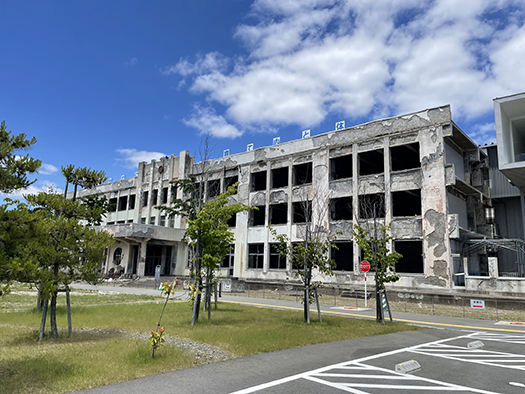
さて昨日は早朝から仙台空港で、北海道からやってきたソトダン21と、十勝2×4協会の住宅建築団体メンバーと合流してそこから、宮城県内を南から北へと縦断移動してのツアー参加。
ひさしぶりのみなさんとの再会、情報交換を車中でしながら震災被災後15年の各地を探訪していました。
住宅建築を巡る社会環境が大きく変遷する中で、そうした変容した状況について忌憚ない意見交換ができて、たいへん有意義な時間を過ごすことができました。日本社会ではこれまでのように、企業に就職して結婚して身を固め、そこから「自分の巣」としての戸建て住宅を取得するという一種の「常識的生き方」が規範となって来たけれど、それが国際的な経済情勢変化によってほぼ崩壊して、一般性を失ってきている様子が、リアルに情報交換できていました。
そういう環境の大変化のなかで住宅関係各社とも、生き残り策を掘り下げつつある。
端的に言って、これまでの戸建て住宅が、上記のような社会構造の中にあったことは、夫婦とこどもという「核家族」社会構造の表現であって、その社会構造が今後、どのように変位していくのか、その動向と現場的に相対しているという様子でした。
一方でこういう環境の中でも「住宅建築」に意欲を持っている社会的階層は、非常に情報の取捨選択に闌けてきていて、業者選択についてはたいへん選別的であることも伝わってきました。その住宅事業者についてかなり突っ込んだ分析をして、選択条件を厳しくしてきている状況。そのことは、住宅性能要件などについての「実績」をしっかり把握した上で、対話してきているとの証言。
端的に言えば「ホンモノだけが生き残っていける」という状況が語られていた。
そういうなかで、どのように企業姿勢を示していけるか、が現在地点かと。
また、日本の住宅環境の中で住宅建築アカデミズムの果たしてきた,世界的にも特異な関与ぶりについても大いに情報交換することができました。総じて、住宅ジャーナリズムと住宅建築のリアルとの認識について、情報を深めることができたと思った次第。
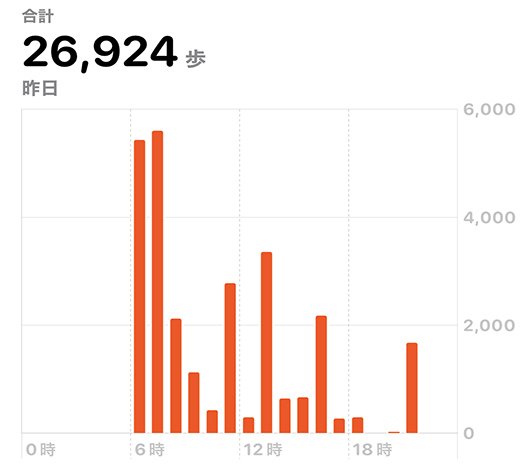
そして震災後15年の各地を探訪して、そのありようの変化と実相についての現場感覚を再発見することもできた。現場体験は、本日もより深まっていく。・・・であります。気がついたら2日連続で運動歩数は2万歩越えでさらに増加。ふ〜、まだまだ若さを磨き続けるぞ、と。
●お知らせ
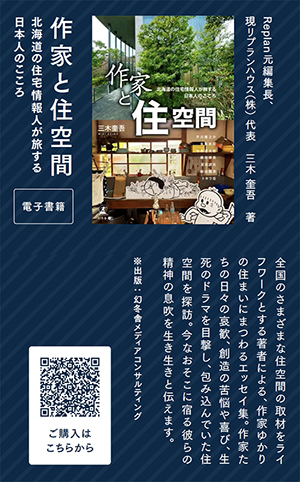
拙書「作家と住空間」幻冬舎から電子書籍で発刊
お求めはAmazonで。
https://amzn.asia/d/eUiv9yO
English version⬇
[Revisiting the “Remnants” of the Great East Japan Earthquake: A Pilgrimage of Over 26,000 Steps]
Exchanging insights on the current state of residential construction with professionals on-site in Hokkaido. This journey offers a firsthand experience of how living environments have shifted over the 15 years since the disaster. …
Yesterday, I met up with Sotodan 21, who had traveled from Hokkaido, and members of the Tokachi 2×4 Association’s housing construction group at Sendai Airport early in the morning. From there, we embarked on a tour that took us across Miyagi Prefecture from south to north.
It was great to reunite with everyone after so long, and we exchanged information in the car as we visited various locations 15 years after the earthquake.
Amidst the significant shifts in the social environment surrounding housing construction, we were able to have a frank exchange of opinions about these changing circumstances, making for a very meaningful experience. In Japanese society, a certain “conventional way of life”—where one gets a job at a company, marries, settles down, and then acquires a single-family home as one’s “nest”—has long been the norm. However, we were able to realistically discuss how this model has largely collapsed and is losing its universality due to changes in the international economic landscape.
Amid these drastic environmental changes, housing-related companies are all delving deeper into survival strategies.
To put it simply, the fact that single-family homes have existed within the social structure described above is an expression of the “nuclear family” model consisting of a husband, wife, and children. It seemed that they are now directly confronting the trends of how this social structure will shift in the future.
On the other hand, even in this environment, the social class that remains enthusiastic about “home construction” has become very discerning in selecting information, and it was clear that they are extremely selective when choosing contractors. They are conducting quite in-depth analyses of housing developers and tightening their selection criteria. Testimonies indicate that this involves engaging in dialogue only after thoroughly verifying a developer’s “track record” regarding housing performance requirements and other standards.
To put it simply, the prevailing sentiment was that “only the genuine players will survive.”
Given this context, the current challenge is how to effectively demonstrate our corporate stance.
We also had a fruitful exchange of information regarding the uniquely significant role that housing architecture academia has played within Japan’s housing environment—a role that is rare even on a global scale. Overall, I feel I was able to deepen my understanding of the gap between housing journalism and the realities of residential construction.
Furthermore, by visiting various regions 15 years after the earthquake, I was able to rediscover a firsthand sense of the changes and true conditions on the ground. My on-site experience continues to deepen today as well. …That is the case. Before I knew it, my daily step count had exceeded 20,000 for two days in a row and is still rising. Phew, I’m going to keep honing my youth for a long time yet.
● Announcement
My book, “Writers and Living Spaces,” has been published as an e-book by Gentosha.
Available on Amazon.
共有:

Posted on 6月 11th, 2026 by 三木 奎吾
Filed under: 未分類




コメントを投稿
「※誹謗中傷や、悪意のある書き込み、営利目的などのコメントを防ぐために、投稿された全てのコメントは一時的に保留されますのでご了承ください。」
You must be logged in to post a comment.