
さて今回の旅路の大きな目的地・広島県の故地への早朝4時からの日帰り弾丸往復について触れてきました。追ってまた、訪れることになると思いますが、今回は九州の旅路が主眼。カミさんはこの日は別行動だったのですが、旅路日程の中間的な「拠点」として宗像を選んでくれて宿泊地とした。
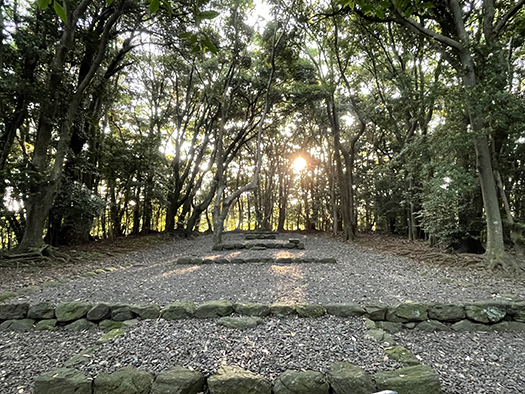
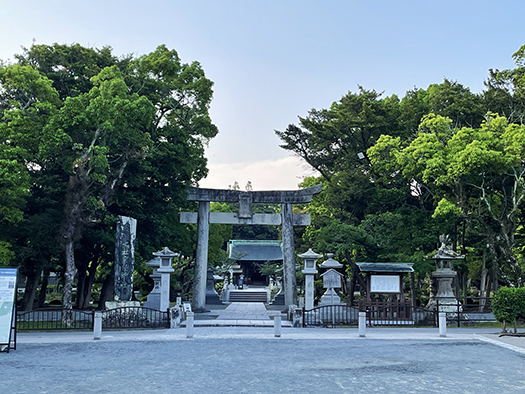
2年前の頃にも宗像大社は訪れていたのですが、今回は本州・広島地区との往復の拠点として利用させていただけた次第。なんですが、やはり日本史の中でも神々しい「神宿る」地域として世界遺産にも登録されている神聖なるお社。謹んでご挨拶させていただいていました。いちばん上の写真は参詣させていただいた宗像大社の「高宮祭場」。沖ノ島と並び宗像大社境内で最も神聖な場所の一つ。神社に社殿が構築される以前の祭祀形態である神籬〜ひもろぎの場。岩や木々など万物に神々が宿るという神道の根源である自然崇拝を今に伝える、全国でも稀な古代祭場。
北海道人にはあんまり身近ではない世界遺産ですので、要旨を以下に。
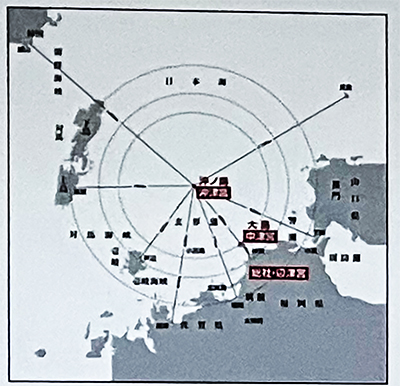
〜世界遺産「神宿る島」宗像・沖ノ島と関連遺産群 玄界灘に浮かぶ沖ノ島と、それを崇拝してきた宗像三女神(宗像大社)および古代豪族の墳墓群からなる世界文化遺産。古代の貴重な祭祀遺物が手つかずで残る信仰の地。主な構成要素は 1沖津宮:沖ノ島全域が対象。4世紀から9世紀にかけて古代祭祀が行われていた神聖な島。一木一草たりとも島から持ち出せさず上陸前の禊など現代でも厳しい禁忌が守られる。大社の神職が約十日間ごとの交代でたった一人で神に奉仕している。 2宗像大社 沖津宮遙拝所 福岡県福津市にあり沖ノ島を本土から遙拝する場所。3中津宮:大島に鎮座し市杵島姫神を祀る。 3辺津宮:宗像市本土側にあり三女神を祀る中心的神社。 4新原・奴山古墳群:沖ノ島での祭祀を執り行った古代豪族「宗像氏」の墳墓群。〜
・・・という日本開闢以来と思える伝承がいまも保持されている神域。ありがたくも、その風景の端で4日間の休息時間を得ていたワケです。広島からの帰還後、感謝の念を込めてこの「高宮斎場」に詣らせていただいていた。わたしは左翼少年だったので学生運動のひとつの拠点であった國學院大学に学んだのですが、國學院は神職養成が基幹だったので、こういう「ひもろぎ」の場には不思議な親和感もある。変わった人生模様を生きたなぁと深呼吸(笑)・・・
●お知らせ
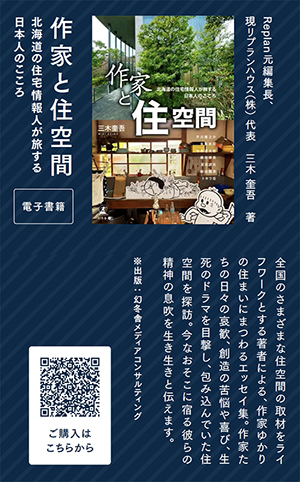
拙書「作家と住空間」幻冬舎から電子書籍で発刊
お求めはAmazonで。
https://amzn.asia/d/eUiv9yO
English version⬇
[A 4-Day Stay in Munakata, a World Heritage Site Where the Gods Dwell]
Although my trip was primarily focused on Kyushu, I stayed in Munakata as a base for a quick round trip to my hometown in Hiroshima. I offered my gratitude here at this sacred site…
So far, I’ve talked about my whirlwind round-trip to my hometown in Hiroshima Prefecture—the main destination of this journey—which began at 4:00 a.m. I expect I’ll visit again in the future, but the focus of this trip is Kyushu. My wife had other plans for the day, but she chose Munakata as a “base” midway through our itinerary and stayed there.
I had visited Munakata Taisha about two years ago, but this time I was able to use it as a base for my round trip to the Hiroshima area on Honshu. That said, it is, after all, a sacred shrine registered as a World Heritage Site, revered throughout Japanese history as a “divine dwelling place.” I paid my respects with the utmost reverence. The top photo shows the “Takamiya Festival Grounds” at Munakata Taisha, which I visited. Along with Okinoshima, it is one of the most sacred places within the grounds of Munakata Taisha. It is a site for “Himorogi”—a form of ritual practiced before shrine buildings were constructed. It is a rare ancient ritual site in Japan that preserves the natural worship at the root of Shinto, the belief that deities dwell in all things, including rocks and trees.
Since this World Heritage Site is not very familiar to people from Hokkaido, here is a summary:
~ World Heritage Site “Island Where the Gods Dwell”: Munakata, Okino-shima, and Associated Heritage Sites. A World Cultural Heritage site comprising Okino-shima, floating in the Genkai Sea, the Munakata Three Goddesses (Munakata Taisha) who have worshipped it, and a cluster of ancient noble tombs. A sacred site where precious ancient ritual artifacts remain untouched. The main components are: 1. Okitsumiya: The entire area of Okino-shima. A sacred island where ancient rituals were performed from the 4th to the 9th centuries. Strict taboos are still observed today, such as the prohibition against removing even a single tree or blade of grass from the island and the requirement for purification rites before landing. A priest from the Grand Shrine serves the gods alone, rotating every ten days or so. 2. Munakata Taisha Okitsumiya Remote Worship Site: Located in Fukutsu City, Fukuoka Prefecture, this is a place for remote worship of Okino-shima from the mainland. 3. Nakatsu-gu: Located on Oshima Island, it enshrines the deity Ichikishimahime. 3. Hetsu-gu: Located on the mainland side of Munakata City, it is the central shrine enshrining the Three Goddesses. 4. Niihara-Nuyama Kofun Group: A cluster of burial mounds belonging to the ancient powerful clan, the “Munakata clan,” who conducted rituals on Okinoshima. ~
…a sacred precinct where traditions seemingly dating back to the dawn of Japan are still preserved today. I was fortunate enough to spend four days resting on the edge of that landscape. After returning from Hiroshima, I visited this “Takamiya Funeral Hall” with a heart full of gratitude. I was a left-wing youth, so I studied at Kokugakuin University, which was a hub of the student movement. However, since Kokugakuin’s core mission was training Shinto priests, I feel a strange affinity for places of “himorogi” like this. I take a deep breath, thinking, “I’ve certainly lived an unusual life” (laughs)…
● Announcement
My book, “Writers and Living Spaces,” has been published as an e-book by Gentosha.
Available on Amazon.
共有:

Posted on 6月 8th, 2026 by 三木 奎吾
Filed under: 未分類



コメントを投稿
「※誹謗中傷や、悪意のある書き込み、営利目的などのコメントを防ぐために、投稿された全てのコメントは一時的に保留されますのでご了承ください。」
You must be logged in to post a comment.