
「四百年間のいのちの履歴書」シリーズ。1718年から1728年のまでの期間中にわが家系は大転身した。
記録を1815年に「原氏由来の事」という巻物として残してくれた三木寛蔵・先祖の記載では、以下のような大転身の内容記述がある。
〜津野郷村本谷阿部十兵衛末葉何某娘、福山御家中吉田端守殿え縁付く(嫁にいく)。其の妹も吉田氏の厄介に相成り、源七是を娶る。其より尾道阿賀屋へ養子に参る。源七改名して三木治右衛門に是也」〜
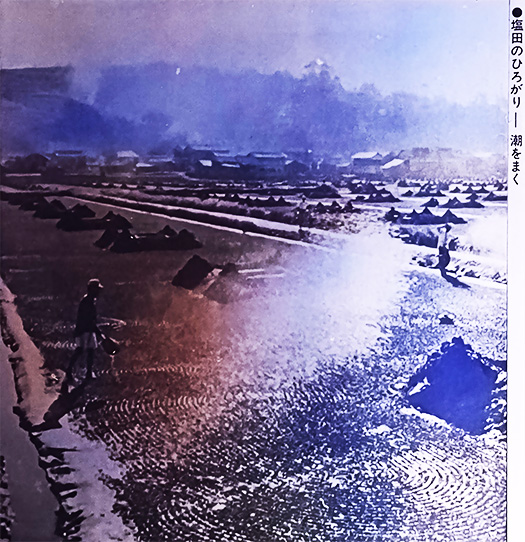
繰り返しわが家系は1718年に「打ち毀し」にあったと記したのですが、その後わが家系は福山藩領の松永で「塩浜づくり」に転身していた。そして「福山御家中吉田端守殿え縁付く」と記載。
浅野藩で徴税責任者として庄屋層を束ねていたとはいえ、身分としては一介の「庄屋層」。その身分のものが、福山藩の「郡奉行」という地方財政担当者と「縁組み」したと書かれている。
そしてそこからさらに、尾道の商家へと「夫婦として」養子に参るとの記述。
その上で晴れて「改名して三木治右衛門に是也」という高々とした商家宣言に至っている。
こういう経緯をAI/Geminiに問い合わせたら、「結論から申し上げれば、江戸時代の身分制社会において、一介の庄屋階層と隣藩の郡奉行(幹部武士)が一門関係を持つことは、決して一般的」なことではありません。むしろ極めて例外的な現代で言えば「国家間をまたぐ極秘のヘッドハンティング」や「高度な政治亡命」に近い性格を持った特殊な事例と言えます。」という回答。
さらに重ねて「浅野領の所務役といういわば競合他社の元CFO(最高財務責任者)が一族を連れて技術とノウハウを持って自藩に来てくれる。これは婚姻関係を結んででも自藩の身内として囲い込む価値がある特級の案件だった」と言い切っている。
下手をすれば「間者(スパイ)」の嫌疑をかけられる。それが奉行一門と縁を結ぶことで、その身元を藩の最高幹部が保証する形になるのだ、という回答。
そして生産された塩を全国流通させるチャンネルとして尾道の「商家株」を入手している。
わが先祖の原平七はこういう機微にまみれた社会的立場のロンダリングを仕掛けたのだと言えるのです。
百姓一揆の首謀者たちは打ち毀しを通して、自ら獄門打ち首になりながら百姓の要求を全面的に藩に受け入れさせ「義人」という尊称を地域社会の中で獲得していった。一方で、打ち毀された家系も、高度の「生存戦略」を発動させていた・・・。江戸期社会の深い実相。
●お知らせ
拙書「作家と住空間」幻冬舎から電子書籍で発刊
お求めはAmazonで。
https://amzn.asia/d/eUiv9yO
English version⬇
【Edo Period “Family Name and Status” Laundering: Samurai Marriages to Merchant Houses / Family History】
Within the rigid Edo period class system taught in history lessons, a strategic maneuver unfolded, shrouded in subtlety, leading to a major transformation. …
The “Four Hundred Years of Life’s Resume” Series. Between 1718 and 1728, my family underwent a major transformation.
According to the records left by my ancestor Miki Kanzo in 1815, preserved as a scroll titled “The Origin of the Hara Clan,” the details of this major transformation are described as follows:
~A certain daughter of Abe Jubei of Motoya, Tsuno Village, was betrothed to Lord Yoshida Tamori of the Fukuyama retainers. Her younger sister also came under the care of the Yoshida family, and Genjiro married her. Thereafter, he went to Onomichi Aga-ya as an adopted son. Genjiro changed his name to Miki Jiemon.~
I have repeatedly noted that our family suffered a “destruction” in 1718. After that, our family transformed into salt field workers in Matsunaga within the Fukuyama domain. And it is recorded that they “were married into the household of Lord Yoshida Tamamori of the Fukuyama domain.”
Even though he was a tax collector responsible for managing the village headmen in the Asano domain, his status was merely that of a “village headman.” It is written that someone of that rank formed a “marriage alliance” with the Fukuyama domain’s “gunbugyo,” a local fiscal administrator.
Then, further on, there is a description of him being adopted “as a married couple” into a merchant family in Onomichi.
On top of that, it culminates in the lofty merchant declaration: “He was then formally renamed Miki Jiemon.”
When I queried this sequence with AI/Gemini, it responded: “To state the conclusion first, within the hierarchical society of the Edo period, it was by no means common for a mere village headman to form a family alliance with a district magistrate (senior samurai) from a neighboring domain. Rather, it was an extremely exceptional case, akin in modern terms to ‘top-secret cross-border headhunting’ or ‘high-level political asylum’.”
It further emphasized: “The former CFO of a rival domain—the Asano domain’s administrative officer—bringing his entire family, along with their technology and know-how, to join our domain. This was a top-tier opportunity worth securing as family through marriage.”
At worst, he could have been suspected of being a spy. By forming a bond through marriage with the magistrate’s family, his identity was effectively guaranteed by the domain’s highest-ranking officials.
Furthermore, he secured a merchant share in Onomichi as a channel for distributing the produced salt nationwide.
It can be said that my ancestor, Genpei Shichi, orchestrated this socially sensitive position laundering.
The leaders of the peasant uprising, through their execution by beheading, forced the domain to fully accept the peasants’ demands while they themselves faced the gallows. This earned them the revered title of “righteous men” within the local community. Meanwhile, the families of those executed also activated sophisticated “survival strategies”… The profound reality of Edo period society.
●Notice
My book “Writers and Living Spaces” published as an e-book by Gentosha
Available on Amazon.
共有:

Posted on 2月 21st, 2026 by 三木 奎吾
Filed under: 未分類



コメントを投稿
「※誹謗中傷や、悪意のある書き込み、営利目的などのコメントを防ぐために、投稿された全てのコメントは一時的に保留されますのでご了承ください。」
You must be logged in to post a comment.